
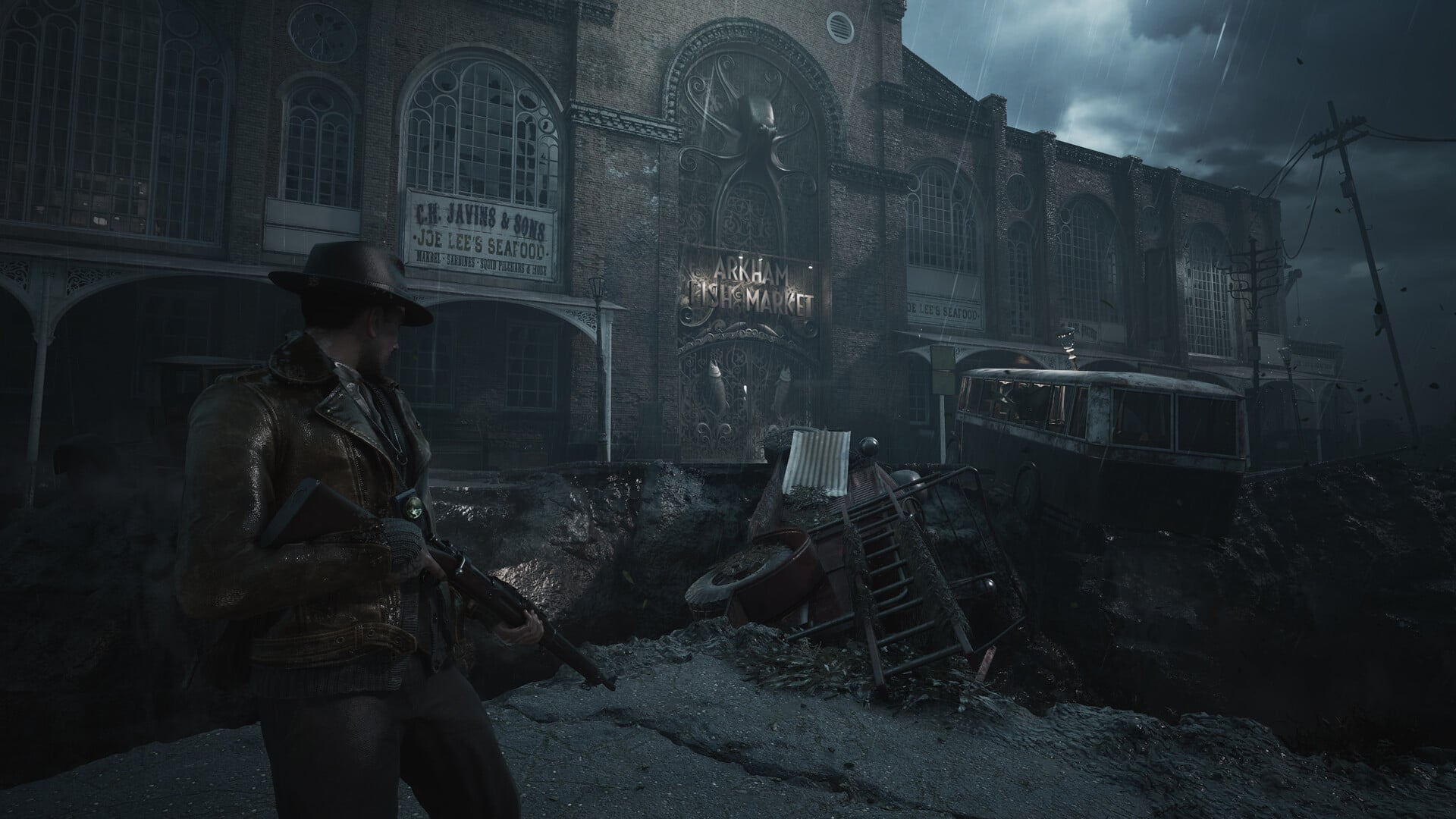
The Sinking City 2 has six ammo entries: Frag Grenades, Handgun Ammo, Revolver Ammo, Rifle Ammo, Shotgun Ammo, and Submachine Gun Ammo; read exact crafting costs from the current in-game recipe display.
Ammo is scarce and monsters are tough, so every shot affects the wider survival-horror resource loop. This reference helps you match each reserve to the right combat role while keeping enough flexibility for whatever Arkham puts in your path next.
Quick answer: The six ammo entries
The list contains five firearm-ammunition categories and Frag Grenades for heavy support. Each reserve serves a different combat problem, from routine sidearm work to close-range emergencies and sustained fire.
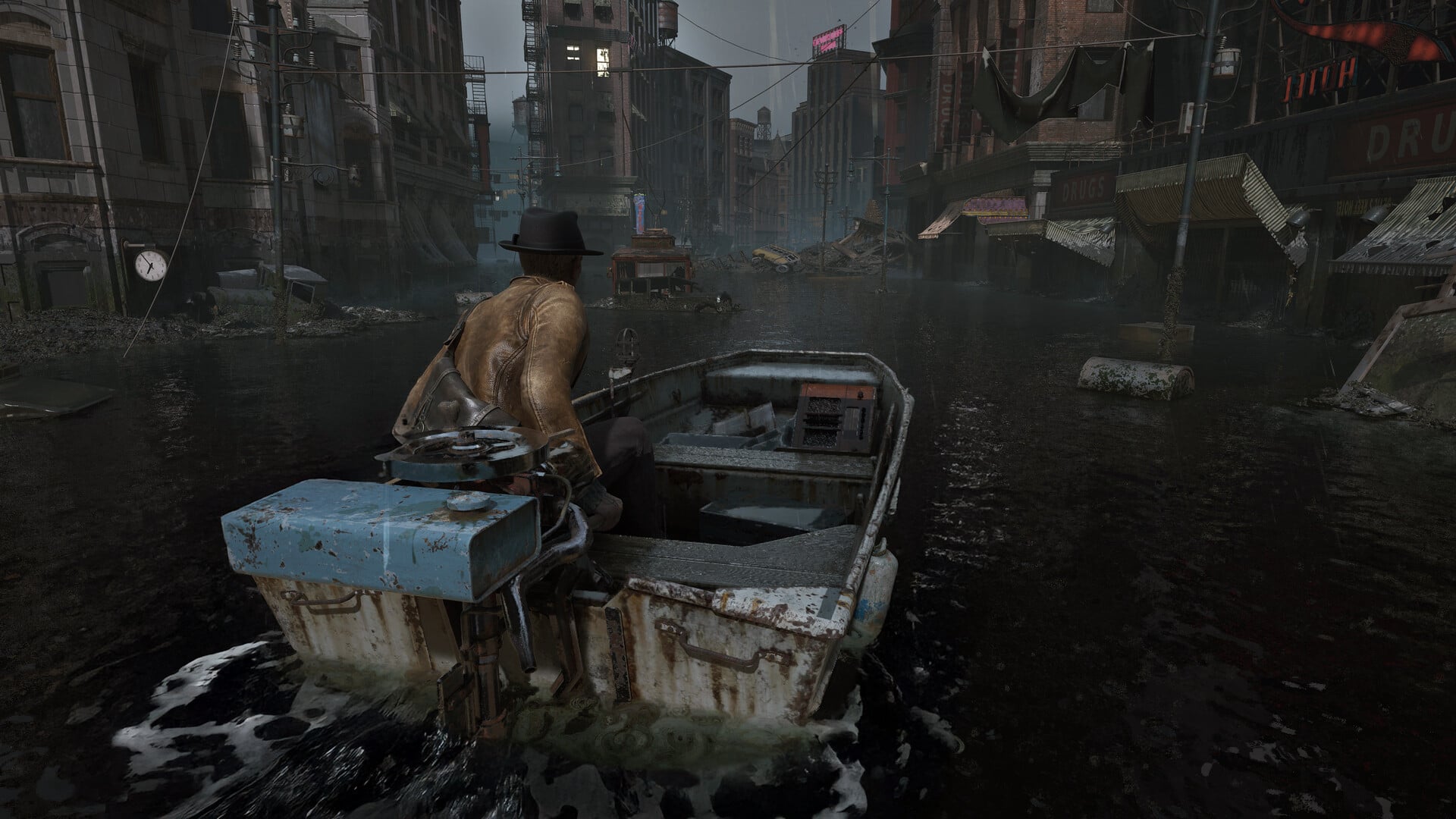
Ammo types at a glance
| Ammo type | Best use |
|---|---|
| Frag Grenades | Heavy support when a fight could consume too many firearm rounds |
| Handgun Ammo | Controlled sidearm fire against routine threats |
| Revolver Ammo | Deliberate sidearm use while preserving other reserves |
| Rifle Ammo | Harder ranged encounters suited to controlled fire |
| Shotgun Ammo | Dangerous close-range pressure |
| Submachine Gun Ammo | Sustained pressure using short, controlled bursts |
This is a usage guide, not a hidden damage ranking. The best choice is whichever suitable reserve can resolve the immediate threat without creating a more serious shortage for the next encounter.
How to use this ammo list
Judge each encounter in two passes: first decide whether fighting is worth the resources, then select the least specialized ammunition capable of handling the threat cleanly. For routine exploration, a supplied sidearm lets you preserve the categories intended for greater pressure.
| Situation | Use first |
|---|---|
| Routine, manageable threat | Handgun Ammo or Revolver Ammo |
| Harder threat at range | Rifle Ammo |
| Heavy close-range pressure | Shotgun Ammo |
| Sustained pressure | Submachine Gun Ammo in short bursts |
| Heavy-support emergency | Frag Grenades |
Treat this as a conservation order. When one category runs low, change to another suitable weapon instead of forcing every encounter through the same dwindling supply.
Keep more than one weapon category supplied. A balanced loadout lets you switch weapons before one gun drains the reserve needed for a tougher fight.

Complete reference for every ammo entry
The container and cartridge descriptions identify the six entries, while the sections below explain where each one fits into combat and crafting decisions.
| Ammo type | Description |
|---|---|
| Frag Grenades | A sturdy wooden box containing fragmentation grenades. |
| Handgun Ammo | A small carton containing .45 ACP handgun cartridges. |
| Revolver Ammo | A carton of .44-40 WCF revolver cartridges. |
| Rifle Ammo | A military-issue carton of .30-06 rifle cartridges. |
| Shotgun Ammo | A cardboard box containing 12-gauge shotgun shells. |
| Submachine Gun Ammo | A carton of .45 ACP submachine gun cartridges. |
Frag Grenades
Combat role: Frag Grenades provide heavy fire support when ordinary weapon reserves would be strained. Their crafting role is to add an emergency option to a loadout that already has enough ammunition for routine combat.
Frag Grenades flavor text
“Braddock, take this. You’re on heavy fire support now. How many shots did he have left? Two? Well you better make them count.” — Col. Glasgow, during the Reclamation of Arkham, 1929
Handgun Ammo
Combat role: Handgun Ammo supports controlled sidearm use during ordinary exploration. Crafting it helps cover manageable fights while leaving rifle, shotgun, and submachine gun reserves available for encounters that demand them.
Handgun Ammo flavor text
“It’s now five bullets for a can of beans. Five bullets, not three! Yeah, well, there’s a lotta demand and no damn supply. Pay up, or git!” — Vendor, makeshift Arkham Market stall
Revolver Ammo
Combat role: Revolver Ammo maintains a second sidearm reserve. Craft it when the revolver suits your loadout or when relying exclusively on Handgun Ammo would leave that category dangerously depleted.
Revolver Ammo flavor text
“One round! One round, ladies and gentlemen! See? And now we spin… Who will be the lucky one this time? It’s one in six! The odds are good!” — Partygoer at the Devil’s Reef Hotel
Rifle Ammo
Combat role: Rifle Ammo supports controlled fire against harder ranged threats. Crafting it prepares that option for demanding encounters rather than spending the reserve on every enemy met during exploration.
Rifle Ammo flavor text
“Have you been to the Fort? They say it’s chock full of supplies. Food, medicine, ammo, fuel… Everything we might need to get out. And the soldiers… Ain’t anyone left. Not alive, anyhow…” — Overheard above a sunken speakeasy
Shotgun Ammo
Combat role: Shotgun Ammo covers dangerous close-range pressure. Its crafting role is to keep an emergency response available for situations in which slower, routine sidearm fire is no longer enough.
Shotgun Ammo flavor text
“I used to hunt, you know? Shooting fowl, dressing deer — I thought I was used to blood and guts. But after that night… that horrible night. Her head all… gone. Squirming… I can’t even look at a gun no more.” — Recollections of a survivor
Submachine Gun Ammo
Combat role: Submachine Gun Ammo enables sustained pressure. Craft it when your loadout needs that capability, then fire in short bursts so the reserve is not exhausted while an enemy is still advancing.
Submachine Gun Ammo flavor text
“Mind your shots, private! Short bursts! You want to hit your target, not run dry with the enemy bearing down on you! What enemy? You’ll see soon enough!” — Sgt. Chester, live fire drill, Fort Devens
Crafting cautions for scarce resources
Do not overcraft one ammunition category. Ammo, healing supplies, and crafting materials compete within the same survival-horror economy, so solving one shortage too aggressively can create another.
Keep materials flexible until your loadout develops a clear gap. Recipes from the 2019 The Sinking City should not be imported into the sequel; use The Sinking City 2’s own recipe interface when allocating resources.
Frequently Asked Questions
Can you use ammo recipes from the 2019 The Sinking City in the sequel?
No. The Sinking City 2 shifts to a different survival-horror structure, so component combinations from the earlier game are not substitutes for the sequel’s recipes.
Where should you check crafting costs and recipe yields?
Check the current in-game recipe display. Use the same interface to see the yield, whether you have access to the recipe, and which entries are available in your current game.
Should rare ammunition be saved during normal exploration?
Save specialized ammunition when a routine threat can be bypassed or handled cleanly with a sidearm. Spend it when doing so prevents a dangerous fight from consuming healing supplies or several other ammunition reserves.


Leave a Reply