

The 30-day limit is a spendable resource: hourglass-marked quests and activities consume time, while ordinary roaming does not automatically advance it.
In The Blood of Dawnwalker, the deadline turns each commitment into a choice about what Coen can accomplish before his family’s time runs out. Understanding an activity’s cost and the opportunities available in the current phase lets you make those choices without rushing through exploration.
How the 30-day time budget advances
| Mechanic | Effect |
|---|---|
| Campaign window | Coen has 30 days and 30 nights to save his family. |
| Time-consuming commitments | Quests, side quests, and open-world activities such as attacking enemy camps advance the schedule. |
| Hourglass indicator | An hourglass marks activities that will spend part of the time budget. |
| Ordinary roaming | Traveling around and exploring the open world does not automatically move time forward. |
| Sleeping | Passing to another phase through sleep consumes limited campaign time. |
The clock is driven by meaningful commitments, so time spent looking around Vale Sangora is not the central pressure. You can search the landscape and consider your options before deciding whether a marked activity deserves part of the remaining schedule.
Key The campaign cannot accommodate every person, quest, and opportunity. Choosing one commitment can leave less room for another, making skipped content an intentional tradeoff rather than a failure to clear the map.
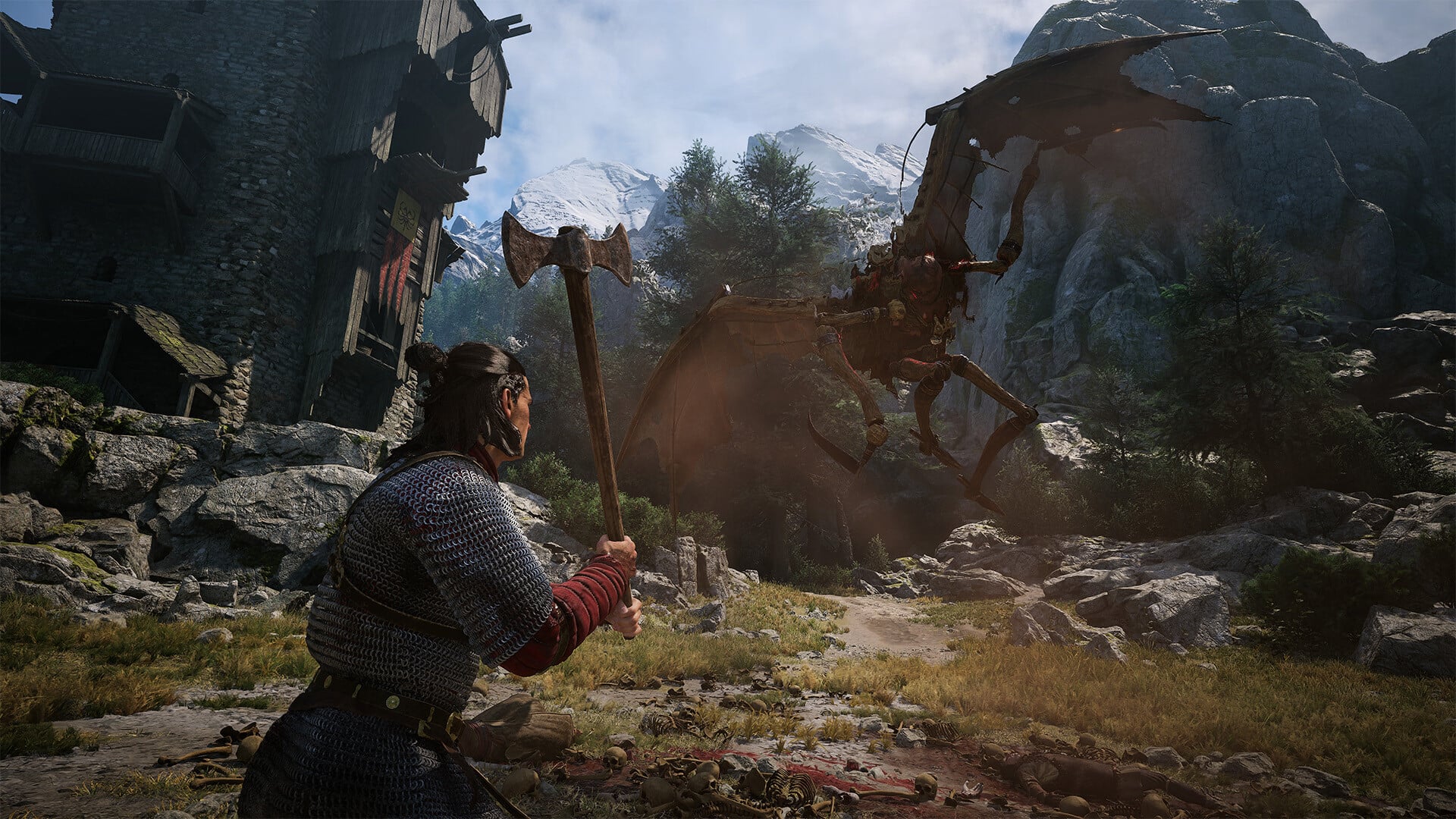
What changes between day and night
| Phase | Form, abilities, and gear |
|---|---|
| Day | Coen is human and can use Witchcraft and Swordmastery, with equipment supporting Witchcraft or Swordmastery. |
| Night | Coen is a vampire and can use Vampirism and Swordmastery, with equipment supporting Vampirism or Swordmastery. |
Some quests and tasks are tied to a particular phase, while multi-part objectives can pause until the next suitable day or night. A daytime objective may become inaccessible after a location closes at night, but Coen can spend that phase pursuing compatible nighttime work instead.
Runes carved into Coen’s body let him use Witchcraft while human. When he becomes a vampire, those wounds heal and cut him off from that magic, replacing it with Vampirism. Swordmastery remains usable in both forms, providing a consistent combat foundation while his other abilities and phase-oriented equipment change.

How to plan each day and night
Set your desired outcomes
Decide which people, quests, and goals matter most, because the limited schedule cannot accommodate every opportunity.
Check the hourglass
Before committing, use the hourglass indicator to judge whether an activity’s outcome deserves part of Coen’s remaining time.
Match work to the current phase
Prioritize objectives available during the current day or night and use equipment that supports Coen’s active power set.
Switch when an objective becomes unavailable
If a task must wait for another phase, pursue a compatible activity instead of immediately spending time to skip ahead.
Sleep with a purpose
Use sleep only when reaching the required phase is worth its cost, remembering that the world responds to both action and inaction.
Related Blood of Dawnwalker guides
Frequently Asked Questions
How long do you have in The Blood of Dawnwalker?
You have 30 days and 30 nights to save Coen’s family.
Does time pass while exploring the open world?
Wandering and exploring do not necessarily move time forward. Time advances when you take on quests or open-world activities that cost time.
How can you tell when an activity costs time?
Activities that spend time are shown with an hourglass symbol.
Can you do everything in one playthrough?
No. Every action and inaction shapes the world, and you will not have time for everyone.
How does day and night change gameplay?
By day, Coen is human and can use magic; by night, he is a vampire with different strengths and limits. Some quests and tasks are also exclusive to day or night.





Leave a Reply