

The Sinking City 2 has at least 22 named Talents, each acting as an equipable passive perk with combat, defense, healing, crafting, weapon-handling, or second-chance effects.
Talents let you shape Calvin around the threats, resources, and combat situations that give you the most trouble. Many depend on specific triggers or carry dangerous tradeoffs, so a strong loadout combines effects that fit actions you can perform consistently.
Quick answer
Talents are passive perks learned by spending Dream Essence. Learning a Talent adds it to your collection, but Calvin receives its benefit only while it occupies one of his limited equipped slots.
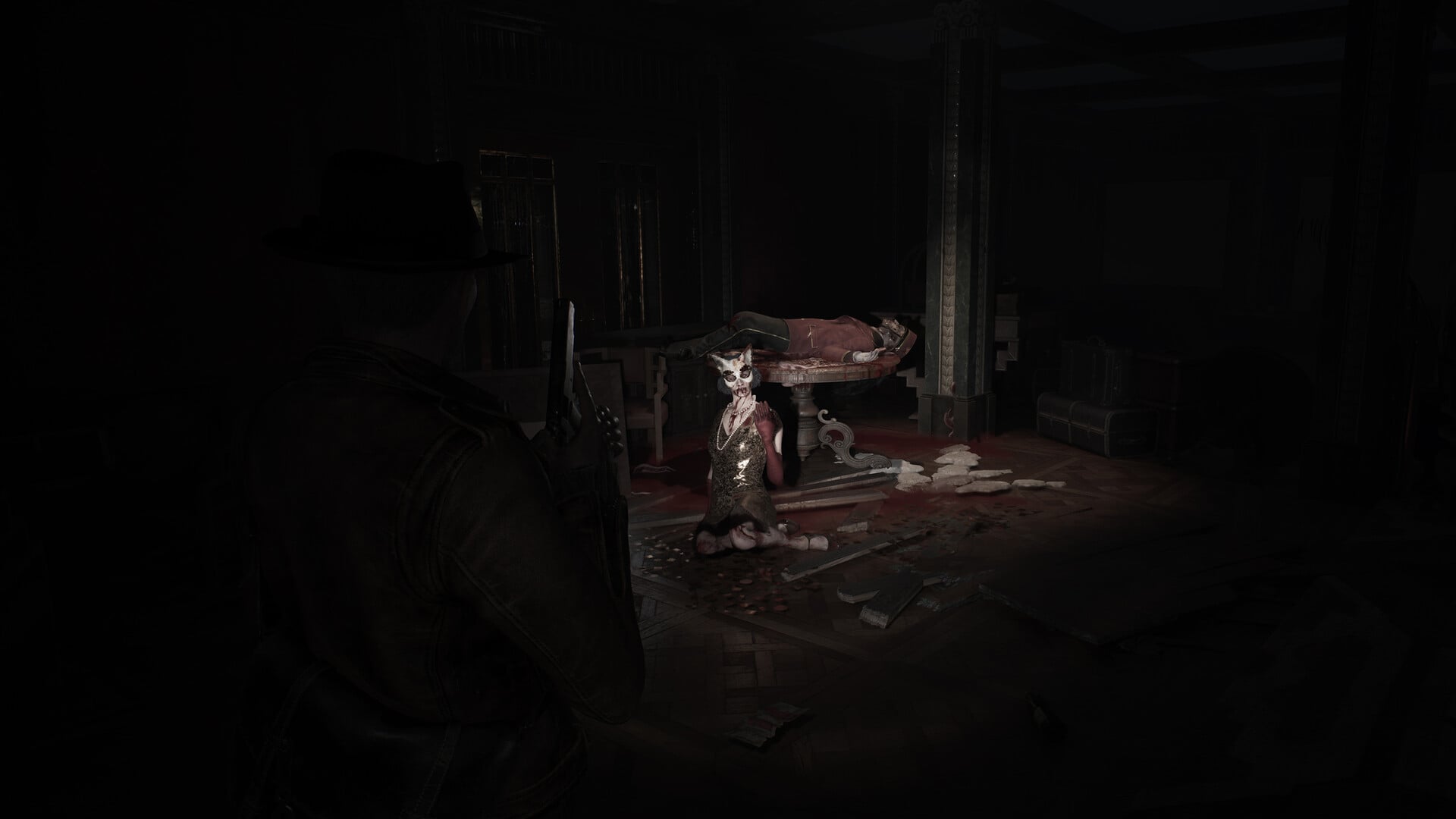
How the Talent system works
Talent loadouts are managed through the Talent Table in Safe Rooms. Equipped perks are associated with the Nightshade Mask, which functions as a compact loadout board rather than a sprawling skill tree.
At a glance comparison
| Talent | Effect | Role |
|---|---|---|
| Alchemical Abundance | Produces noticeably more ammunition when crafting | Crafting economy |
| Butcher’s Zeal | Grants enormous melee damage briefly after a kill | Melee burst |
| Carapace of the Damned | Reduces harm from humanoids slightly | Humanoid defense |
| Chitinbound | Reduces harm from monsters and aberrations slightly | Creature defense |
| Crimson Threshold | Increases damage while health is low | Risk-reward offense |
| Deathless Vigor | Lets Calvin withstand noticeably more punishment | General defense |
| Feral Surge | Increases damage slightly against nearby creatures | Close-range offense |
| Gunslinger’s Trance | Makes weapon swapping slightly faster | Weapon handling |
| Inner Beast | Grants significant melee damage with an empty magazine | Melee offense |
| Instruments of Death | Increases damage briefly after swapping weapons | Swap offense |
| Opening Gambit | Makes the first bullet hit slightly harder | Firearm offense |
| Pact of the Reaper | Heals on kills but makes incoming wounds more damaging | Kill sustain and risk |
| Potent Tincture | Reduces harm per carried healing item, up to five | Inventory defense |
| Profane Reload | Makes weapon reloading noticeably faster | Weapon handling |
| Reticle Ritual | Raises focused damage but lowers unfocused damage | Precision offense |
| Ruptured Core | Causes a significant burst when a weak spot breaks | Weak-point offense |
| Silent Hunter | Increases damage slightly while the flashlight is off | Conditional offense |
| Strange Evasion | Reduces harm briefly after a dodge | Dodge defense |
| Unhallowed Salve | Improves recovery from healing items noticeably | Healing efficiency |
| Vengeful Spirit | Offers a brief chance to escape death by killing your killer | Second chance |
| Vessel of Destruction | Enormously increases both damage dealt and damage taken | Extreme risk-reward |
| Wandering Bullet | Increases unfocused weak-point damage | Weak-point offense |
The role labels identify each Talent’s main purpose, but conditional perks can support several builds. How often you can activate a perk matters more than its category.
Complete reference
The entries below pair each Talent’s effect with the combat situation in which it provides the clearest benefit.
Alchemical Abundance
Effect: Gain noticeably more ammunition when crafting. It is the resource-economy choice for players who regularly convert collected supplies into ammunition.
Butcher’s Zeal
Effect: Deal enormous melee damage for a few seconds after slaying a foe. Use the first kill to begin a brief melee assault against another nearby enemy.
Carapace of the Damned
Effect: Take a little less harm from humanoids. Equip it when humanoid threats are causing more trouble than Arkham’s monsters.
Chitinbound
Effect: Take a little less harm from monsters and aberrations. It offers specialized protection during creature-heavy areas and encounters.
Crimson Threshold
Effect: Inflict more harm when low on health. The damage boost rewards fighting near danger, but it does not protect Calvin from the consequences of remaining wounded.
Deathless Vigor
Effect: Your body can withstand noticeably more punishment. Its broad survivability benefit works without requiring a particular enemy type or combat trigger.
Feral Surge
Effect: Inflict a little more harm upon creatures when they’re close to you. It supports aggressive close-range fighting and helps when monsters repeatedly crowd Calvin.
Gunslinger’s Trance
Effect: Swap weapons a little faster. It is most useful when your normal combat loop rotates between firearms instead of relying on one weapon until the fight ends.
Inner Beast
Effect: Deal significant melee damage when your mag is empty. It turns an empty weapon into a melee opportunity, although closing the distance without a loaded firearm remains dangerous.
Instruments of Death
Effect: Inflict a little more harm for a few seconds after you swap weapons. Frequent weapon changes can keep its short offensive window aligned with your usual fighting rhythm.
Opening Gambit
Effect: The first bullet hits a little harder than the rest. It favors deliberate opening shots and gives extra value to landing that initial attack cleanly.
Pact of the Reaper
Effect: Heal on kill, but every wound you suffer cuts a little deeper. Aggressive players can sustain themselves by securing kills, while missed finishes and incoming attacks become more punishing.
Potent Tincture
Effect: Take a little less harm for every healing item carried, up to a maximum of five. Stockpiling healing supplies strengthens the perk, while consuming them reduces the number contributing to its protection.
Profane Reload
Effect: Reload your weapon noticeably faster. It shortens the vulnerable interruption between magazines and supports firearm-heavy play.
Reticle Ritual
Effect: Inflict more harm when fully focused, yet less when unfocused. This is a commitment to careful aiming rather than a universal damage increase.
Ruptured Core
Effect: Destroying weak spots causes a significant burst of carnage. It rewards identifying exposed weak points and concentrating attacks until they break.
Silent Hunter
Effect: Strike a little harder when your flashlight is off. The increased damage comes with the immediate visibility tradeoff of fighting without the light.
Strange Evasion
Effect: Take less harm for a few seconds after dodging. A well-timed dodge creates a short defensive window against follow-up pressure.
Unhallowed Salve
Effect: Recover noticeably more from your healing items. It improves the value of each healing item and supports extended exploration where supplies must last.
Vengeful Spirit
Effect: If slain, swiftly kill your killer within a few seconds to escape death’s grasp. The second chance succeeds only if you can retaliate during that brief window.
Vessel of Destruction
Effect: Inflict enormous damage, yet take enormous damage. It creates the sharpest offensive tradeoff in the list, making successful attacks and defensive mistakes far more consequential.
Wandering Bullet
Effect: Inflict more harm to weak points with unfocused shots. It supports quick weak-point attacks without requiring the fully focused style favored by Reticle Ritual.
How to use this list
Build around actions you already perform reliably. Conditional damage brings little value if your preferred positioning, aiming style, or weapon choice rarely activates it.
| Playstyle | Talents to consider |
|---|---|
| Safer first playthrough | Deathless Vigor, Strange Evasion, Carapace of the Damned, Chitinbound |
| Melee burst | Butcher’s Zeal, Inner Beast, Feral Surge |
| Weak-point shooting | Ruptured Core, Reticle Ritual, Wandering Bullet |
| Low-health risk | Crimson Threshold, Vengeful Spirit, Deathless Vigor, Vessel of Destruction |
| Healing sustain | Unhallowed Salve, Potent Tincture, Pact of the Reaper |
| Crafting economy | Alchemical Abundance |
| Weapon swapping | Gunslinger’s Trance, Instruments of Death, Profane Reload |
Reticle Ritual and Wandering Bullet reward opposing aiming states, so choose the one matching how you attack weak points. A swap-focused setup has a clearer synergy: Gunslinger’s Trance accelerates the switch that triggers Instruments of Death.
Be cautious when combining drawbacks. Pact of the Reaper makes wounds more severe, while Vessel of Destruction greatly increases incoming damage; using both creates an especially unforgiving loadout.
Build around one repeatable trigger, add a Talent that benefits from its payoff, and use the remaining slots to cover that loop’s biggest weakness.
Dream Essence and Talent management
The Talent Table becomes available through Safe Room progression after Part 1. At the table, you can spend Dream Essence to learn Talents and assign your active choices to the Nightshade Mask.
Return to a Safe Room whenever an upcoming enemy type or a change in weapon strategy calls for another loadout. Revising equipped Talents lets you respond to the next problem without committing permanently to one build.
Collecting the full set is a longer completion goal tied to New Game+. Plan to carry Talent progression into additional runs rather than expecting one playthrough to provide the entire collection.
Frequently Asked Questions
Can every Talent be equipped at the same time?
No. Learning a Talent makes it available for future loadouts, but only the perks currently assigned to the Nightshade Mask provide their effects.
Do all Talents matter for story completion or only 100% completion?
Finishing the story does not require every Talent. Completion hunters have a separate objective: the What Dreams Are Made Of achievement requires obtaining all Talents.
Which Talent type should first-time players prioritize when dying often?
Start with broad survivability if no single threat is responsible. Choose Deathless Vigor for general durability, Strange Evasion if failed follow-up dodges cause deaths, or the enemy-specific defensive Talent matching the attacks that keep ending your attempts.






Leave a Reply