
What to know
- Metal farms require a significant 20 power to function properly
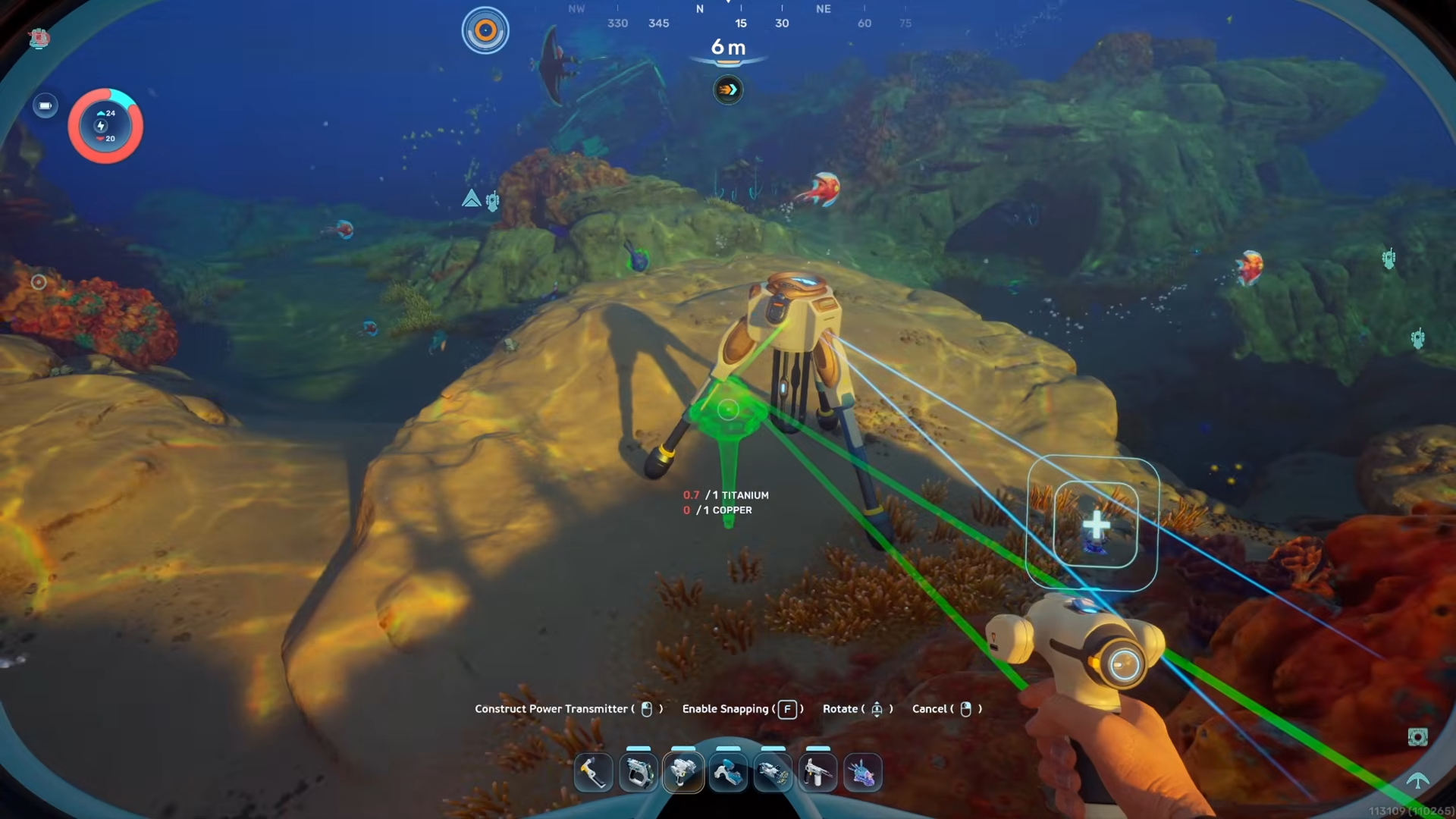
- A power transmitter can connect distant energy sources to the structure
- Each metal replication cycle takes exactly 10 minutes to complete
- Players must use a sonic resonator to extract the generated metals
In Subnautica 2, setting up a metal production system allows you to passively generate essential resources without constantly scouring the ocean floor. By understanding the mechanics of these structures, you can establish a reliable supply chain early in your single player journey.
| Feature | Detail |
|---|---|
| Required Power | 20 power units |
| Cycle Duration | 10 minutes |
| Required Tool | Sonic resonator |
| Usable Items | Metals only |
| Biome Restriction | None |
Metal Farm placement locations
You can position their metal farms in any location across the map as the structure is not restricted to specific biomes. While the first starting biome serves as an excellent initial area for construction, the primary geographical requirement is proximity to a reliable power generation source like a hydroelectric plant.
How to operate the metal farm system
Step 1
Place the farm structure in your desired location and ensure it receives adequate power.
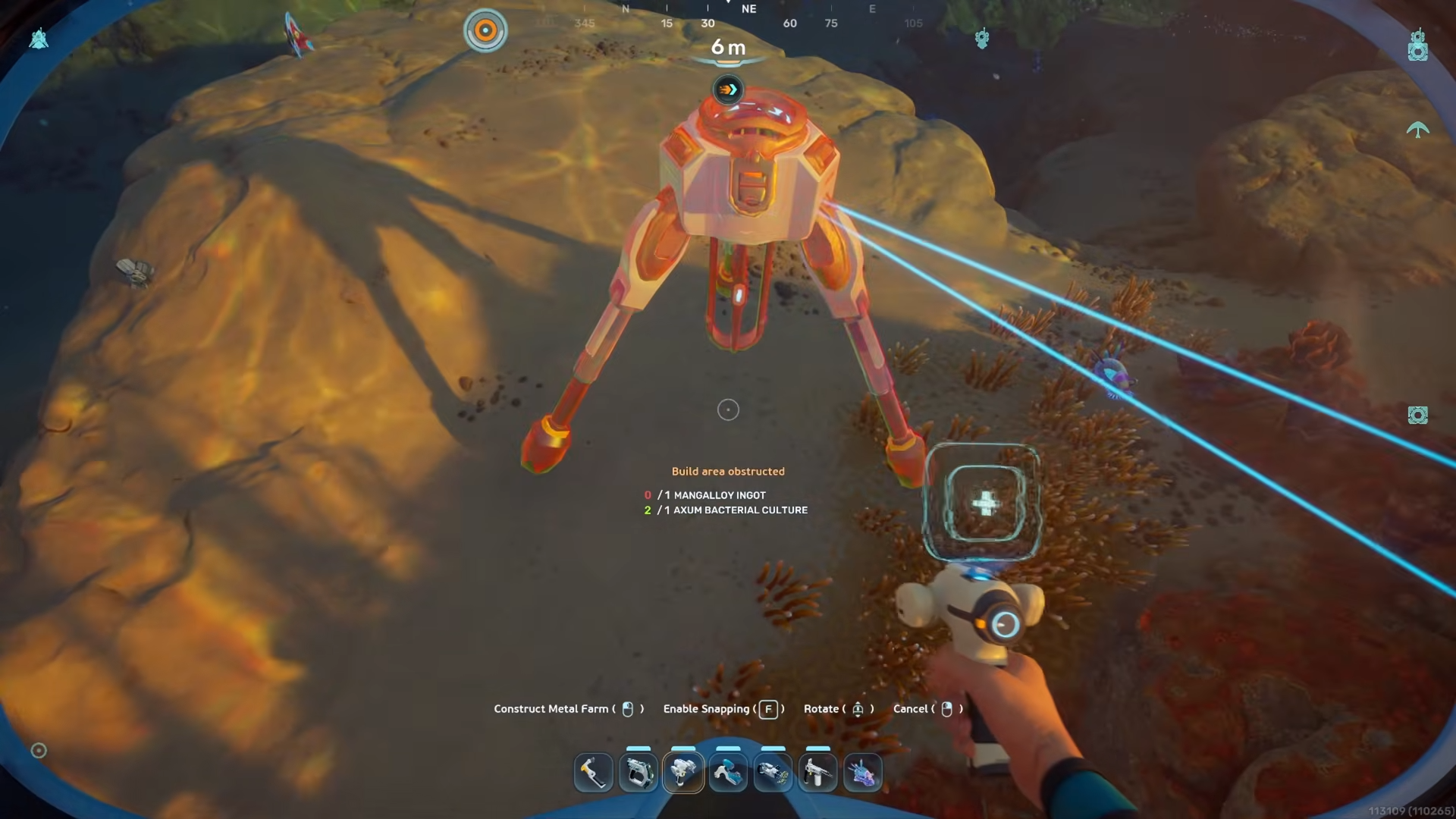
Connect it to a nearby power source directly.
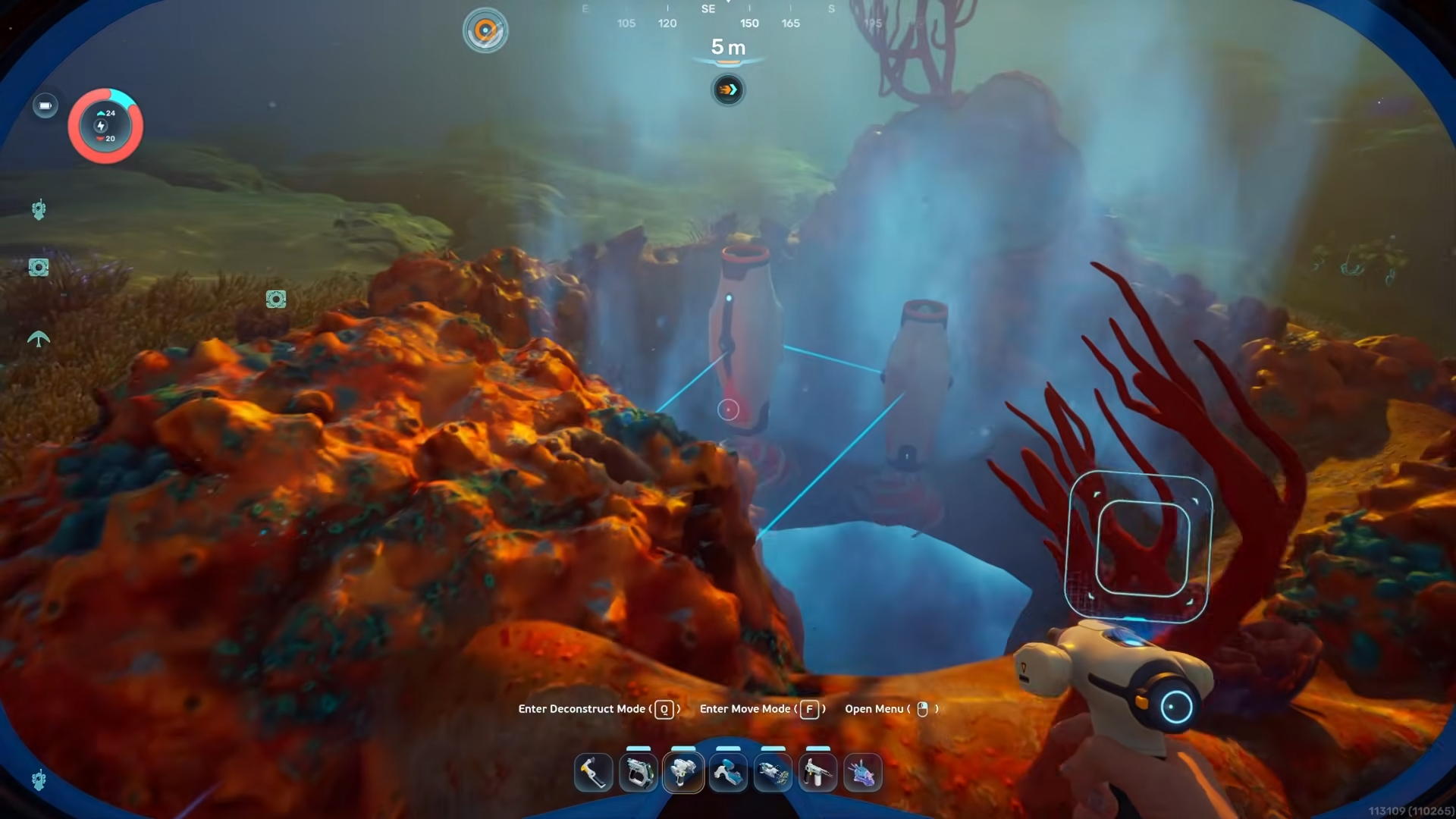
Or utilize a power transmitter to bridge the gap since the structure consumes 20 power.
Step 2
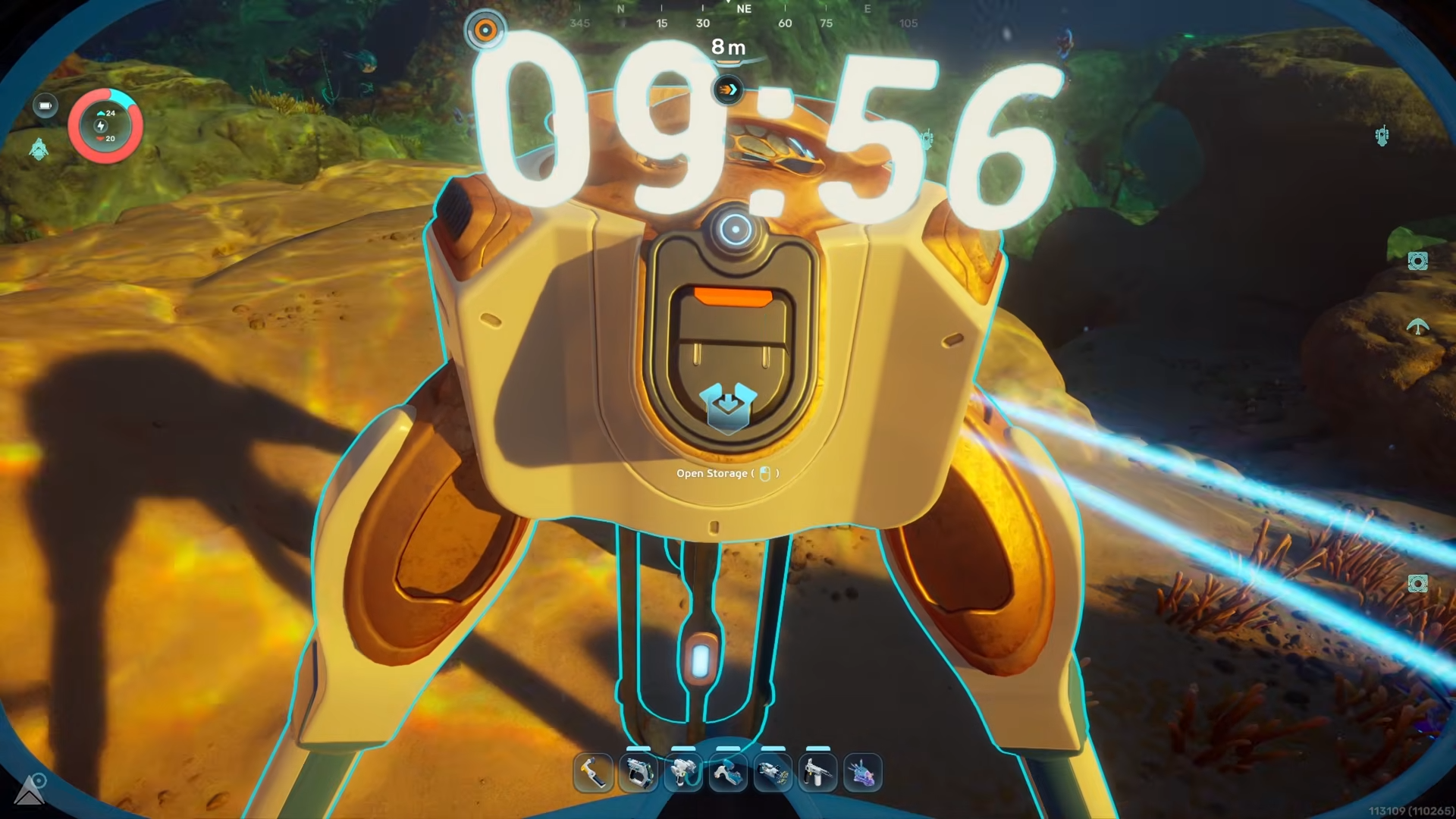
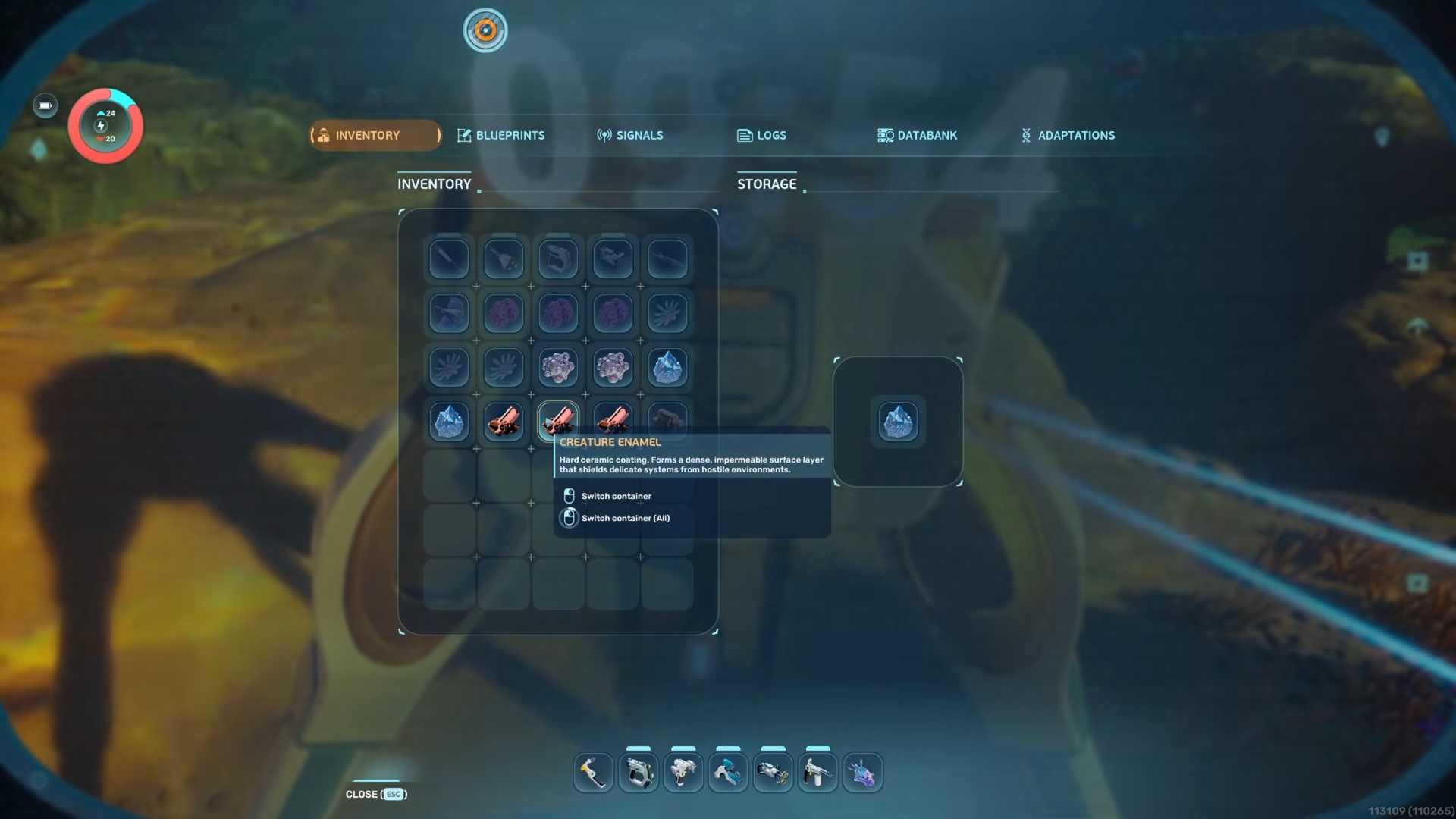
Interact with the powered farm and insert the specific metal you wish to replicate.
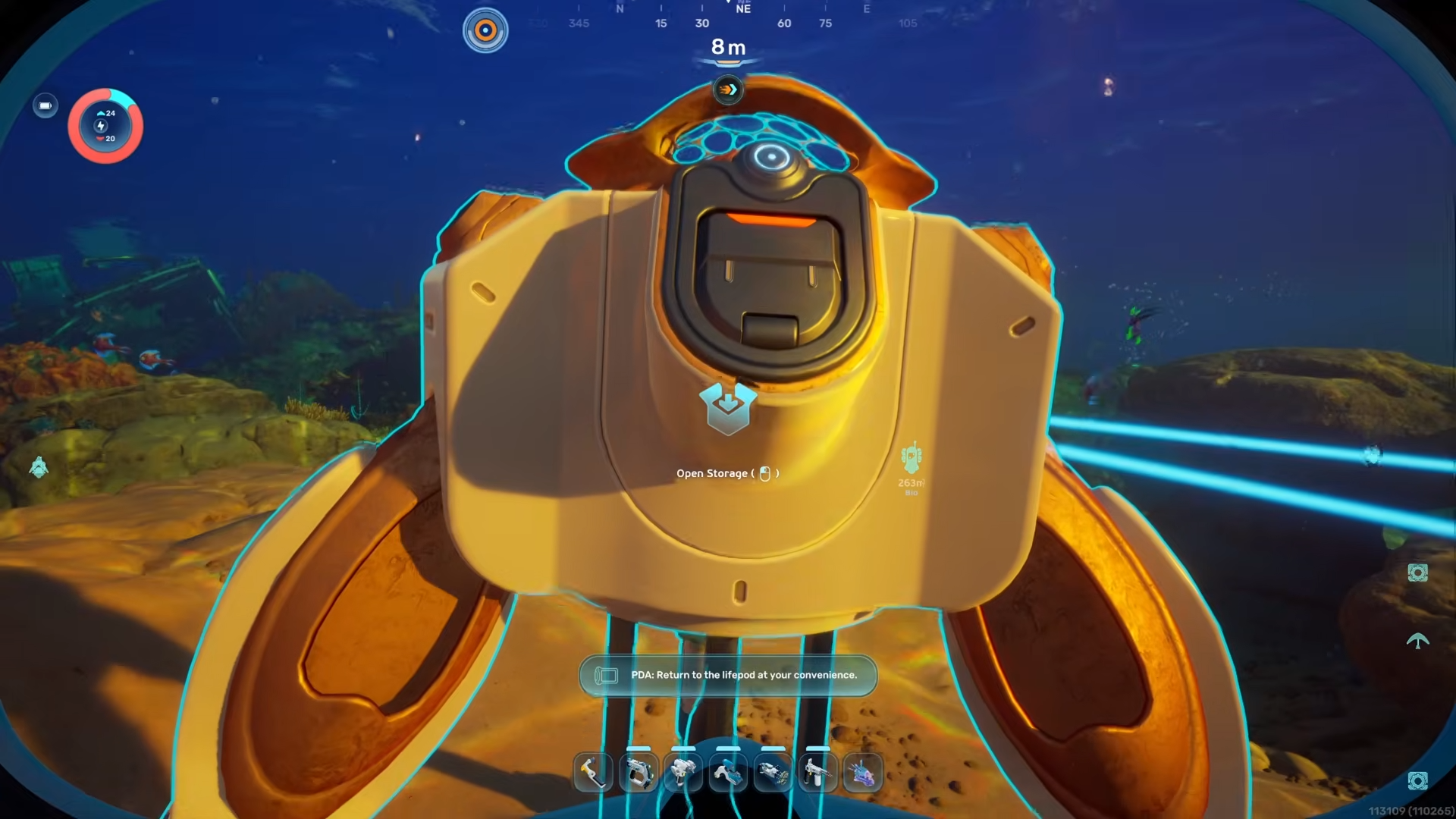
The interface will display a timer indicating how long the growth process will take.
Step 3
Wait for the 10 minute timer to reach zero.
The machine acts like a printer, taking the initial metal and creating an exact duplicate over this duration.
Step 4
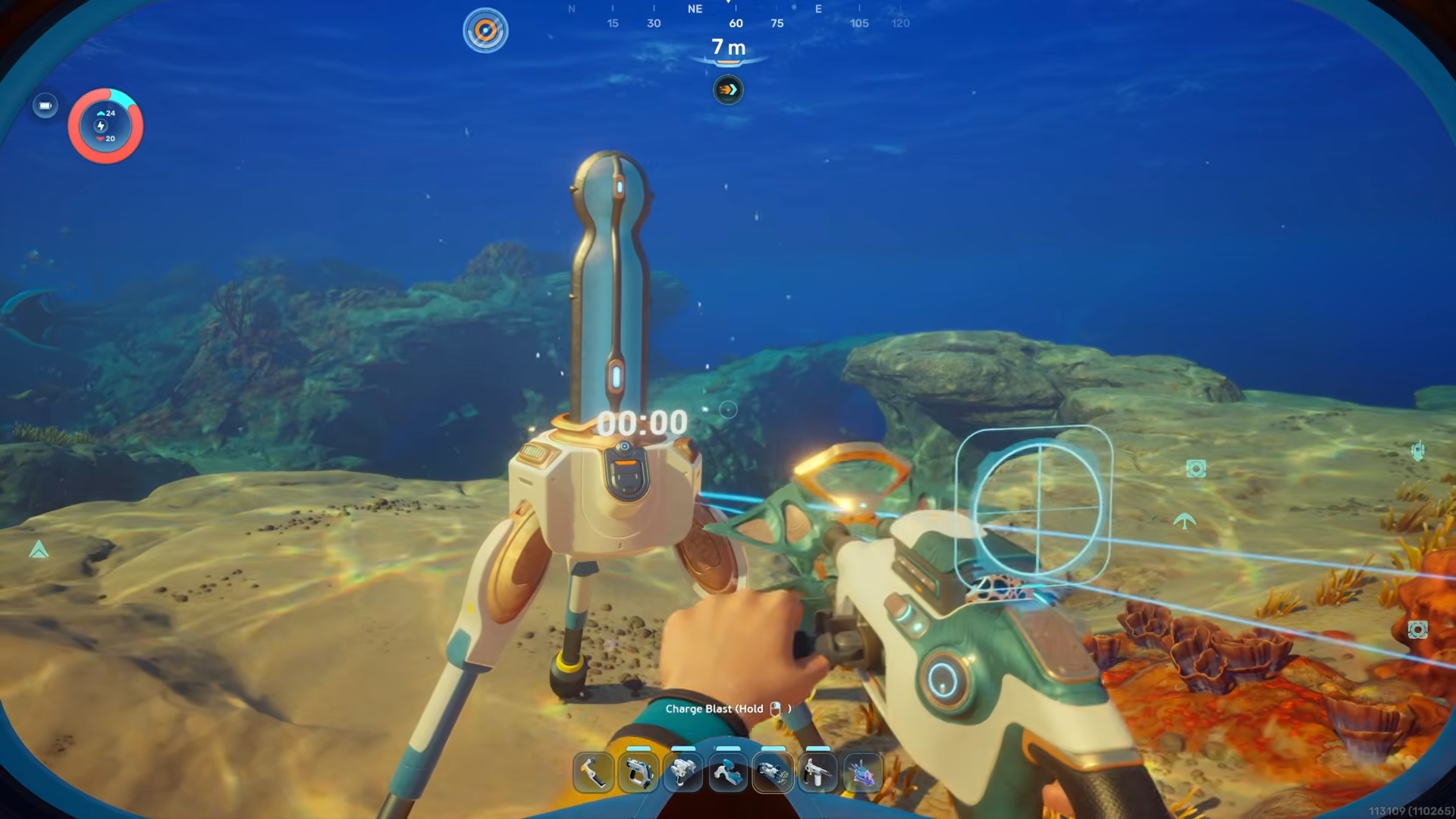
Equip your sonic resonator and blast the top of the farm structure.

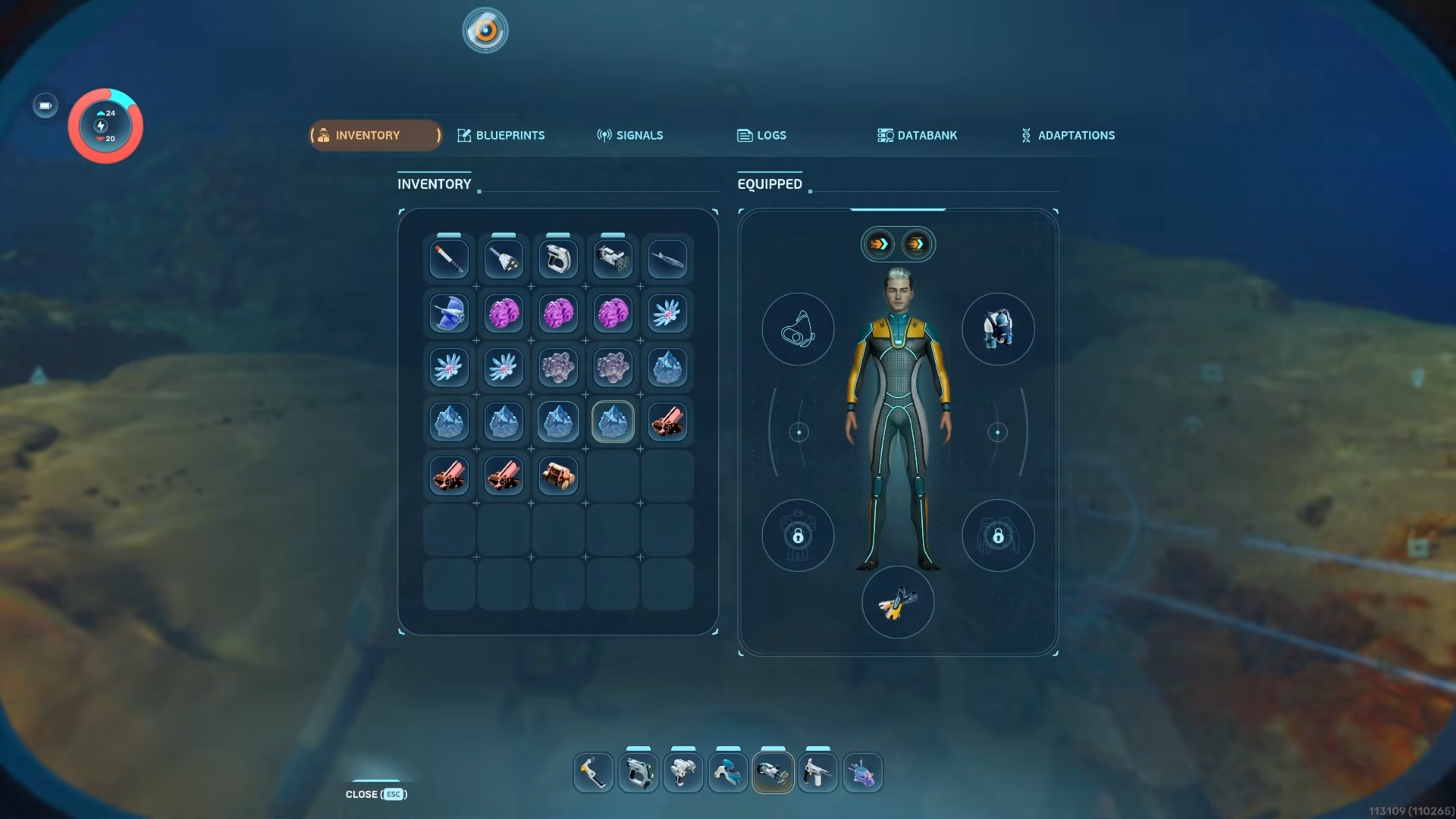
This action releases the newly generated materials into your inventory and automatically restarts the 10 minute countdown for the next batch.
Constructing multiple farms simultaneously drastically increases your overall yield. Setting up an array of four or five machines creates a highly efficient system that eliminates the need to manually search for materials. However, you must account for the massive energy draw, as five farms will require a robust electrical grid to maintain continuous operation.




Leave a Reply