

What to know
- Corruption acts as a hidden “insanity meter” tied to your decisions and actions
- Every major puzzle has two paths: a corrupt (easier) and a non-corrupt (harder) route
- Higher corruption changes endings, abilities, and even your experience of the world
- You cannot fully stop corruption—only slow it down through careful choices
From the very beginning, Cthulhu: The Cosmic Abyss builds its entire progression system around corruption, a mechanic that reflects how deeply the influence of Cthulhu seeps into your mind and body. As you play, you are constantly balancing curiosity, efficiency, and survival against the slow descent into madness.
Corruption system in Cthulhu: The Cosmic Abyss explained
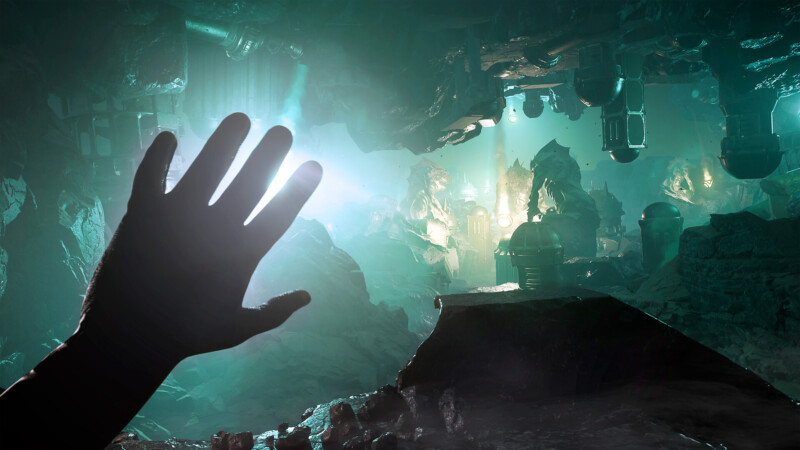
As you explore underwater ruins and abandoned facilities, corruption builds gradually no matter what you do. The game is designed so that exposure to the unknown naturally pushes you toward instability.
However, your choices dramatically influence how fast that corruption rises.
| Aspect | Details |
|---|---|
| What it is | A mental corruption meter tied to Cthulhu’s influence |
| How it increases | Taking easier paths, scanning risky objects, following certain routes |
| Can it be stopped? | No, only slowed down |
| Gameplay impact | Affects puzzles, abilities, hallucinations, and endings |
| Player choice | Decide between corrupt (fast) vs safe (complex) solutions |
When solving puzzles, you will often notice that there are two distinct approaches. One path is straightforward, intuitive, and quick—but it feeds into the corrupting influence. The other path requires deeper investigation, more clue analysis, and sometimes backtracking, but it helps keep corruption lower.
This creates a constant tension. You might feel tempted to take the obvious route just to progress faster, especially when puzzles become complex. But every shortcut comes at a cost.
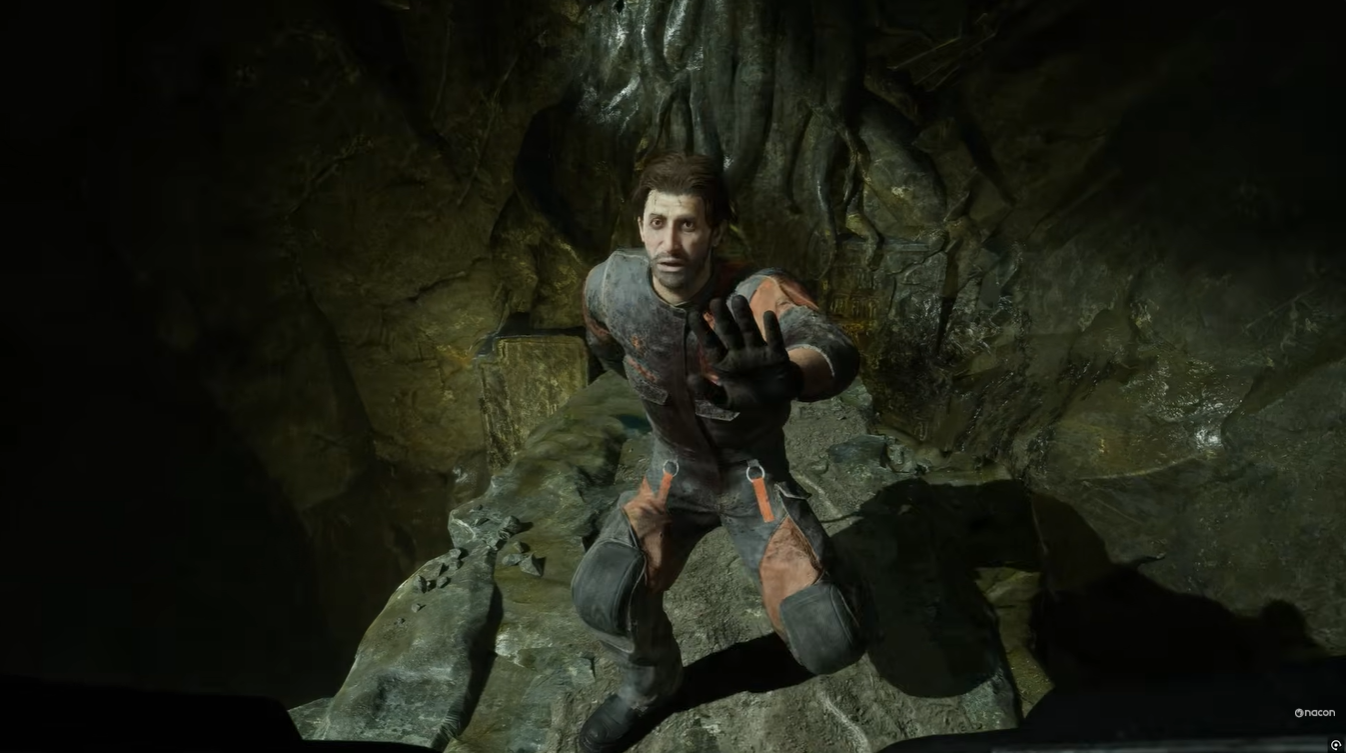
Interestingly, the system is not just mechanical—it’s also narrative. Corruption represents Cthulhu’s growing control over your perception, meaning the more it rises, the more the world itself begins to feel distorted and hostile.
What increases corruption the fastest
Corruption doesn’t spike randomly—it is tied to specific behaviors and decisions.
One of the biggest contributors is following the same paths taken by previous researchers, which often leads you deeper into dangerous areas tied to madness.
Another major factor is overusing your analysis tools without sufficient energy, which essentially forces your character to push beyond safe limits.
But the most consistent source is simply choosing the “easy solution” in puzzles. These routes are intentionally designed to lure you in because they require less effort and time.
Over time, you begin to realize that the game subtly encourages corruption, especially on your first playthrough.
What happens when corruption gets high
As corruption builds, the effects are not just numerical—they are deeply experiential.
The world becomes increasingly unstable, and your perception starts to shift. You may notice visual distortions, environmental changes, and unsettling sensory effects that reflect your character’s deteriorating mental state.
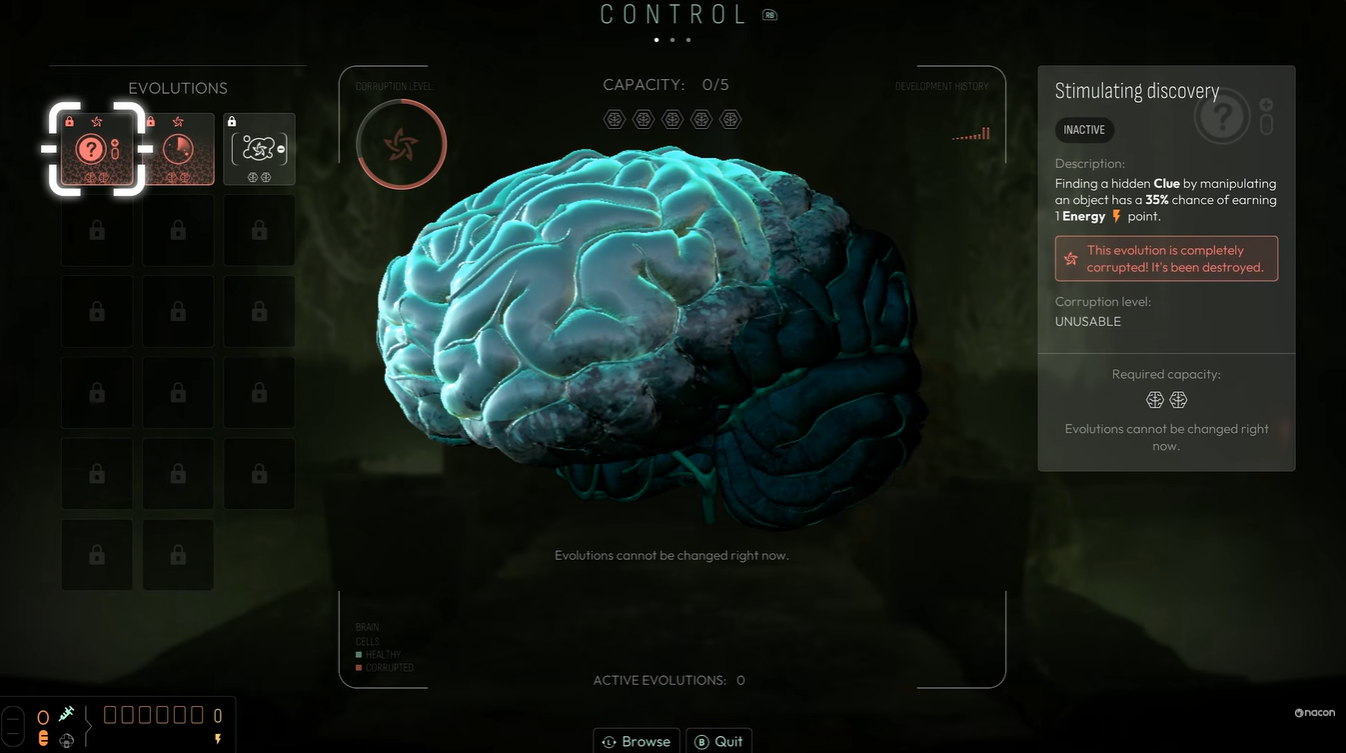
Gameplay-wise, high corruption can also affect your abilities and limit certain upgrades, making your journey more unpredictable.
Most importantly, corruption directly impacts the ending you receive. A heavily corrupted playthrough is far more likely to lead you toward darker or “bad” endings, while controlled corruption opens up better outcomes.
Why the corrupt path feels tempting
One of the smartest design choices in the game is how the corrupt path is often easier and faster.
Instead of punishing players immediately, the game rewards risky decisions with convenience. You solve puzzles quicker, progress faster, and avoid complex deductions.
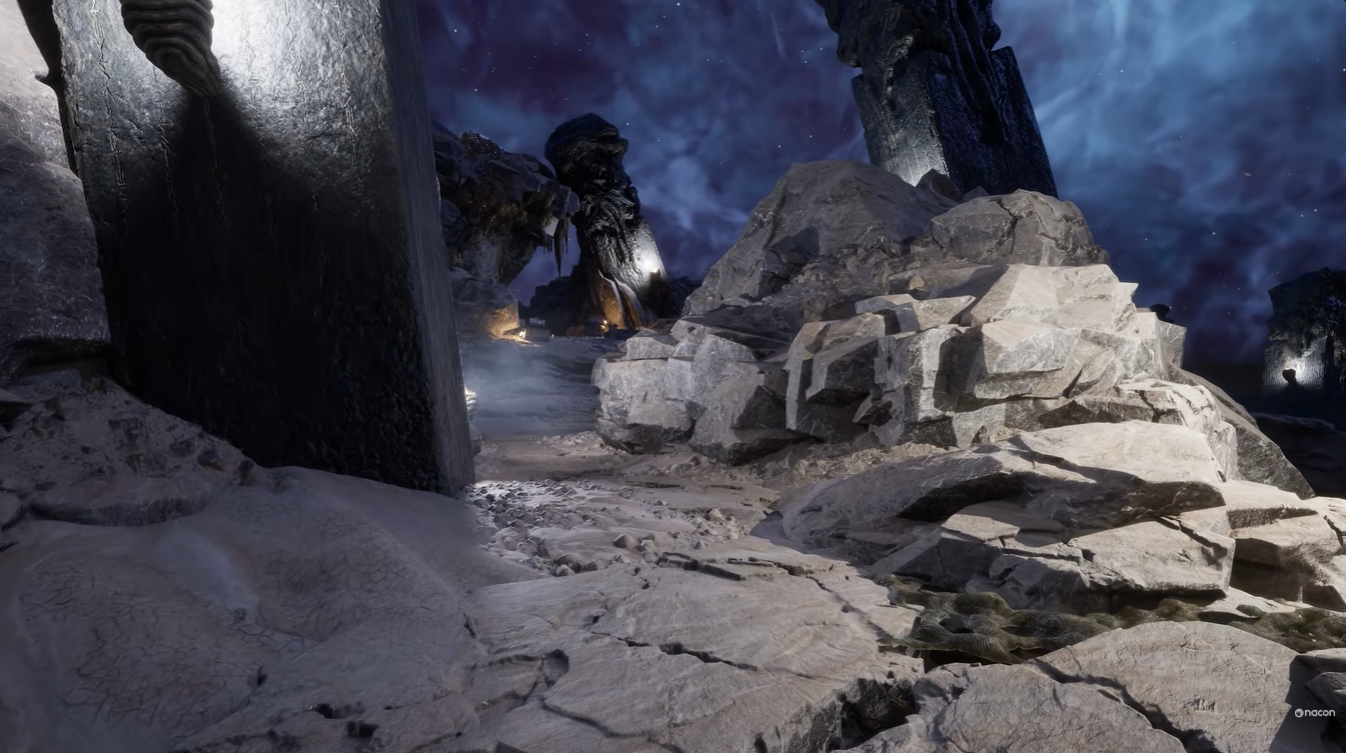
This creates a psychological trap. You might think you’re being efficient, but in reality, you are trading long-term outcomes for short-term gains.
It also means that many players naturally end up with higher corruption on their first run, simply because it feels like the “normal” way to play.
How to choose the right path in Cthulhu’s Cosmic Abyss
Choosing between corruption and resistance depends entirely on how you want to experience the game.
If you prefer a smoother, faster journey, you will likely lean toward the corrupt path. It reduces friction and helps you move through puzzles more quickly. This approach is ideal if you want to focus on story progression rather than deep investigation.\
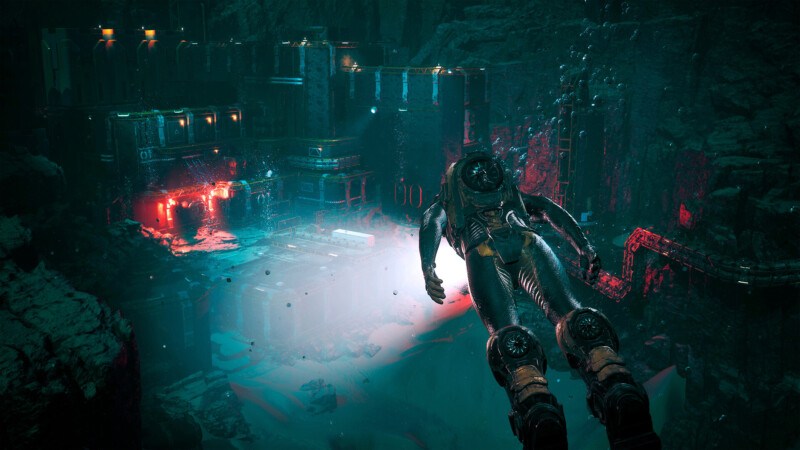
On the other hand, if you want the best narrative outcomes and a more immersive detective experience, you should actively resist corruption. This means analyzing more clues, exploring thoroughly, and avoiding shortcuts—even when they seem obvious.
The game subtly rewards patience. Players who take time to understand the environment and piece together clues are more likely to maintain lower corruption levels and unlock better endings.





Leave a Reply