

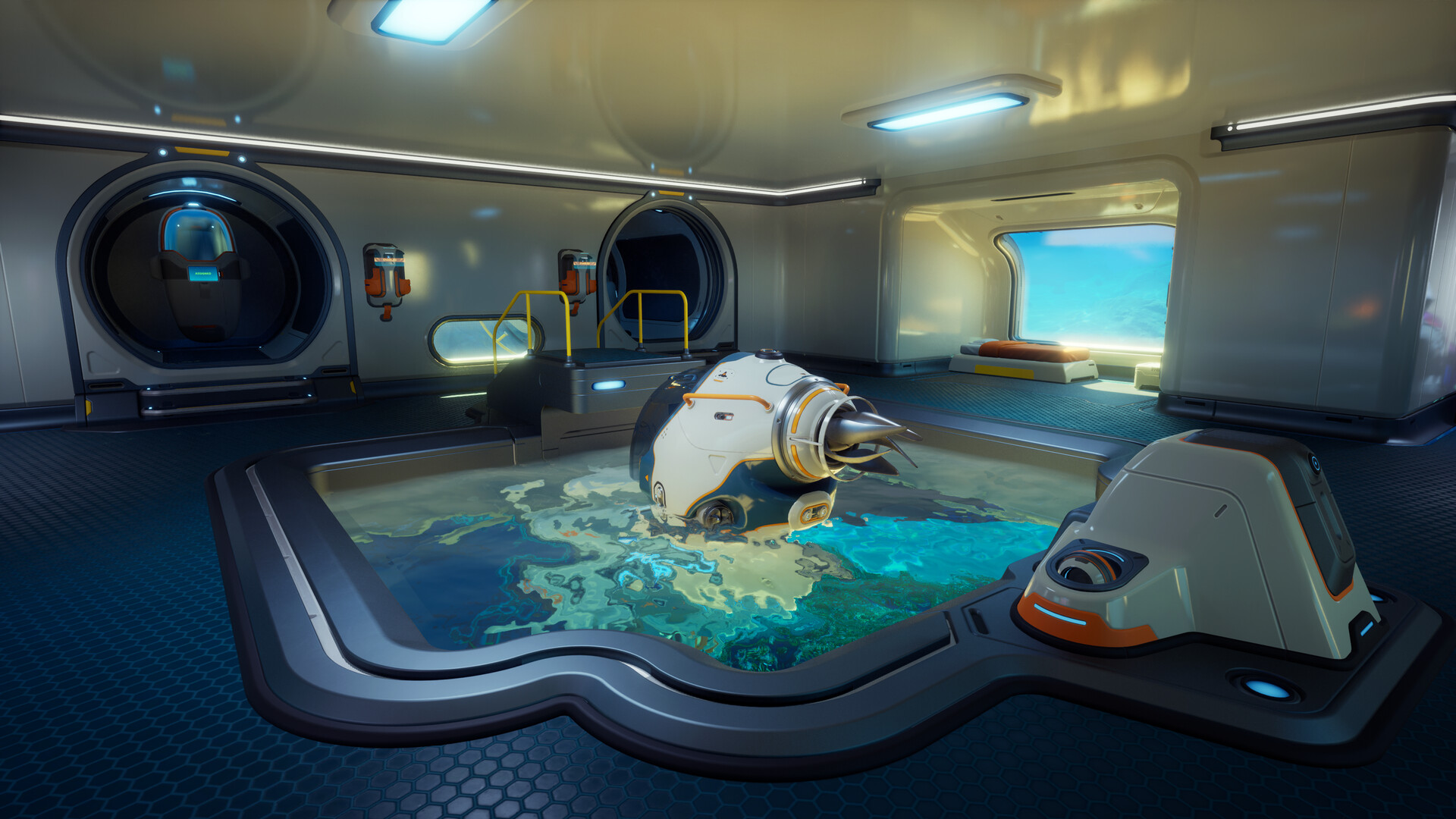
What to know
- The Bioreactor is one of the most reliable mid-to-late-game power sources in Subnautica 2.
- You must scan three Bioreactor fragments before you can craft it.
- Crafting requires Titanium Ingots and Copper Ingots processed at a Processing Center.
- The reactor uses Biofuel Blocks made from Fibrous Pulp or Pents to generate steady energy.
If your base in Subnautica 2 starts struggling to keep fabrication systems, lighting, and advanced machinery online, the Bioreactor quickly becomes one of the best upgrades you can unlock. While solar and hydro setups work well early on, deeper bases and heavy fabrication chains eventually demand a more stable energy source. The Bioreactor fills that role perfectly by converting organic materials into continuous power.
Here is everything currently known about unlocking, building, and using the Bioreactor efficiently.
Subnautica 2 Bioreactor uses explained
Early in Subnautica 2, you can usually survive with small solar networks or limited hydro generation. However, once you begin building larger habitats, fabrication systems, scanner rooms, charging stations, and deeper exploration outposts, power consumption increases dramatically.
| Feature | Details |
|---|---|
| Unlock Method | Scan 3 Bioreactor fragments |
| Fragment Regions | Wrecks and habitat ruins near the starting biome |
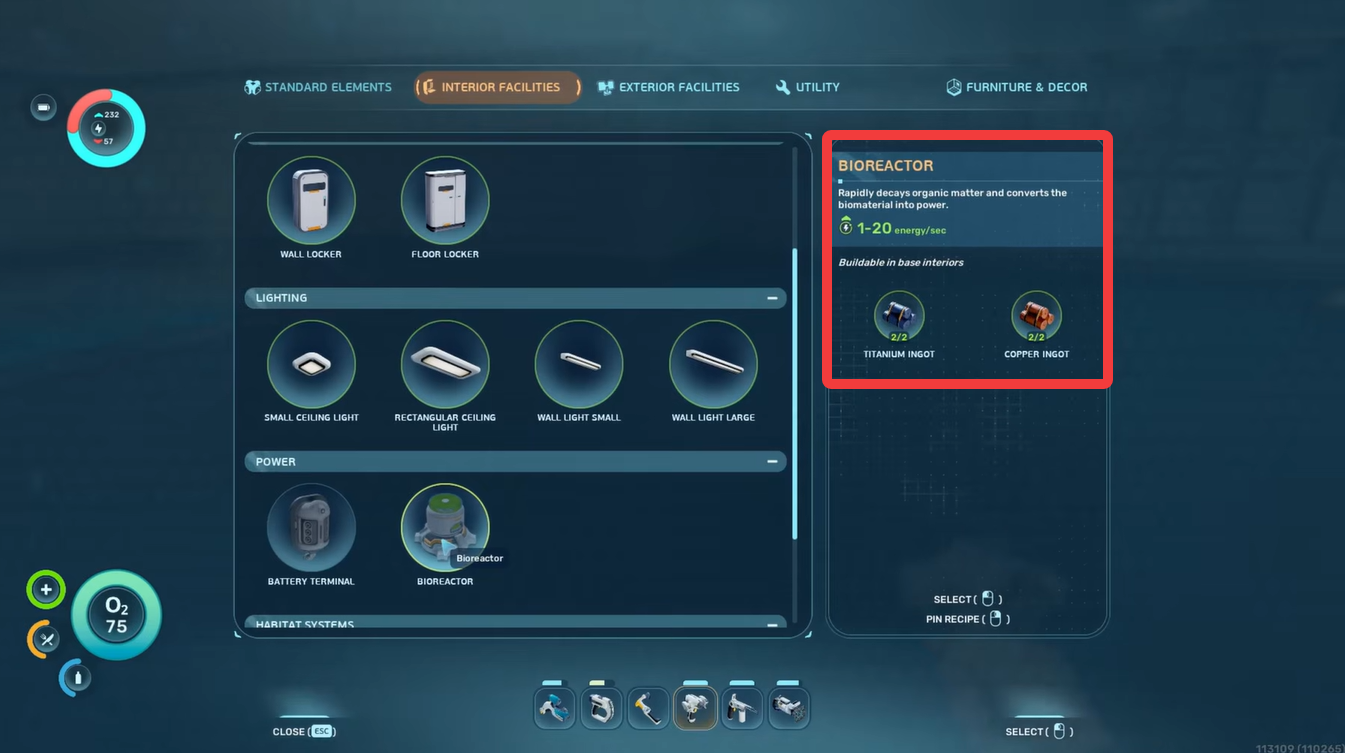
| Power Output | 1–20 energy/sec |
| Build Location | Base interiors |
| Main Fuel Type | Biofuel Blocks |
| Best Usage Stage | Mid and late game |
| Crafting Station Needed | Processing Center |
| Main Materials | Titanium Ingots, Copper Ingots |
The Bioreactor provides a much more dependable power supply because it continues generating energy regardless of depth, weather, or environmental conditions. This makes it especially useful for underwater bases located far below sunlight range.

Another major advantage is flexibility. Since the reactor runs on crafted biofuel, you are not tied to specific thermal vents or ideal solar placement. As long as you can gather organic materials, your base can remain powered.
Where to find all Bioreactor fragments
All three fragments are relatively accessible once you begin exploring away from the starting pod area. The fragments are spread across wreckage zones and abandoned habitat structures.
1 – The southeast habitat ruin contains the first fragment
The first Bioreactor fragment can be found roughly 250 meters southeast from your pod. As you travel outward, look for a tall tower-like structure extending downward into the terrain.
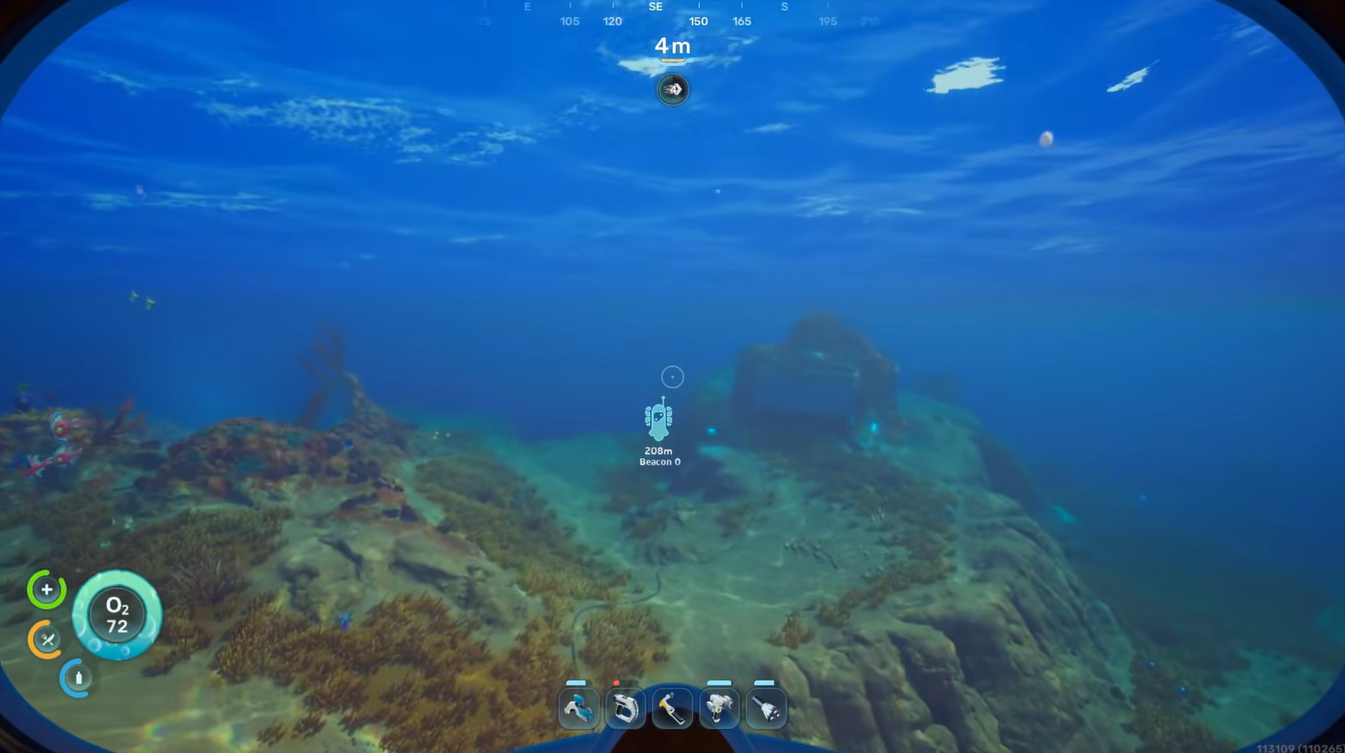
Inside the habitat opening connected to this structure, you will find the first fragment available for scanning. The area is relatively safe compared to deeper wreck zones, making it one of the easier fragments to obtain early.
2 – The northeast wreckage area holds fragment two
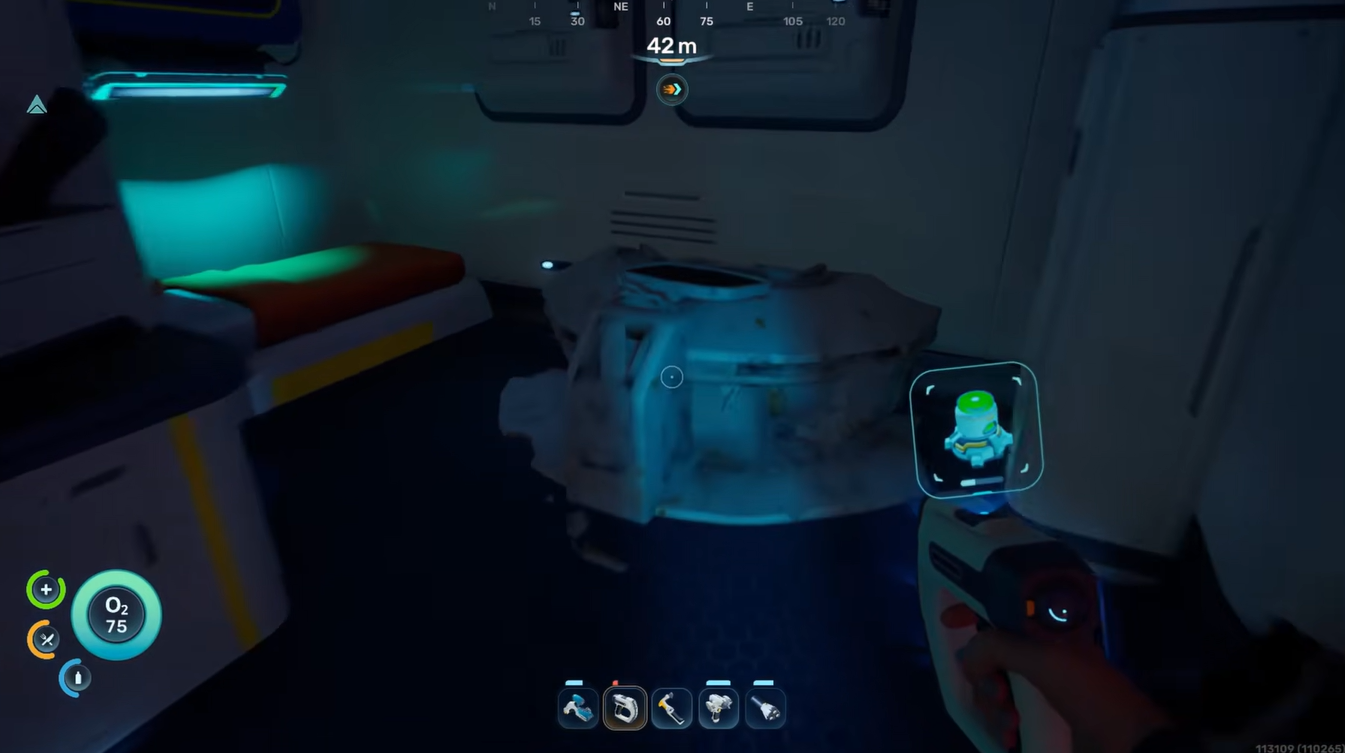
The second fragment sits near a wreckage site northeast of the dropship area. Travel on approximately a 75-degree bearing until you encounter a large cargo-style box near scattered ship debris.
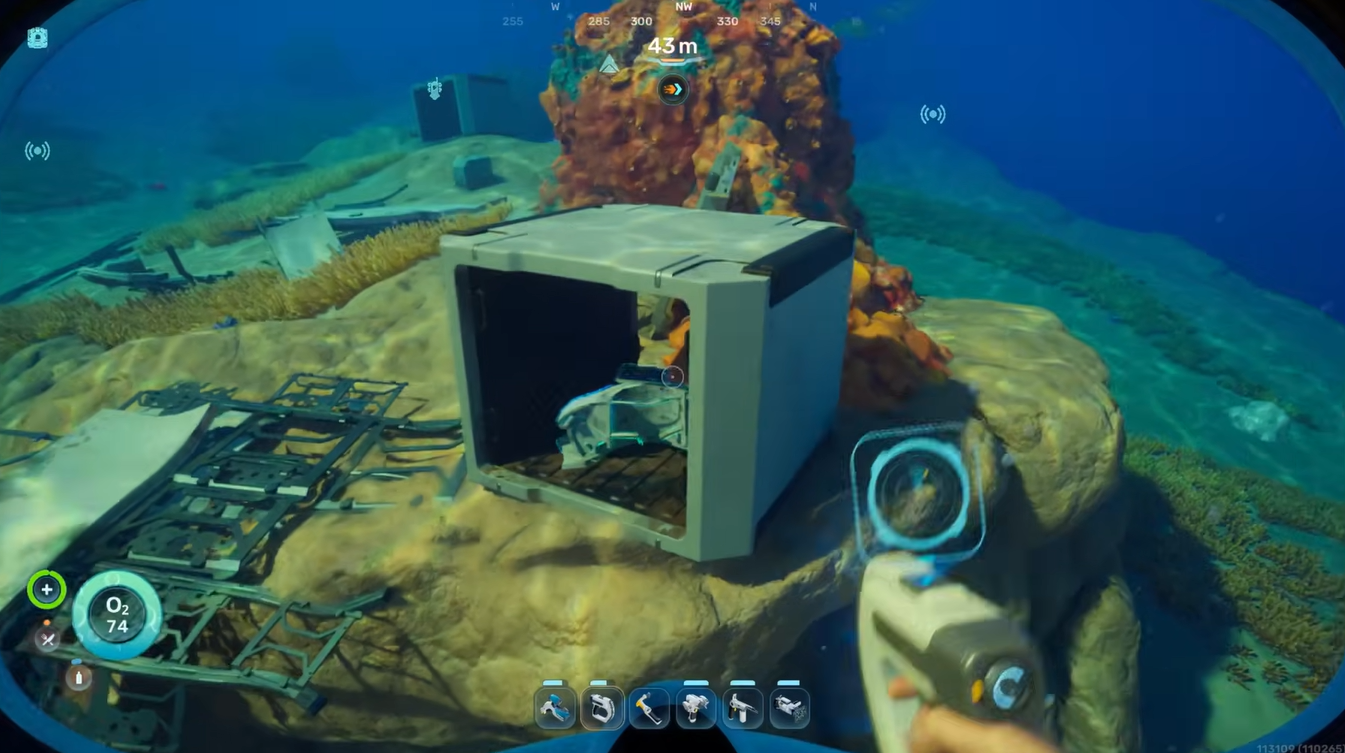
The fragment is positioned close to the wreck itself, making it fairly easy to identify once you locate the site. Bringing extra oxygen is recommended because some exploration around the debris field may require extended underwater time.
3 – The coral outcrop region contains the final scan
The third and final fragment is located northwest from the second wreckage area. Search around two rocky outcrops, particularly the formation featuring visible coral growth.
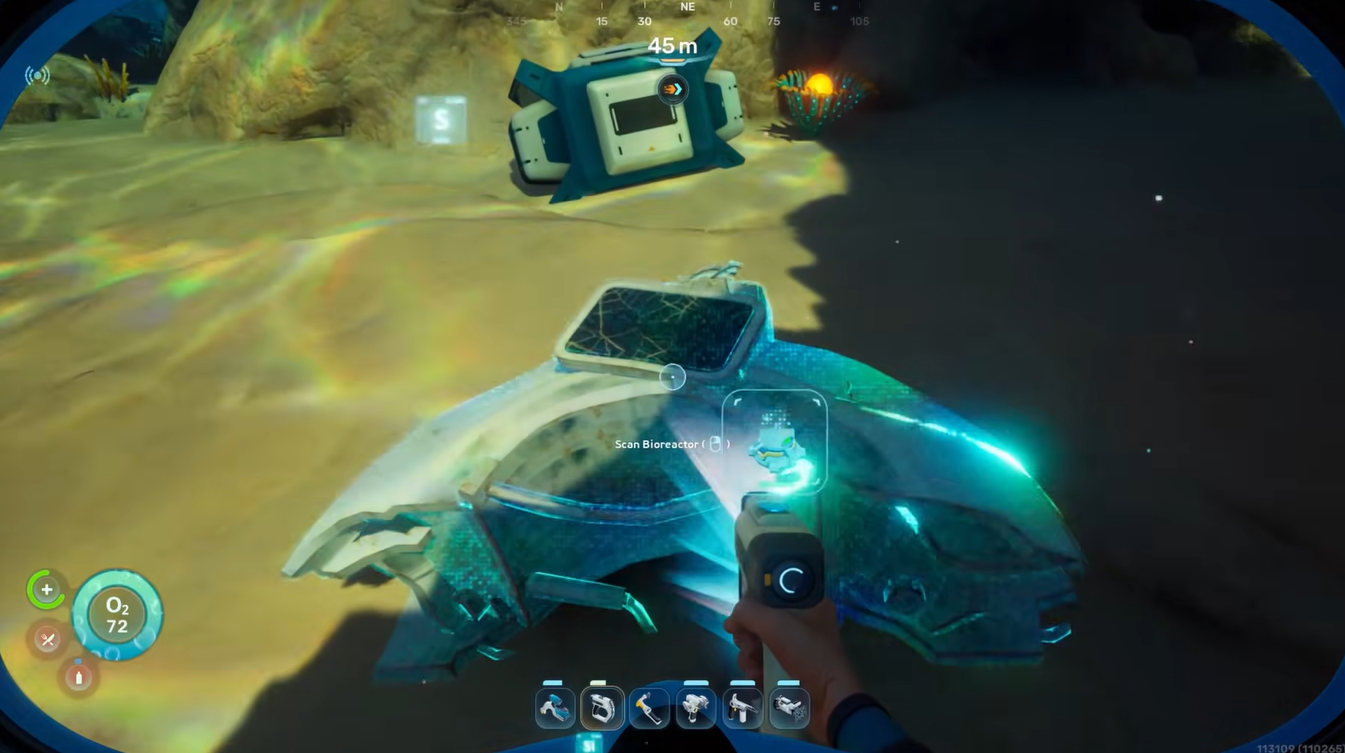
Unlike the earlier fragments, this one rests directly on the seafloor rather than inside a structure. Once scanned, the full Bioreactor blueprint becomes available in your build menu.
How to craft the Bioreactor after unlocking it
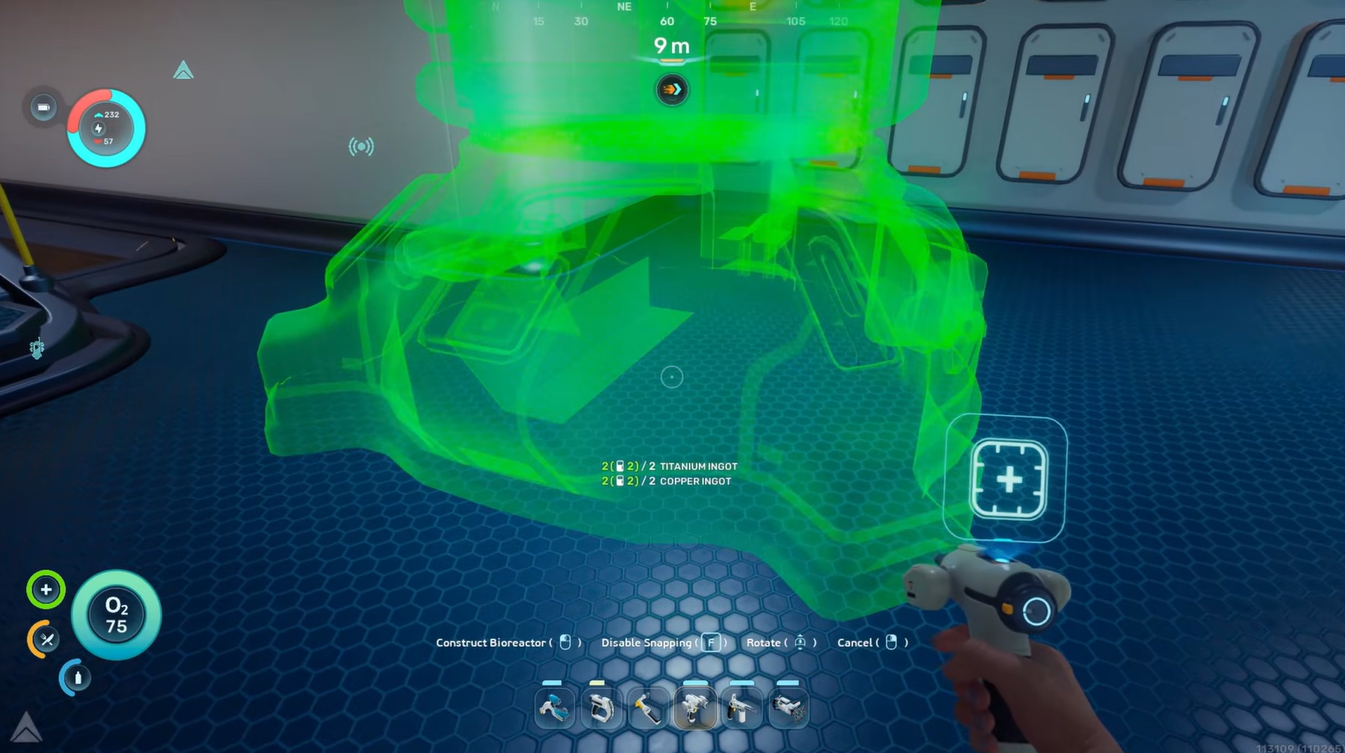
After completing all three scans, the Bioreactor appears under the Interior Facilities category in the Habitat Builder interface.
The construction requirements are straightforward but depend on ingot processing.
| Crafting Material | Amount |
|---|---|
| Titanium Ingot | 2 |
| Copper Ingot | 2 |
You cannot create these ingots manually in basic fabrication systems. Instead, you must use a Processing Center to refine the raw resources into ingots before construction becomes possible.
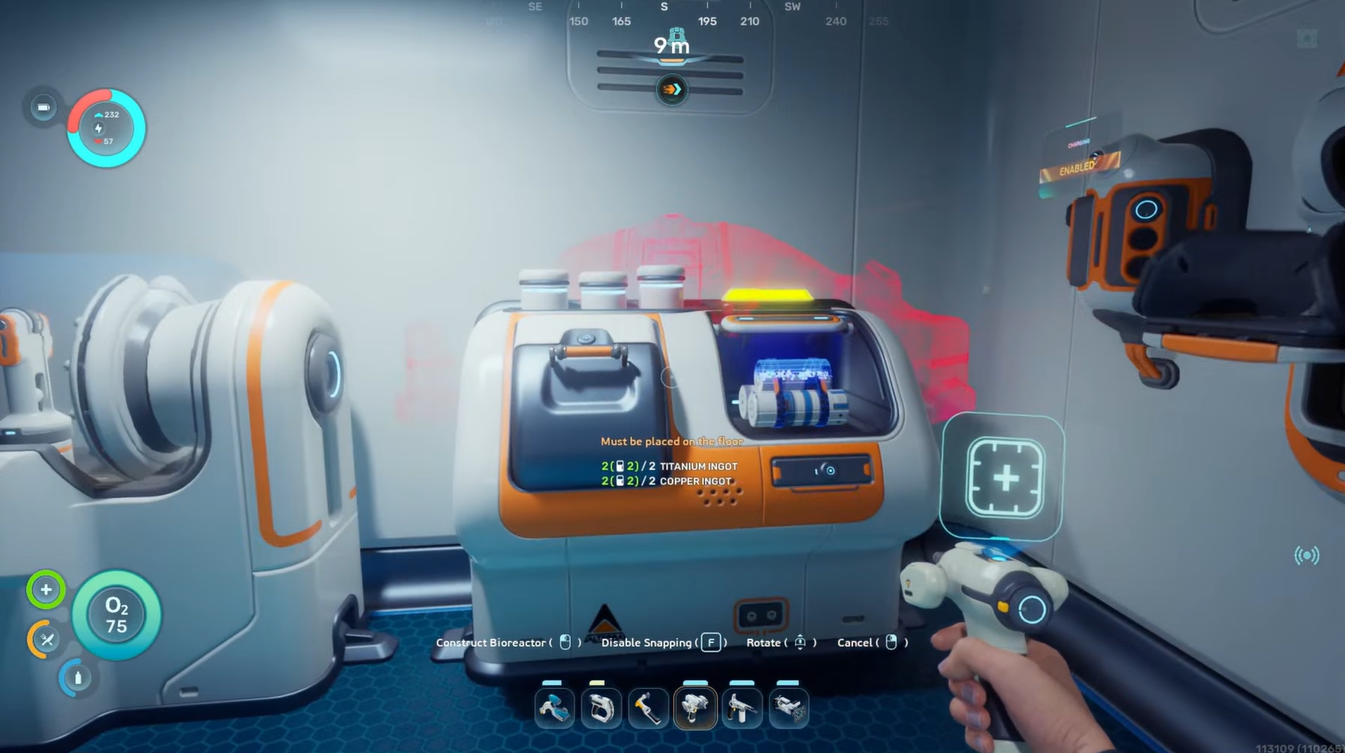
How Biofuel Blocks work in Subnautica 2
The Bioreactor itself does not generate energy automatically. Instead, it consumes Biofuel Blocks created through organic processing.
Currently, two major Biofuel Block recipes are commonly used.
| Fuel Type | Materials Required | Processing Time | Best Usage |
|---|---|---|---|
| Fibrous Pulp Biofuel Block | 5 Fibrous Pulp | 2 Minutes | Early and mid game |
| Pent Biofuel Block | 3 Pents | 2 Minutes | Mid and late game |
Fibrous Pulp is usually the easier early-game fuel source because organic flora are abundant around starter regions. Meanwhile, Pent-based fuel becomes useful once you have better gathering routes and automated farming systems.
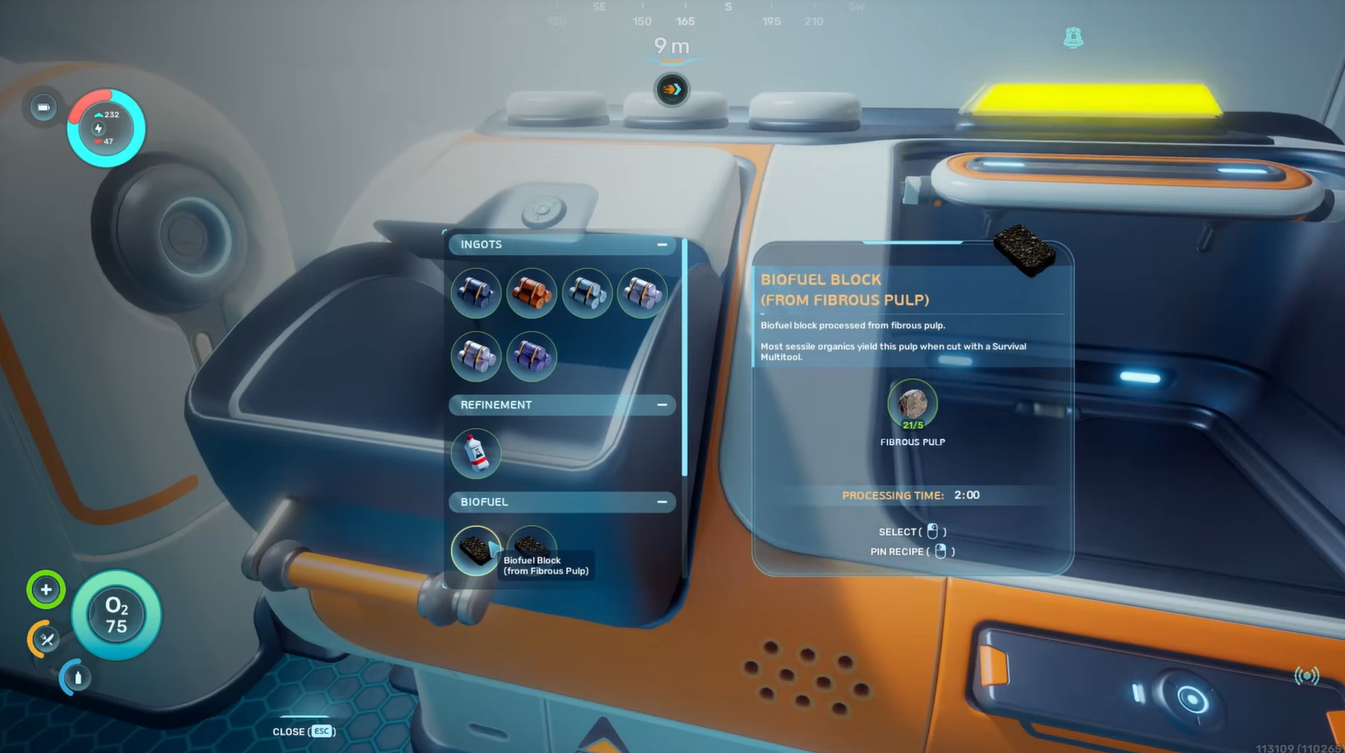
Once inserted into the Bioreactor, these fuel blocks slowly decay and convert into usable energy for your habitat.
When the Bioreactor becomes worth building
Technically, you can continue relying on solar power for a large portion of the early game. However, the Bioreactor becomes increasingly valuable once your base starts supporting advanced systems simultaneously.
You will notice the biggest improvement when using:
- Multiple fabricators
- Scanner systems
- Vehicle charging stations
- Large interior lighting setups
- Farming modules
- Advanced machinery
Late-game underwater bases benefit the most because the reactor provides uninterrupted energy regardless of environmental conditions.
Building a sustainable late-game power network
| Benefit | Why It Matters |
|---|---|
| Stable Power Generation | Works continuously with fuel |
| Flexible Placement | Functions in deep-water bases |
| Reliable Late-Game Energy | Handles large power demand |
| Renewable Fuel Sources | Organic materials are common |
| Strong Base Support | Ideal for fabrication-heavy setups |
The Bioreactor is easily one of the most important infrastructure upgrades in Subnautica 2 once you begin expanding beyond starter survival gameplay. While it may not completely replace every other power source, its reliability makes it essential for deeper and more advanced base construction.
By collecting all three fragments early, setting up a Processing Center, and maintaining a steady supply of Biofuel Blocks, you can keep even massive underwater facilities running smoothly throughout the late game.





Leave a Reply