

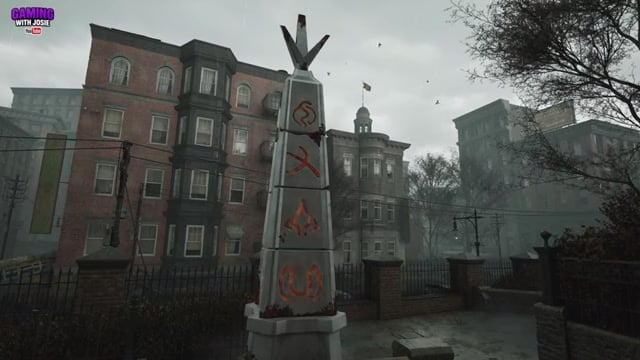
The Wireless Room brain puzzle in The Sinking City 2 is one of the game’s more unusual environmental puzzles. Rather than simply searching for a combination written somewhere nearby, you need to inspect the clues provided by the brains in the room and work out how their statements relate to one another. The solution is straightforward once you identify the intended mathematical steps, but the wording can make the puzzle seem more complicated than it really is.
The Sinking City 2 launched on August 18, 2026, and its puzzle design reflects the game’s shift toward a more focused survival-horror structure while retaining Frogwares’ investigative roots. The game combines exploration, environmental clues and puzzle-solving with combat and resource management.
Wireless Room puzzle solution at a glance
| Puzzle element | Solution |
|---|---|
| First number | 13 |
| Second number | 5 |
| Third number | 36 |
| Complete code | 13 – 5 – 36 |
| Reward | Dream Essence |
| Puzzle type | Brain clue / number deduction |
The important thing to remember is that the three numbers are not independent. The first clue gives you the starting number, while the second and third clues use that number to produce the remaining values.
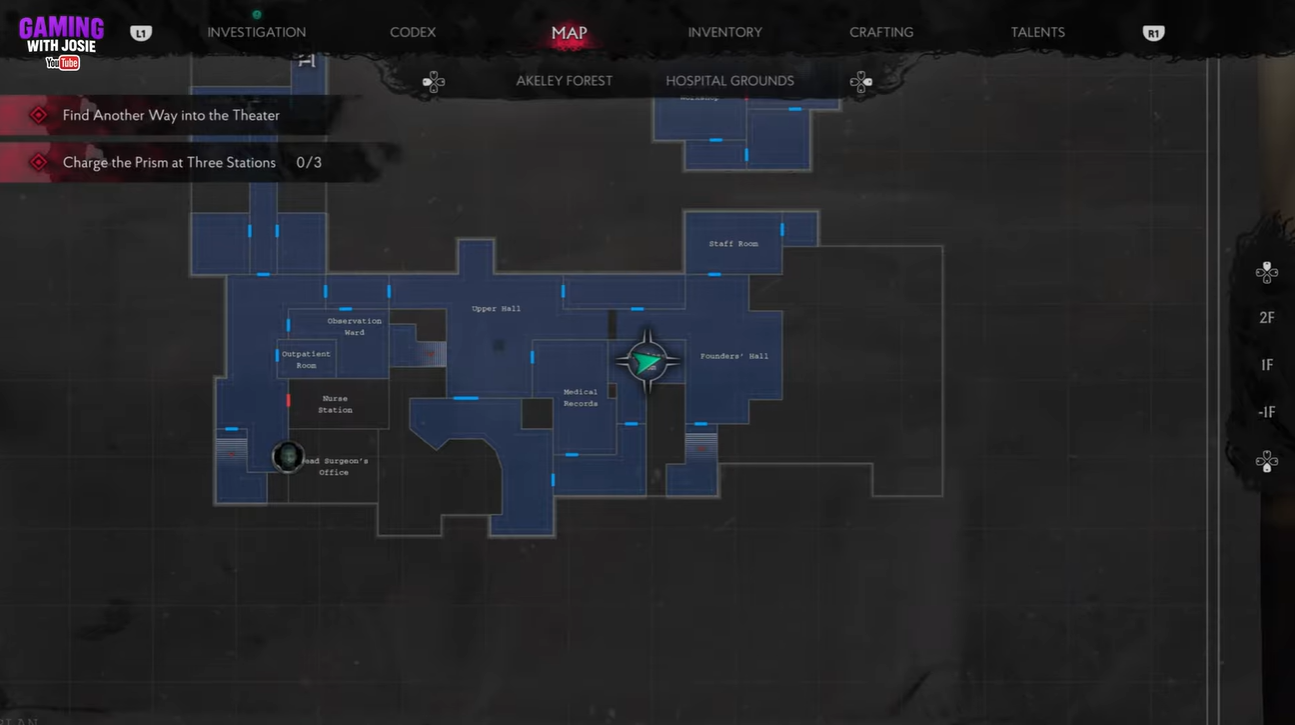
How to solve the Wireless Room brain puzzle in Sinking City 2
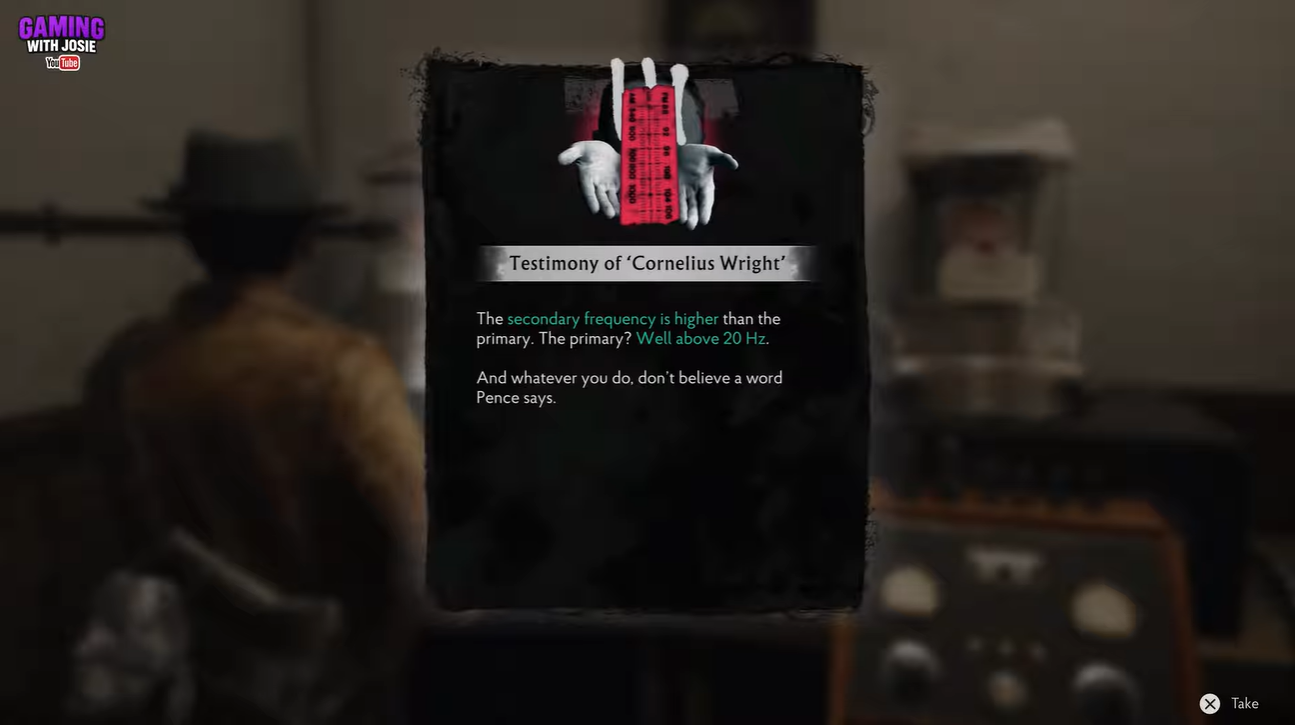
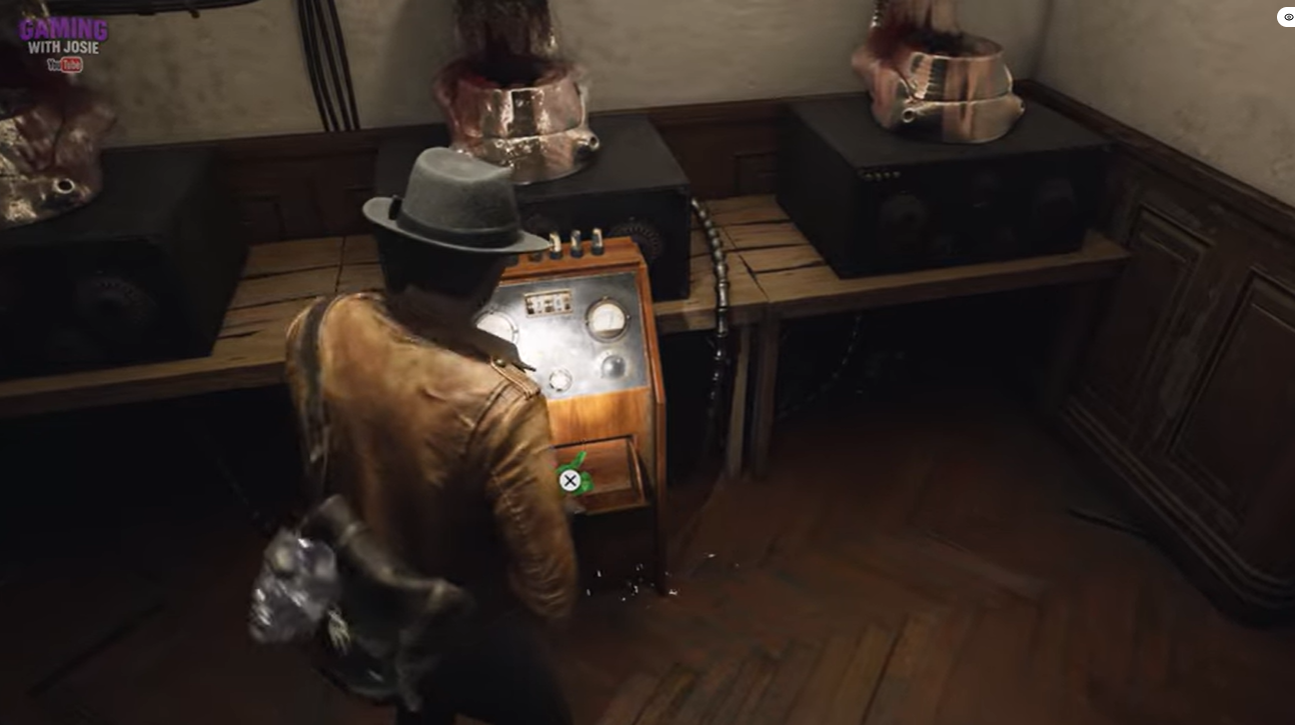
When you enter the Wireless Room, examine the brains and interact with the available clues. Each brain contributes information that helps establish one part of the final combination. You do not need to guess the numbers or try every possible combination. Instead, follow the clues in sequence.
How to find the first number: 13
The first clue asks you to identify a number between 10 and 20 that is associated with bad luck, particularly on Fridays.
That clue points to 13.
The number 13 is traditionally associated with bad luck, while Friday the 13th is especially well known for its unlucky reputation. Since the clue specifies a number between 10 and 20, 13 is the intended answer.
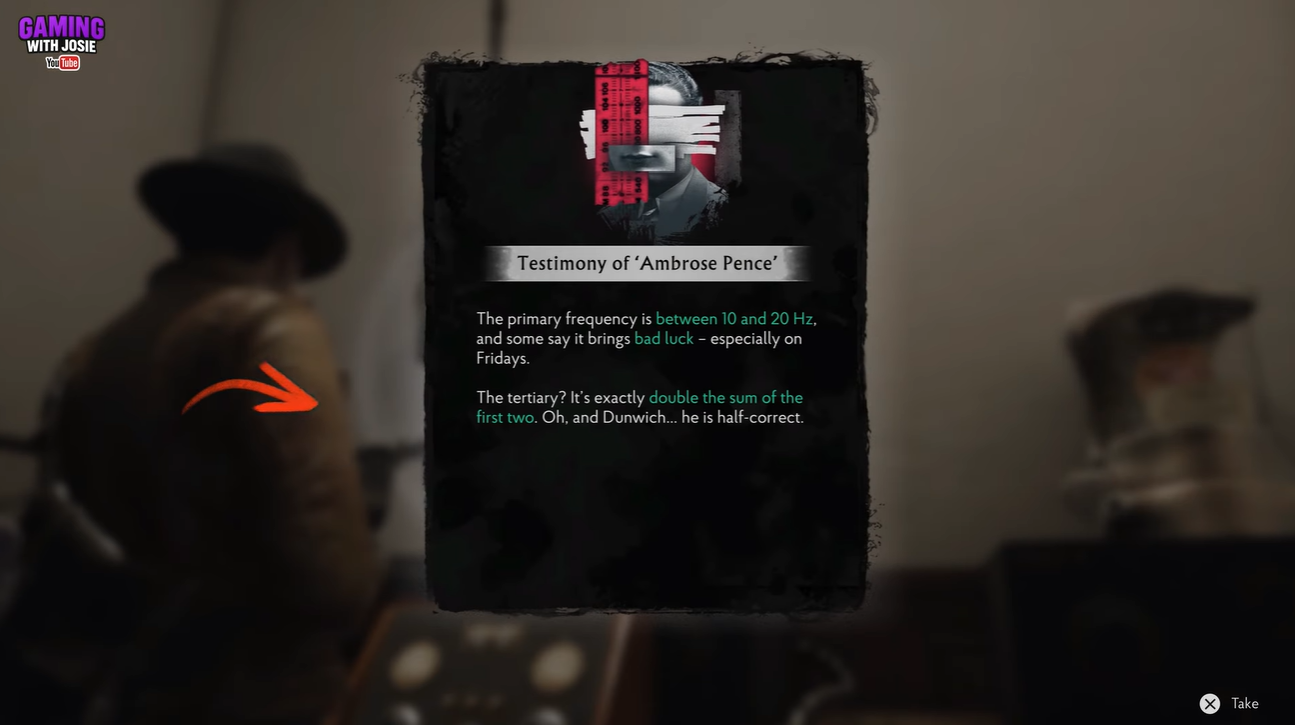
So, your first number is:
13
This is the key starting point for the rest of the puzzle because the next clue uses the first number as part of its calculation.
How to find the second number: 5
The second clue builds directly on the first answer. Once you have established that the first number is 13, you need to round it to the nearest 10.
Rounding 13 to the nearest multiple of 10 gives you 10.
The clue then tells you to divide that rounded value by two.
10 ÷ 2 = 5
That gives you the second number.
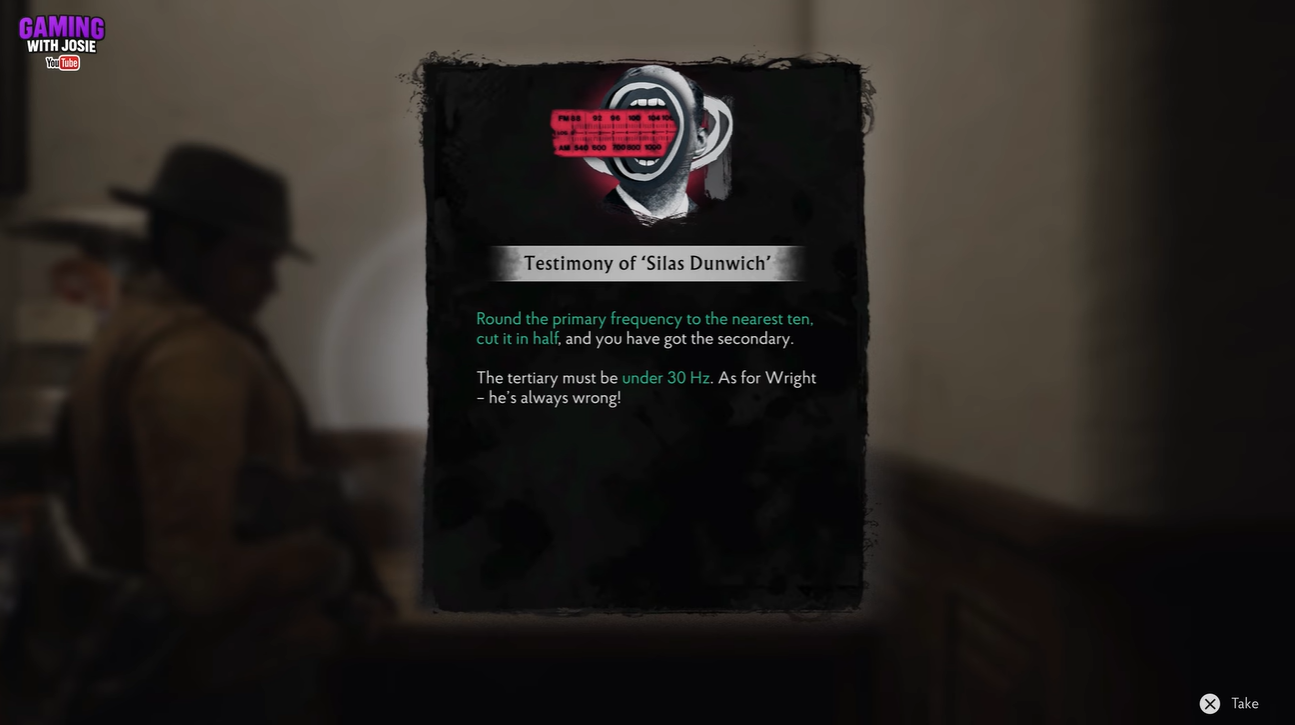
The second number is 5.
This is an important distinction because you should not divide 13 directly by two. The clue specifically requires you to round the first number first, producing 10, and only then perform the division.
How to find the third number: 36
The final brain clue combines the first two answers.
Start with the two numbers you have already discovered:
13 + 5 = 18
The clue then tells you to double that total.
18 × 2 = 36
Therefore, the third number is 36.
At this point, all three parts of the Wireless Room combination have been established.
How to enter the complete solution
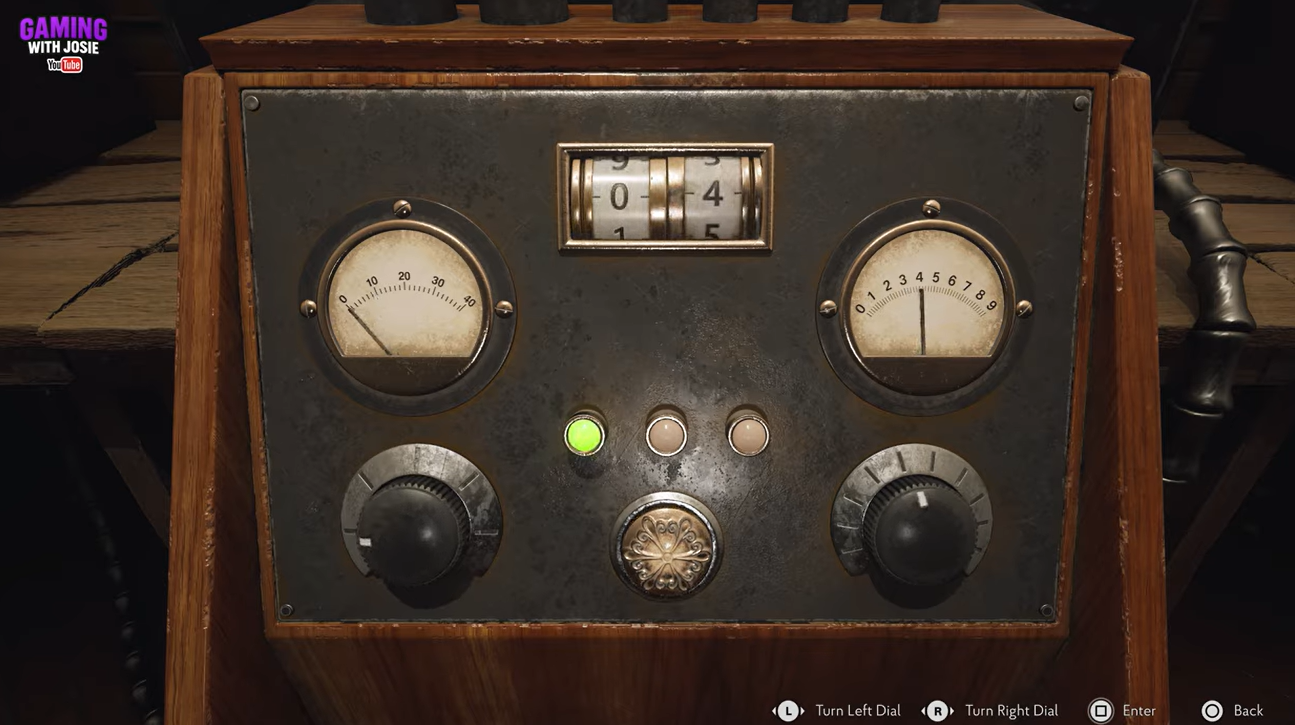
The three numbers should be entered in the same order in which the clues establish them.
13 → 5 → 36
In other words, the complete Wireless Room solution is:
13-5-36
You can use this combination to complete the brain puzzle without needing to experiment with alternative numbers.
How the three clues connect
The easiest way to understand the puzzle is to treat it as a chain of calculations rather than three separate riddles.
| Stage | Clue or calculation | Result |
|---|---|---|
| First brain | Unlucky number between 10 and 20, especially associated with Friday | 13 |
| Second brain | Round 13 to the nearest 10, then divide by 2 | 5 |
| Third brain | Add 13 + 5, then double the result | 36 |
| Final input | Enter the three answers in order | 13-5-36 |
The puzzle therefore becomes much easier once you recognize that each answer either establishes or reuses information from the previous clue. If you find yourself trying to interpret the brains independently, you may miss the connection between the three stages.
How to claim the Wireless Room reward
After you enter the correct sequence, the puzzle is completed and the brains provide Dream Essence as the reward. Dream Essence is a meaningful resource in The Sinking City 2 because it is connected to the game’s Talent progression system. Official edition information also identifies Dream Essence as an item used for learning Talents, including three Dream Essence supplied with the Arkham Field Kit in the Deluxe and Premium editions.
| Reward | Purpose |
|---|---|
| Dream Essence | Used toward Talent progression |
The Wireless Room puzzle is therefore worth completing even if you are primarily focused on progressing through the story. Exploration in The Sinking City 2 can uncover supplies, safer routes and upgrades, with optional investigative content designed to reward players who spend time searching beyond the most direct route.
Why the Wireless Room puzzle can be confusing
The main source of confusion is the second clue. If you immediately divide 13 by two, you get 6.5, which clearly does not produce the game’s intended whole-number solution. The clue instead asks you to round the first number before dividing it.
The third clue similarly depends on retaining the original first number. You need to calculate 13 + 5 rather than using the rounded value of 10. That gives 18, which becomes 36 when doubled.
So, there are two important details to keep in mind: round 13 only for the second calculation, and return to the original 13 when calculating the third number.
Video help:






Leave a Reply