

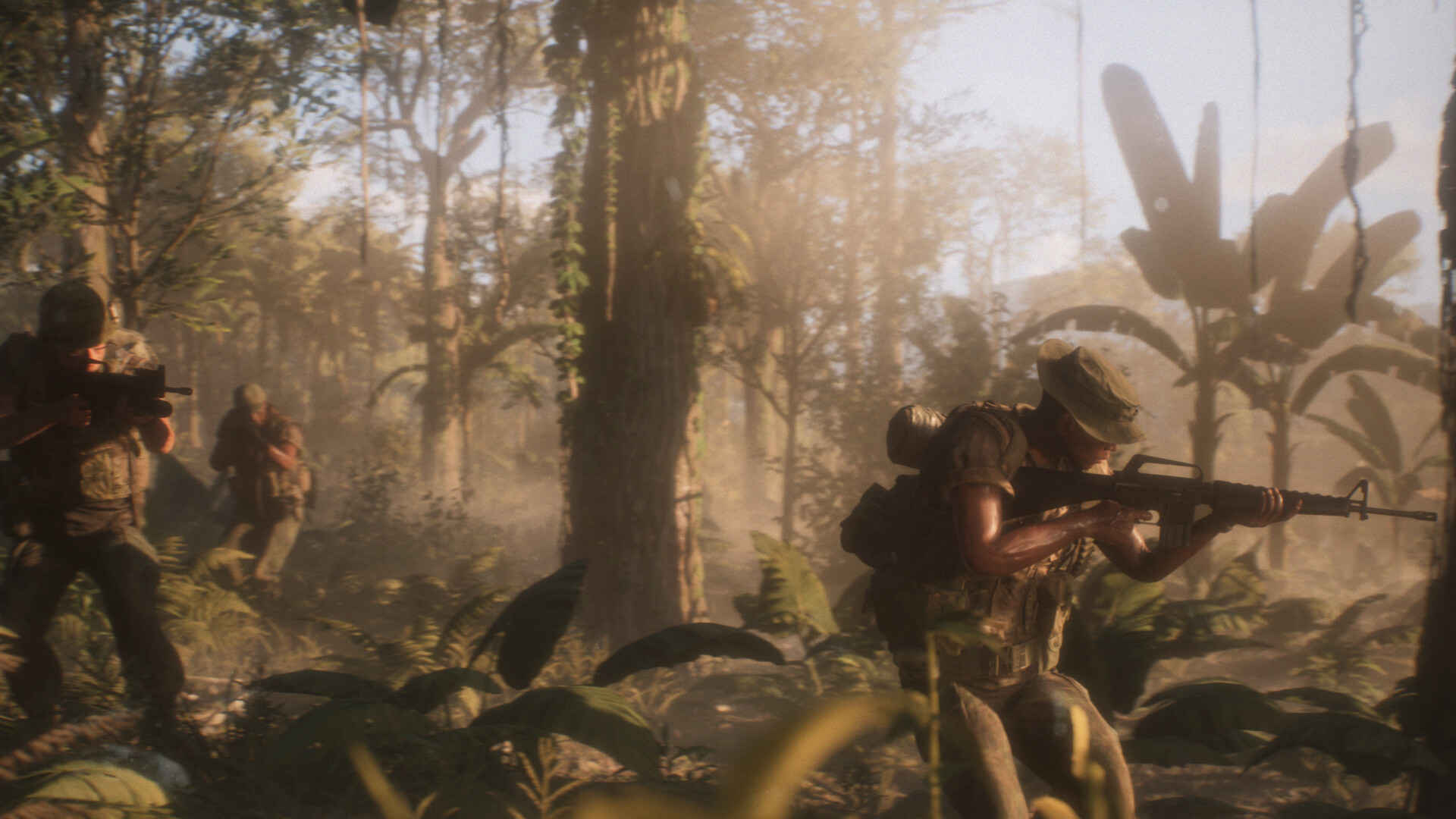
Hell Let Loose: Vietnam brings the series into the Vietnam War with a six-map launch lineup designed to make the battlefield feel substantially different from the World War II maps of the original game. Instead of relying exclusively on dense jungle, the developers have built battlefields around rivers, airfields, ports, farmland, coastal areas and urban outskirts. The result is a map pool intended to support the game’s new helicopters, tunnels, patrol boats and asymmetric US-versus-NVA gameplay.
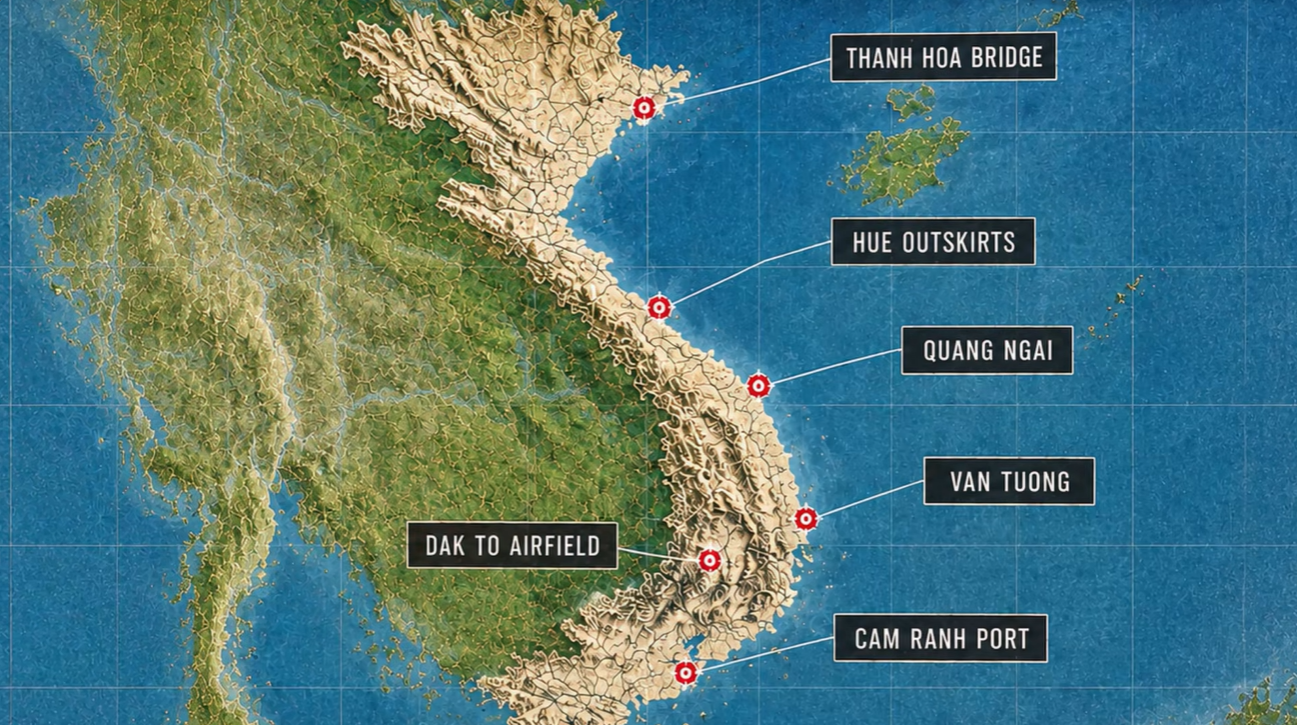
Hell Let Loose: Vietnam all maps
| Map | Main environment | Historical setting | What makes it different |
|---|---|---|---|
| Thanh Hóa Bridge | River, bridge, jungle | Operation Rolling Thunder | Major river crossing and bridge combat |
| Dak To Airfield | Highlands, jungle, airfield | Battle of Đắk Tô | Ridgelines, jungle approaches and open airfield |
| Van Tuong | Coastal and rural terrain | Operation Starlite | Large-scale combined-arms fighting |
| Quang Ngai | Jungle, farmland and fog | Quảng Ngãi region | Limited visibility and varied terrain |
| Cam Ranh Port | Port, docks and industrial areas | Cam Ranh setting | Industrial and waterfront combat |
| Hue Outskirts | Urban outskirts and surrounding terrain | Huế region | More developed areas mixed with open approaches |
#1 Thanh Hoa Bridge
Thanh Hóa Bridge is one of the most recognizable launch maps because it was the battlefield shown during the game’s open beta. It is built around the strategic importance of a major bridge and the surrounding river network.
The map creates a different tactical problem from a conventional infantry battlefield. Controlling crossing points becomes extremely important, while helicopters and patrol boats give both sides additional ways to move around the battlefield. The bridge itself can become a natural focal point for intense fighting, while the surrounding terrain provides opportunities to approach from less obvious directions.
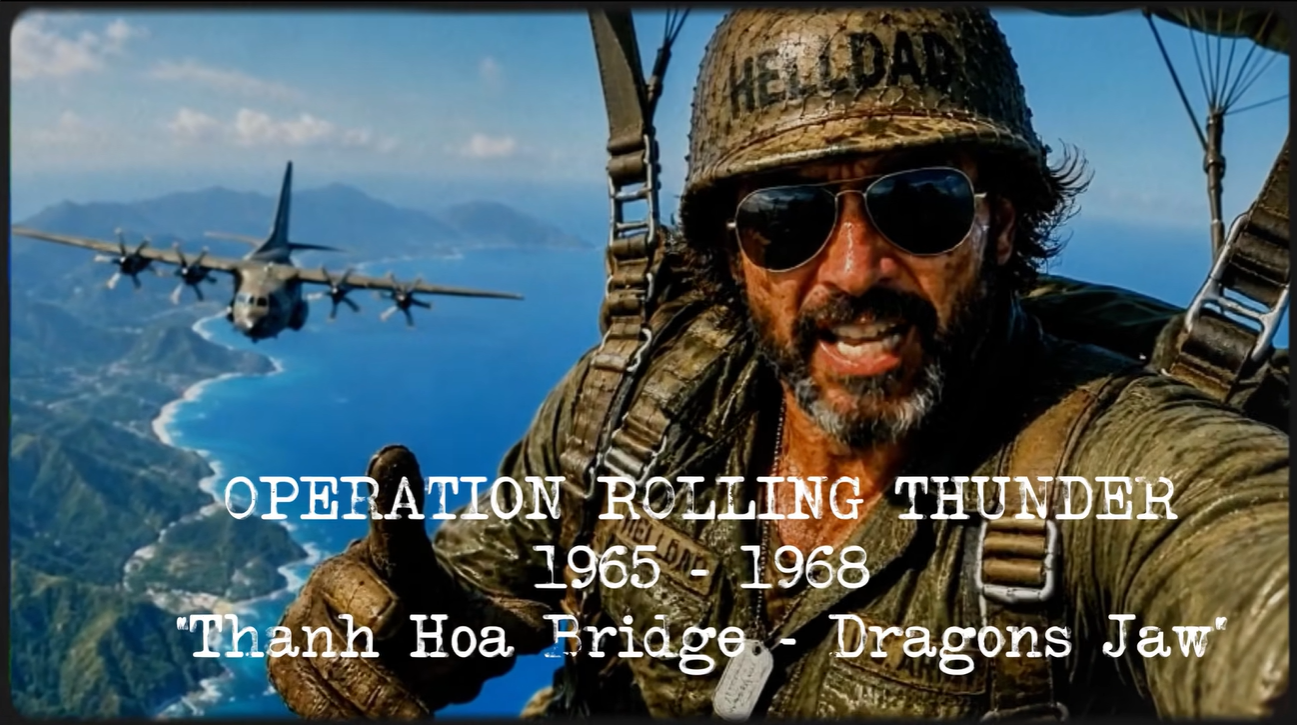
The map is based around the Thanh Hóa area of North Vietnam and draws from the historical Operation Rolling Thunder period. The official game material also highlights the importance of river networks throughout Vietnam’s battlefields.
#3 Dak To Airfield
Dak To Airfield moves the action into Vietnam’s Central Highlands. The map combines dense vegetation, elevated terrain and an exposed airfield, producing a battlefield where visibility can change dramatically depending on your position.
The airfield gives infantry and vehicles comparatively open ground to contest, while the surrounding ridges and jungle can provide concealment and overwatch positions. That combination makes reconnaissance especially valuable because controlling elevated terrain can help squads identify enemy movements before they reach the more vulnerable open areas.
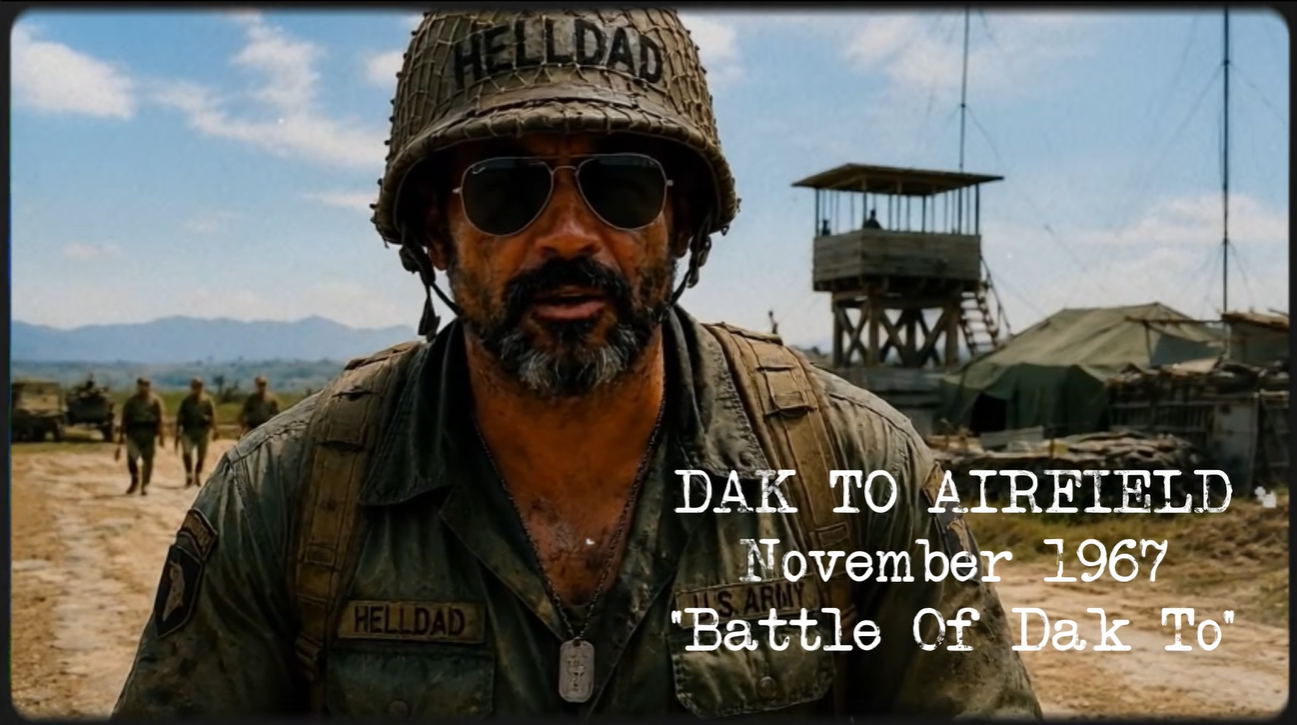
The map is associated with the Battle of Đắk Tô, fought in the Central Highlands in 1967. It is also one of the maps represented by a dedicated achievement requiring players to win three matches there.
#3 Van Tuong
Van Tuong is connected to Operation Starlite, one of the major historical operations used as inspiration for Hell Let Loose: Vietnam. The map provides a broader battlefield experience than simply fighting through one jungle corridor, giving infantry, vehicles and aircraft room to contribute to the battle.
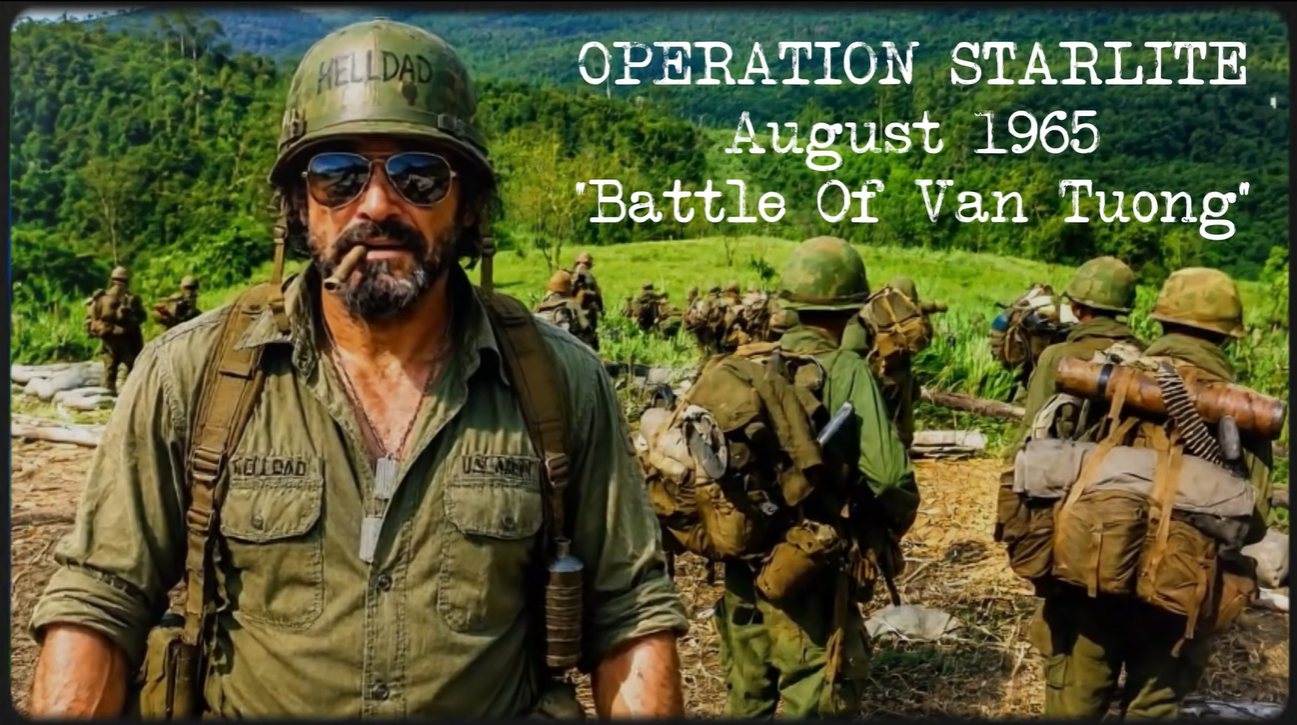
Its historical connection is reinforced by the game’s achievement system: winning three matches on Vạn Tường unlocks the “Operation Starlite” achievement.
Van Tuong also demonstrates the developers’ approach to map design. The Vietnam maps are not intended to be perfect one-to-one recreations of historical locations. Instead, they use real places and operations as foundations while adapting terrain and objectives for large-scale multiplayer gameplay.
#4 Quang Ngai
Quang Ngai adds another layer to the launch map pool by emphasizing limited visibility and grounded fog. The developers have specifically mentioned Quảng Ngãi when discussing the variety of environments available at launch.
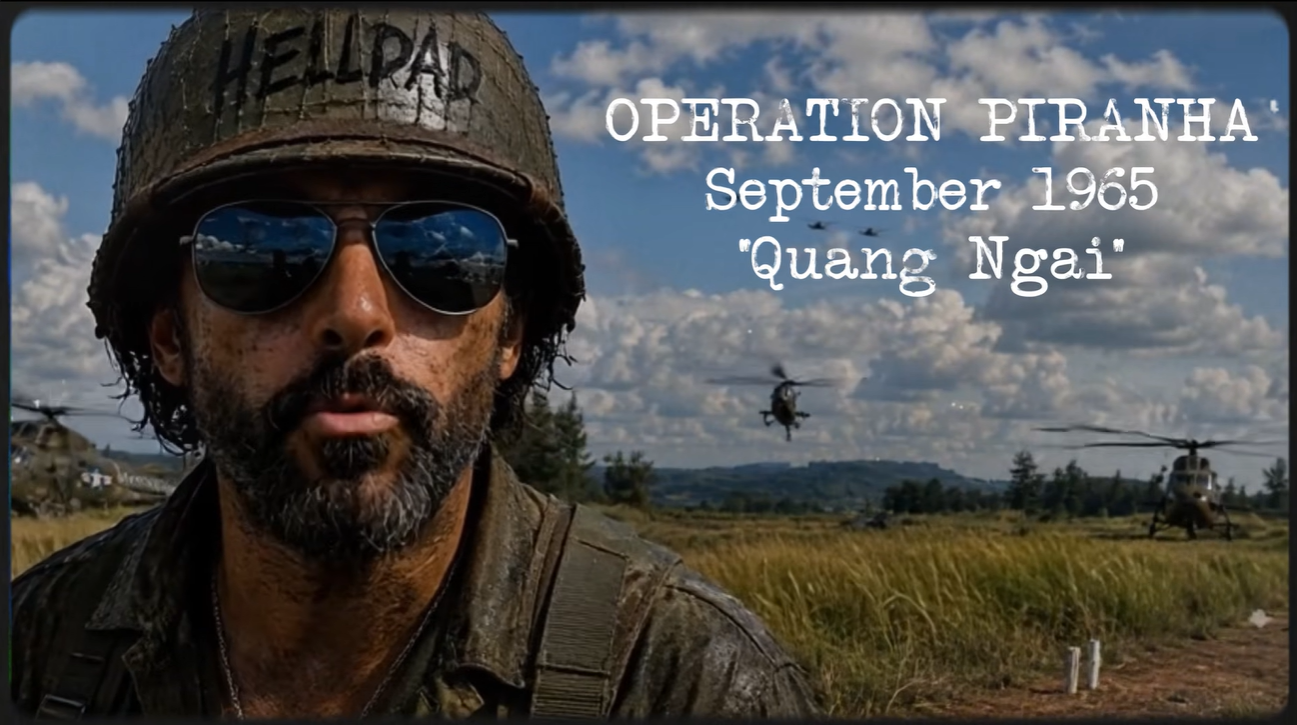
That makes the map particularly interesting for players who prefer close-range engagements and careful movement. When visibility is restricted, simply having a powerful weapon or vehicle is not enough. Squads need to communicate enemy positions, watch likely routes and avoid exposing themselves unnecessarily.
The map also helps demonstrate why Hell Let Loose: Vietnam is not simply a jungle reskin of the original game. The developers have deliberately tried to give each battlefield its own environmental identity.
#5 Cam Ranh Port
Cam Ranh Port shifts the focus toward docks, industrial spaces and coastal terrain. It is one of the launch maps that demonstrates the wider range of environments the developers wanted for Vietnam.
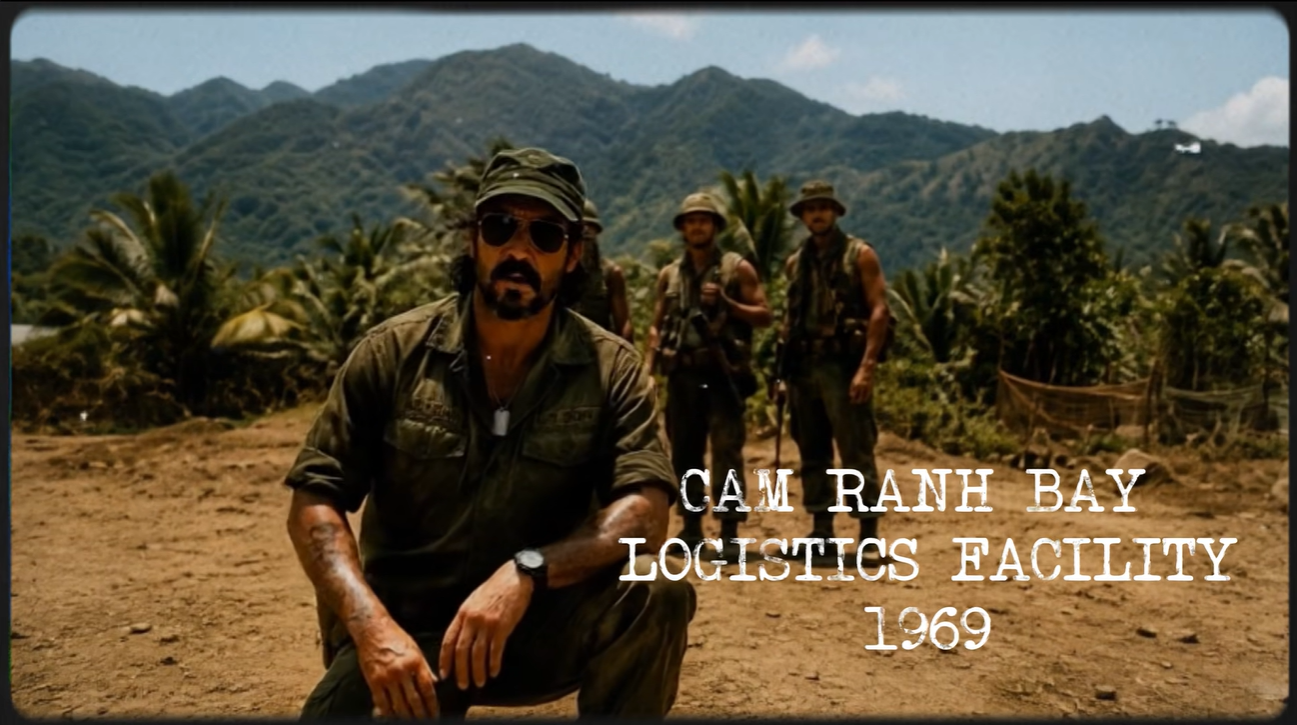
Instead of moving primarily through vegetation, players can expect battles around developed areas where buildings, infrastructure and waterfront approaches affect movement. That creates opportunities for different weapons and roles to become valuable depending on whether your squad is attacking an exposed area, defending an industrial position or attempting to move around the flank.
The map is also represented by the “Re-Port for Duty” achievement, which requires three victories on Cam Ranh Port.
#6 Hue Outskirts
Hue Outskirts is particularly notable because it provides a setting around the outskirts of one of Vietnam’s most important cities. The developers have described launch environments that include urban areas and industrial interiors, helping the game move beyond the expectation that every Vietnam map will consist of dense jungle.
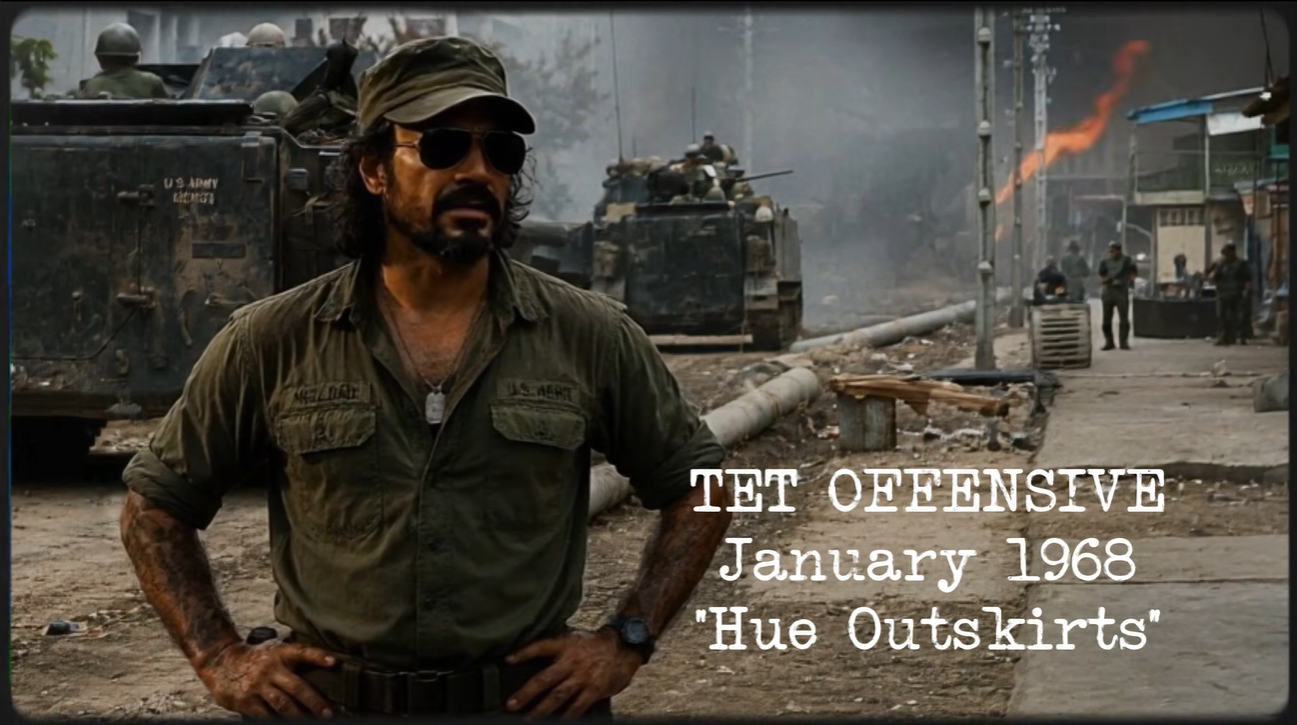
The “No Quarter Near Hue” achievement requires three victories on Huế Outskirts, confirming the map’s inclusion in the launch lineup.
Its position in the map roster is important because it introduces a different visual and tactical identity. Players who prefer fighting around structures and developed areas should find more opportunities here than on the game’s heavily vegetated battlefields.
How the six maps fit together
The biggest strength of the launch lineup is the environmental variety. The developers have deliberately avoided making all six maps feel like variations of the same jungle battlefield. Official information describes launch environments ranging from river systems and farmland to airfields, urban areas and coastal locations.
That variety also matters because Hell Let Loose: Vietnam introduces mechanics that interact differently with each environment. Helicopters can rapidly move troops across large areas, while NVA tunnel systems can create unexpected reinforcement routes. Patrol boats become particularly relevant around waterways, while conventional infantry and armour remain important across virtually every battlefield.
| Map | Terrain identity | Major tactical consideration |
|---|---|---|
| Thanh Hóa Bridge | River and jungle | Crossing and controlling waterways |
| Đắk Tô Airfield | Highlands and airfield | Elevation versus exposed ground |
| Vạn Tường | Rural and coastal | Large-scale combined-arms movement |
| Quảng Ngãi | Jungle and fog | Visibility and close engagements |
| Cam Ranh Port | Docks and industry | Waterfront and built-up combat |
| Huế Outskirts | Urban outskirts | Fighting around developed terrain |
How the map roster is expected to expand
The six launch maps are only the beginning of the Vietnam game’s planned content. The developers have already stated that additional maps, weapons, vehicles and uniforms are part of the post-launch plans. The long-term roadmap is intended to expand the experience rather than leave players with the initial six battlefields permanently.
The developers are also exploring environmental changes for future content, including more meaningful weather conditions, different water levels and vegetation variations. Rain and monsoon conditions, for example, could eventually affect visibility and movement rather than simply changing the appearance of a battlefield.
This is particularly interesting for the map system because a familiar battlefield could potentially play differently when vegetation density, water levels or weather conditions change.




Leave a Reply