
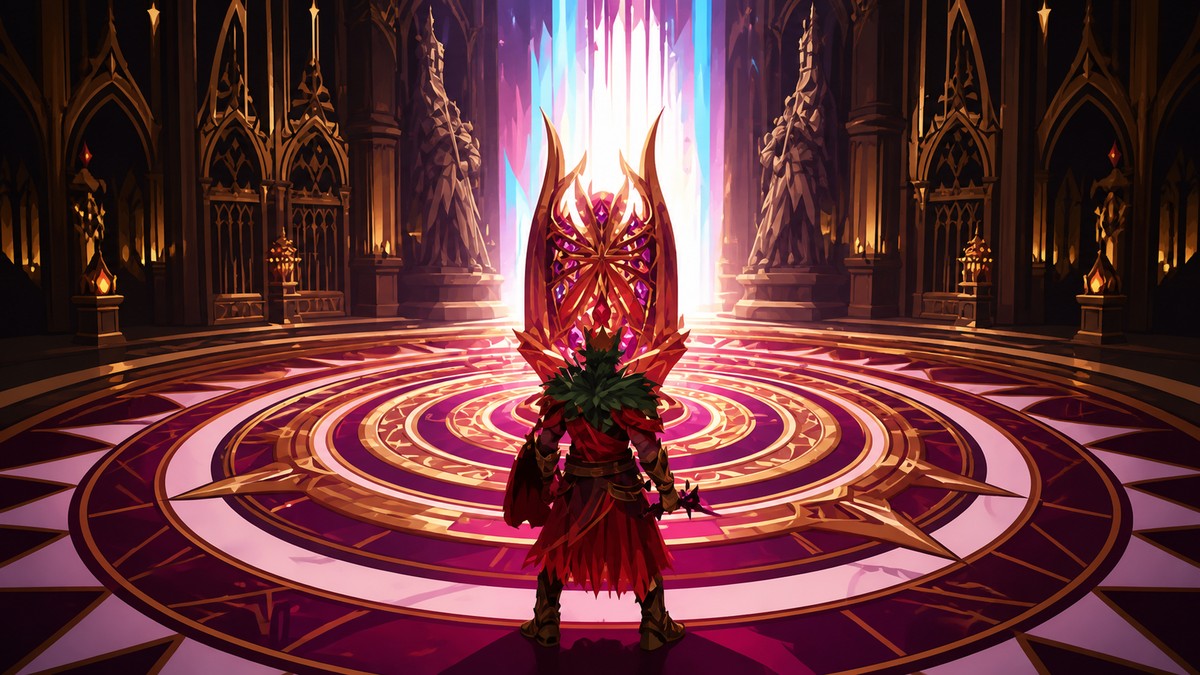
Crimson Moon launches on September 1, 2026 for PS5, Xbox Series X|S, Steam, and Epic Games Store as a $19.99 gothic, mission-based action RPG built around replayable hunts, souls-inspired combat, two-player co-op, and Nephilim transformation powers.
Crimson Moon is a focused, replay-heavy action RPG rather than a huge open-world RPG. You return to a stronghold, choose a hunt, risk gear in the field, and build toward harder runs.
The verdict is simple: this is a $20 game with a compact mission loop, aggressive melee combat, and long-term grind built around difficulty tiers, purified loot, and boss progression instead of map size.
- Crimson Moon launch facts
- Nephilim story and Gildenarch setting
- Mission hunts and repeat runs
- Souls-style combat and Angel Ascension
- Loot, builds, and permanent progression
- World bosses and metal boss themes
- Solo play and two-player co-op
- PC requirements and platform bonuses
- Pre-launch gaps to watch
- Frequently Asked Questions
Crimson Moon launch facts
| Detail | Info |
|---|---|
| Release date | September 1, 2026 |
| Platforms | PS5, Xbox Series X|S, and PC |
| PC stores | Steam and Epic Games Store |
| Developer | ProbablyMonsters |
| Standard Edition | $19.99, includes the base game |
| Deluxe Edition | $29.99, includes the base game, a post-launch expansion, Ceremonial Armor Set, and Axe of the Gods |
Key The Deluxe Edition costs $10 more than the Standard Edition and is not just a cosmetics upgrade. It includes a future expansion alongside the armor set and weapon bonus.
Nephilim story and Gildenarch setting
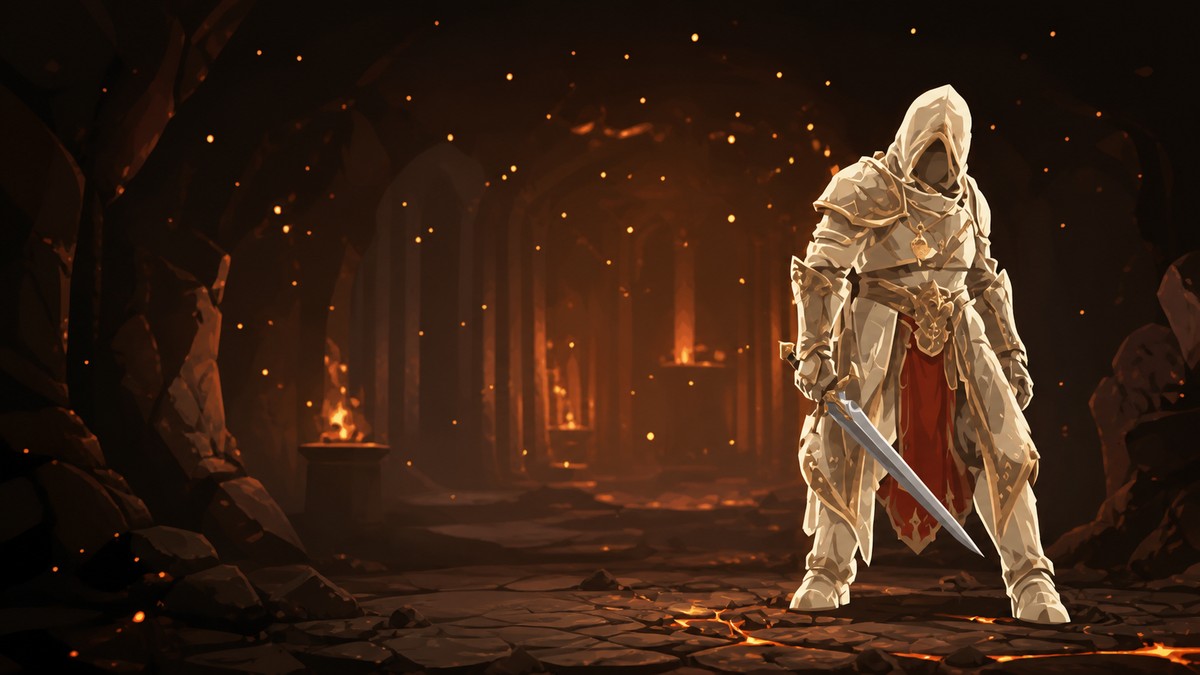
You play as a Nephilim, a violent half-human, half-angel warrior made to defend humanity from hell. The goal is to reclaim the fallen city of Gildenarch from the Infernal Legion, pushing back through repeatable missions instead of roaming one continuous world.
The fantasy is holy on the surface, but the setup is darker than a simple chosen-hero story. The Nephilim serves the Order of the Crimson Moon, and the lore also ties them to the Lunitarian Church of Eloria; on-screen material uses Lunitarian Church of Althoria. The role is clear: you are a weapon shaped by a religious order, not a free adventurer chasing glory.
Lore comes through multiple perspectives. Crimson Moon uses gothic faith imagery for world-building, with angels, demons, ancient gods, and lunar worship feeding the mood of Gildenarch rather than making a real-world religious argument.
Mission hunts and repeat runs
| System | How it works |
|---|---|
| Mission length | Each hunt is designed to run about 15 to 45 minutes. |
| Level layout | Levels are handcrafted, while elements inside them can be randomized. |
| Mission board | The board adds new objectives and progression paths as you play. |
| Life pool | A run can absorb deaths until its shared life pool is empty. |
| Unpurified loot | Items not brought back and purified are lost when the run fails. |
| Corpse run | There is no return trip to reclaim dropped loot after failure. |
Crimson Moon is built around 15-to-45-minute hunts. That timing defines the game more than any genre label: choose a mission, push through a handcrafted level, make risk-reward decisions, then return to base with whatever you secured.
The levels are handcrafted, but the internal contents shift. Enemy compositions, modifiers, objectives, and progression paths can change, and the mission board evolves as you clear runs. Repeat play is the structure holding the whole game together.
The missing corpse run raises the pressure. Failure does not send you back to a bloodstain; it closes the run and forces you to live with what you failed to extract.
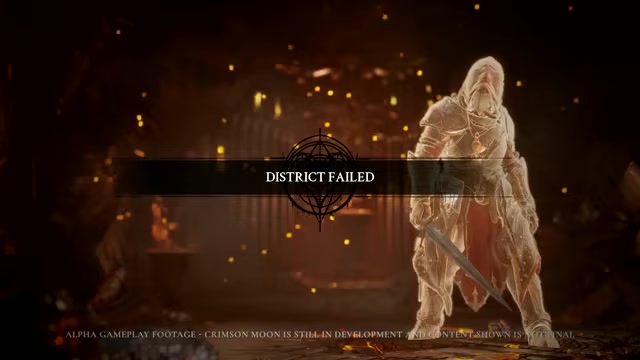
Use early hunts to bring home and purify gear before chasing harder modifiers; unpurified loot disappears when the life pool runs out.
Souls-style combat and Angel Ascension
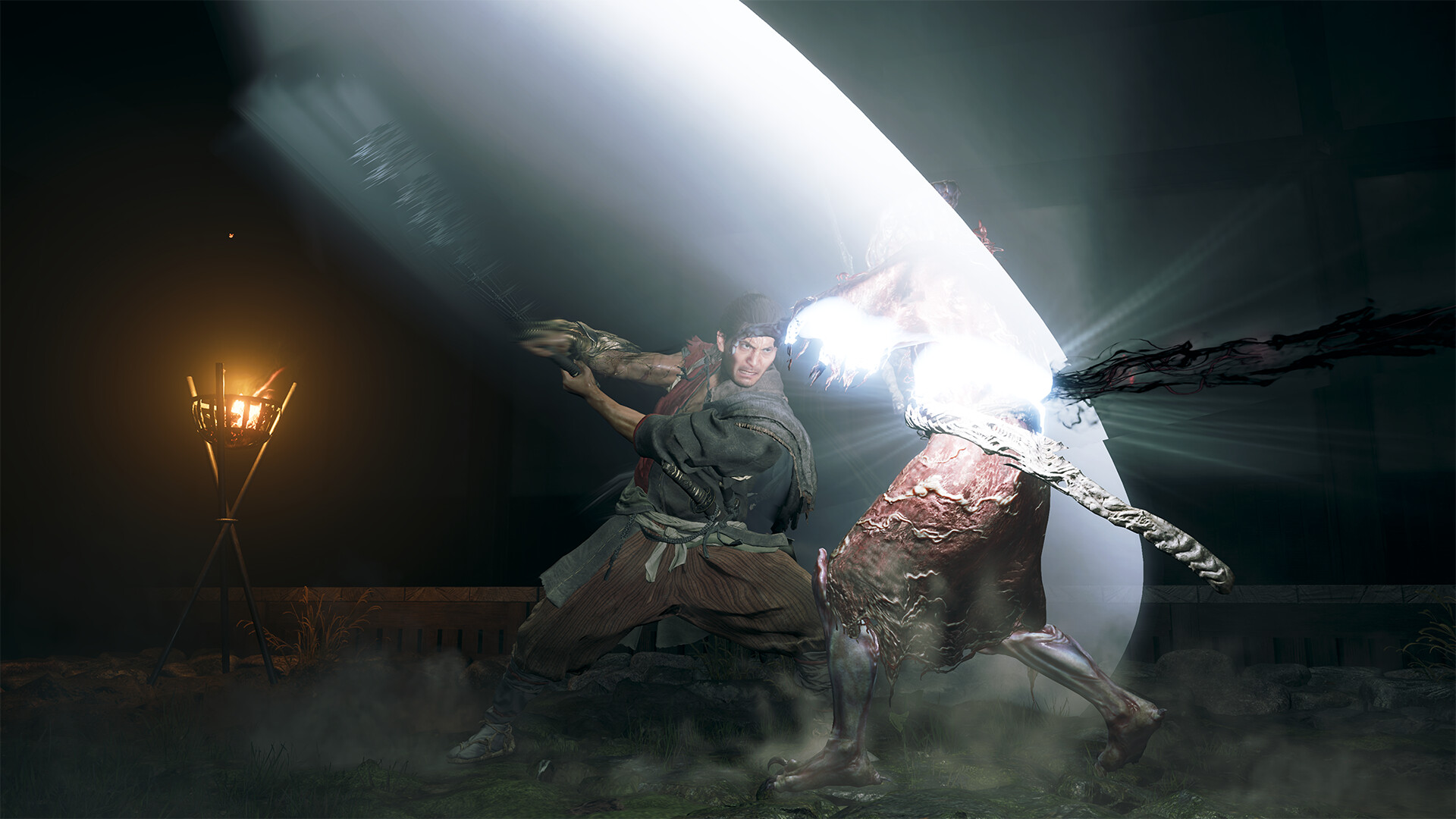
Combat is souls-inspired, but it plays at a faster rhythm. You still have dodges, rolls, parries, counters, stamina management, flask healing, and boss patterns to learn, but stamina is forgiving enough to let you chain attacks instead of constantly backing off.
Healing comes from health flasks that replenish as you clear sections, plus boons and equipment modifiers. Enemy variety includes demons, undead, vampires, and Hellgrowth abominations, with visceral execution abilities changing by enemy type.
The transformation system runs on Angel Power. You build that resource during combat, then spend it on Angel Ascension, a temporary celestial state whose strength and duration scale with equipment rarity. It is powerful, but it will not make you immortal; entering it on low health can still end badly.
Later progression adds a second angel form called Sunder. Before each mission, you choose which angel form to bring, so the transformation becomes part of your loadout planning instead of a one-size-fits-all super mode.
Loot, builds, and permanent progression
| Progression piece | Use |
|---|---|
| Souls | Temporary run currency for consumables and short-term upgrades. |
| Gold | Permanent currency for long-term upgrades. |
| Purified gear | Weapons and armor kept permanently after returning to base. |
| Bag slots | Limited carry space for bringing loot home from a hunt. |
| Lore notes | Unlock new dialogue and add new boons that can appear during runs. |
| Difficulty-gated rarity | Higher difficulty tiers are required to reach better equipment rarity, including legendary gear. |
Progression starts with two base loadouts, then opens through mission rewards. You collect armor sets and weapons in the field, choose what to carry home in limited bag slots, and purify the pieces you want to keep permanently at Sanctus Clypeus.
Weapon variety drives that loop. There are over 30 weapon types across one-handed and two-handed options, though dual wielding is not planned. Gear creates genuinely different play styles, not just different stat colors on the same attack pattern.
This is where difficulty becomes progression. If you want the strongest gear, you have to climb into harder tiers because equipment rarity is capped by difficulty.
World bosses and metal boss themes
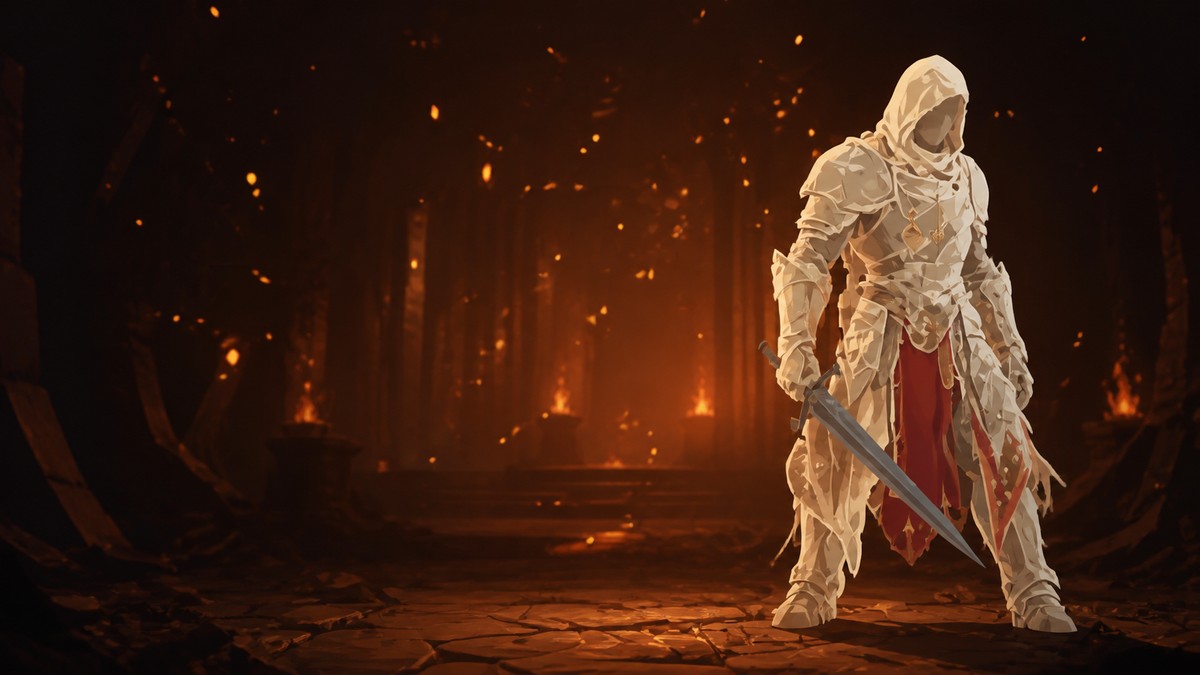
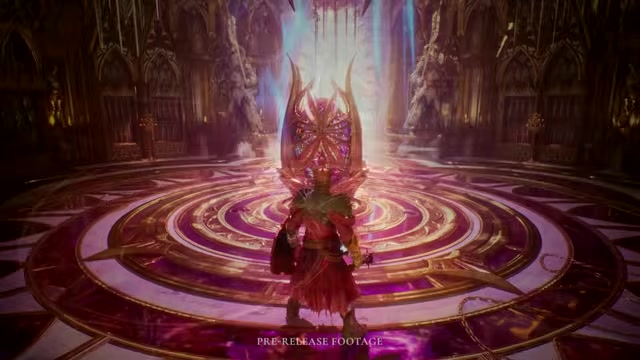
The endgame path is built around three world bosses. You push through Gildenarch toward those major fights, and the final boss opens only after all three world bosses are dead.
The city is described through district progression, with pre-launch material using both six main districts and three districts depending on the breakdown. Either way, the route is built around clearing Gildenarch toward the world-boss ladder.
The standout flourish is the soundtrack treatment. The three world bosses and the final boss each get an original metal track, with music contributions tied to Health, Jared Dines, Misha Mansoor, and Ricky Armellino. For a game launching at this price, those four fights have a clear sense of weight.
Solo play and two-player co-op
| Mode | What changes |
|---|---|
| Solo | You take every hunt alone, with encounters scaled for one player. |
| Two-player online co-op | You gain revives and ability synergies, while sharing one life pool across the hunt. |
| Loot sharing | There is no direct trading, but dropped items can be picked up and some chests can produce multiple rewards. |
| Between runs | Players return to Sanctus Clypeus to purify loot and choose the next assignment at the war table. |
Every mission can be played solo or with one online partner. Co-op is exactly two players, so this is not a four-player party RPG; it is a duo hunt structure built around shared pressure.
Encounters scale dynamically between solo and co-op. In two-player runs, the added tools are ability synergies, mid-battle revives, item drops your partner can pick up, and chests that can produce multiple drops. The tradeoff is the communal life pool, where both players spend from the same survival budget.
PC requirements and platform bonuses
| Platform detail | Requirement or bonus |
|---|---|
| Minimum GPU | GTX 1070 |
| Minimum RAM | 16 GB |
| Recommended GPU | RTX 3070 |
| Recommended RAM | 32 GB |
| Storage | About 50 GB |
| PlayStation bonus | Sonai Magistrate Armor Set for PlayStation players |
| PS5 Pro feature | PSSR support |
The PC requirements are modest for a modern gothic action RPG, especially at the minimum tier. On console, the practical extras are PlayStation armor and PS5 Pro PSSR support, while real-world frame rates belong to the launch build.
Pre-launch gaps to watch
A few launch-adjacent details are still the ones to check at release: full playthrough length, the Deluxe Edition expansion’s size and timing, and final-build performance outside the studio environment.
Those points do not change the core picture of Crimson Moon. The game being sold before launch is a mission-based gothic action RPG with replayable hunts, two-player co-op, permanent gear extraction through purification, and a difficulty ladder tied directly to better loot.
Frequently Asked Questions
Is Crimson Moon open world?
No. Crimson Moon is mission based, with hunts selected from an evolving board instead of a seamless open-world campaign.
Does Crimson Moon have four-player co-op?
No. Co-op supports two players online: you and one partner.
Is the Crimson Moon Deluxe Edition only cosmetic?
No. The Deluxe Edition includes cosmetics, but it also includes a post-launch content expansion.
Is Crimson Moon coming to Nintendo Switch?
No Nintendo Switch version is part of the announced launch lineup.
Video help

Leave a Reply