


The New York Times Connections puzzle challenges players to sort 16 seemingly unrelated words into four connected groups. Each group shares a hidden link. Today’s grid blends physical actions, clever rearrangements, and nostalgic references, making it both playful and slightly deceptive. Below you’ll find gentle hints to guide your thinking, followed by the complete solutions once you’re ready to check your work.
NYT Connections Puzzle Overview: 16 June 2026
Today’s puzzle featured a balanced difficulty curve. One category was rooted in food-related terminology, while another focused on groups of companions or followers. The remaining categories leaned into figurative language and multiple meanings, creating a satisfying challenge that rewarded careful consideration of how words are used in different contexts.
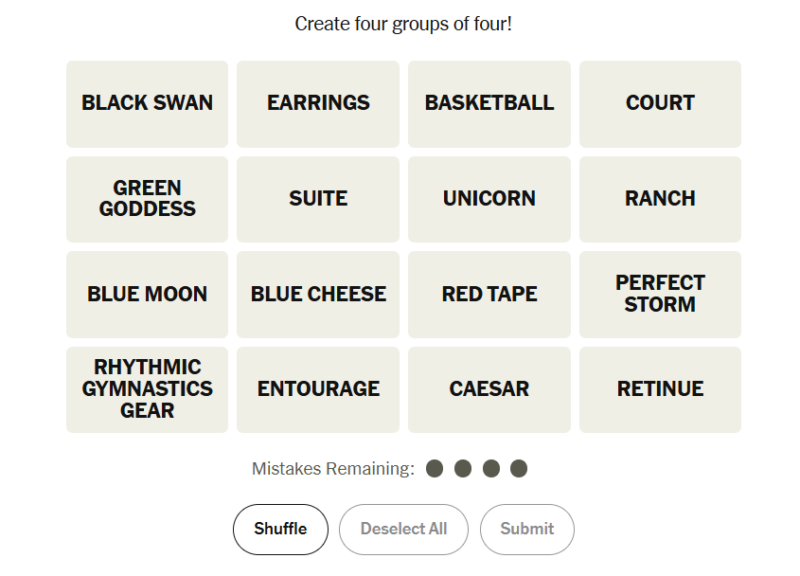
NYT Connections Hints: 16 June 2026
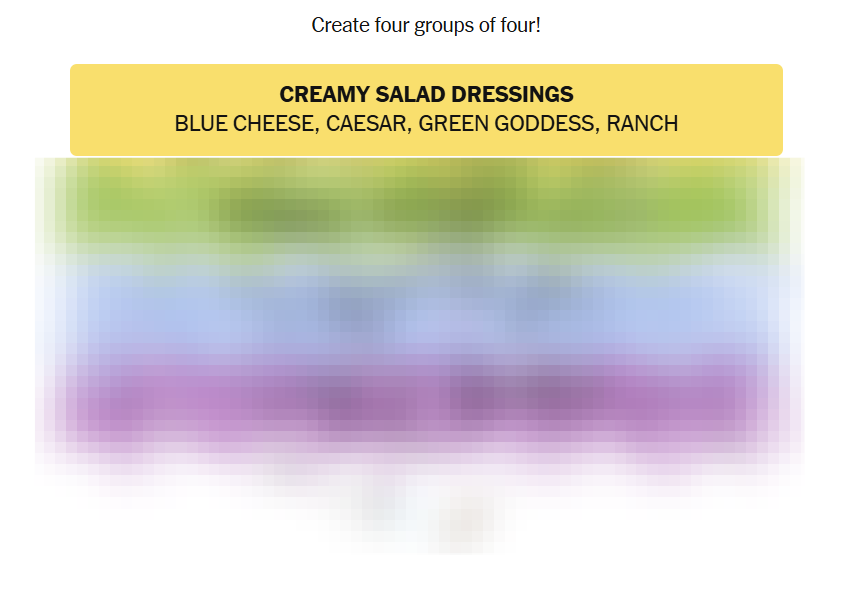
Category 1:
- Think about popular toppings used on salads.
- These options are known for their rich texture.
- You’ll often find them in bottles at grocery stores.
- They are thicker than vinaigrettes.
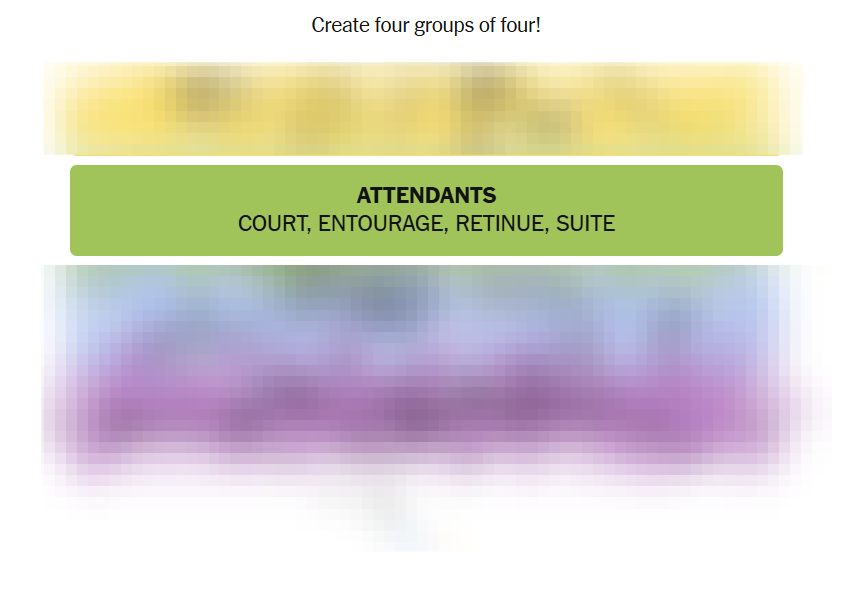
Category 2:
- These words describe people who accompany someone important.
- They often appear around royalty or celebrities.
- Think of followers, companions, or supporters.
- All can refer to an organized group surrounding a person.
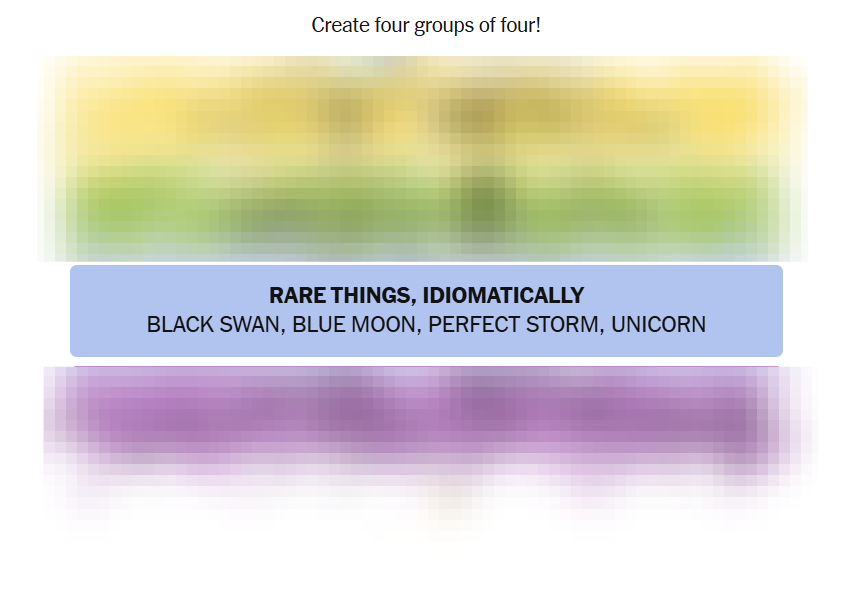
Category 3:
- This category is built around uncommon occurrences.
- Each term appears in a familiar expression.
- They describe events or things that rarely happen.
- Luck and rarity are common themes here.
Category 4:
- A single word can refer to all of these.
- Sports are involved in one answer.
- Jewelry provides another connection.
- Think about the various meanings of a common plural noun.
NYT Connections Answers: 16 June 2026
Here are the answers, grouped by category.
Category 1:
Category 2:
Category 3:
Category 4:
Conclusion & Quick Strategy Tip
The 16 June 2026 Connections puzzle balances straightforward action words with trickier conceptual links, making it satisfying once everything clicks. Quick strategy tip: lock in obvious verb groups early, then examine remaining words for structural patterns or shared cultural references.






Leave a Reply