


The New York Times Connections puzzle challenges players to sort 16 seemingly unrelated words into four connected groups. Each group shares a hidden link. Today’s grid blends physical actions, clever rearrangements, and nostalgic references, making it both playful and slightly deceptive. Below you’ll find gentle hints to guide your thinking, followed by the complete solutions once you’re ready to check your work.
NYT Connections Puzzle Overview: 24 June 2026
Today’s puzzle felt balanced between general knowledge and word association. Solvers who recognized classic rock bands likely gained an early advantage, while the trickier categories relied on noticing shared traits among phrases and objects. The mix of entertainment, language, and tradition made for an enjoyable solve.
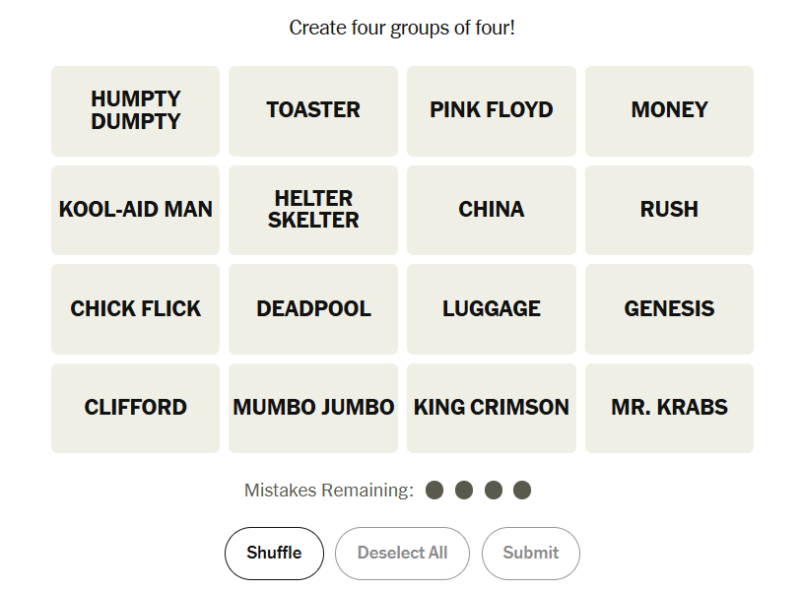
NYT Connections Hints: 24 June 2026
Category 1:
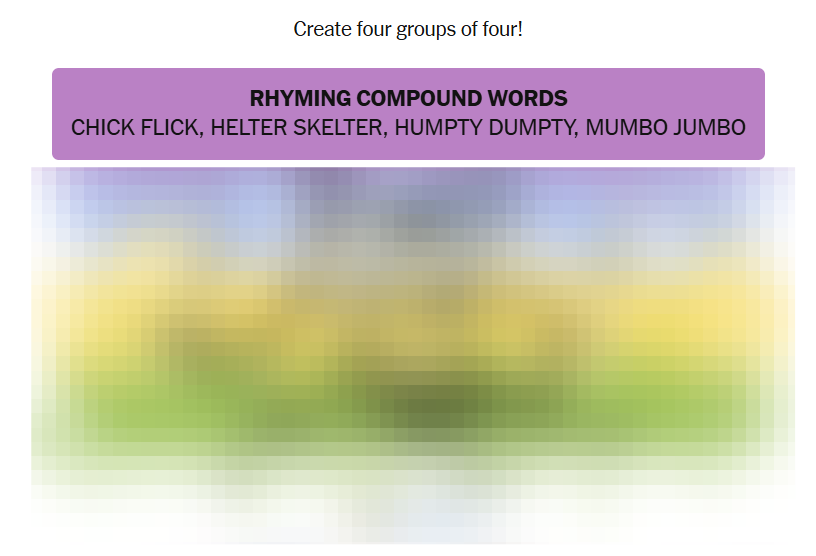
- These are familiar multi-word expressions.
- Both words in each phrase have a similar sound pattern.
- Often used in casual speech.
- Think of playful, rhyming combinations.
Category 2:
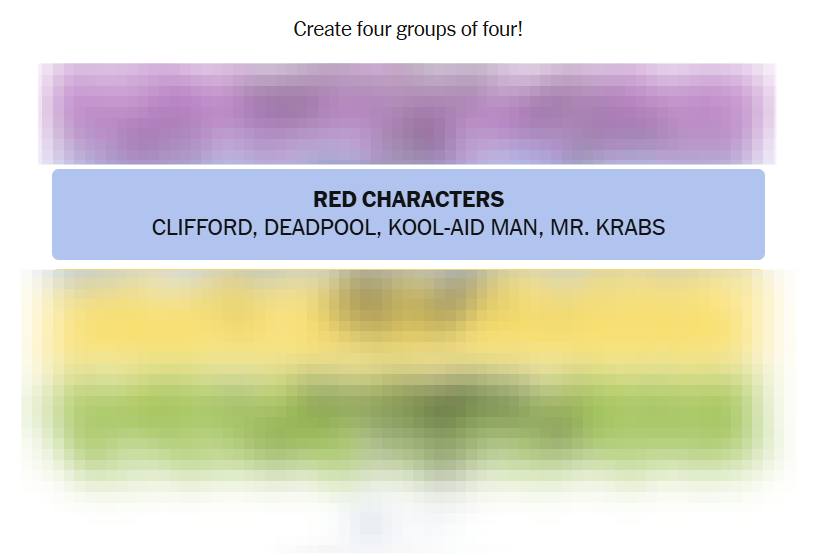
- Every answer is a well-known fictional figure.
- They all share the same prominent color.
- They come from different franchises and media.
- Visual appearance is the key connection.
Category 3:
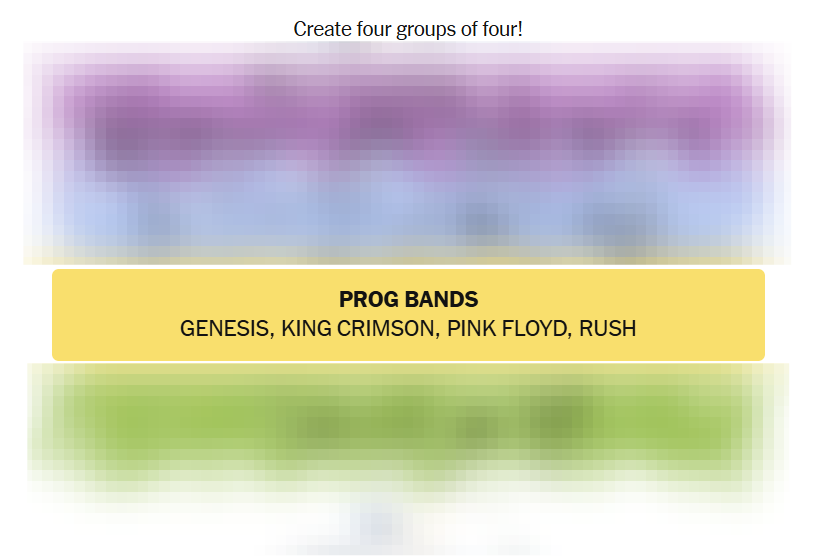
- This category is music-related.
- All four entries achieved legendary status.
- The genre became especially influential in the 1970s.
- Long songs and technical musicianship are common traits.
Category 4:
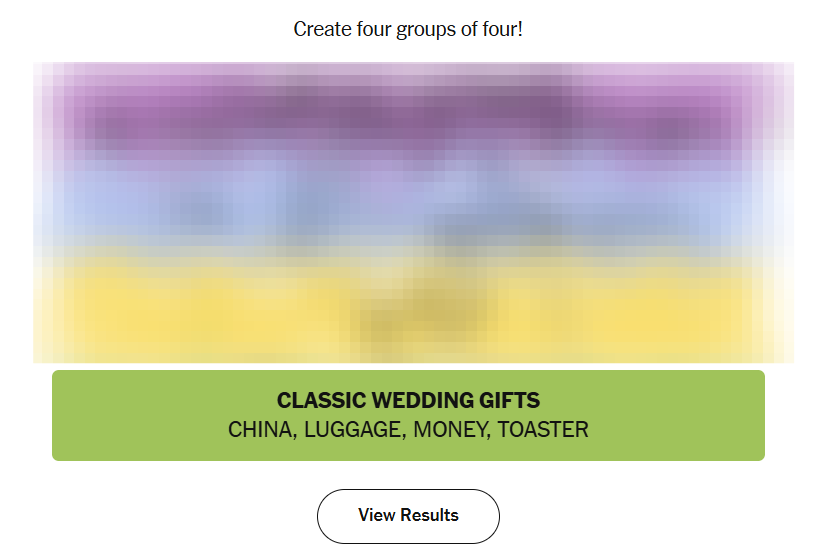
- These items were traditionally given to newlyweds.
- They are associated with setting up a household.
- Some may feel old-fashioned today.
- Think wedding registry staples.
NYT Connections Answers: 24 June 2026
Here are the answers, grouped by category.
Category 1:
Category 2:
Category 3:
Category 4:
Conclusion & Quick Strategy Tip
The 24 June 2026 Connections puzzle balances straightforward action words with trickier conceptual links, making it satisfying once everything clicks. Quick strategy tip: lock in obvious verb groups early, then examine remaining words for structural patterns or shared cultural references.






Leave a Reply