

The New York Times Connections puzzle challenges players to sort 16 seemingly unrelated words into four connected groups. Each group shares a hidden link. Today’s grid blends physical actions, clever rearrangements, and nostalgic references, making it both playful and slightly deceptive. Below you’ll find gentle hints to guide your thinking, followed by the complete solutions once you’re ready to check your work.
NYT Connections Puzzle Overview: 10 August 2026
Today’s Connections puzzle had several straightforward groups, but some words were designed to create tempting alternative associations. The invoice-related terms and ticket options offered useful footholds, while the more playful categories required a little more lateral thinking. The final group was particularly fun once the visual connection became apparent.
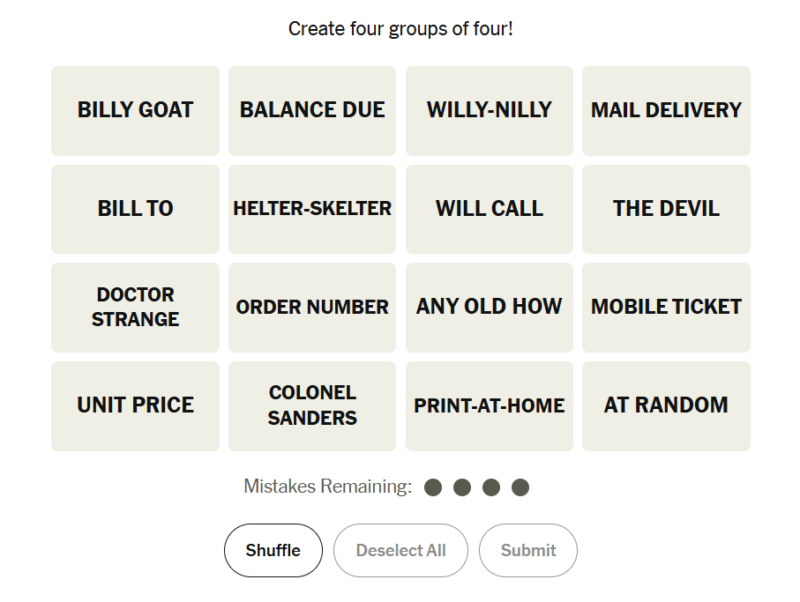
NYT Connections Hints: 10 August 2026
Category 1:
- Look for terms commonly found on a bill.
- One clue tells you who is being charged.
- Another identifies a unique purchase reference.
- The remaining clues relate to amounts owed and individual costs.
Category 2:
- This group describes actions that lack a clear pattern.
- Think of expressions meaning “without planning.”
- One phrase suggests something happening in an unpredictable way.
- Another has a playful, rhyming quality.
Category 3:
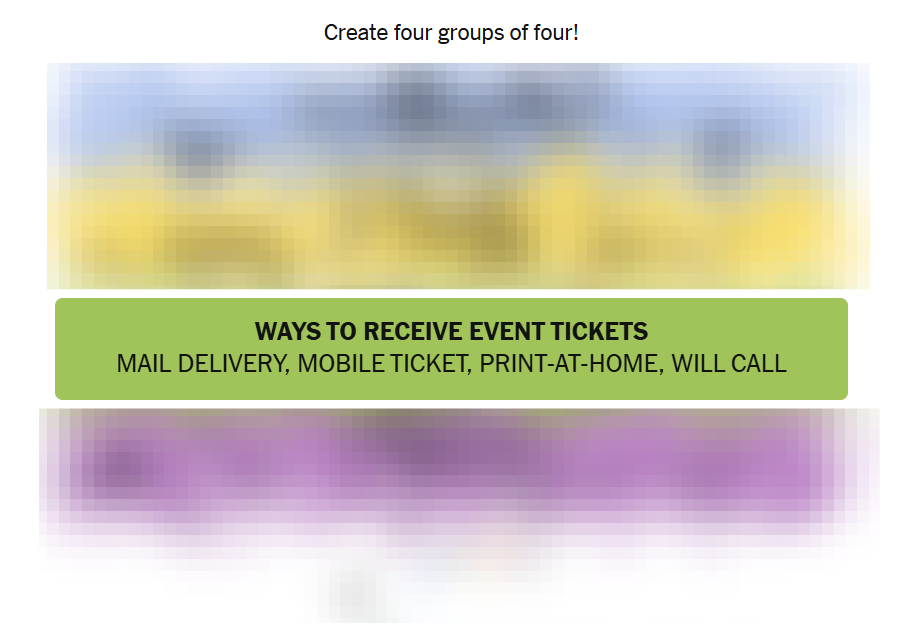
- These clues relate to how tickets can be delivered.
- Some options are physical, while others are digital.
- One method lets you print your own admission.
- Another involves collecting tickets at the venue.
Category 4:
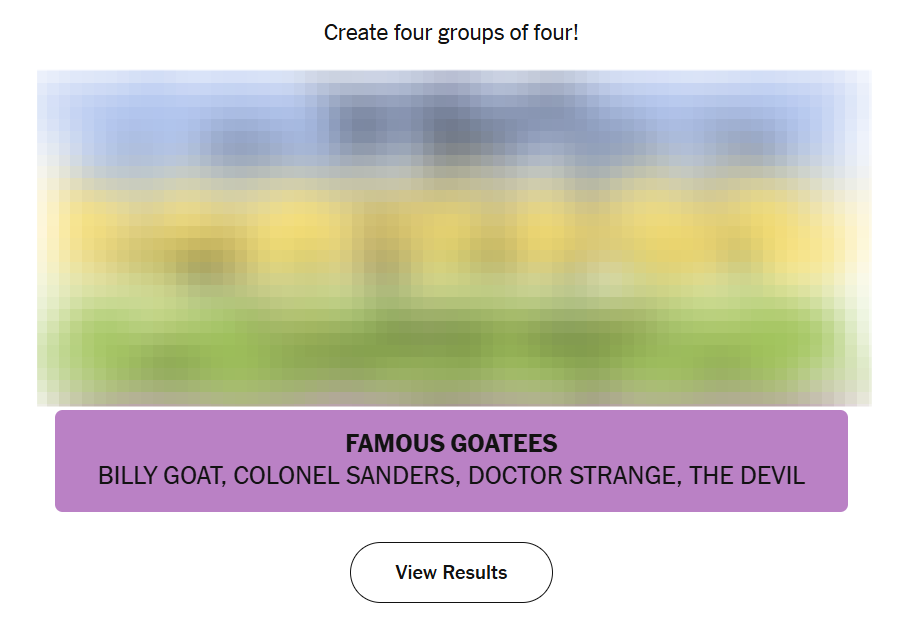
- Think about distinctive goatee styles or appearances.
- The category connects famous characters and figures.
- One clue is associated with a comic-book character.
- Another is a legendary figure commonly depicted with facial hair.
NYT Connections Answers: 10 August 2026
Here are the answers, grouped by category.
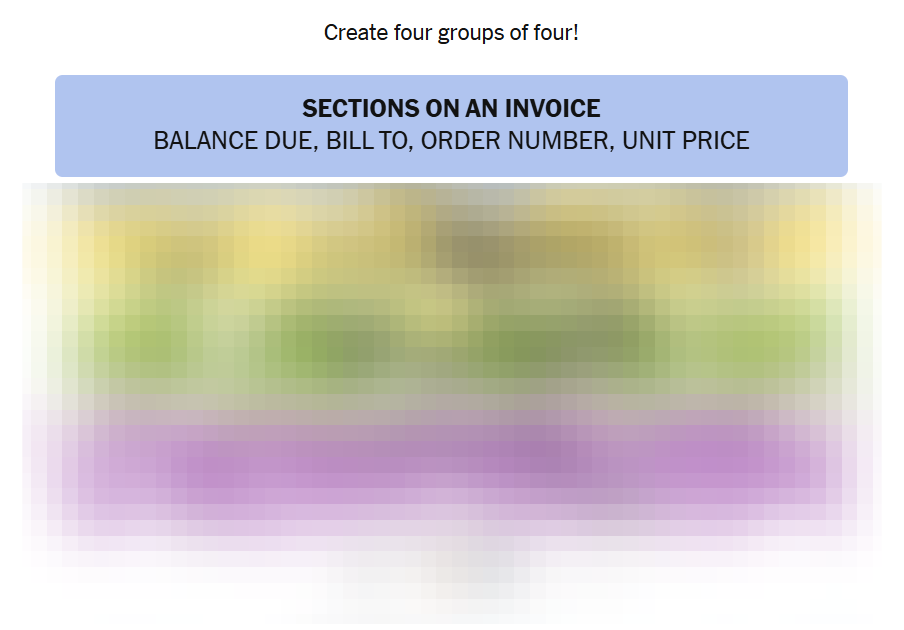
Category 1:
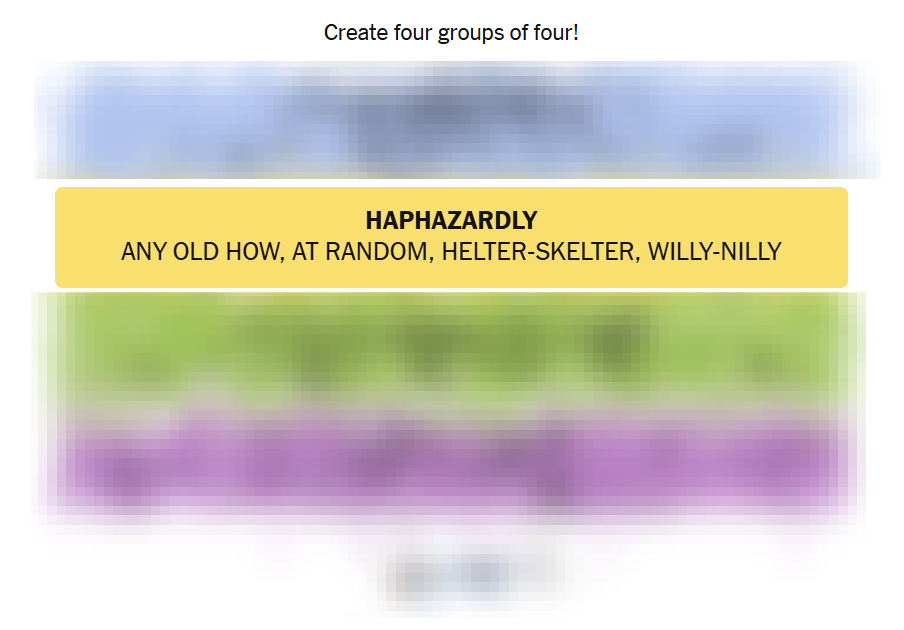
Category 2:
Category 3:
Category 4:
Conclusion & Quick Strategy Tip
The 10 August 2026 Connections puzzle balances straightforward action words with trickier conceptual links, making it satisfying once everything clicks. Quick strategy tip: lock in obvious verb groups early, then examine remaining words for structural patterns or shared cultural references.
Leave a Reply