

The New York Times Connections puzzle challenges players to sort 16 seemingly unrelated words into four connected groups. Each group shares a hidden link. Today’s grid blends physical actions, clever rearrangements, and nostalgic references, making it both playful and slightly deceptive. Below you’ll find gentle hints to guide your thinking, followed by the complete solutions once you’re ready to check your work.
NYT Connections Puzzle Overview: 02 July 2026
Today’s puzzle leaned heavily on compound phrases and creative word associations. Several entries looked as though they belonged together because of shared themes, while the actual solutions relied on prefixes, nicknames, and older vocabulary. The purple category was especially tricky, rewarding players who spotted a hidden pattern in everyday expressions.
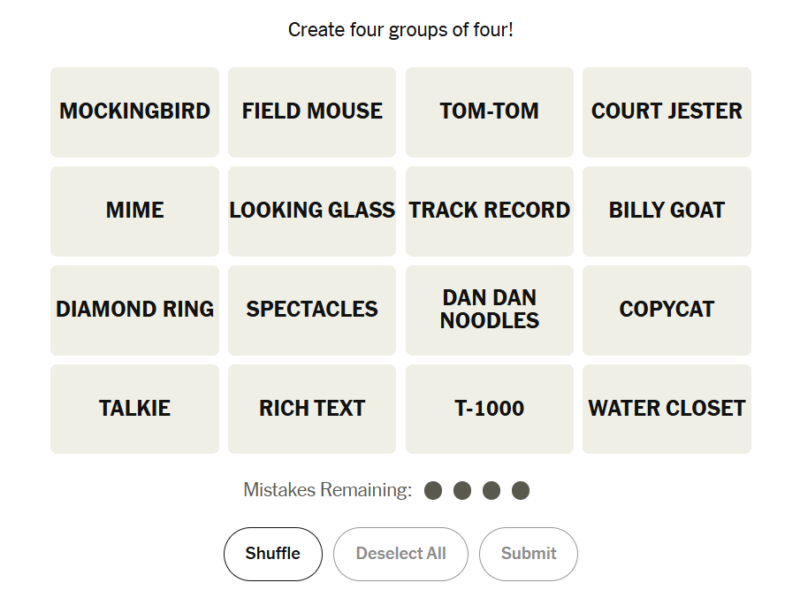
NYT Connections Hints: 02 July 2026
Category 1:
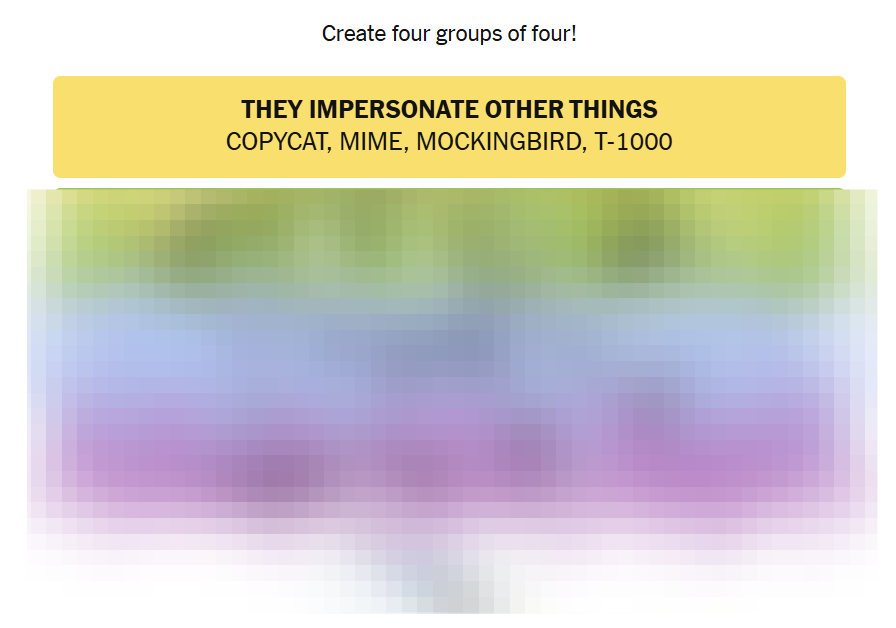
- Think about things known for imitation.
- These entries can copy, mimic, or replicate.
- Some are living, while one is fictional.
- The common thread is impersonation
Category 2:
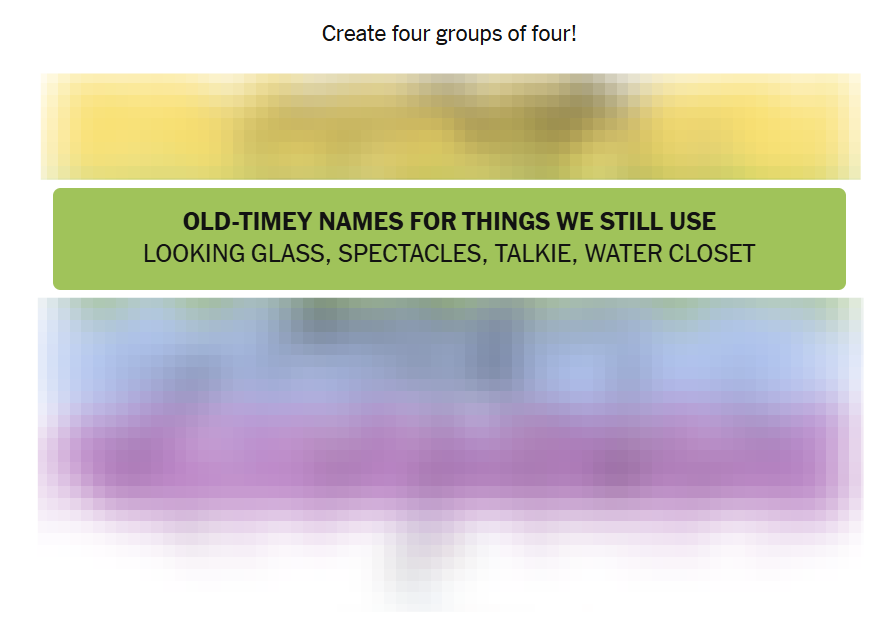
- These are older terms that have largely fallen out of everyday use.
- Modern versions of these objects still exist.
- You may encounter some of these in historical writing.
- Vintage vocabulary is the key.
Category 3:
- Each phrase begins with a shortened personal name.
- The first word is commonly used as a nickname.
- The complete phrases have unrelated meanings.
- Look at the opening word carefully.
Category 4:
- The first word of each phrase is a sports venue or playing surface.
- Think about places where sporting events happen.
- The second words create familiar expressions.
- Focus on compound terms.
NYT Connections Answers: 02 July 2026
Here are the answers, grouped by category.
Category 1:
Category 2:
Category 3:
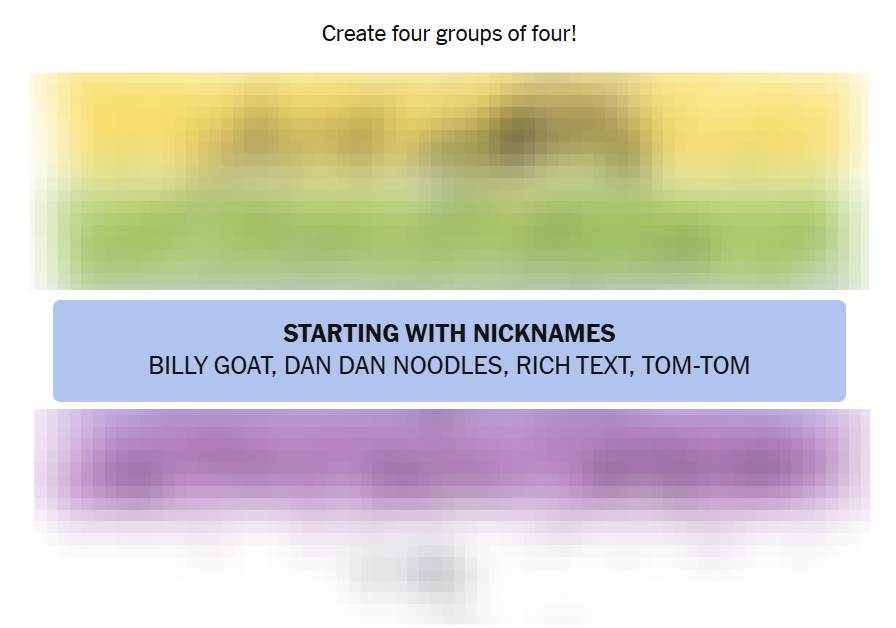
Category 4:
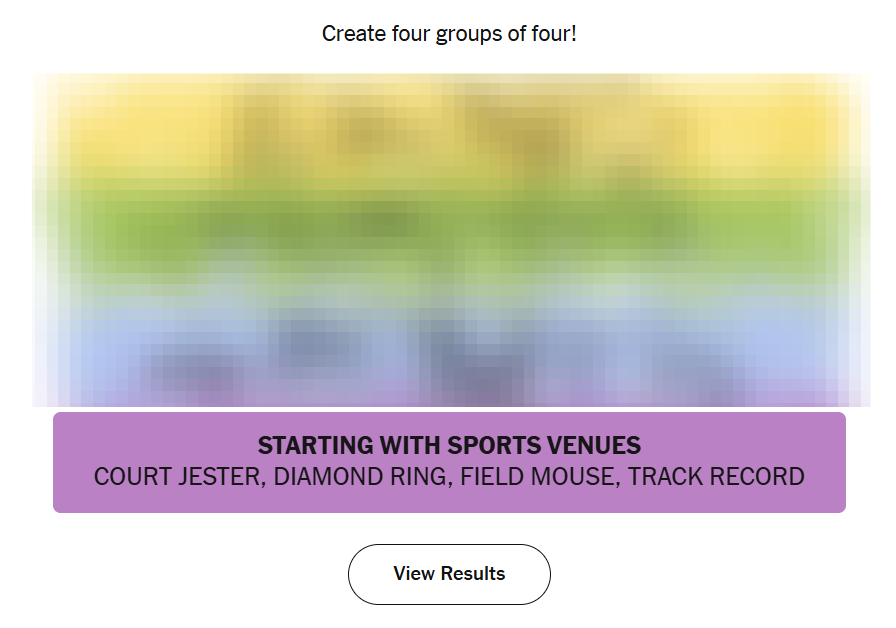
Conclusion & Quick Strategy Tip
The 02 July 2026 Connections puzzle balances straightforward action words with trickier conceptual links, making it satisfying once everything clicks. Quick strategy tip: lock in obvious verb groups early, then examine remaining words for structural patterns or shared cultural references.

Leave a Reply