


The New York Times Connections puzzle challenges players to sort 16 seemingly unrelated words into four connected groups. Each group shares a hidden link. Today’s grid blends physical actions, clever rearrangements, and nostalgic references, making it both playful and slightly deceptive. Below you’ll find gentle hints to guide your thinking, followed by the complete solutions once you’re ready to check your work.
NYT Connections Puzzle Overview: 25 June 2026
Today’s puzzle featured a balanced mix of straightforward and deceptive categories. Some groups were easy to spot thanks to familiar themes, while others required players to look beyond literal meanings. The purple category, in particular, relied on wordplay and homophones, making it the toughest challenge for many solvers.
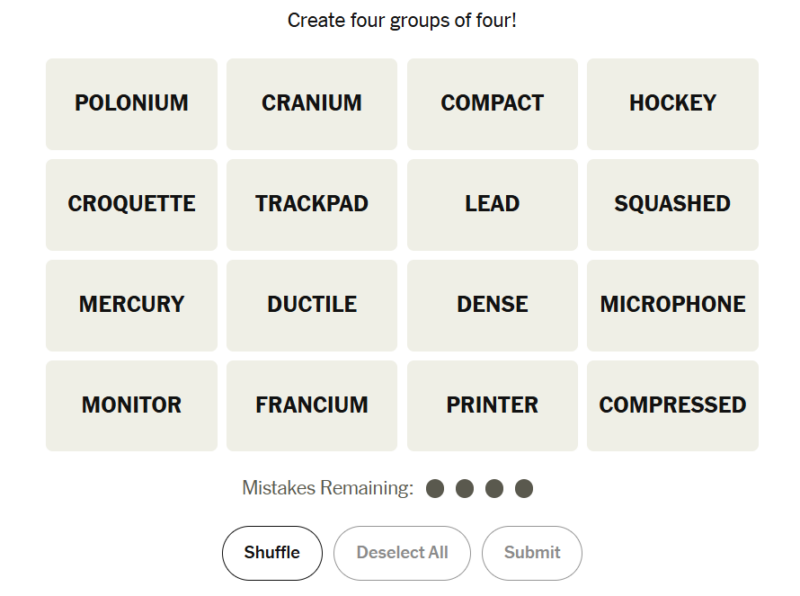
NYT Connections Hints: 25 June 2026
Category 1:
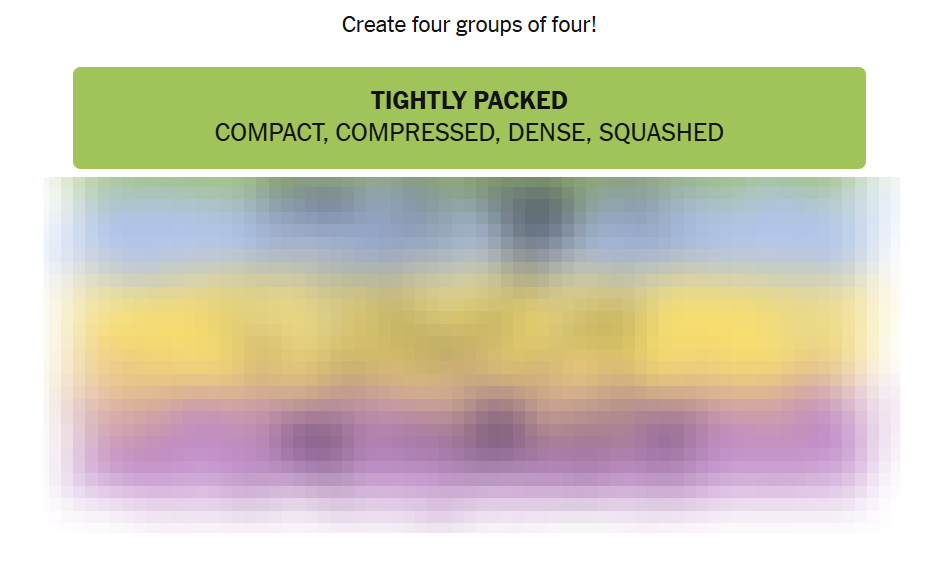
- Think of something taking up very little extra space.
- These words can describe items pressed together.
- A suitcase might look like this after overpacking.
- All four terms suggest a lack of room.
Category 2:
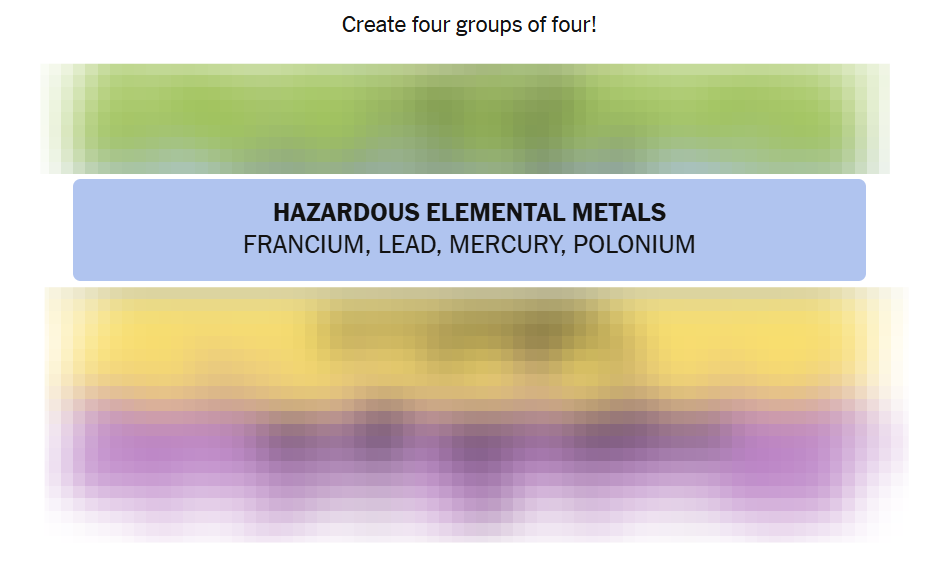
- This group belongs to the periodic table.
- These are chemical elements.
- Safety precautions are important when dealing with them.
- Their danger level is a key connection.
Category 3:
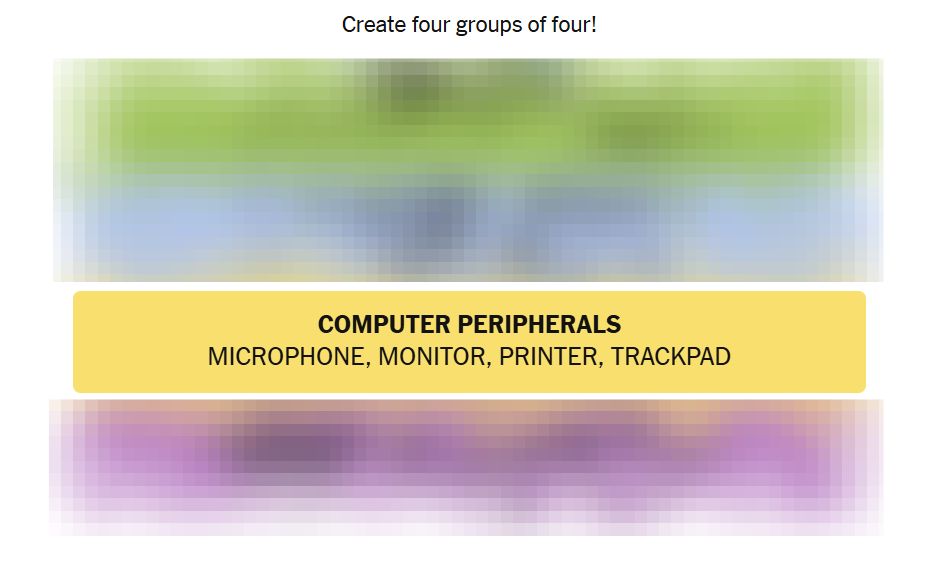
- They are commonly connected to a computer.
- Most users interact with at least one every day.
- They help with input or output tasks.
- Think of accessories rather than the computer itself.
Category 4:
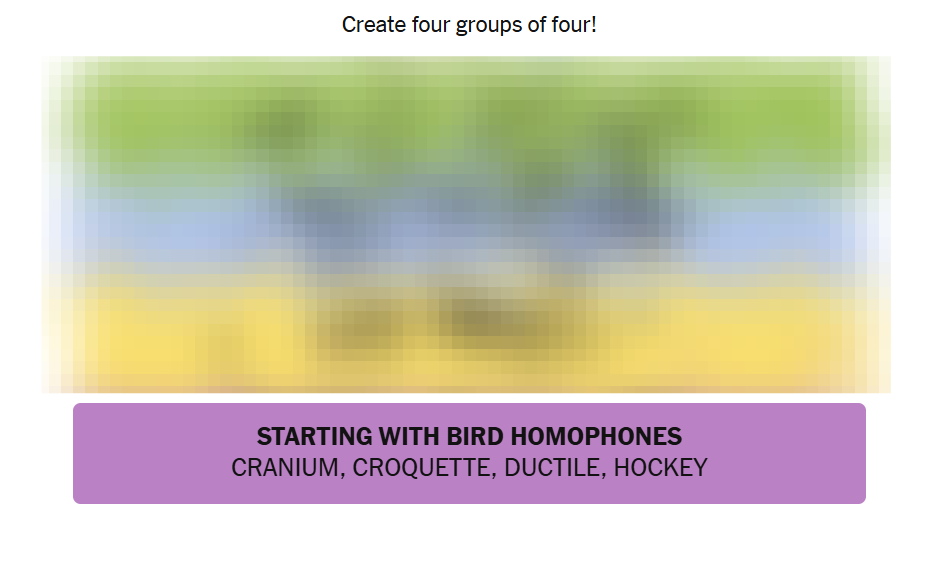
- The connection begins with bird-related sounds.
- Listen to the start of each word rather than its spelling.
- A homophone is involved in every answer.
- The bird names appear only when spoken aloud.
NYT Connections Answers: 25 June 2026
Here are the answers, grouped by category.
Category 1:
Category 2:
Category 3:
Category 4:
Conclusion & Quick Strategy Tip
The 25 June 2026 Connections puzzle balances straightforward action words with trickier conceptual links, making it satisfying once everything clicks. Quick strategy tip: lock in obvious verb groups early, then examine remaining words for structural patterns or shared cultural references.






Leave a Reply