
The best Withered Knight talent path centers on Greatsword execution talents like Greatsword Specialization, Crime, Bad Karma, and Legacy, then branches into Polearm & Shield utility if you want a sturdier trio-focused frontline build.
Withered Knight is strongest when your talents turn Wither from a single detonation into a repeatable Execute pressure loop. The class can play as a heavy Greatsword finisher or a Polearm & Shield vanguard, but your talent path should decide that identity early instead of splitting power randomly.
- Mistfall Hunter Withered Knight talent explained
- Best Withered Knight talents at a glance
- Greatsword Execute talent setup
- Polearm & Shield support talent setup
- Choosing a Withered Knight talent path
- Skill interactions for Withered Knight talents
- Common Withered Knight talent mistakes
- August 2026 Withered Knight changes
- Frequently Asked Questions
Mistfall Hunter Withered Knight talent explained
The class revolves around applying Wither, then landing heavy attacks or skill follow-ups that trigger Execute. Without the right talents, that mark gets consumed and your pressure resets; with the right talents, the mark stays active long enough to chain more executions and force the target to disengage.
KEY!
That is why the Greatsword side is the natural damage core. It supports Judgment building, Wither application, and heavy-attack payoff, letting you turn a clean opening into repeated burst instead of one big hit.
The Polearm & Shield side serves a different job. It gives the Withered Knight more control, protection, rescue value, and frontline staying power, which matters more in coordinated trio play than squeezing out every possible Execute window yourself.
Best Withered Knight talents at a glance
| Talent | Primary use |
|---|---|
| Greatsword Specialization | Adds room for a Greatsword-heavy skill setup. |
| Crime | Keeps Wither active after Execute and extends its duration. |
| Bad Karma | Turns extended Wither pressure into stacking punishment. |
| Legacy | Adds sustain when Withered enemies die. |
| Polearm & Shield Specialization | Opens the support/vanguard direction. |
| Rising Morale | Strengthens team-facing frontline value. |
| Momentum Shift | Supports tempo swings during group fights. |
| Shield Wall Slam | Adds control and knockback pressure. |
| Endless Flow | Helps the support package stay active longer. |
| Guardian | Improves protection and ally-oriented play. |
If you only remember four names for damage, make them Greatsword Specialization, Crime, Bad Karma, and Legacy. If your group needs you to stand in front and make fights safer, start recognizing the Polearm & Shield package as a separate build path, not filler around the Greatsword core.
Greatsword Execute talent setup
| Talent | Role |
|---|---|
| Greatsword Specialization | Shifts your setup toward more Greatsword skill access. |
| Crime | Prevents Execute from consuming Wither and extends the mark instead. |
| Bad Karma | Adds stronger punishment as Wither is extended through Execute. |
| Legacy | Rewards kills on Withered enemies with health recovery. |
| Instant Wither | Supports faster mark access in Greatsword paths. |
| Righteous Greed | Fits damage-oriented Greatsword leveling routes. |
| Cataclysm | Belongs to the burst-focused Greatsword talent route. |
| Dominance | Supports aggressive Greatsword pressure. |
| Grappling Hook | Improves Thorn Guide’s mobility and chase value. |
| Collective Punishment | Used in cited Greatsword paths as a pressure talent. |
| Reprieve | Rounds out Greatsword routes with added utility. |
The Greatsword build is about keeping targets under Wither and punishing every opening with Execute. Crime is the center of the setup because it changes the class from a one-mark burst character into a loop character: Execute no longer ends the mark, so each successful burst keeps the next one within reach.

Bad Karma is the pressure amplifier. Once Execute starts extending Wither, Bad Karma makes those extensions more punishing by adding linked effects across repeated applications, including slow, vulnerability, and health loss over time in sequence. That gives the target less room to reset the fight cleanly.
Legacy belongs in the same package because pure burst without recovery can fall apart in longer runs. When enemies affected by Wither die, Legacy gives the build a sustain layer that fits naturally with Greatsword execution chains.
Prioritize Crime before polishing the rest of the build, because the Execute loop does not fully come online until Wither can survive the burst that triggers it.
Polearm & Shield support talent setup
| Talent | Role |
|---|---|
| Polearm & Shield Specialization | Commits the build toward shield-side utility. |
| Rising Morale | Adds team-oriented frontline value. |
| Momentum Shift | Helps convert pressure swings into advantage. |
| Shield Wall Slam | Adds knockback and control to shield play. |
| Endless Flow | Supports longer utility uptime. |
| Buildup | Strengthens the shield-side setup rhythm. |
| Unbreakable | Improves survivability under pressure. |
| Guardian | Supports ally protection. |
| Swift Vanguard | Adds mobility value to frontline play. |
| Succor | Improves rescue and support utility. |
The Polearm & Shield path is for players who want to hold space, absorb pressure, create openings, and keep teammates alive. It gives up some Greatsword execution intensity, but it makes the Withered Knight a steadier frontline presence in trio fights.
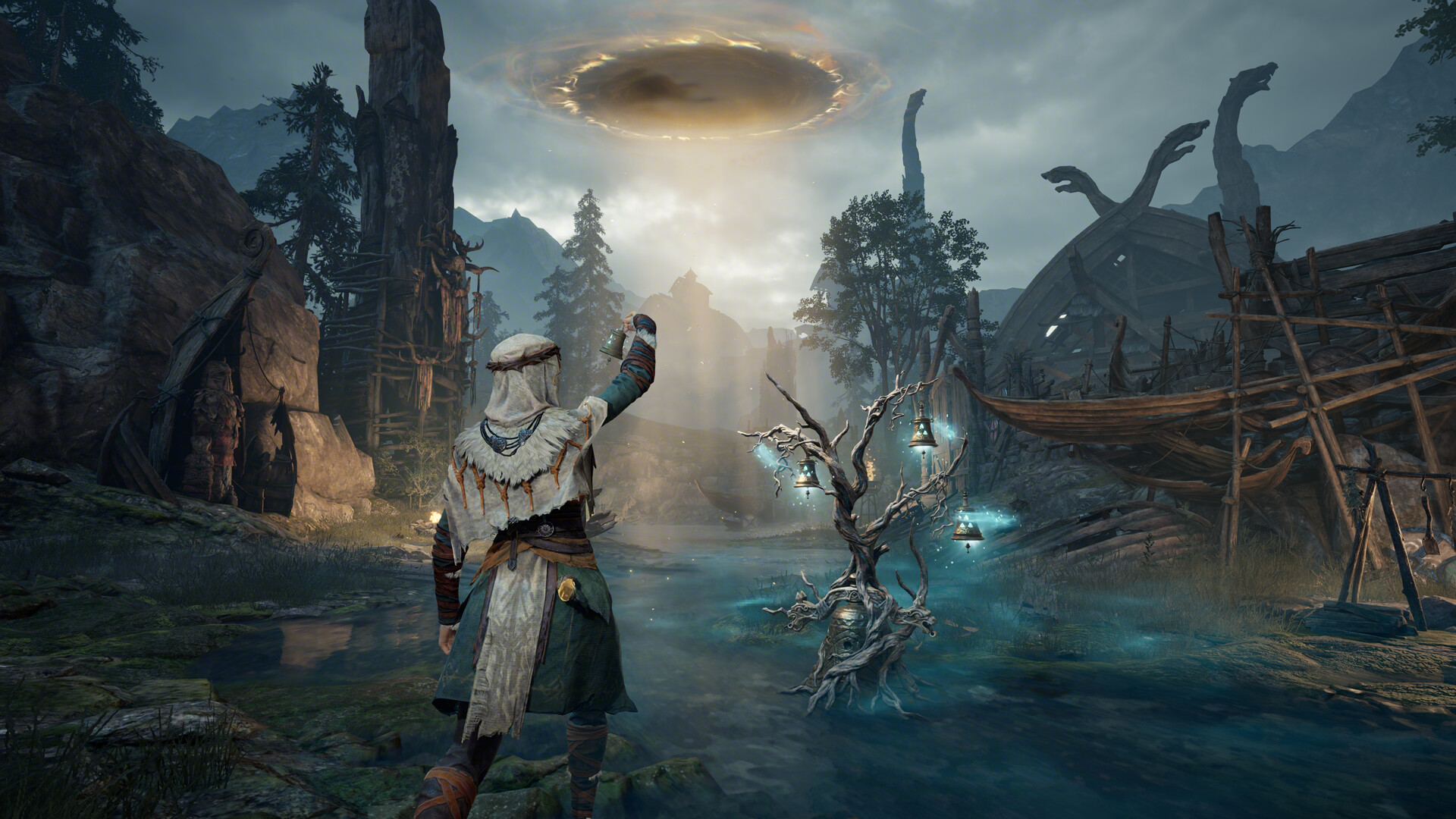
This package should be read as a vanguard setup. Shield Wall Slam, Buildup, and Unbreakable support control and durability; Guardian, Swift Vanguard, and Succor lean into protection, movement, and rescue value. The result is less about deleting one target instantly and more about making the fight easier for your whole squad to finish.
Choosing a Withered Knight talent path
| Playstyle | Talent focus |
|---|---|
| Solo PvP burst | Greatsword Specialization, Crime, Bad Karma, Legacy. |
| Damage anchor in a trio | Greatsword execution core with selective utility talents. |
| Frontline support | Polearm & Shield Specialization, Guardian, Shield Wall Slam, Succor. |
| Hybrid bruiser | Crime-led Greatsword pressure backed by shield control. |
Pick Greatsword if you want solo kill pressure, PvP burst, and the cleanest Wither-to-Execute payoff. The build rewards timing, target tracking, and committing to heavy attacks only when the opening is real.
Pick Polearm & Shield if your group needs a frontline that can start fights, peel, block pressure, and make space. Hybrid paths work, but they should still have a primary job: Greatsword-first hybrids chase kills with a few utility tools, while shield-first hybrids protect the team and use Execute as a punish.
Skill interactions for Withered Knight talents
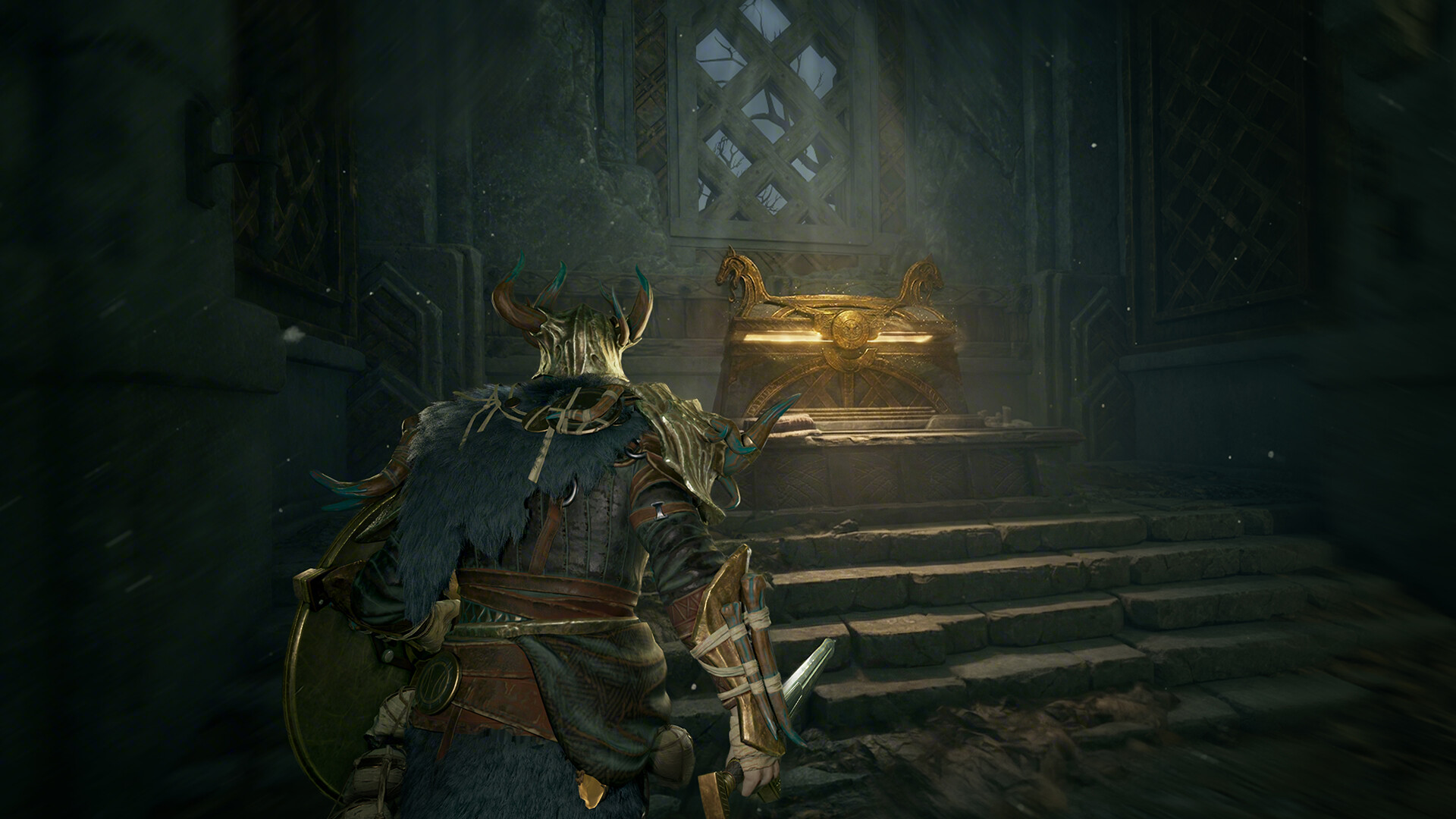
Your talents only pay off if your skill use supports the loop. Heavy attacks are your main Execute triggers, so treat them as punish tools rather than random swings. A charged heavy has better value when the target is stunned, staggered, distracted, or otherwise unable to dodge the full commitment.
Pursuit helps rebuild Judgment after a heavy attack by chaining into fast follow-up slashes, putting your next Wither application closer. Charge Dash also matters on the shield side because a successful charge can Execute a Withered target, giving Polearm & Shield builds a real punish option instead of only control.
Parry is one of the class’s most flexible defensive tools because its follow-up choice changes the outcome. The light follow-up applies Wither around you, while the heavy follow-up dashes into an Execute against a marked target. Thorn Guide gains extra value with Grappling Hook, turning a pull tool into stronger traversal and chase utility.
Common Withered Knight talent mistakes
The biggest mistake is skipping Crime or Bad Karma and then playing Wither like a one-time debuff. That leaves the class with burst, but not the repeated pressure that makes the talent tree dangerous.
Do not ignore sustain just to stack damage. Legacy helps Greatsword builds survive longer engagements, while trio players should avoid overloading on personal damage if the team actually needs control, rescue, and protection.
Also be careful with player-sourced affix numbers for names such as Burst, Tenacious, Fervid, Stoic, Fervor, Valor, Aegis, and Seamless. The names are useful for build discussion, but exact values can shift as early players test more gear.
August 2026 Withered Knight changes
The August 6, 2026 patch and August 7, 2026 hotfix make the current talent choice slightly friendlier for active Wither play. Sprinting Slash and Withering Mark had their energy costs reduced, which helps the class apply or cash in marks more often during fights.
That same patch window also addressed Withered Knight skill issues, including skills getting stuck on obstacles, interruptions caused by Inspect, and a Thorn Guide interaction with Richie the Merchant. Polearm & Shield also received August update buffs, but the exact magnitude is not detailed, so choose that path for its role value: control, protection, and team stability.
Related Mistfall Hunter guides
Frequently Asked Questions
Is Withered Knight better for solo players or teams?
Withered Knight works in both, but the talent path changes the job. Solo players get more from the Greatsword Execute core, while teams can turn the class into a frontline anchor with Polearm & Shield utility.
Is Withering Mark worth slotting after the energy-cost reduction?
Withering Mark is more attractive after the reduction, but it still competes with stronger melee setup and Execute tools. Use it if you value extra mark access; skip it if your bar already keeps Wither active through close-range pressure.
Which talent should I prioritize first for the Execute loop?
Crime should come first if your goal is to get the Execute loop online quickly. Once Execute extends Wither instead of consuming it, Bad Karma and Legacy have a much stronger foundation to build on.
Video help





Leave a Reply