
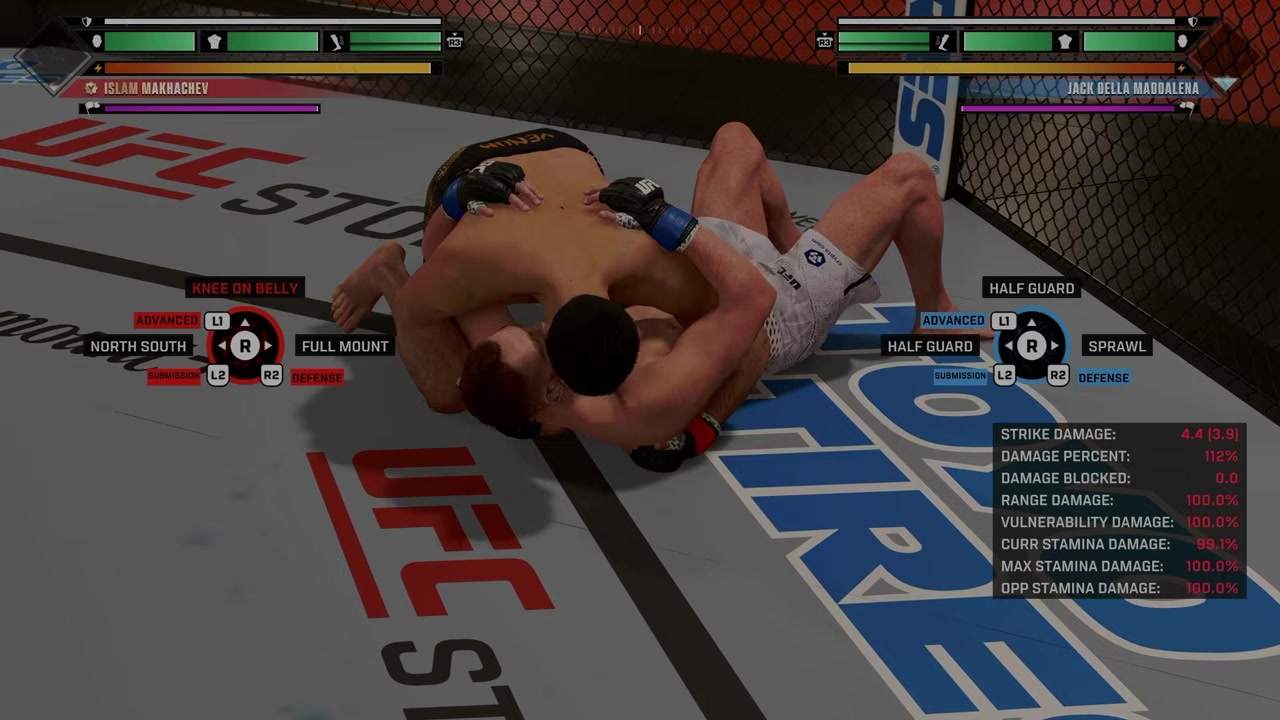
To stop getting knocked out online in EA UFC 6, treat blocking as your safety net, use movement and lunges to stay out of bad ranges, save head movement for readable strikes, and use parries as a timed middle option when your guard is under pressure.
Good defense in EA UFC 6 is layered. If you only hold block, your guard gets broken; if you only sway, you eventually lean into a punch; if you only chase parries, you get baited by timing changes, body shots, or big strikes that still hurt you.
The better way to play online is to protect stamina, manage range, avoid getting trapped on the fence, and drill the exact strikes that keep catching you. Once those layers start working together, you stop defending by panic and start forcing your opponent to take risks.
- Build defense around stamina, range, and repetition
- How to set up a strike-recording drill in EA UFC 6
- Choose defense around your fighter’s block style
- Use high and low block without living behind guard
- Make footwork your first answer to pressure
- Save head movement for reads you trust
- Use parries as timed relief when guard is fading
- Catch body kicks when the timing is perfect
- Follow this defensive flow in online fights
- Frequently Asked Questions
Build defense around stamina, range, and repetition
Stamina is everything in UFC 6 defense. A tired fighter blocks worse, moves worse, counters worse, and becomes easier to finish once the opponent starts forcing exchanges. If you are constantly throwing back after every blocked combo, whiffing big counters, or panic-lunging with no plan, you are helping your opponent’s offense do its job.
Online fights are still the real test because you will always run into someone with sharper timing. But Practice Mode matters because it lets you recreate the exact combo that keeps beating you, then repeat it until your answer becomes automatic instead of guessed.
How to set up a strike-recording drill in EA UFC 6
STEP 1/9
Open Practice Mode from Learn
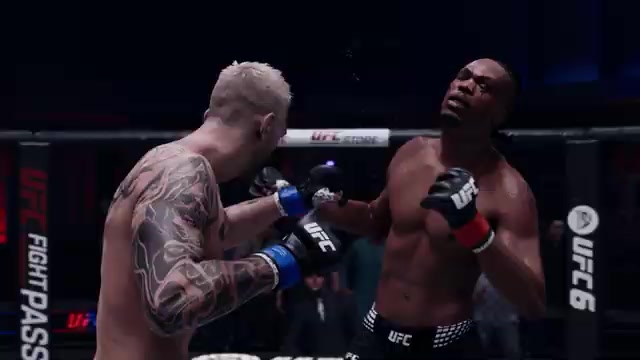
From the main menu, go to the Learn section and enter Practice Mode.
STEP 2/9
Select Strike Recording
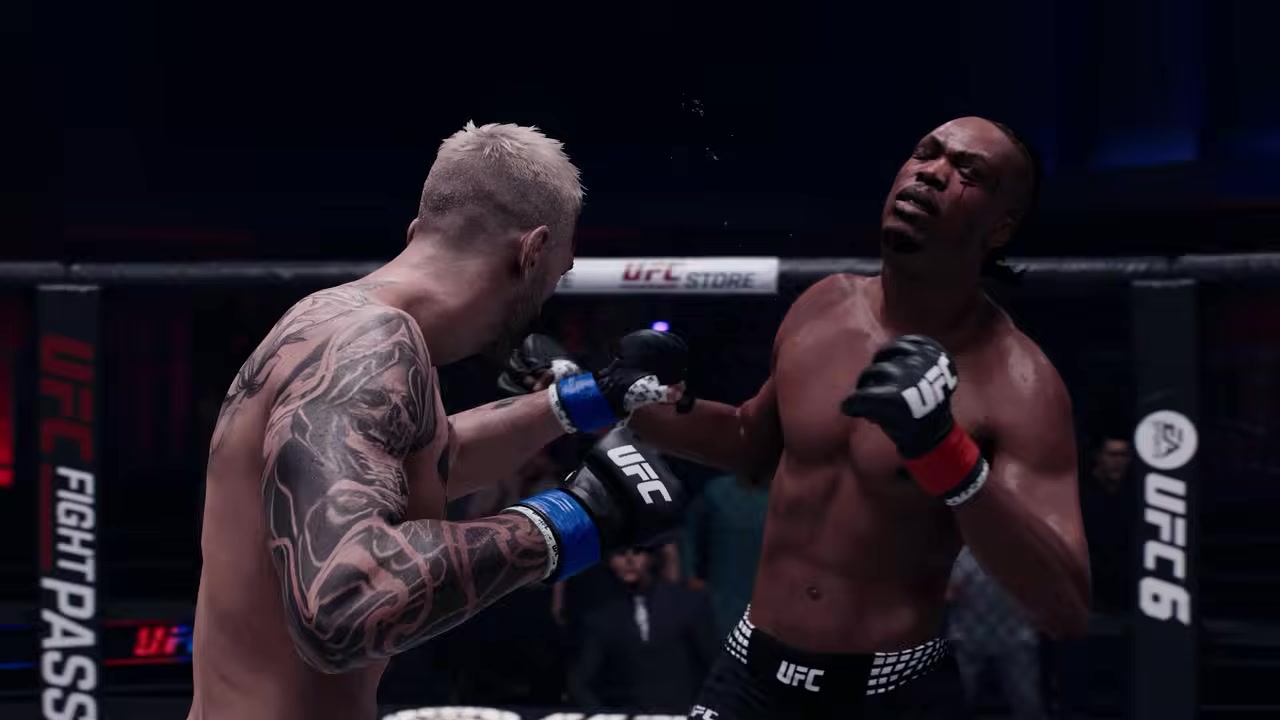
Under AI Behavior, choose Strike Recording so you can drill against a specific combo.
STEP 3/9
Start recording
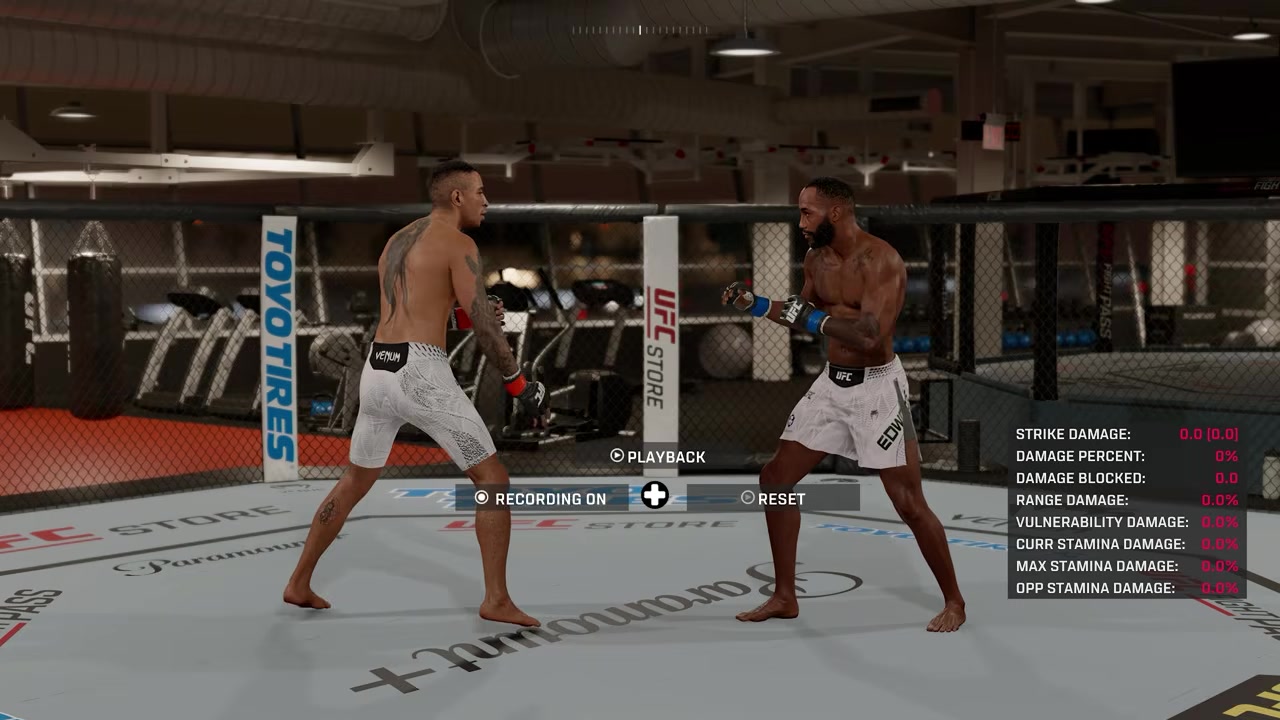
Press left on the D-pad to turn recording on.
STEP 4/9
Throw the combo
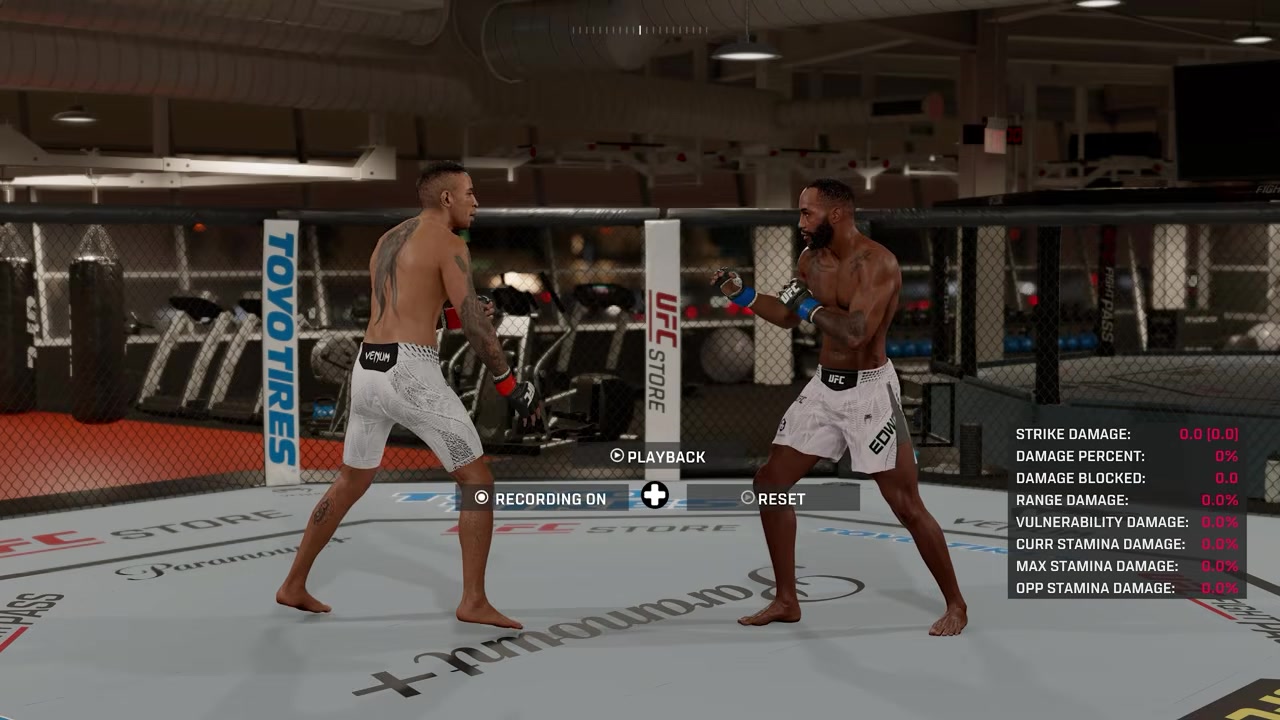
Throw the strike or combination you want to practice defending against.
STEP 5/9
Stop recording
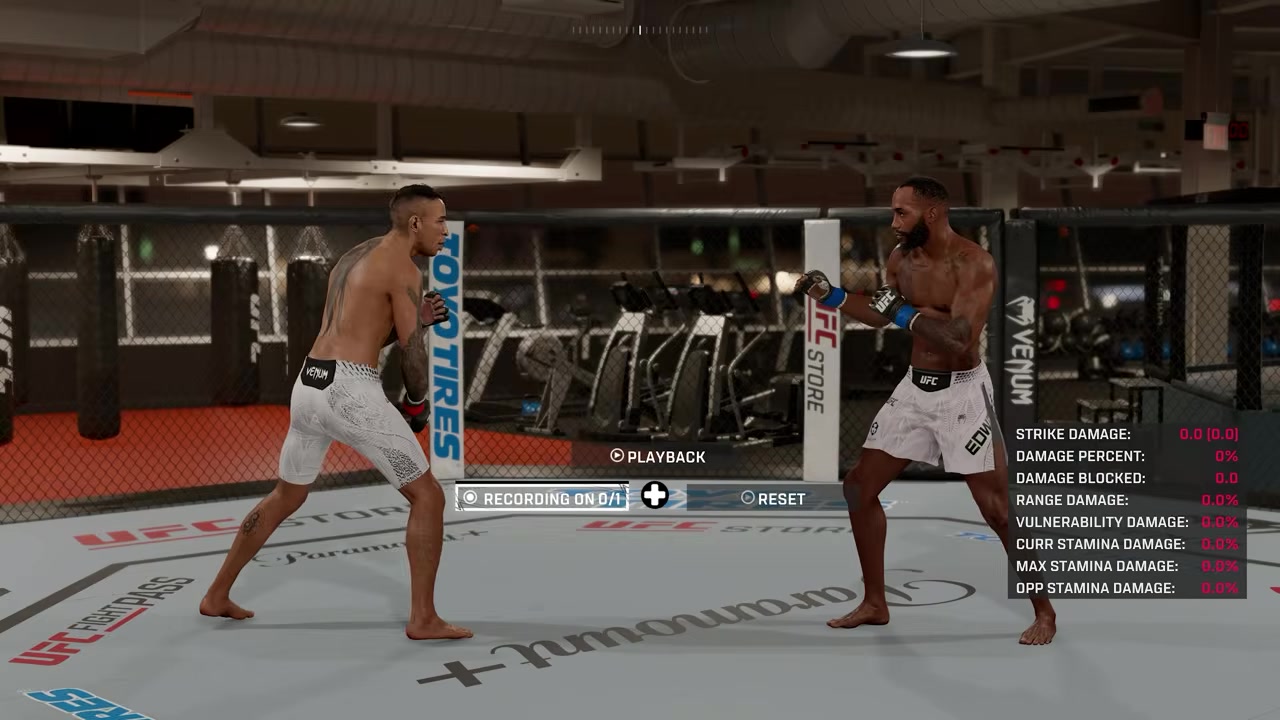
Press left on the D-pad again once the combo is complete.
STEP 6/9
Make the CPU repeat it
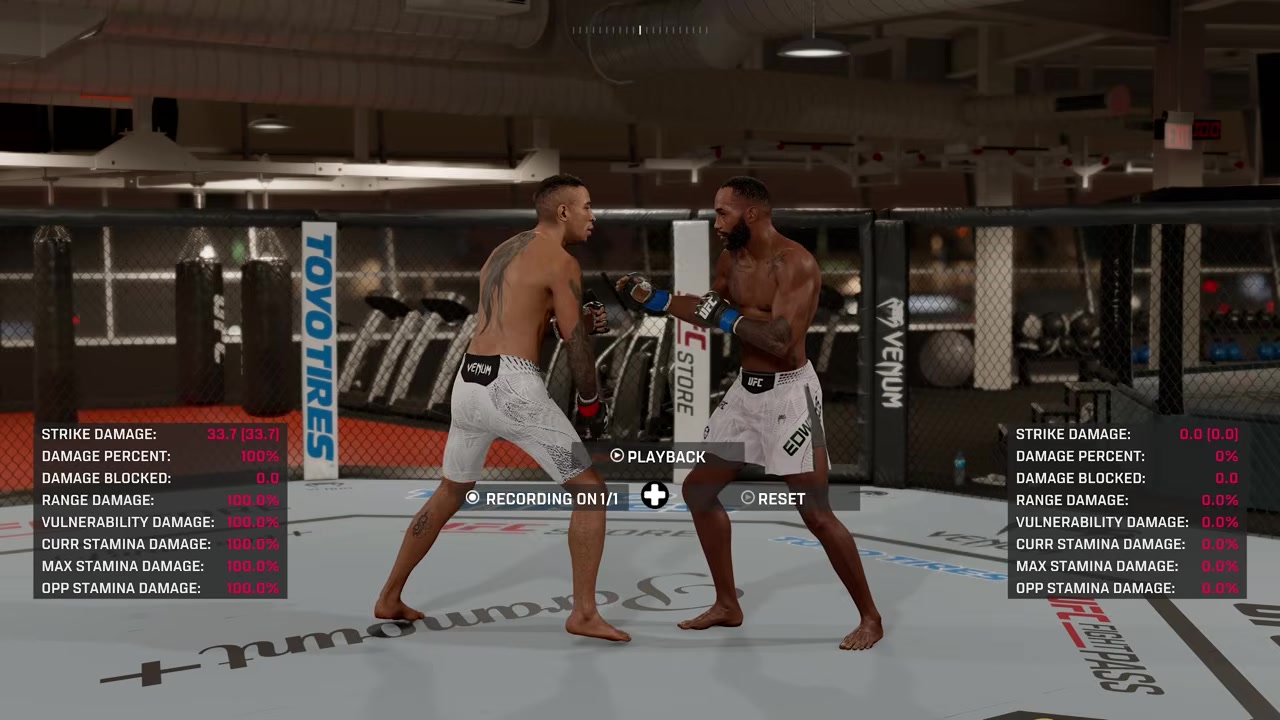
Press up on the D-pad so the CPU starts throwing the recorded combo back at you.
STEP 7/9
Use time dilation if needed
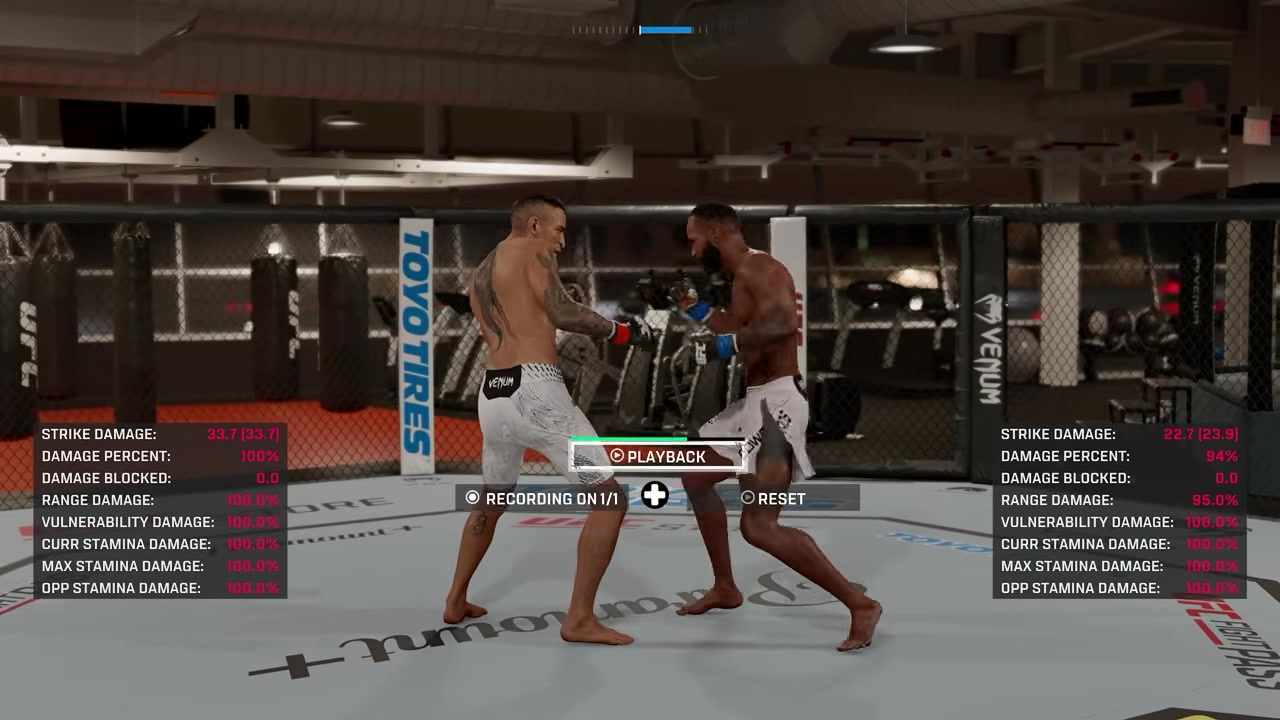
In practice settings, turn on contextual time dilation if you want slower reads and defensive tips while learning.
STEP 8/9
Turn it off for real timing
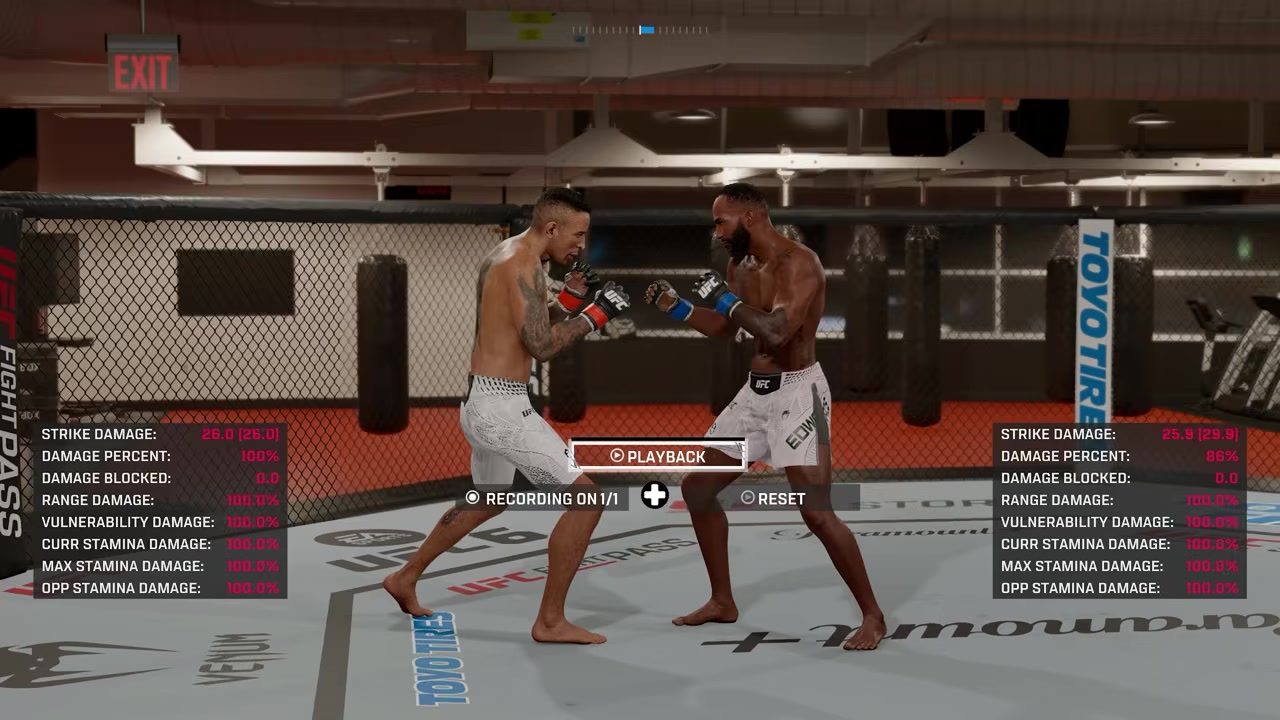
Disable contextual time dilation once you want the drill to feel like standard gameplay.
STEP 9/9
Stop or reset the recording
Press right on the D-pad at any point to stop the attacks and reset the recording.
Video help
Choose defense around your fighter’s block style
| Block style | Strength | Weakness | Best defensive habit |
|---|---|---|---|
| Balanced | Moderate guard with no major tradeoff. | No standout defensive advantage. | Mix block, footwork, and counters without overcommitting. |
| Sturdy | Stronger block for standing your ground. | Slower movement while blocking. | Block short bursts, then move or answer before pressure stacks. |
| Evasive | Fast, fluid, and efficient for stamina-focused movement. | Weaker block when trapped or forced to shell. | Pop in, strike, exit, and avoid long guard exchanges. |
| Philly Shell | Can reduce body damage after blocking head strikes. | Weak over the lead side of the head. | Watch mixed head-body combos and protect the lead side carefully. |
UFC 6 has four defensive block styles: Balanced, Sturdy, Evasive, and Philly Shell. This is not just cosmetic. Your fighter’s block style changes how safe it feels to stand your ground, how much you should rely on movement, and which defensive habits get punished fastest online.
Balanced is the neutral option, with no extreme strength or weakness. Sturdy gives you a stronger committed guard, but you move slower while holding block. Evasive is faster and more stamina-friendly for movement, but the guard is weaker. Philly Shell has useful head-and-body coverage interactions, but the lead side of the head is more vulnerable.
The biggest online mistake here is fighting every character the same way. If you pick an Evasive fighter and stand still behind block, you are using the wrong strength. If you pick a Sturdy fighter and try to dance in and out like a pure movement specialist, you may feel stuck before your offense even starts.
Use high and low block without living behind guard
For basic blocking, hold R2 to block high. To block low, hold L2 and R2 together. High block is your default answer to head strikes when you are unsure; low block is your answer to body and low-line attacks when you read them.
Blocking is still only a safety net. UFC 6 gives your guard block health, so repeated pressure can chew through it. If you stand still and hold guard forever, your opponent gets to decide when to break your block, change levels, drain your stamina, or walk you to the fence.
That is why every block should lead somewhere. After you absorb a few shots, move your feet, lunge out, fire a short counter, clinch if the matchup allows it, or use a timed parry when your block is close to failing. The goal is not to win by blocking; it is to survive long enough to reset the exchange on your terms.
Make footwork your first answer to pressure
| Defensive movement | Input idea | Use it when | Risk |
|---|---|---|---|
| Small step back | Flick the left stick. | You need a quick range reset against short pressure. | Can still leave you in line if the opponent keeps advancing. |
| Major lunge | Hold L1 and tap the right stick in a direction. | You are overwhelmed and need a bigger exit. | Bad timing can move you into follow-up strikes. |
| Signature lunge | With eligible fighters, hold R1 and flick the right stick or left stick. | Your fighter has unique evasive movement you can build around. | Not every fighter has it, and predictable use can be chased. |
| Circle to center | Move laterally instead of retreating straight back. | You are being walked toward the fence. | Circling late can run you into hooks or kicks. |
Movement does more defensive work than most players give it credit for. If a strike never reaches you, it does not damage your block, drain your guard, force a risky sway, or require perfect parry timing. Small steps in and out also make your opponent miss just short, which is often safer than trying to react at the last second in the pocket.
Remember that holding block slows your movement. This matters a lot online: if you cover up too early while retreating, you may move yourself into a worse position. Sometimes the correct defensive choice is to release block, step out, then re-guard once you are back at a safer range.
When pressure feels overwhelming, stop backing straight up and circle toward the center before your block health collapses.
Save head movement for reads you trust
| Read | Defensive idea | Counter idea | Main danger |
|---|---|---|---|
| Straight punch at your head | Slip or lean off the center line. | Return with a fast straight/cross if the miss is clear. | Guessing wrong can put your head into the next shot. |
| Opponent overcommits forward | Lean back to make the strike fall short. | Use a straight/cross or uppercut from the pull. | Leaning back too often can be chased or timed. |
| Related uppercut after your body work | Be ready to move your head as they answer. | Counter after the uppercut whiffs. | If you mistime it, the uppercut can land clean. |
| Hook pattern from either side | Duck right or left with the right stick. | Fire a hook as the paired counter. | Ducking into an uppercut is a fast way to get rocked. |
Head movement is powerful because it lets you make a strike miss while staying close enough to counter. Flick the right stick in a direction to use it. That makes it much more dangerous than plain footwork, but also much riskier: if you move your head the wrong way, you can take clean damage instead of guarded damage.
The most important rule is to stop swaying randomly in the pocket. Head movement works best when the opponent is predictable, repeating the same punch, answering your body work with the same uppercut, or throwing a clear pattern after certain entries. If there is no read, block or move first.
Head movement is also tied to sensible counter choices. A lean back pairs well with fast straight-line counters like a straight/cross or uppercut. A duck to either side pairs with a hook. If your counter does not match your head position, it can come out slow, miss the window, and leave you open.
You can also hold R2, or L2 plus R2, while using head movement to reduce some risk, but there is a tradeoff. Blocking while moving your head can slow your counters, so treat it as a safer read, not a free punish.
Use parries as timed relief when guard is fading
Parrying in UFC 6 is a timed defensive option triggered by blocking while leaning back. In PlayStation-style controls from the in-game demonstration, hold R2, then flick the right stick toward the direction that matches your fighter leaning back. If your fighter is on the left side, flick left; if your fighter is on the right side, flick right.
A well-timed parry can stop a head strike before it lands. Standard styles show a long-guard style parry, while Philly Shell fighters can use a different elbow-based animation known as Crawfish Shell. The timing has to be precise, and exact frame windows are not confirmed, so do not build your whole defense around trying to hit a hidden number.
The important limitation: parrying is mainly for head strikes, and it does not stop every head strike cleanly. A big overhand or heavy strike can still deal damage through the attempt. It also does not completely kill the attacker’s momentum, so a parry is not a guaranteed counter starter in the way some older UFC habits might suggest.
Think of parry as the middle option between blocking and head movement. When your block health is low and you do not want to risk a full sway, a timed parry can buy you a moment. If the opponent is predictable, you may be able to answer quickly, but the safe goal is first to stop the strike and reset the exchange.
Catch body kicks when the timing is perfect
| Mistake | Why it gets you hurt | Better habit |
|---|---|---|
| Holding block forever | Block health runs out and pressure starts bleeding through. | Block briefly, then move, parry, counter, or reset. |
| Swaying randomly in the pocket | Wrong-direction head movement eats clean strikes. | Use head movement only when you have a clear read. |
| Ignoring stamina | Low stamina makes every defensive mistake worse. | Throw less wildly and stop forcing counters after every exchange. |
| Using the wrong block style | Your fighter’s defensive strengths are wasted. | Match your plan to Balanced, Sturdy, Evasive, or Philly Shell. |
| Backing into the cage | Your exits become predictable and pressure stacks faster. | Circle back to center before you are pinned. |
| Expecting parries to guarantee counters | Parries do not fully stop momentum or every head strike. | Use parry to survive pressure, then counter only if the opening is real. |
| Ignoring body and leg attacks | You lose stamina, health, and long-fight mobility. | Mix low block, distance, checks, and body-kick catches when readable. |
There is one more defensive layer worth adding: the body-kick catch. If you block low with perfect timing against an incoming body kick, your fighter can catch the opponent’s leg.
Most online knockouts start before the final punch lands. They come from small defensive habits stacking up: staying on the fence too long, letting stamina drain, guarding with the wrong style, or guessing with head movement because blocking already failed.
Follow this defensive flow in online fights
When you are unsure, start with range and block. Move just outside the opponent’s preferred distance, use high block for head pressure, and switch low when body or kick attacks become obvious.
When your block is weakening, stop accepting the same exchange. Take a small step back, use a major lunge if pressure is heavy, or circle toward the center before the fence removes your exits.
When the opponent becomes predictable, add the risky tools. Use head movement against repeated punches you can actually read. Use parry when your guard is under pressure and a head strike is coming. Use a body-kick catch only when the kick timing is clear enough to justify the low-block attempt.
When you are trapped near the fence, prioritize escape over punishment. A blocked counter that keeps you in place is often worse than a clean reset to center. Once you are back in open space, your block, lunges, slips, and counters all become harder to predict.
Frequently Asked Questions
Can you parry every head strike in EA UFC 6?
No. Parries mainly help against head strikes, but they do not stop every head strike cleanly. Heavy attacks like big overhands can still deal damage through a parry attempt.
Is parrying better than blocking in UFC 6?
Not as a default. Blocking is safer when you are unsure, while parrying is a timed option for moments when you read a head strike or your block health is low. A parry is also not a guaranteed counter setup.
Why do I still get hit when I use head movement?
Head movement depends on direction, range, timing, and the strike coming at you. If you sway the wrong way, move too late, or duck into a follow-up uppercut, you can take clean damage instead of avoiding it.
Which UFC 6 block style is best for beginners?
Balanced is the easiest starting point because it has no major defensive weakness. Sturdy can also feel safer if you prefer a stronger guard, but you must account for slower movement while blocking.
How do you practice defense against the same combo?
Go to Learn, enter Practice Mode, open AI Behavior, and use Strike Recording. Press left on the D-pad to record, throw the combo, press left again to stop, then press up to make the CPU repeat it.
More questions⤵
Can you catch body kicks in UFC 6?
Yes. If you time a low block perfectly against an incoming body kick, you can catch the leg. From there, you can follow with counter kicks, punches, elbows, or takedowns.

Leave a Reply