

To score higher in Denshattack, start with safe tricks, link them through grinds and clean landings, and treat every jump or rail as a setup for the next move before the combo drops.
Denshattack is a high-speed 3D arcade platformer where you pilot a gravity-defying train, flipping and grinding across Japanese cities to rack up points and reputation. You play as Emi and a crew of outcasts taking on the Miraidō corporation (the name shows up as both “Miraidō” and “Miraido”), and almost everything you do to progress runs through one system: the score chain. This guide covers how to start a combo, keep it alive across a run, and practice until long chains become second nature.
What a combo is and where to start
A combo in Denshattack is a running score chain: you pull a trick, grind a rail, land cleanly, keep moving, and repeat, and the game rewards you for how long you can hold that loop together without crashing. Every jump and every rail is really just a setup for the next move, so the goal isn’t one flashy stunt, it’s a continuous flow.
KEY!As a beginner, focus on that flow rather than difficulty. A gold-medal score is achievable simply by keeping the tricks flowing and the combo alive, so your first job is learning to move from one feature to the next without dropping the chain, not memorizing the hardest tricks in the game.
These habits build the muscle memory for long chains, so lean on them until keeping a combo going feels automatic.
STEP 1/6
Start with a safe opener
Begin every chain with low-risk basics like an ollie or kickflip so you already have points banked before you try anything showy.
STEP 2/6
Grind the rails to extend the chain
Long rail sections are built for continuous tricks, so jump onto a rail early and ride it to stretch the combo.
STEP 3/6
Mix your trick types
Rotating through flips, grinds and stunts scores better than repeating one move, so vary whatever you can reliably land.
STEP 4/6
Keep your speed up
The train needs momentum to reach the next rail or jump before the chain drops, so avoid anything that stalls you out.
STEP 5/6
Land every trick cleanly
A clean landing is what keeps the chain alive and feeds straight into your next setup.
STEP 6/6
Don’t overcommit early
Skip the hardest stunts until the basics are automatic, because a dropped big trick costs you more than a safe small one earns.
Bank a long chain of simple tricks before you gamble on a big flip — a run of clean, easy moves usually scores more than one hard trick you only land half the time.
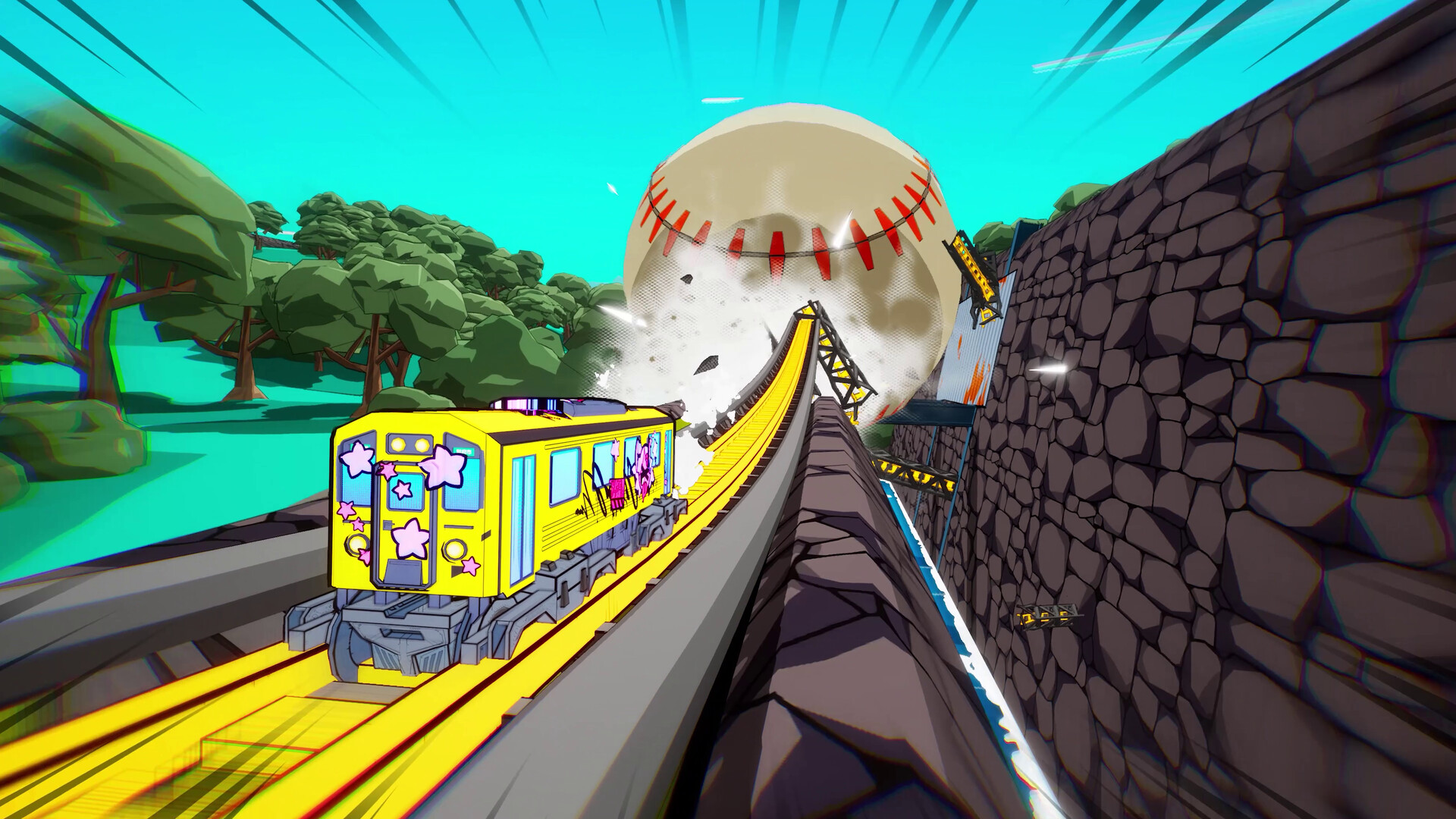
Keeping a score chain alive mid-run
| Situation | Best move |
|---|---|
| Approaching a rail | Get onto it early and hold the grind to stretch the chain |
| Coming off a jump | Line up a clean landing before you think about the next trick |
| Losing speed | Ease off tricks briefly and rebuild momentum toward the next feature |
| Chain already high | Stick to moves you land reliably instead of chasing a hard flip |
| Long straight section | Link grinds and simple tricks to keep the chain from dropping |
Once a chain is running, your decisions get simpler: protect it. That means planning your route a little ahead so you always know where the next rail or jump is, holding your momentum between features, and leaning on long grind sections to keep the chain ticking when there’s nothing else nearby. The single most important habit is choosing consistency over spectacle. When a score chain is already stacked up, a trick you land nine times out of ten is worth far more than a risky one that might end the whole run.
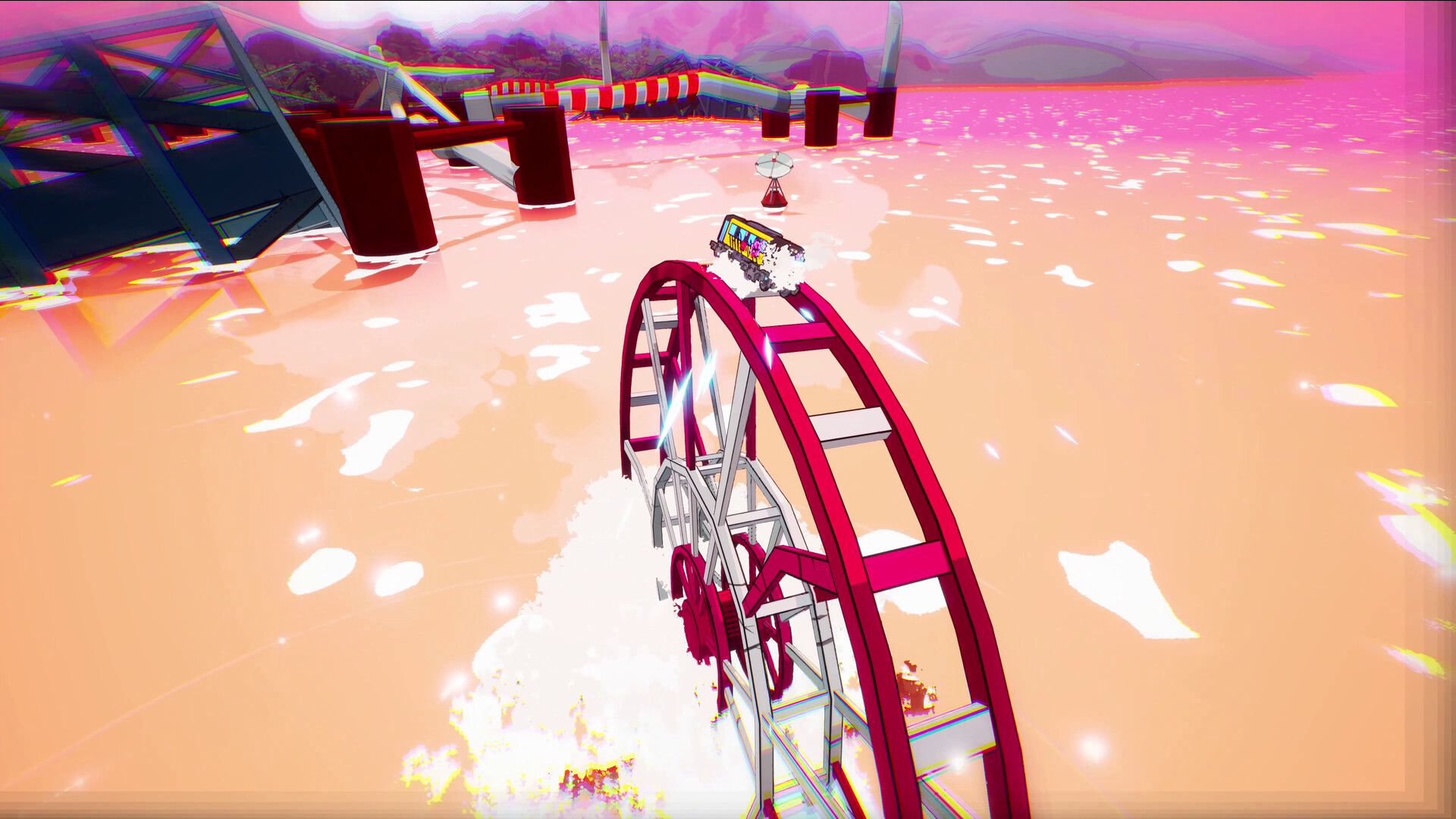
Beginner mistakes that end high-score runs
| Mistake | Fix |
|---|---|
| Crashing or derailing | Keep your speed manageable and land before starting the next move |
| Missing landings | Favor tricks you can stick over ones that just look impressive |
| Losing speed between features | Plan the route so rails and jumps flow into each other |
| Repeating one big trick | Vary flips, grinds and stunts for more scoring per chain |
| Entering a stage blind | Do a slow lap first to learn the layout before you push for score |
Most wiped runs come down to a handful of repeat errors. The big one is going in blind: with more than fifty stages spread across regions like Kyushu, Osaka, Tokyo and Hokkaido, each layout is different, and charging through an unfamiliar one at full speed makes dropped combos and crashes far more likely. The other common trap is over-relying on flashy jumps while under-using the long grinds that the levels are actually built around.

A practice routine for consistent combos
Getting reliable at combos is mostly about building up in layers instead of trying to do everything at once.
Work through these in order, and only move up once the previous layer feels automatic.
STEP 1/4
Drill the basic tricks
Practice simple inputs like an ollie, a kickflip or a Front 180 (a quarter-circle down and a sweep to the right) until you land them without thinking.
STEP 2/4
Link rails into jumps
Practice riding a grind and popping straight into a trick off the end, since these transitions are where beginner chains usually break.
STEP 3/4
Run full stage routes
Once the individual links are reliable, string them across a whole stage to build a repeatable high-score line.
STEP 4/4
Use the trick park if your version has it
The pre-launch build included a trick park for practicing stunts, combos and landings, so if it’s in your version it’s the safest place to rehearse without risking a run.
Frequently Asked Questions
Do crashes or bad landings break your combo?
Yes. Crashing, derailing or blowing a landing ends the chain and wipes the score you’d built into it, dropping you back to starting from scratch. That’s exactly why landing every trick cleanly matters more than how hard the trick was.
Should beginners chase harder tricks or longer chains first?
Go for longer chains. A long run of tricks you actually land banks steadily, while one difficult trick you attempt and drop can erase everything behind it, so the consistent chain is almost always the higher score.
Are grinds important for high scores?
Very. The long rail sections are core to how the stages are designed, and they let you keep a chain running continuously between jumps, which is why under-using them is one of the most common ways new players leave points on the table.
Is there a known exact combo timer or multiplier value?
The exact combo multiplier values and the length of the combo timer aren’t spelled out anywhere reliable yet, so treat them by feel: keep moving into the next trick quickly and don’t let a gap sit too long. Play the chain by rhythm rather than trying to count against a specific number.
What should I practice first for gold medals or higher scores?
Start with the basic tricks and clean landings, then link them together. Score medals reward performing as many tricks and combos as you can in a run, so raw volume of clean tricks is what pushes the number up, while time medals are a separate challenge you can worry about later.




Leave a Reply