
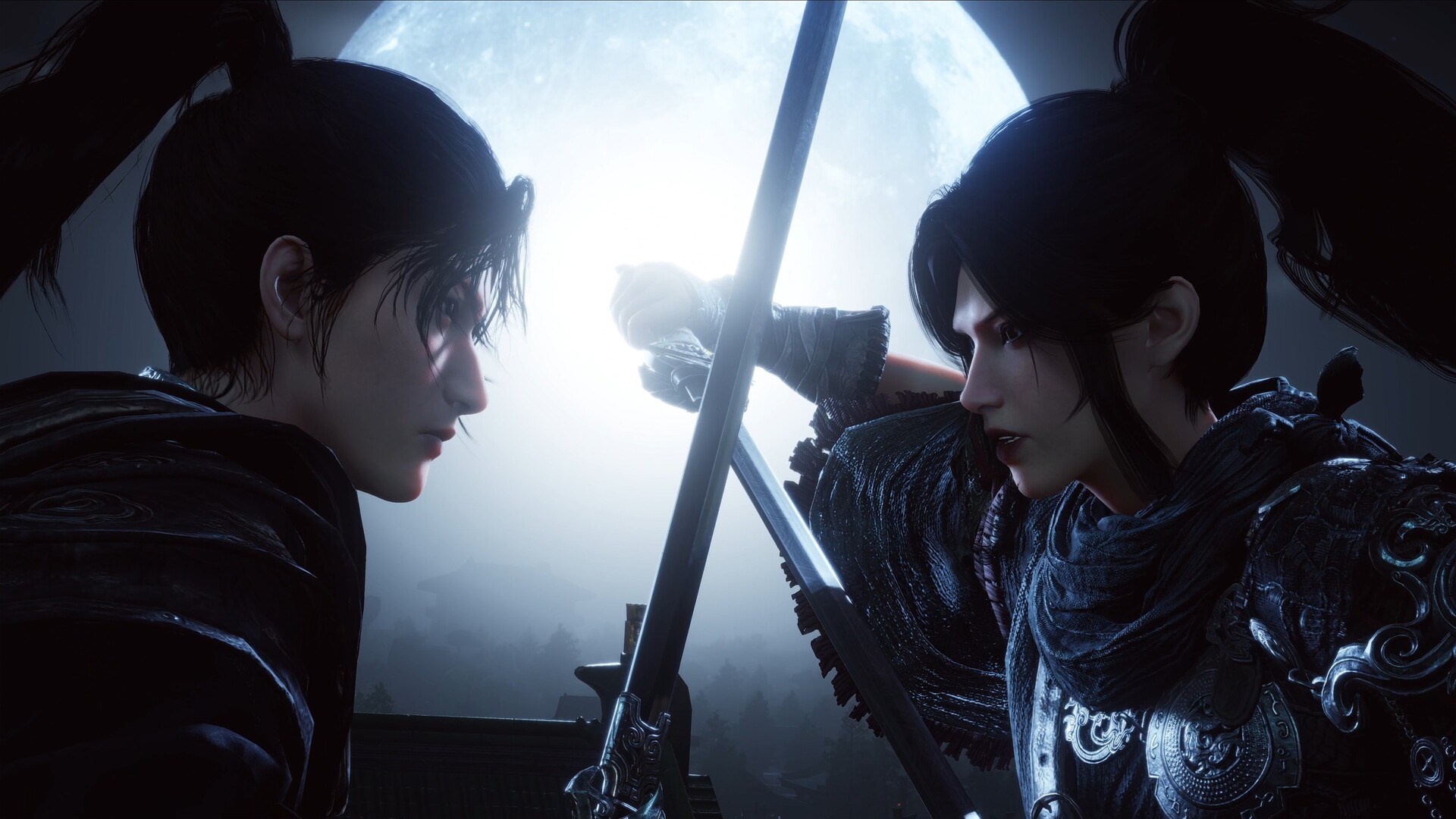
Hidden Mountain is a Version 2.0 region with 4 main areas and 14 sub-regions, as of its July 23, 2026 launch, the reliable map breakdown is by announced vertical layers: surface ruins, underground caverns, underwater Mohist ruins, and Mohist City sky routes.
Where Winds Meet is stepping into its 2.0 era with a mountain that the game’s own marketing describes as invisible from the outside — Bujian Mountain, a peak riddled with a millennium of Mohist clockwork. What makes it different from Qinghe, Kaifeng, Hexi or Liangzhou is not its footprint but its height: more than 2,000 meters of vertical exploration depth, from flooded ruins under the water to a mechanical city hanging in the clouds.
That vertical structure is the map. Rather than a flat overworld you sweep left to right, Hidden Mountain stacks four distinct environments on top of each other, and knowing which layer holds what is the fastest way to plan your first week in the region.
- When Hidden Mountain unlocks and what is knowable now
- The four layers of Hidden Mountain at a glance
- Surface trails, gorges and mountain ruins
- Subterranean labyrinths and clockwork halls
- Flooded chambers under the water
- Mohist City and the cloudways above the peaks
- Content packed into the region
- Getting around a 2,000-meter map
- What players get wrong about Hidden Mountain
- What we’re still learning now Hidden Mountain is live
- Frequently Asked Questions
Hidden Mountain arrived with Version 2.0 on July 23, 2026 (UTC). It is not reachable on the Version 1.8 client, so if you press J and hunt the exploration menu for a Bujian or Hidden Mountain entry today, there is nothing there to accept — the quest hooks and the region open together with the patch.
KEY!The developers have published the region’s counts, its four structural layers, its sect, its bosses and its systems. What they have not published is the in-game name and position of each of the 14 sub-regions. So this is a map guide built on the layer structure, which is solid, rather than a labeled collectible route, which nobody can finish honestly until the servers flip.
| Map layer | What is inside |
|---|---|
| Surface valleys and ruins | Mountain trails, cliffs, gorges, ruined Mohist structures, side stories, and Jianghu Legacies hidden along cliff paths and plateaus |
| Underground palaces and caverns | Subterranean labyrinths, Mohist clockwork halls, gear puzzles, hidden paths, and mechanism-driven boss spaces |
| Underwater Mohist ruins | Flooded chambers, underwater trenches, and device-filled ruins that need traversal skills and contraptions to open up |
| Mohist City, cloudways and sky routes | A mechanical city suspended in the clouds, multi-level cloudways, clockwork towers, and major boss arenas |
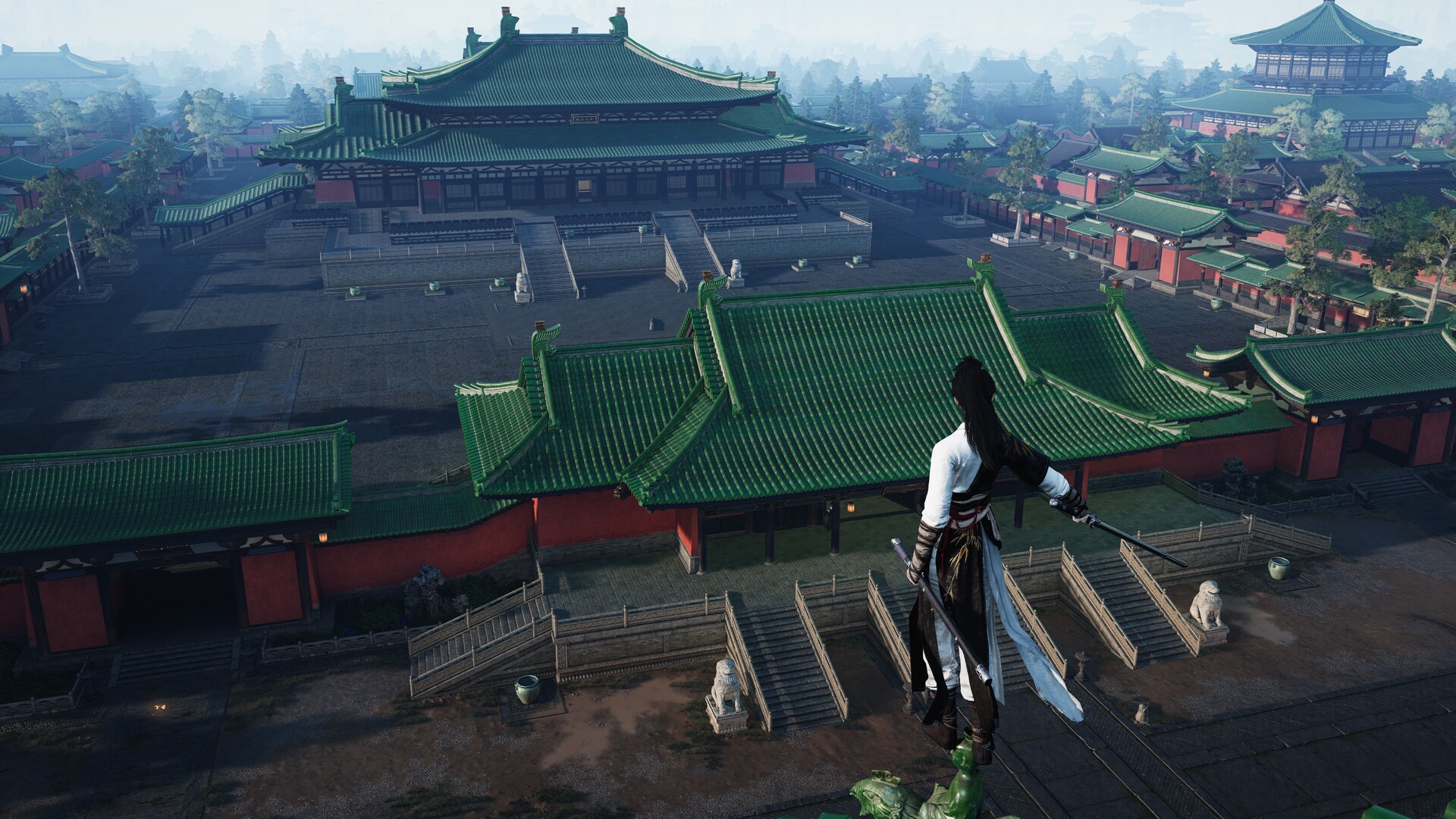
Read that table top to bottom and you have the climb itself. Every layer is themed around the same idea — Mohist engineering woven into the terrain — but each one asks something different of you, and the game expects you to move between them constantly rather than clear one and never return.
Surface trails, gorges and mountain ruins
The outdoor layer is the one that looks most like the Where Winds Meet you already know, only turned on its side. Bujian Mountain is the game’s first true high-mountain landscape, built from cliffs, peaks and deep gorges rather than the river crossings and open plains of earlier regions, and the whole thing carries an Eastern Steampunk look where weathered rock and clockwork architecture share the same skyline.
Scattered across those trails are ruined Mohist structures and the side stories tucked inside them. Several of the region’s Jianghu Legacies sit along cliff paths and plateaus, which means the surface is not a corridor between fast-travel points — it is a discovery space that rewards taking the long way around a ridge.
The living detail is heavy here too. Water-powered washing machines pound fabric through the day, waterwheels irrigate fields, mill gears turn with the current, and the mountain’s wildlife has its own agenda: annoy the wild monkeys and they will throw stones at you, and the pelicans are less harmless than their faces suggest.

Subterranean labyrinths and clockwork halls
Drop below the trails and the region turns into a puzzle box. The underground layer is built from subterranean labyrinths and Mohist clockwork halls where the architecture is the mechanism — you read the structure, work out what the gears are supposed to do, then manipulate them to open a path that was never marked on your map.
This is also where a share of the region’s boss encounters live, and they are tied to the environment rather than dropped into an empty arena. Fighting a clockwork enemy inside a hall full of working machinery means the room is part of the fight.
Exact hall names and coordinates come with the patch, so treat the underground as a layer to sweep methodically rather than a checklist you can pre-plan.
Flooded chambers under the water
Hidden Mountain runs below the waterline as well. The underwater layer holds flooded chambers, trenches and device-filled ruins — the oldest surviving Mohist work in the region, and the part most obviously sealed off until you know how to open it.
Getting through it leans on traversal skills and, in places, the region’s mechanical vehicles. The developers group underwater access with the broader Mohist-mechanism toolkit, so expect chambers that stay shut until you have found the device that drains, lifts or unlatches them rather than gates tied to a single unlock.
Mohist City and the cloudways above the peaks
The headline of the whole region is the city in the clouds. Mohist City is a working mechanical settlement suspended above the mountain, stitched together by multi-level cloudways that thread through the peaks and by clockwork towers that climb out of the city itself. At night the lights and the moving gears intertwine, and from the valley floor the city flickers in and out of view as mist rolls along the ridges.
It is a real place with residents, not a skybox. The Mohist Hill sect lives inside it — workshops at the foothills, disciples in the towers deep in the city, all of them researching, building, debating and going about their day. That is a deliberate break from how sects have worked before: Mohist Hill is not a menu or a fast-travel node, it is a district you walk through. You start there as an apprentice and climb to master artisan through research, mentorship and submitting your own creations, and the sect’s philosophy — Utility, Universal Love, and Non-Aggression — frames mechanics as tools for solving real problems rather than displays of power.
They are not alone up here. The Qiongqi Artificers are just as skilled with mechanisms but worship raw power, believing mechanical might should decide who controls the mountain. The fight between the two factions runs through the region’s story, and the outcome is put in your hands.
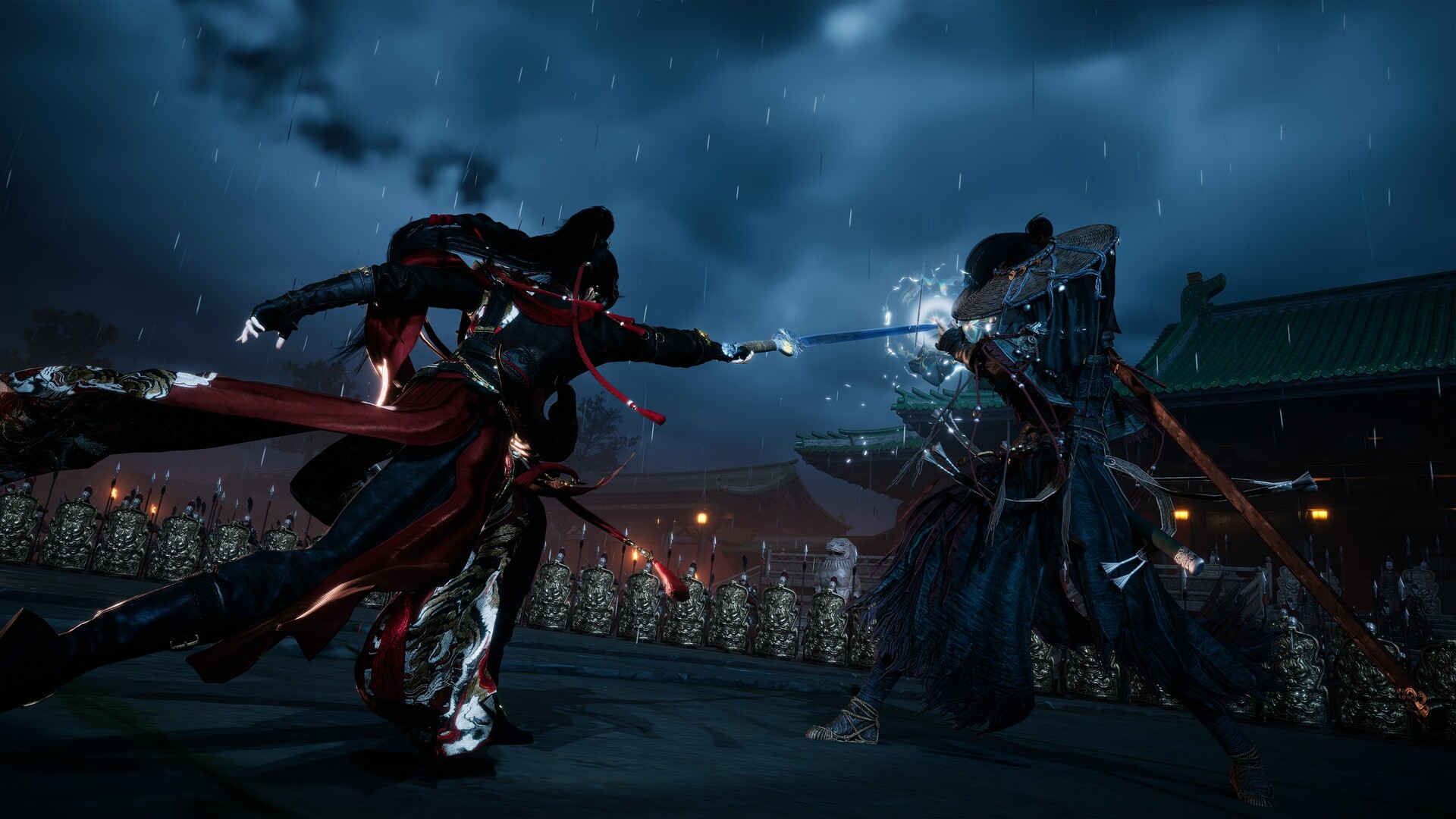
Traveling between the city and everything below it is its own system. Clockwork Aircraft and the Shuttle Train act as transport between regions, and the towers double as boss arenas — Changeless Heart – Zhang Wanshi and his puppet formations, with the mechanical Rosy-Faced Swordsworn turning every hanging wire into a twin-blade strike. Brute force does not work on any of it; you watch how a construct moves, decode its mechanical logic and hit the weak point.
Unlock the “Divinecraft” quest series early — it teaches how Mohist mechanisms actually operate, and that reading is what opens the hidden paths in every other layer of the map.
Content packed into the region
| Content | Detail |
|---|---|
| Main areas | 4 |
| Sub-regions | 14 |
| New bosses | More than 10 |
| Jianghu Legacies | 8 |
| Side stories | Dozens |
| Mohist Hill | New sect, lived-in hub from foothill workshops to city towers |
| Mechanical marvels | 5 distinct creatures, each found a different way |
| Interactive NPCs | Over 10,000, each with routines and daily lives |
Hidden Mountain is not a scenery patch. The region ships with its own bosses, its own legacies, its own sect progression and a population dense enough that walking a street means overhearing conversations and bumping into Mohist disciples mid-experiment.
The five mechanical marvels are the most map-specific hunt in that list — the sound-tracking Jadesong Cicada and the water-gliding Wicker Ray each demand their own method to uncover, which spreads the search across layers rather than clustering it in one biome. On the combat side, the region brings the Gauntlets weapon class and the Bamboocut Kite martial art that pairs Gauntlets with a Rope Dart, plus World Bosses like the synchronized duo Ci & Cuo and the Ironheart Centipede with its multi-leg strikes and toxic mist. The Bell Toller and Golden Colossus are lined up to follow.
Getting around a 2,000-meter map
Movement in Hidden Mountain is a skill check rather than a formality. Lightness Skill, climbing and gliding carry you between elevations, and the mountain is built so that the route up a cliff face or down into a gorge is often the puzzle itself rather than the gap between two puzzles.
Two systems change how you interact with the terrain. The Divinecraft quest series teaches Mohist mechanism logic, and the new Celestial Seize ability goes well past pulling items toward you — it lets you rearrange mechanisms in the world, which is how a lot of hidden paths get opened. Combine that with gears you turn by hand, the clockwork Aircraft and the Shuttle Train, and a mechanical crafting system that assembles parts into custom vehicles and contraptions, and areas that look sealed on your first pass become reachable later.
The practical habit for this region is to observe before you climb. Devices are blended into the environment instead of flagged with markers, so the intended answer is usually to work out what a structure was built to do, then make it do that.
The most common one is assuming it is already playable. It is not in Version 1.8 — it unlocks with 2.0 on July 23. The second is calling it paid DLC, when every official communication treats it as a free major expansion for all players, in line with the earlier Imperial Palace and Hexi expansions. Completing the version’s content also hands out 60 free pulls (including those converted from Echo Jades) and three outfits.
Two naming issues trip people up as well. Mohist Hill is the sect and its hub, not the mountain — the mountain is Bujian Mountain. And Hidden Mountain is not another flat overworld zone; the vertical, multi-layered design is the whole point, and any fully labeled map circulating before July 23 is incomplete or speculative rather than the final layout.
The pieces still missing are the ones only the live client can settle: the official in-game names of all 4 main areas and 14 sub-regions, their positions on the world map, and exactly where each boss and Jianghu Legacies sits.
Once the patch lands and those are confirmed in-game, a full completion route becomes possible — sub-region by sub-region, with all 8 Legacies and the boss spawns marked. Until then, plan around the four layers and the systems that open them.
Frequently Asked Questions
In Hidden Mountain live in Where Winds Meet yet?
No. Hidden Mountain launches with Version 2.0 on July 23, 2026 (UTC). Version 1.8, which went live on July 9, 2026, was an optimization and bug-fix patch and does not include the region.
How many areas and sub-regions does Hidden Mountain have?
Four main areas and 14 sub-regions, with more than 2,000 meters of vertical exploration depth between the lowest chambers and the sky city.
Are all 14 Hidden Mountain sub-region names known?
Not yet. The counts and the four structural layers are public, but the individual in-game names and positions of the sub-regions arrived with the patch itself.
What is Mohist Hill in Hidden Mountain?
It is the new sect debuting with the region, built around engineering and craftsmanship instead of martial arts. You join as an apprentice and rise to master artisan through research, mentorship and submitting your creations, and its rival faction is the power-worshipping Qiongqi Artificers.
What is there to do inside Hidden Mountain?
Over 10 new bosses, 8 Jianghu Legacies, dozens of side stories, the Mohist Hill sect ladder, five mechanical marvels to track down, the Divinecraft mechanism questline, and the Gauntlets weapon with its Bamboocut Kite style.
More questions⤵
Is Hidden Mountain free?
Yes. Hidden Mountain is a free major expansion for all players with the Version 2.0 update.
Video help




Leave a Reply