
Homestead in Where Winds Meet is a village-management system built around running businesses such as an inn or tavern, porcelain kiln, brewery, farm, and trading loop, but current public sources only support a high-level guide rather than exact profit or upgrade math.
The Where Winds Meet Version 1.8 update, “Companions Make Home,” turns Homestead from a place to decorate into a small economy you operate. You return to Blissful Retreat in Qinghe as the Young Master, rebuild the village, and run several connected businesses. The loop is clear: buildings, workers, and currency drive the system. The numbers are not pinned down yet, so this guide explains how the system fits together without inventing optimization math.
- What Homestead is in Version 1.8
- The five Homestead businesses and what each does
- How to start Homestead businesses in Where Winds Meet
- Retainers and why worker assignment matters
- Homestead currency, rewards, and unconfirmed resources
- Mistakes and assumptions to avoid
- Homestead topics worth covering next
- Frequently Asked Questions
What Homestead is in Version 1.8

Homestead is a base you manage rather than a house you dress up. You place buildings, staff them, and run economic activities that feed back into village growth, all anchored to restoring Blissful Retreat. Early coverage frames it consistently: this is “more than building walls,” and many players underestimate how economic the system is.
The five Homestead businesses and what each does
| Business | What it does | Known inputs or resources | Current unknowns |
|---|---|---|---|
| Inn / tavern | Service building that generates income from visitors to the estate. | Guests; villager and animal Retainers staffing it. | Guest types, income per guest, room capacity, and upgrade tiers are not verified. Even the label “inn” vs “tavern” is unconfirmed. |
| Porcelain kiln | A structure you restore and then operate to produce porcelain goods. | Crafting materials (not itemized in sources). | Construction requirements, placement rules, recipes, material costs, and production multipliers are not verified — players are already asking how to build and place it. |
| Brewery | Brews wine, likely turning farmed goods into higher-value products. | Agricultural inputs such as crops. | Recipe lists, fermentation times, and yield per batch are not verified. |
| Farming | Grows or collects agricultural resources that feed the rest of the loop. | Crops; rice appears in promotional/trading context. | Full crop list, growth durations, fertilizer effects, and crop cycles are not verified. |
| Trading | Moves goods for value to support village growth; tied to the “Business Tycoon” framing. | Rice is referenced for trade; other goods unclear. | Trade prices, regions involved, and any multipliers are not verified. |
Five activities are named as Homestead businesses: running an inn (one source calls the service building a tavern instead), restoring a porcelain kiln, brewing wine through a brewery, farming crops and resources, and trading goods to grow the estate. They chain together at a high level — farming feeds the brewery, the kiln produces goods, and trading moves output for value — but the exact connections, conversion rates, and which building feeds which are not spelled out yet. The table below is your scanning aid; the unknowns column states what has not been confirmed.
How to start Homestead businesses in Where Winds Meet
There is no timestamped procedure to follow yet, so use the flow below as the unlock order rather than an exact quest checklist — the precise objective names are not confirmed.
STEP 1/6
Update to Version 1.8

Patch to “Companions Make Home,” released June 25, 2026 UTC, which adds the Homestead business systems.
STEP 2/6
Return to Qinghe

Head back to Blissful Retreat and begin restoring the village as the Young Master.
STEP 3/6
Complete the intro objectives

Work through the Homestead introductory tutorials to unlock management features.
STEP 4/6
Open businesses as they unlock

Restore and open each one in turn — inn/tavern, porcelain kiln, brewery, farming, then trading.
STEP 5/6
Recruit and assign Retainers

Bring on villagers and certain animals as Retainers, then assign them by their talents.
STEP 6/6
Spend Homestead currency
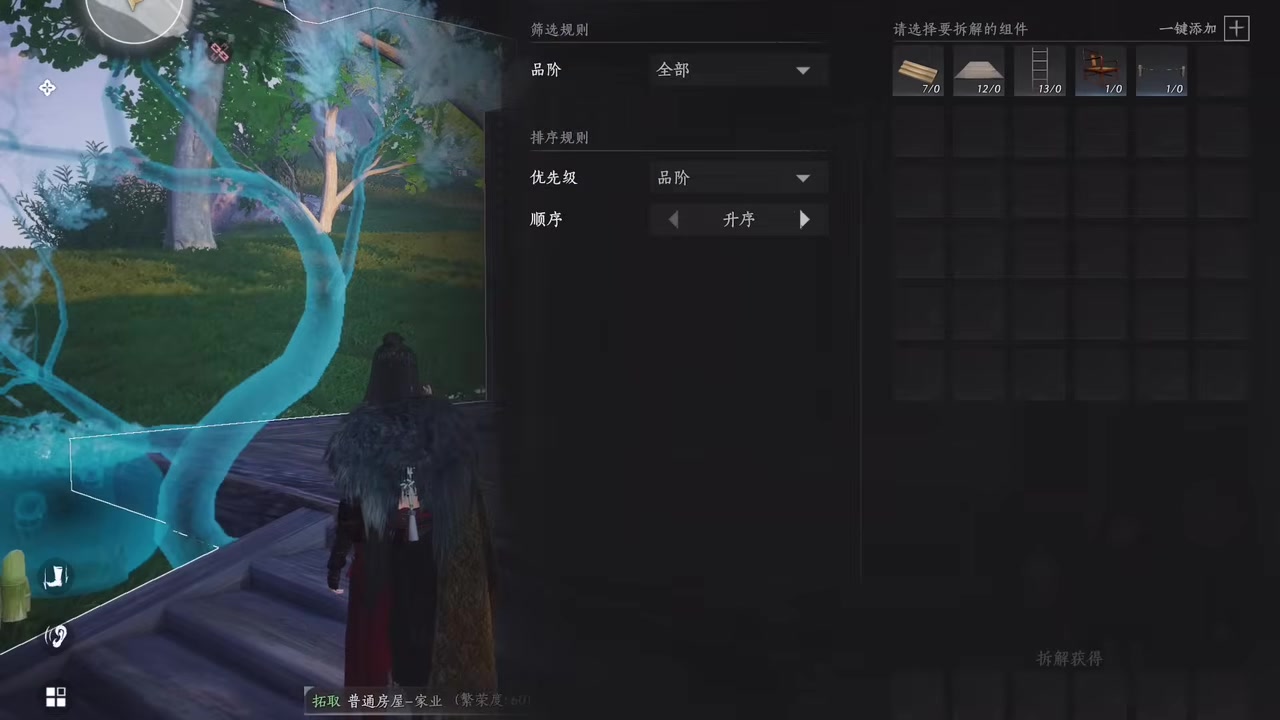
Use business output and objectives to earn the Homestead currency and spend it in the Homestead Shop.
Recruit Retainers early and assign each one to the business that matches their talent — worker assignment is central to running businesses efficiently, not an afterthought.
Video help
Retainers and why worker assignment matters
Businesses don’t run themselves. You recruit villagers — and reportedly some animals — as Retainers, then assign them to your buildings. Every source that covers this treats workers as core to how efficiently a business produces, which means staffing decisions matter as much as which buildings you’ve unlocked.
Homestead currency, rewards, and unconfirmed resources

Running businesses feeds a dedicated Homestead currency, which you spend in the Homestead Shop. The one named free reward confirmed so far is Summer’s Blush — beyond that, shop prices and the full reward list are not verified, so don’t plan a spending priority around numbers that do not exist publicly yet.
Mistakes and assumptions to avoid
The biggest mistake is treating Homestead as purely cosmetic. The whole point of the 1.8 systems is production, management, and rewards — if you only decorate, you’re skipping the part the update was built around. Right behind that is ignoring Retainers; since workers drive business efficiency, leaving buildings understaffed or randomly staffed leaves output on the table.
Don’t confuse general material farming with Homestead farming, either. Community posts about daily drop caps and outpost grinding describe gear and material farms — that’s a different activity from growing crops on your estate, and the tricks don’t carry over. Be similarly careful with the claim that farming is tied to weapon or black-market progression: a video chapter title raises the question, but nothing in the available sources confirms a direct link, so treat it as unverified.
Finally, don’t expect exact porcelain kiln placement, cost, or recipe details from anything circulating right now — those construction rules are not documented, and confident-sounding specifics about them should be read with suspicion until the live data lands.
Homestead topics worth covering next

Once live numbers are in, the natural follow-ups are best Retainer assignments per business, Homestead Shop reward priority, and how Beyond Mundane building and component limits work. Companion and pet interactions with home life are also expanding in 1.8, and detailed business optimization — real ROI, timers, and trade routes — becomes worth writing the moment the economy data is verified.
Related guides
Frequently Asked Questions
Is Homestead only for decoration?
No. While you can build and decorate, the 1.8 Homestead is an integrated economic system with business buildings, NPC workers, production, and rewards. Treating it as cosmetic-only means skipping its core loop.
Are the inn and tavern the same business?
They describe the same guest-driven business, but the exact in-game label is not confirmed. One source names the service building an inn and another calls it a tavern.
Can you work out the best Homestead business for profit yet?
Not reliably. Building costs, production timers, income rates, trade prices, and worker multipliers aren’t verified, so any “best business for profit” or fastest-ROI claim from current information is unverified guesswork.
How do Retainers affect businesses?
Retainers are the NPC (and reportedly animal) workers you assign to buildings, and they’re central to how efficiently each business runs. Exact best assignments and leveling effects aren’t documented yet, so match talents to businesses for now.
Is rice confirmed for trading?
Rice is referenced in promotional and trading context, which strongly suggests it’s at least one trade crop. But the full crop list and the trading price system aren’t verified, so treat rice as the one supported example rather than the whole economy.
More questions⤵
What Homestead reward is confirmed?
Summer’s Blush is the named free reward confirmed so far, earned through the Homestead currency and shop. Other shop rewards and their prices aren’t yet verified.





Leave a Reply