
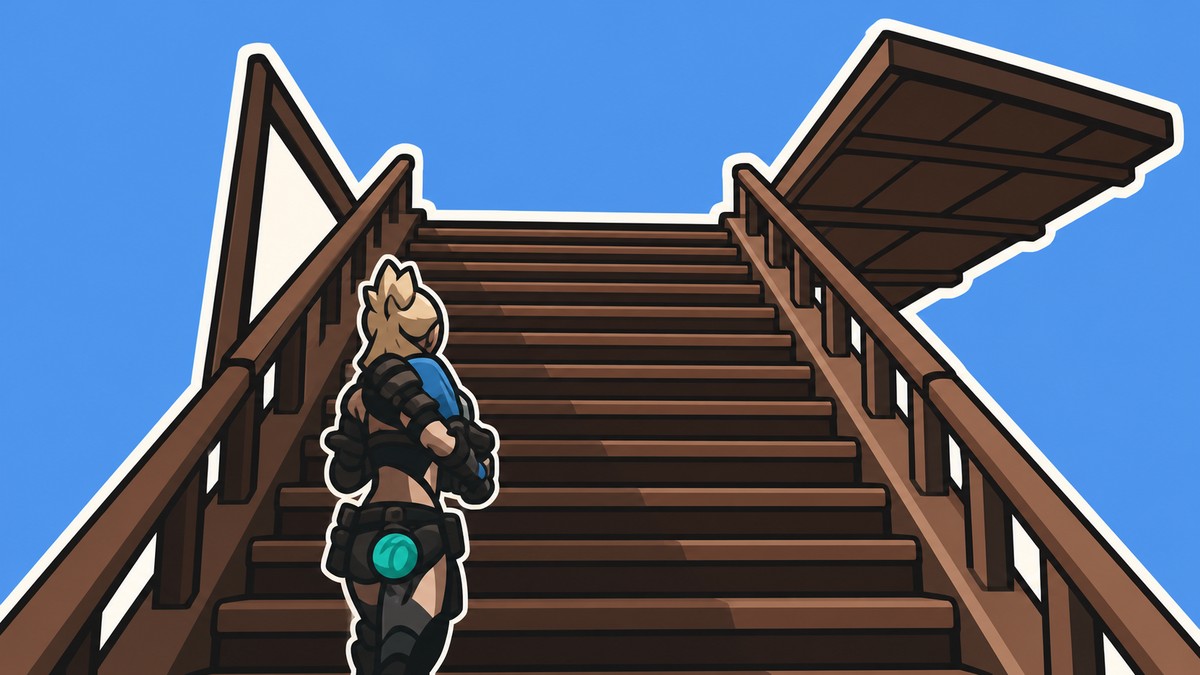
Build a vertical base in Palworld by starting with a foundation footprint, raising a two-wall-high central tower, using roof pieces as floors, then expanding platforms outward and adding stairs, ladders, pillars, beds, and work areas across multiple levels.
Vertical bases are useful when your Palbox area feels too tight for ranches, breeding setups, plantations, oil work, storage, and player rooms at the same time. The 1.0 update makes this style much easier to use because Pals can handle more vertical routing and can connect to some targets across floors, so a tall base no longer has to be just a decoration.
KEY!The main thing to understand before building is that the lower foundation still decides how much useful space you can create above it. A skinny tower can look clean and save materials, but a wider base footprint gives your upper platforms more room to spread.
What vertical bases are good for in Palworld
| Build rule | What |
|---|---|
| Foundation footprint | Place foundations under the area you want the upper floors to reach. |
| Outward reach | Expect upper roof-floor pieces to extend only about two tiles past support. |
| Ground choice | Use mostly flat ground for the first vertical build. |
| Floor height | Build floors at least two walls high for better movement and door options. |
| Visual support | Add pillars below overhangs so wide decks look intentional. |
A vertical base shines when you want to keep the ground floor open for bulky systems while moving beds, player rooms, balconies, and low-traffic utility spaces upward. It is especially handy for breeding and ranch layouts because ranches eat a lot of horizontal space, and it also works well for oil-node bases where the ground already has jobs to do.
You can also use height as a design tool. A tall tower with decks gives you a cleaner silhouette than a flat sprawl, and scenic builds benefit from having rooms and lookouts above the work floor.
How to build the vertical base core in Palworld
This method creates a compact tower first, then turns the roof level into usable platform space.
STEP 1/11
Place the foundation footprint

Start on flat ground and lay the foundations for the area your upper platform needs to reach.
STEP 2/11
Pick a 1×1 or 2×2 core

Use a 1×1 core to save time, or a 2×2 core if you want better doorway and styling options.
STEP 3/11
Raise the walls two high
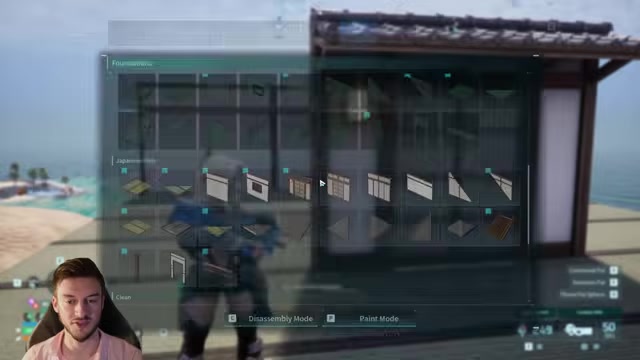
Build the central tower upward with walls, keeping the floor height at two wall pieces.
STEP 4/11
Climb onto the core

Use double-jump boots to get on top of the wall section while you are still building the frame.
STEP 5/11
Place roof pieces as floors
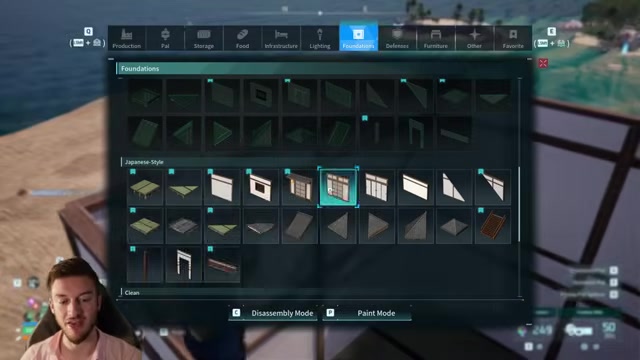
Add roof pieces across the top of the core so they work as the next usable floor.
STEP 6/11
Leave an access hole

Place about three floor pieces and leave one opening so you can jump back up through the inside if needed.
STEP 7/11
Add outside stairs if preferred
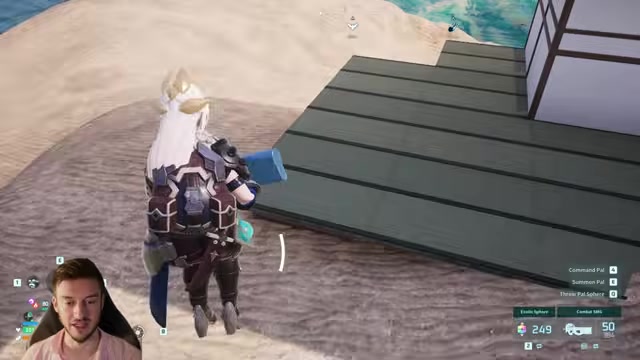
Build stairs up the outside and cut a doorway into the wall if you want a cleaner walking route.
STEP 8/11
Use a ladder for slower access

Add a Ladder inside the tower if you want a simple vertical route instead of jumping.
STEP 9/11
Extend the upper platform

Build roof-floor pieces outward from the top until the structure reaches its support limit.
STEP 10/11
Widen the foundation for more reach

Add more foundations below if the upper platform stops extending as far as you need.
STEP 11/11
Add pillars below overhangs

Stack pillars under long platforms to make the structure look supported and to help awkward extensions.
Start with a 2×2 middle core if you care about the final look, because it gives you room for arc doorways, normal doors, balconies, and wider movement paths without rebuilding the tower later.
Video help
Vertical base layouts that work well
| Layout | Best use |
|---|---|
| Skinny tower with decks | Saving ground space while adding beds, balconies, and small work areas above. |
| Wider tower | Large interiors, wider stairs, and easier routes for tall Pals. |
| Paired towers connected at the top | Creating a broader upper platform without making one massive central block. |
| Sleeping-quarter tower | Keeping Pal beds under roofs while leaving production space outside. |
| Utility deck layout | Putting most work on lower floors and using upper decks for electricity, mining, or player rooms. |
There is no single correct vertical base shape. A breeding base, oil base, scenic home, and compact utility tower all want different traffic patterns, so pick the structure that matches what the base actually does.
The skinny tower is the fastest way to get height, but it can feel cramped once you start adding doors and stairs. Wider towers take more walls on every level, so they cost more time, but they handle bigger interiors and large Pal movement better.
Pal access, beds, and work floors
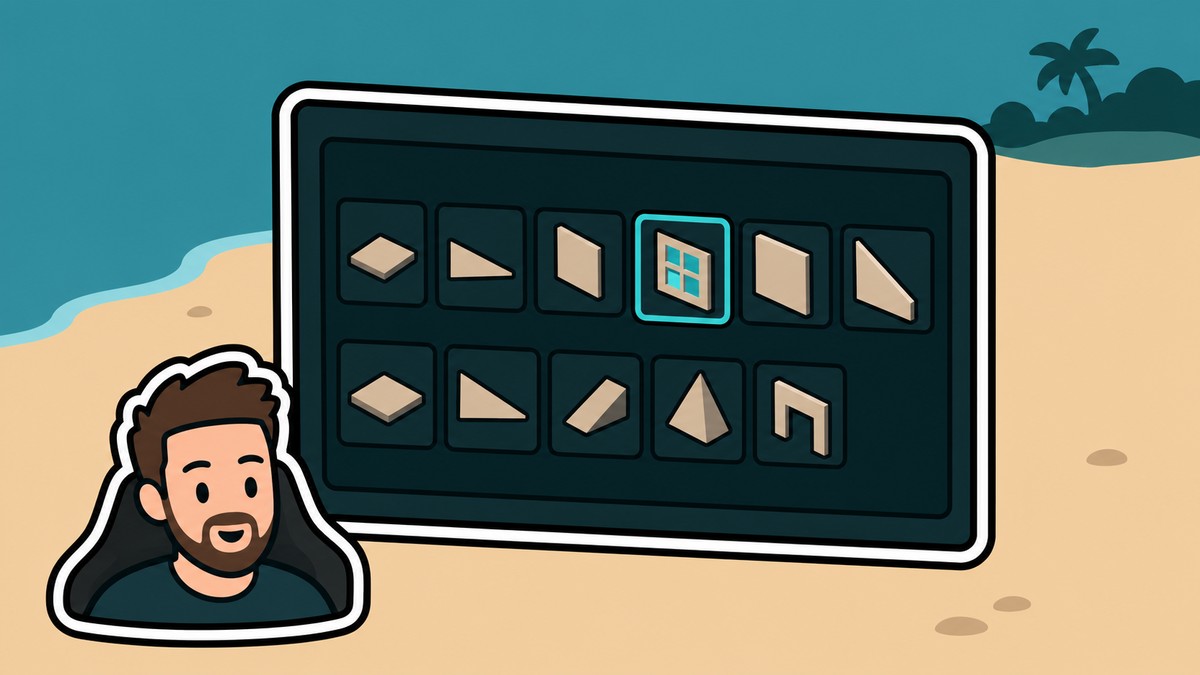
Pals in Palworld 1.0 can connect to beds and some work or transport targets across floors, which makes vertical bases far more practical than older multi-floor builds. Even so, you will get a cleaner base if you keep the busiest jobs near the ground instead of forcing every worker through stairs all day.
Put frequent production, food, storage, ranching, plantations, and oil work where Pals can reach them easily. Upper floors are better for beds, player rooms, low-traffic utilities, viewing decks, or decorative spaces that do not need constant movement.
For larger Pals, build generous routes: use wider stairs, two-high openings, gates, and uncluttered turns. If a staircase has a tight landing or a doorway immediately at the top, it may work for the player but still feel bad for base traffic.
Make tall bases look finished
A vertical base can look awkward if it is only a stack of walls with floating platforms. Railings, balconies, outside decks, and pillars under the overhangs make the structure read like a real base instead of a temporary scaffold.
The 2×2 middle section is the better-looking core for most finished builds. It lets you use arc doorways, standard doorways, two-wide entrances, and balcony paths around the tower, while a 1×1 column mainly gives you speed and lower material cost.
For upper floors, wrap decks around the tower and leave at least one clean entrance back inside. If you plan to keep beds in the tower, give the room a roof, enough open floor, and an exit that does not immediately collide with stairs or railings.
Where tall bases make the most sense
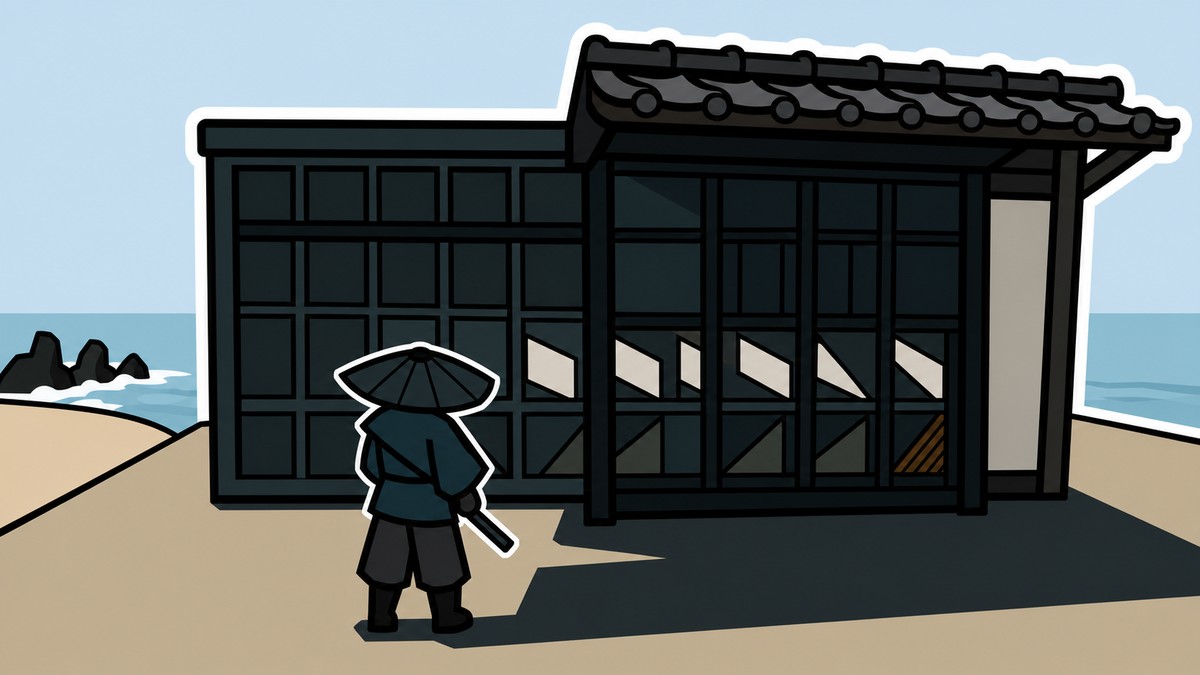
Flat ground is the easiest place to learn the method because your foundations snap cleanly and the upper reach is easier to judge. Island bases with multiple oil nodes benefit from vertical layouts because the ground floor can stay focused on extraction, food, and transport.
Scenic areas such as the Crystalline Archipelago are also strong candidates because a taller build gives you a better view of the surrounding biomes. Sky builds, spire builds, and downward pillar builds are possible, but they are much harder to control, so treat them as advanced experiments after you are comfortable with ground-up towers.
Vertical base mistakes to avoid
The most common mistake is starting with a foundation that is too small. If the roof-floor platform stops extending, the fix is usually not another wall upstairs; it is more foundation coverage below.
Another easy mistake is making every important station sit upstairs. A vertical base can support work across floors, but high-traffic systems still perform best when Pals do not have to squeeze through narrow stairs, short doors, or cluttered turns.
Uneven ground can also slow the whole build down. Plan the base footprint before you start stacking walls, and remember that a wide tower costs more because every floor needs more wall pieces around the core.
Frequently Asked Questions
Can Pals work on upper floors in Palworld?
Yes, Pals can use improved vertical behavior in 1.0, including item transport and connections to some upper-floor targets. For reliability, keep nonstop production and food loops lower while using upper floors for lighter jobs.
How far can upper floors extend past the foundation?
Plan around roughly foundation plus two tiles. If placement cuts off at the top, expand the foundation underneath the direction you want the platform to grow.
Should I use stairs, ladders, or jumping holes for a vertical base?
Use stairs for Pal-friendly movement, ladders for compact player access, and jumping holes only as a fast building shortcut or private route. The cleanest finished base usually has stairs outside or through a wide opening.
How tall should each floor be for large Pals?
Use at least two wall pieces per level when following this tower method. If the floor is meant for very large Pals or busy workstations, give the route extra width rather than only extra height.
What should go on the ground floor versus upper floors?
The ground floor should handle the jobs you check constantly: food, storage, ranches, farming, and oil. Upper floors are better for beds, personal rooms, electricity, mining areas, balconies, and decorative spaces.
More questions⤵
Can Pal beds work if Pals cannot directly reach them?
Yes, beds can still give Pals the sleep effect even when placed above them without a direct ladder or stair route. A reachable sleeping room is still cleaner for layout and roleplay, but the bed connection itself can work vertically.



Leave a Reply