


The New York Times Connections puzzle challenges players to sort 16 seemingly unrelated words into four connected groups. Each group shares a hidden link. Today’s grid blends physical actions, clever rearrangements, and nostalgic references, making it both playful and slightly deceptive. Below you’ll find gentle hints to guide your thinking, followed by the complete solutions once you’re ready to check your work.
NYT Connections Puzzle Overview: 29 June 2026
Today’s Connections puzzle leans heavily into verb-based thinking and lateral associations. Some groupings feel intuitive, while others rely on spotting patterns beyond surface meanings. The anagram set is especially tempting early on, while the final category rewards solvers who recall classic childhood games.
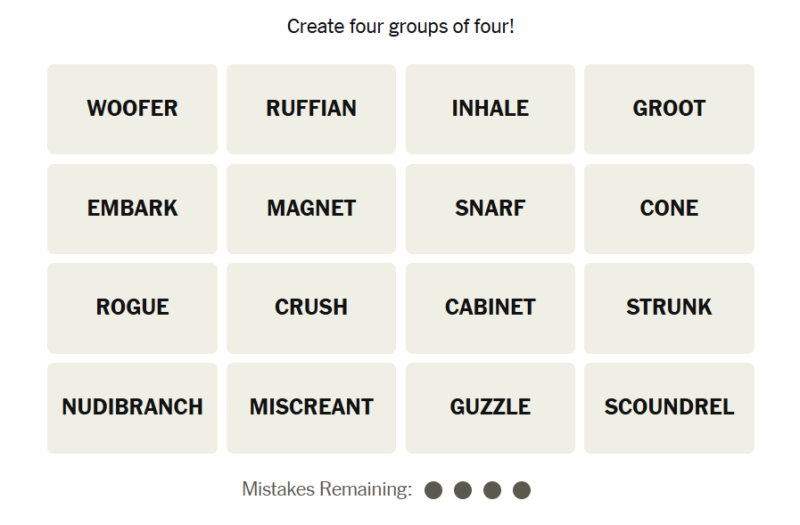
NYT Connections Hints: 29 June 2026
Category 1:
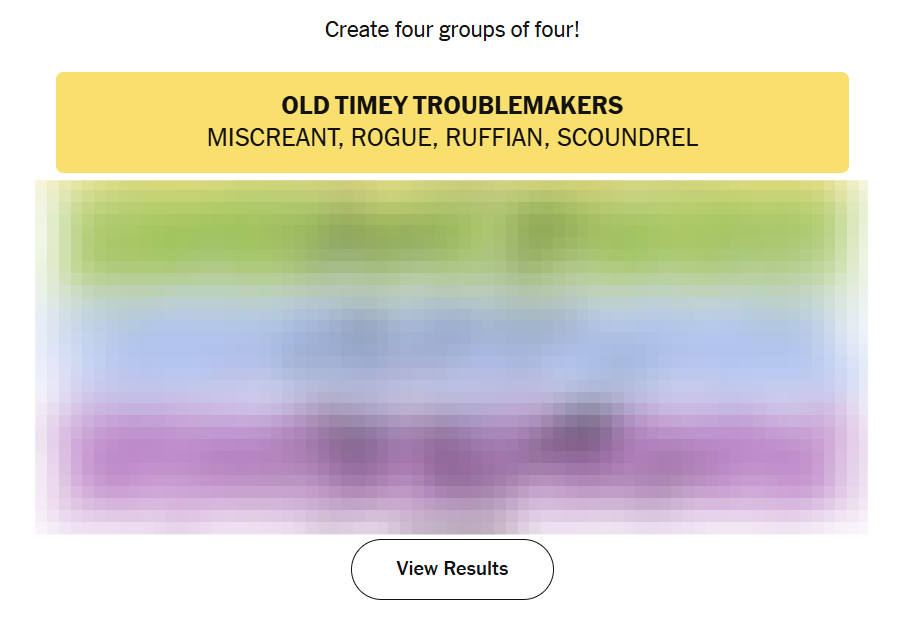
- Think of old-fashioned words used to describe troublemakers.
- These terms often appear in historical novels and adventure stories.
- None of them are complimentary.
- They describe people with questionable behavior.
Category 2:
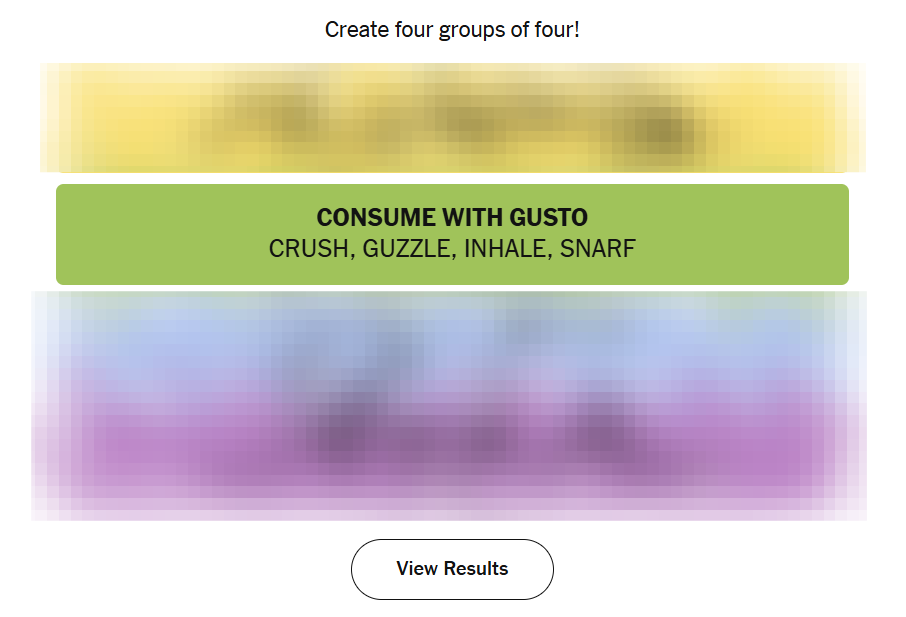
- These words describe eating or drinking enthusiastically.
- Imagine someone finishing food very quickly.
- The connection is about consuming something eagerly.
- All four can be used as energetic action verbs.
Category 3:
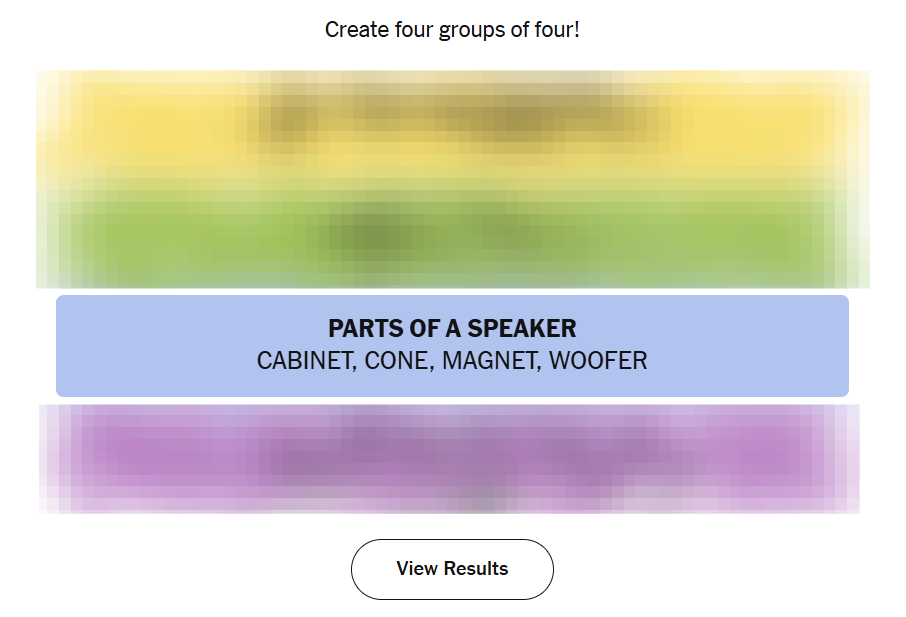
- This group belongs in the world of audio equipment.
- Think about what makes sound come from a speaker.
- Each word names a component or part.
- Music lovers may recognize these terms immediately.
Category 4:
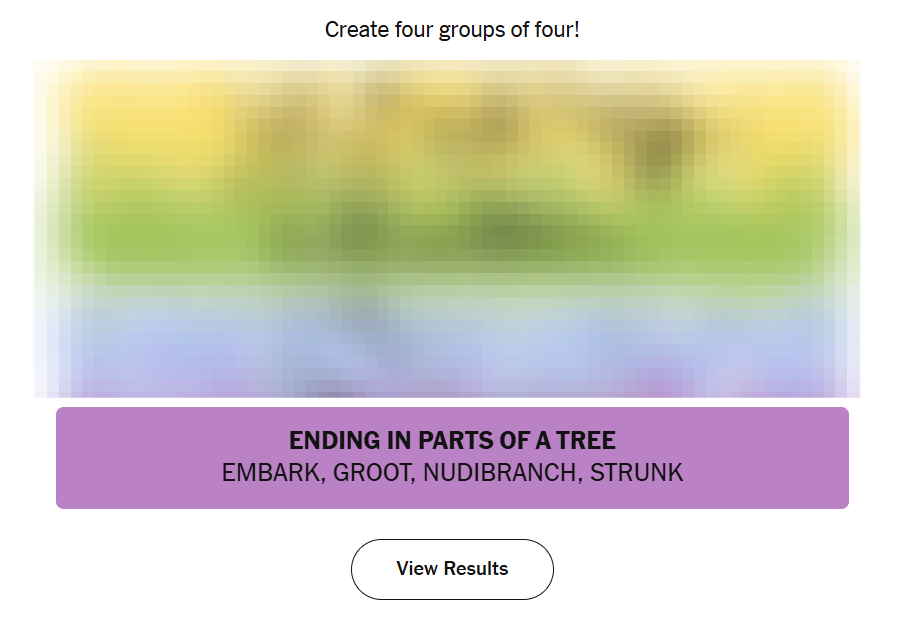
- The trick is found at the end of each word.
- Look closely for hidden tree-related terms.
- The complete words are not tree parts.
- Focus on the final letters rather than the definitions.
NYT Connections Answers: 29 June 2026
Here are the answers, grouped by category.
Category 1:
Category 2:
Category 3:
Category 4:
Conclusion & Quick Strategy Tip
The June 29 puzzle offered a satisfying mix of straightforward vocabulary categories and a clever word-ending twist. The final group was especially easy to overlook unless attention was paid to letter patterns rather than definitions.
Quick strategy tip: When a few words refuse to fit anywhere, examine prefixes and suffixes—Connections often hides a category inside the spelling rather than the meaning.
Leave a Reply