

The New York Times Connections puzzle challenges players to sort 16 seemingly unrelated words into four connected groups. Each group shares a hidden link. Today’s grid blends physical actions, clever rearrangements, and nostalgic references, making it both playful and slightly deceptive. Below you’ll find gentle hints to guide your thinking, followed by the complete solutions once you’re ready to check your work.
NYT Connections Puzzle Overview: 18 July 2026
Today’s puzzle felt balanced, with one category likely standing out quickly for sports fans and another appealing to gamers. The remaining groups relied on broader vocabulary and word association skills. The purple category provided the trickiest twist, rewarding players who recognized a common word that could precede multiple answers.
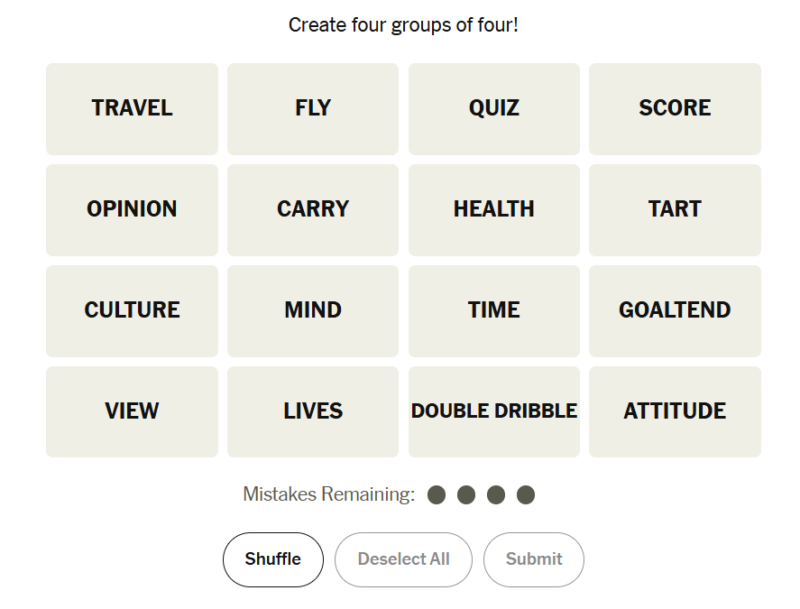
NYT Connections Hints: 18 July 2026
Category 1:
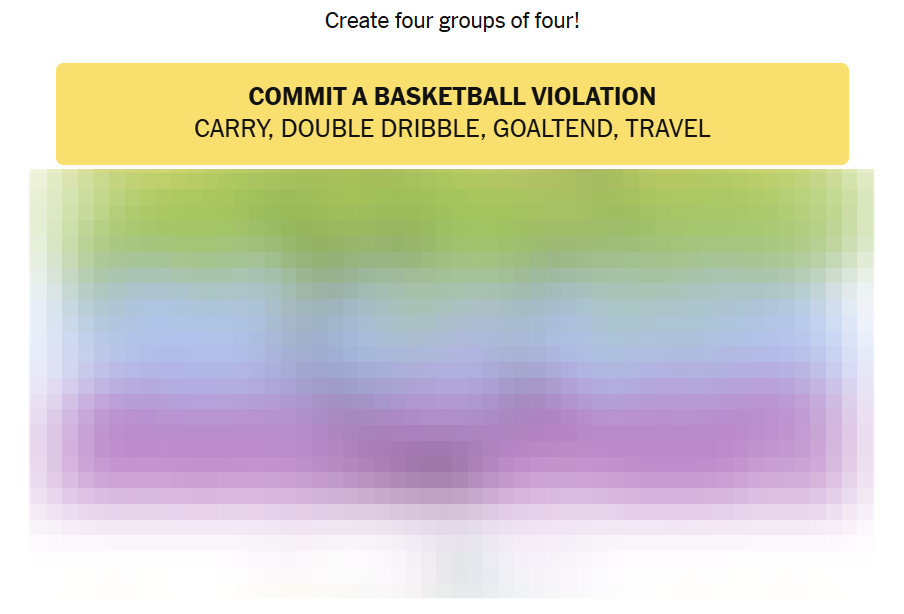
- Think of actions that result in a whistle during a basketball game.
- These are mistakes players try to avoid.
- Officials call these during play.
- All four are rule violations.
Category 2:
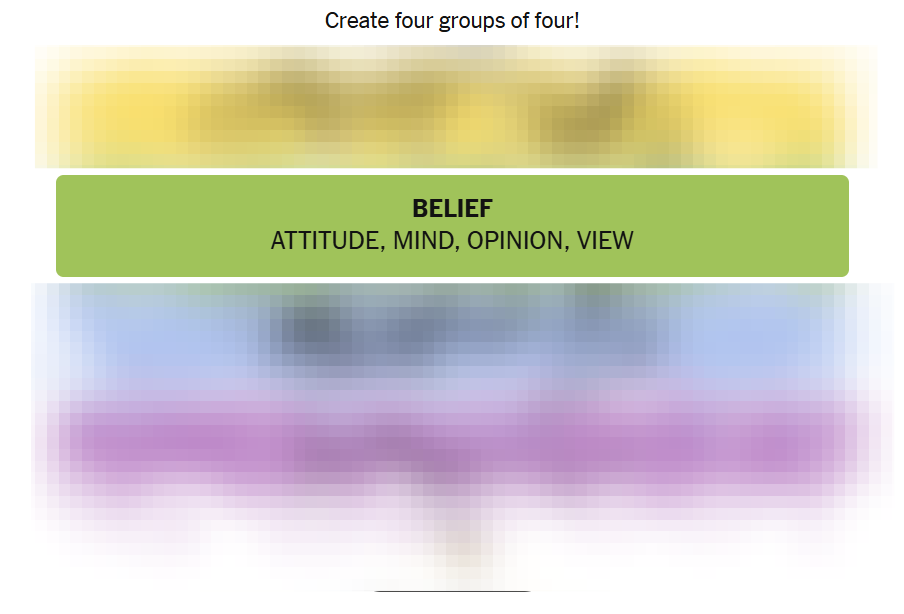
- These words relate to personal perspectives.
- They describe how someone thinks about something.
- They can influence decisions and judgments.
- All are connected to viewpoints.
Category 3:
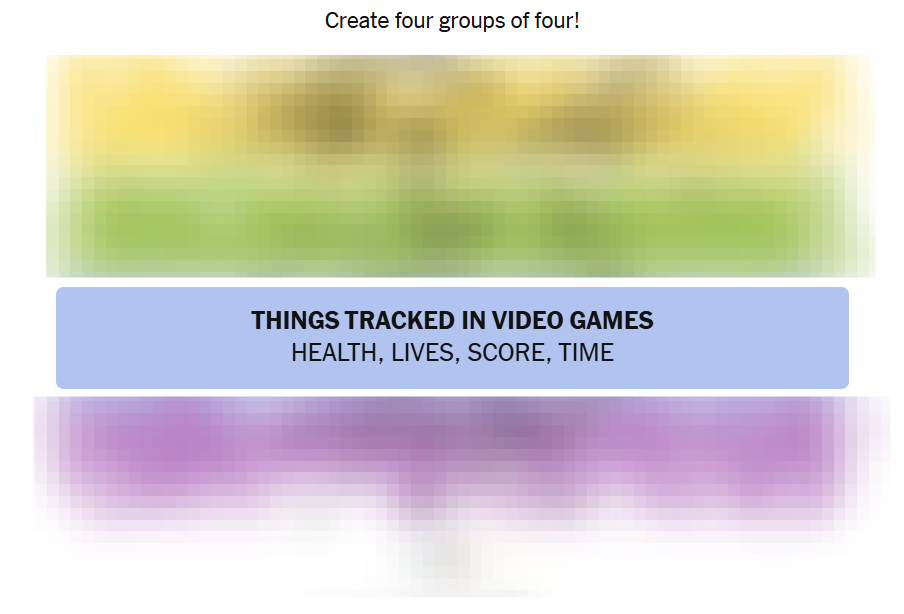
- Common information displayed on-screen during gameplay.
- Players often monitor these constantly.
- They help track progress or performance.
- Most video games display at least some of them.
Category 4:
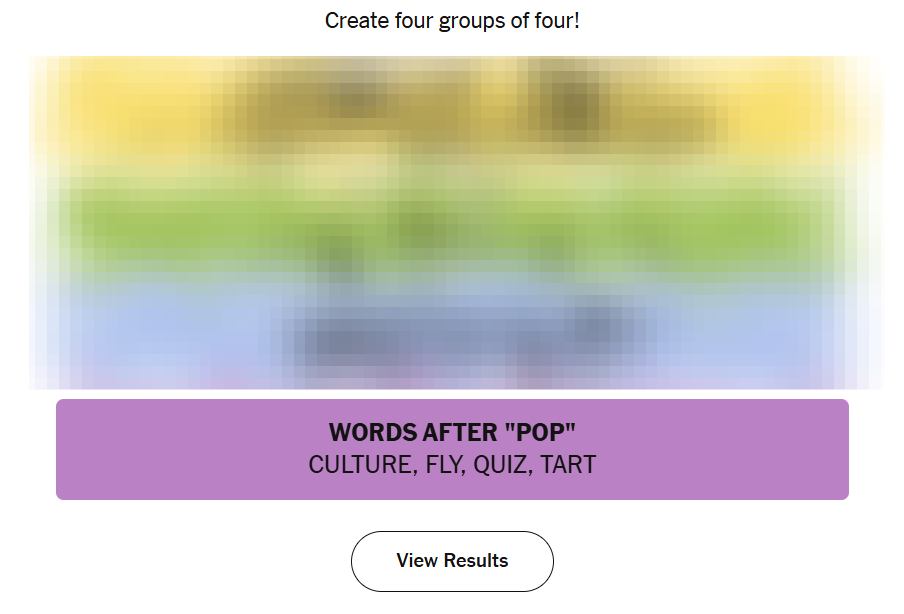
- Add the same short word before each answer.
- The resulting phrases are commonly recognized expressions.
- One relates to entertainment and trends.
- Another is linked to a small surprise assessment.
NYT Connections Answers: 18 July 2026
Here are the answers, grouped by category.
Category 1:
Category 2:
Category 3:
Category 4:
Conclusion & Quick Strategy Tip
The 18 July 2026 Connections puzzle balances straightforward action words with trickier conceptual links, making it satisfying once everything clicks. Quick strategy tip: lock in obvious verb groups early, then examine remaining words for structural patterns or shared cultural references.






Leave a Reply