


The New York Times Connections puzzle challenges players to sort 16 seemingly unrelated words into four connected groups. Each group shares a hidden link. Today’s grid blends physical actions, clever rearrangements, and nostalgic references, making it both playful and slightly deceptive. Below you’ll find gentle hints to guide your thinking, followed by the complete solutions once you’re ready to check your work.
NYT Connections Puzzle Overview: 08 May 2026
Today’s grid balanced straightforward associations with a few deceptive overlaps that could easily throw players off course. The puzzle featured conversational phrases, recognizable shapes, unusual expressions, and a tricky final category built around altered candy brand names. Solvers likely found the first two groups manageable before getting tangled in the more creative wordplay categories.
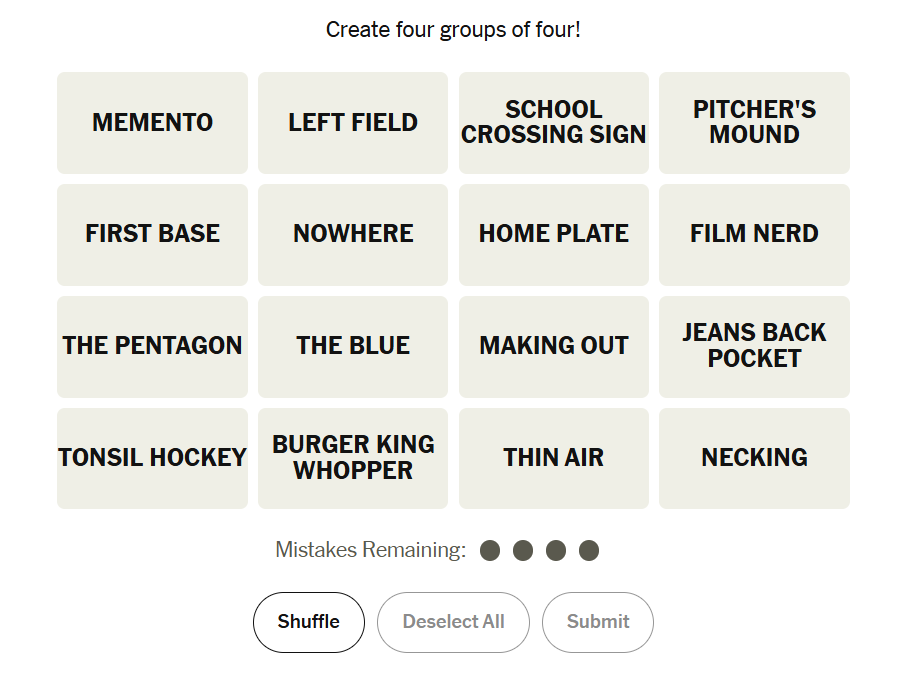
NYT Connections Hints: 08 May 2026
Category 1:
- A casual slang term is central here.
- These all describe affectionate physical behavior.
- One phrase is connected to baseball slang.
- Think teenage romance movie vocabulary.
Category 2:
- Geometry plays a role in this group.
- Every item visually shares the same outline.
- One is a government building.
- Another is commonly seen near schools.
Category 3:
- These phrases complete the expression “out of _.”
- They all describe unexpected or impossible places.
- Some are used in everyday conversation.
- One has an airy feeling to it.
Category 4:
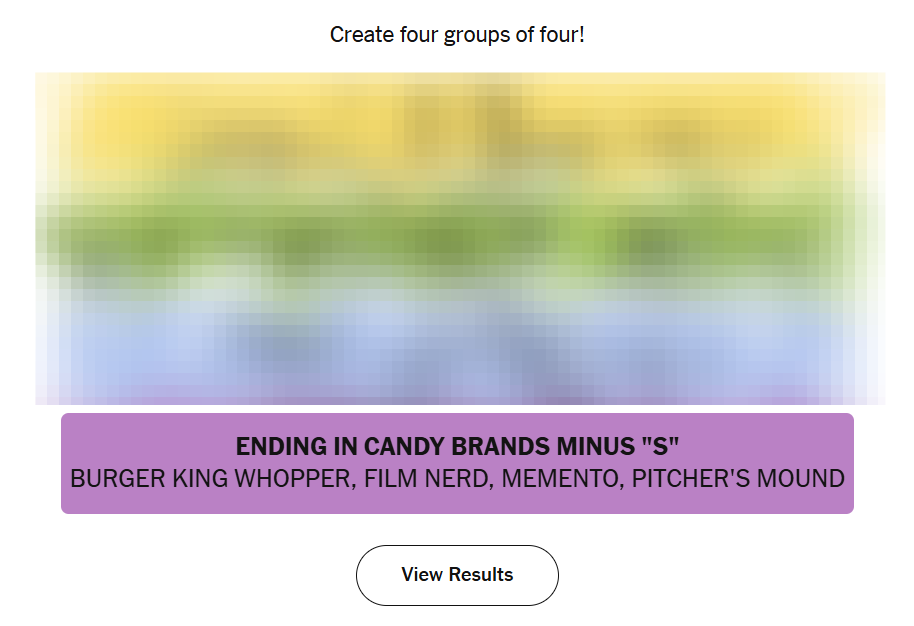
- Each phrase secretly hides a candy brand.
- Remove the final “S” from famous sweets.
- The answers themselves are not candy-related.
- Word endings matter more than meanings here.
NYT Connections Answers: 01 May 2026
Here are the answers, grouped by category.
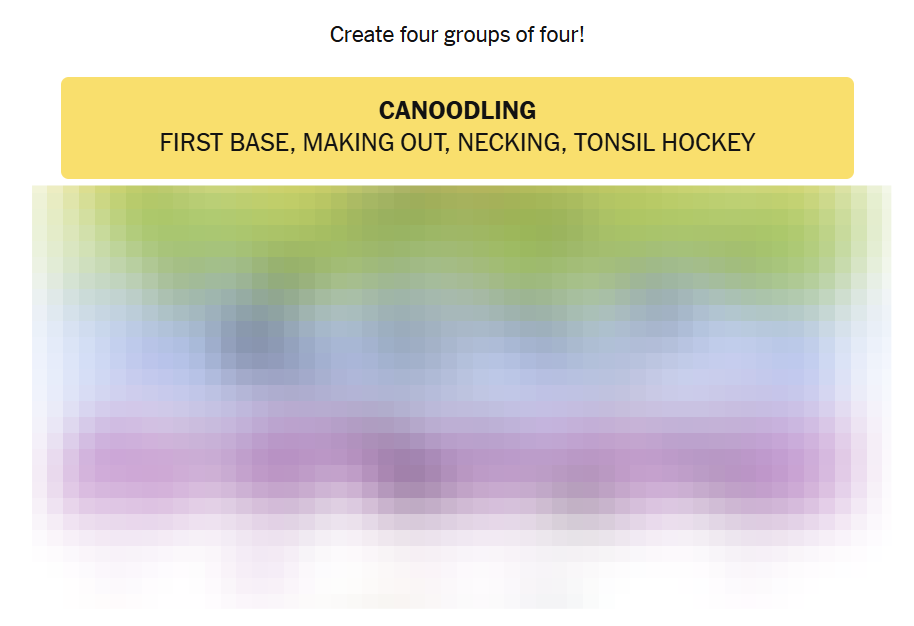
Category 1:
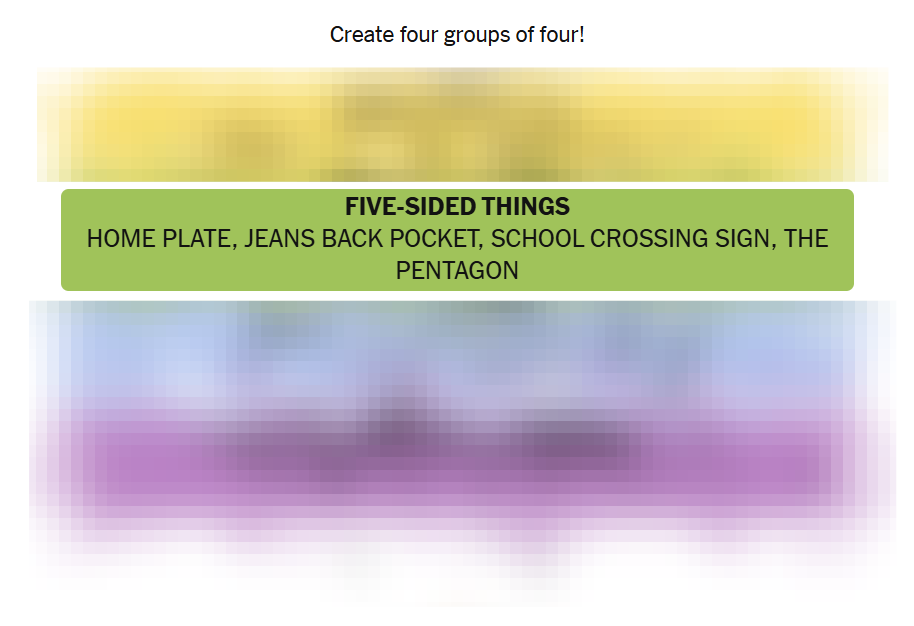
Category 2:
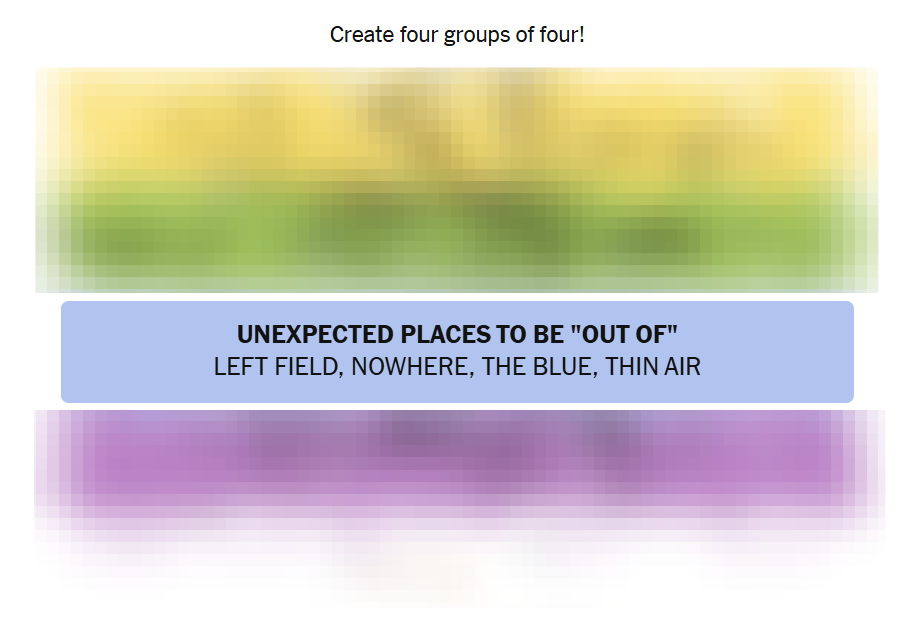
Category 3:
Category 4:
Conclusion & Quick Strategy Tip
The 08 May 2026 Connections puzzle balances straightforward action words with trickier conceptual links, making it satisfying once everything clicks. Quick strategy tip: lock in obvious verb groups early, then examine remaining words for structural patterns or shared cultural references.






Leave a Reply