


The New York Times Connections puzzle challenges players to sort 16 seemingly unrelated words into four connected groups. Each group shares a hidden link. Today’s grid blends physical actions, clever rearrangements, and nostalgic references, making it both playful and slightly deceptive. Below you’ll find gentle hints to guide your thinking, followed by the complete solutions once you’re ready to check your work.
NYT Connections Puzzle Overview: 22 May 2026
Today’s puzzle leaned heavily on phrases and associations rather than straightforward categories. Some groups felt practical and familiar, while the trickier connections relied on sound-alike names and themed locations. Many solvers likely identified the conveyor-related set early, but the homophone category probably caused the most confusion before the final reveal.
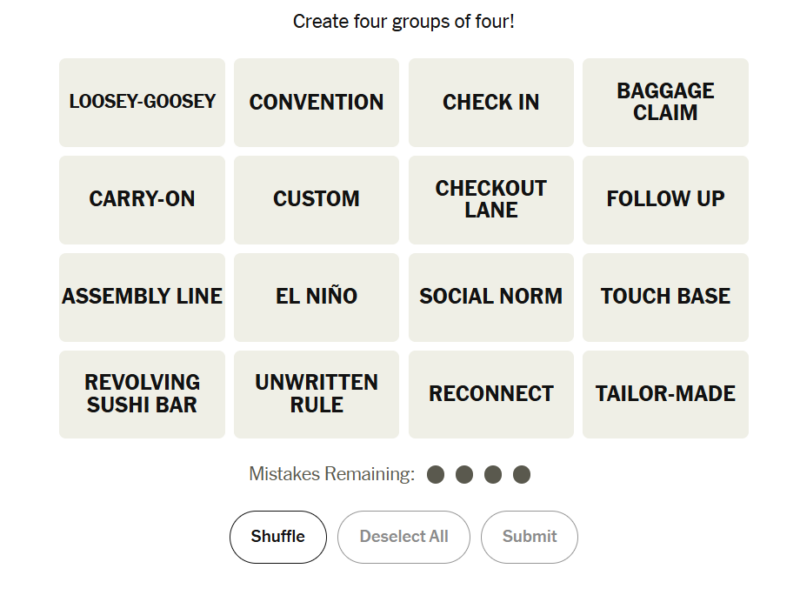
NYT Connections Hints: 22 May 2026
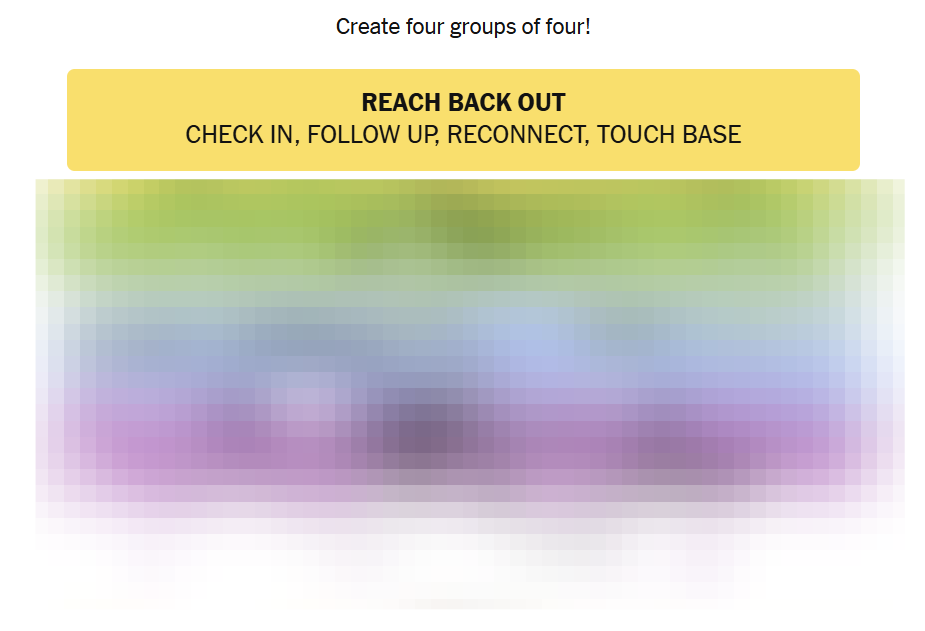
Category 1:
- Think about getting back in touch with someone.
- These phrases are common in professional conversations.
- You might use these after a long silence.
- Every answer suggests reconnecting.
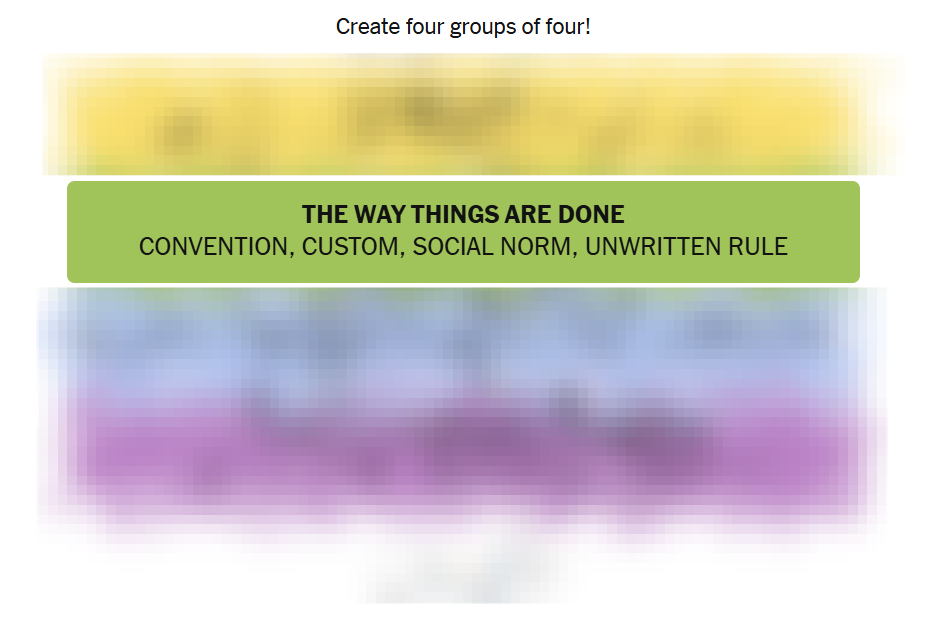
Category 2:
- This category is about accepted behavior.
- Society often expects people to follow these.
- These ideas are usually understood without explanation.
- One answer directly references rules that are never formally written.
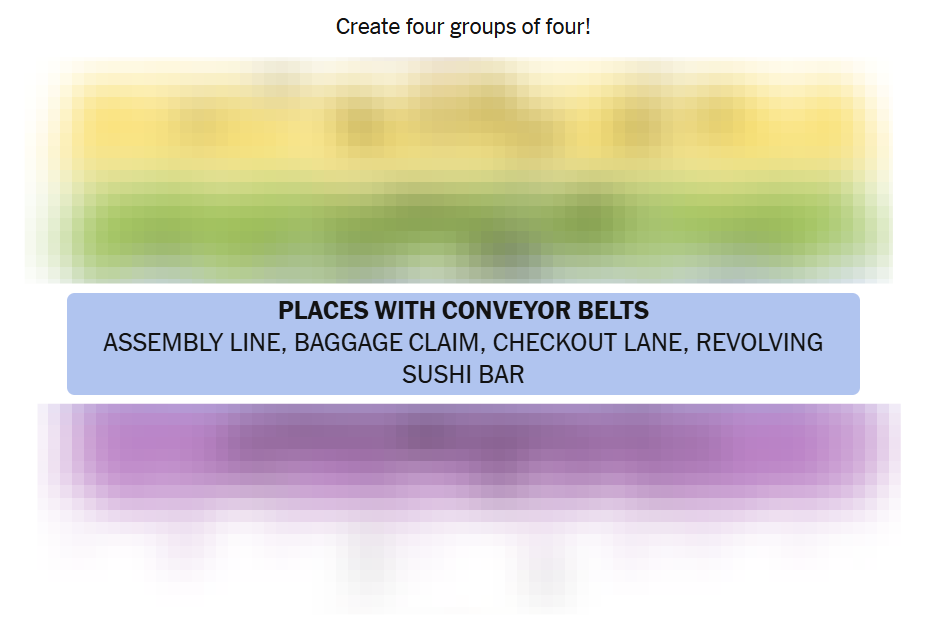
Category 3:
- All four answers are places or systems involving moving platforms.
- You often stand beside these while waiting.
- Airports and factories both appear here.
- Motion is the key connection.
Category 4:
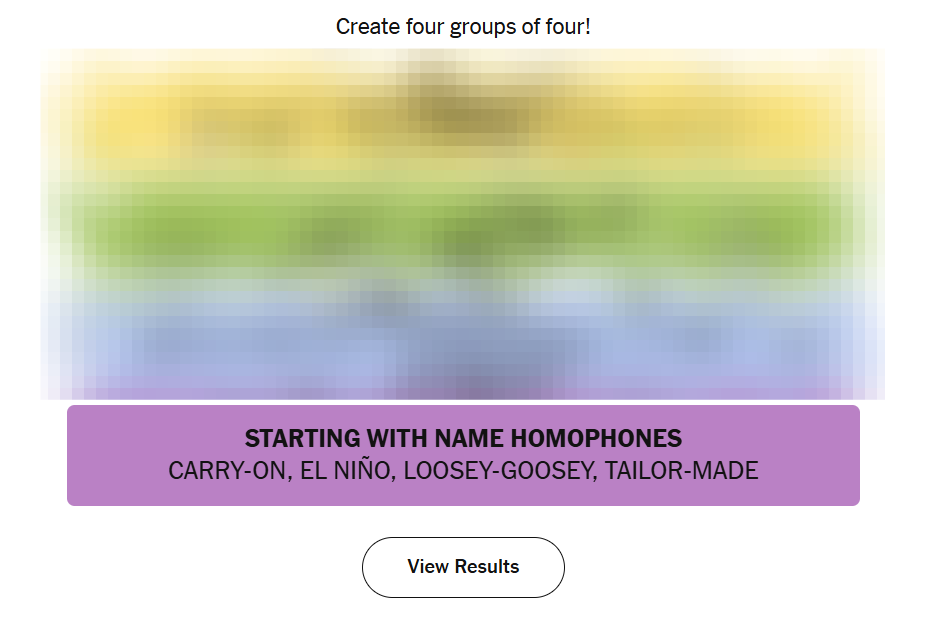
- The opening sounds resemble common first names.
- Listen carefully to the pronunciation.
- One starts with something sounding like “Neil.”
- This category depends entirely on wordplay.
NYT Connections Answers: 22 May 2026
Here are the answers, grouped by category.
Category 1:
Category 2:
Category 3:
Category 4:
Conclusion & Quick Strategy Tip
The 22 May 2026 Connections puzzle balances straightforward action words with trickier conceptual links, making it satisfying once everything clicks. Quick strategy tip: lock in obvious verb groups early, then examine remaining words for structural patterns or shared cultural references.






Leave a Reply