


The New York Times Connections puzzle challenges players to sort 16 seemingly unrelated words into four connected groups. Each group shares a hidden link. Today’s grid blends physical actions, clever rearrangements, and nostalgic references, making it both playful and slightly deceptive. Below you’ll find gentle hints to guide your thinking, followed by the complete solutions once you’re ready to check your work.
NYT Connections Puzzle Overview: 20 May 2026
Today’s Connections grid mixed familiar vocabulary with more thematic associations, making the puzzle feel balanced but occasionally deceptive. Solvers likely found themselves bouncing between literal meanings and broader interpretations before the final categories clicked into place. The movie-themed set especially added a playful twist to the challenge.
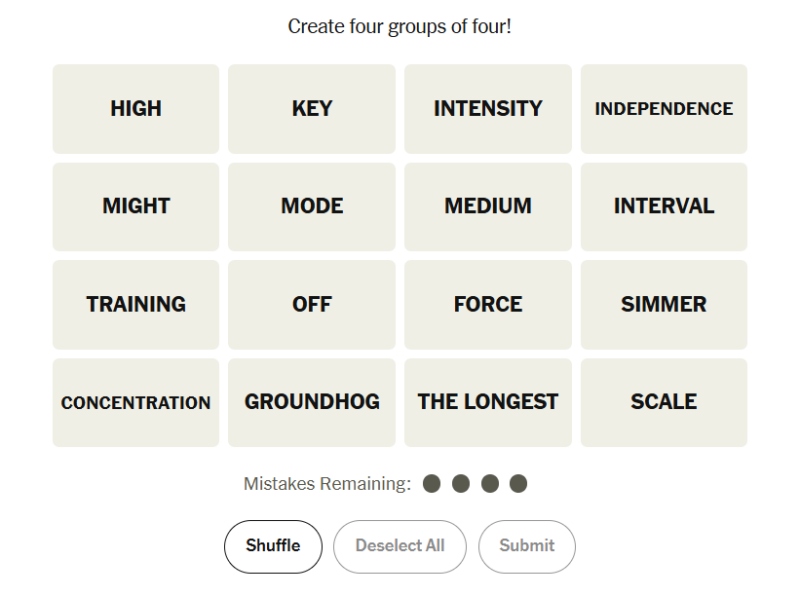
NYT Connections Hints: 20 May 2026
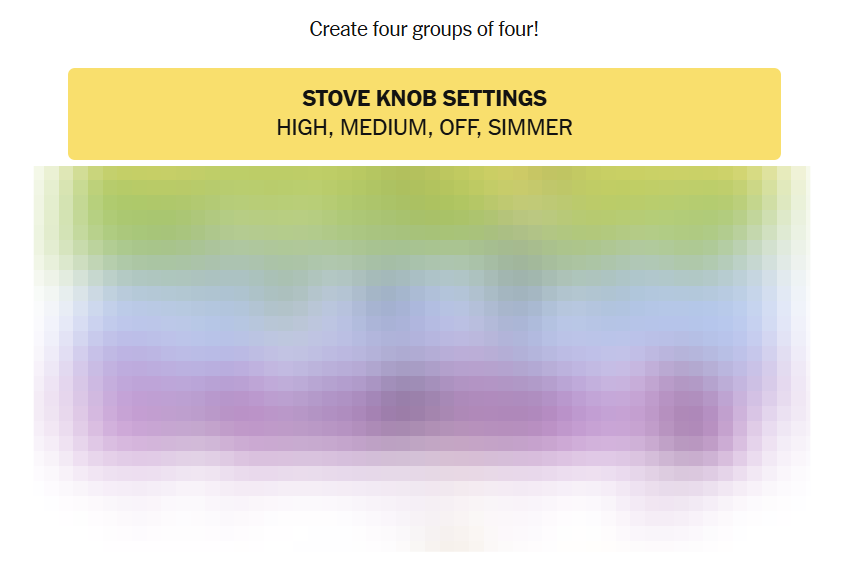
Category 1:
- Think about controls found in a kitchen appliance.
- These words describe temperature or heat levels.
- One option completely stops activity.
- You might see all four on a cooking dial.
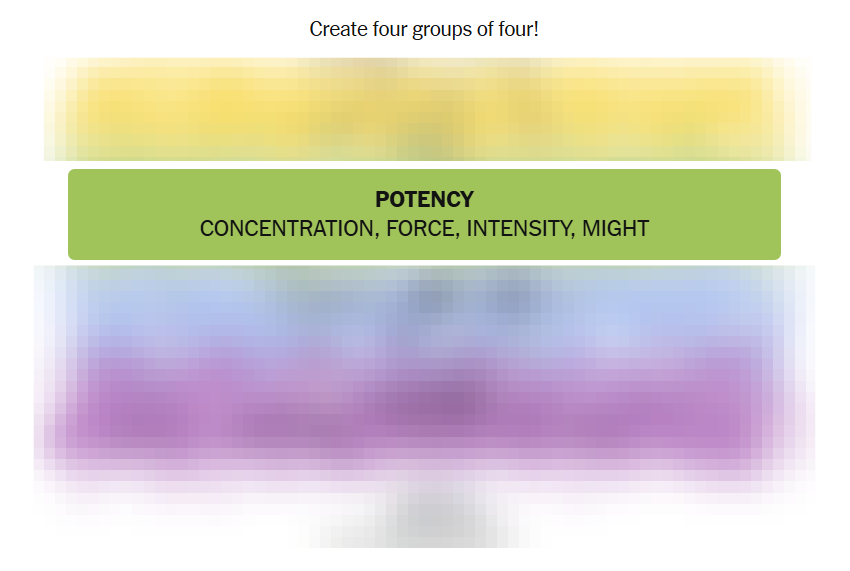
Category 2:
- These words relate to strength or effectiveness.
- Each term suggests a powerful impact.
- They can describe emotions, medicine, or influence.
- All four connect to intensity in some way.
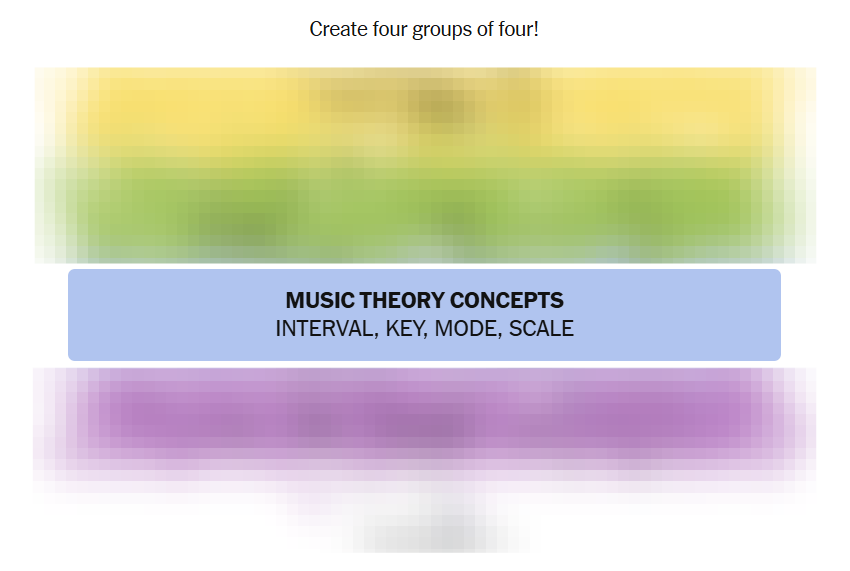
Category 3:
- This category belongs to the world of music.
- Musicians and students learn these concepts early.
- They help organize melody and harmony.
- Think of technical musical structure.
Category 4:
- Every answer pairs naturally with the same final word.
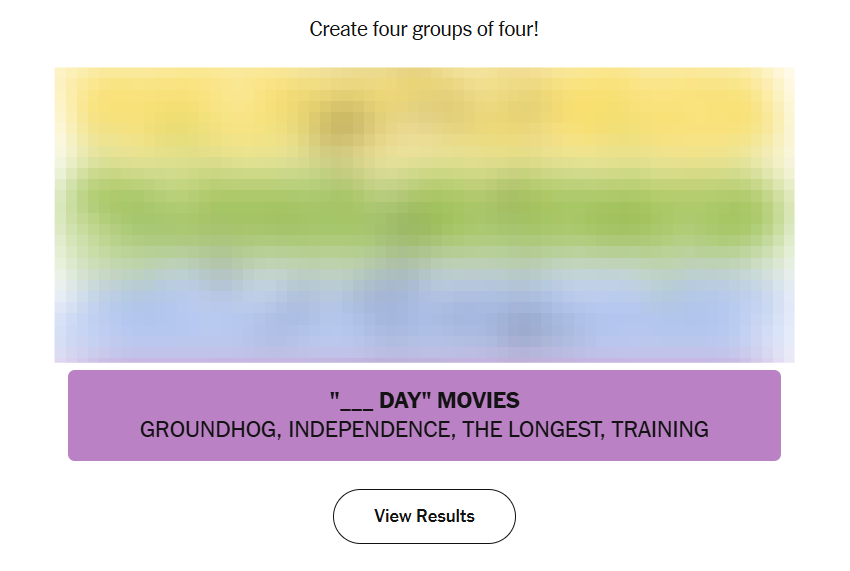
- These are all famous film titles.
- The missing word is tied to time.
- One movie involves repeating events endlessly.
NYT Connections Answers: 20 May 2026
Here are the answers, grouped by category.
Category 1:
Category 2:
Category 3:
Category 4:
Conclusion & Quick Strategy Tip
The 20 May 2026 Connections puzzle balances straightforward action words with trickier conceptual links, making it satisfying once everything clicks. Quick strategy tip: lock in obvious verb groups early, then examine remaining words for structural patterns or shared cultural references.






Leave a Reply