


The New York Times Connections puzzle challenges players to sort 16 seemingly unrelated words into four connected groups. Each group shares a hidden link. Today’s grid blends physical actions, clever rearrangements, and nostalgic references, making it both playful and slightly deceptive. Below you’ll find gentle hints to guide your thinking, followed by the complete solutions once you’re ready to check your work.
NYT Connections Puzzle Overview: 01 July 2026
Today’s puzzle revolved around locations and place names, but each category used them in a different way. Some words were linked to famous drinks, others to movies, while a few represented names derived from real places. The shared geographic theme created plenty of opportunities for confusion, making this a tricky but enjoyable Connections challenge.
NYT Connections Hints: 01 July 2026
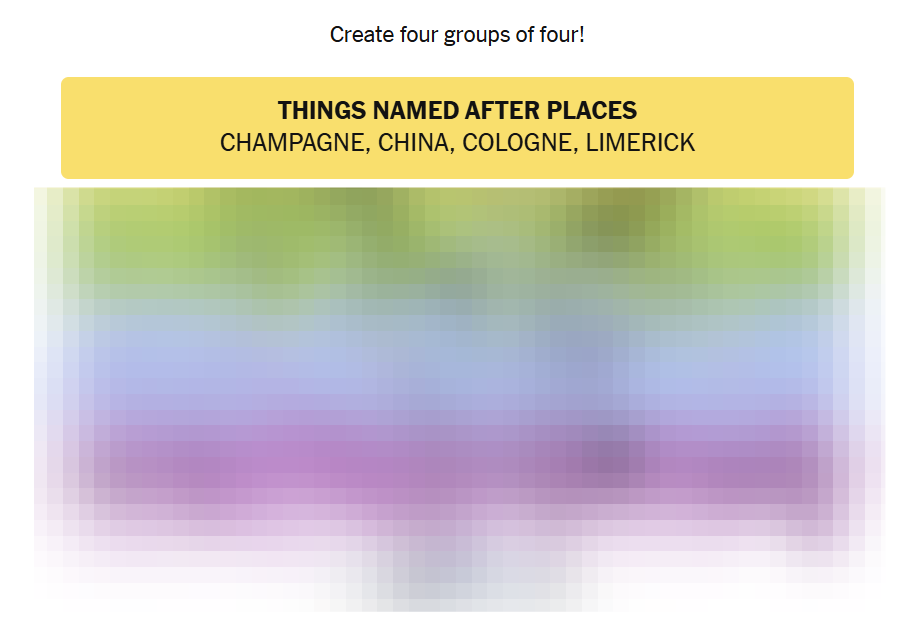
Category 1:
- These words are commonly used outside their original geographic meaning.
- Each term is named after a real location.
- You may encounter them in literature, products, or culture.
- Think of place names that became everyday nouns.
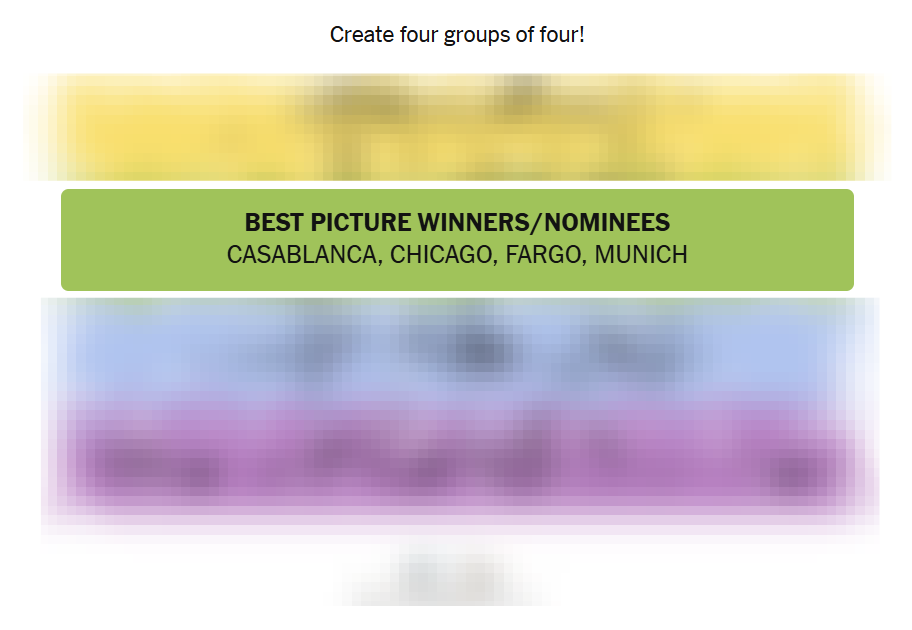
Category 2:
- All four entries have appeared on the big screen.
- Awards recognition connects them.
- Some won the top prize while others received nominations.
- Think prestigious film honors.
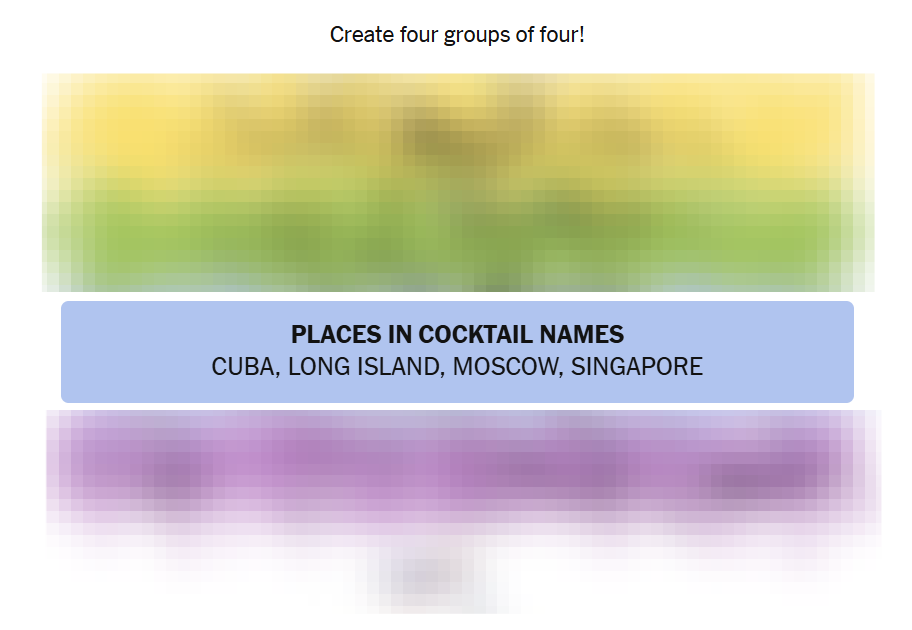
Category 3:
- A bartender would recognize these clues quickly.
- Each relates to a famous mixed drink.
- Geographic names are part of the cocktail titles.
- Look behind the bar for the connection.
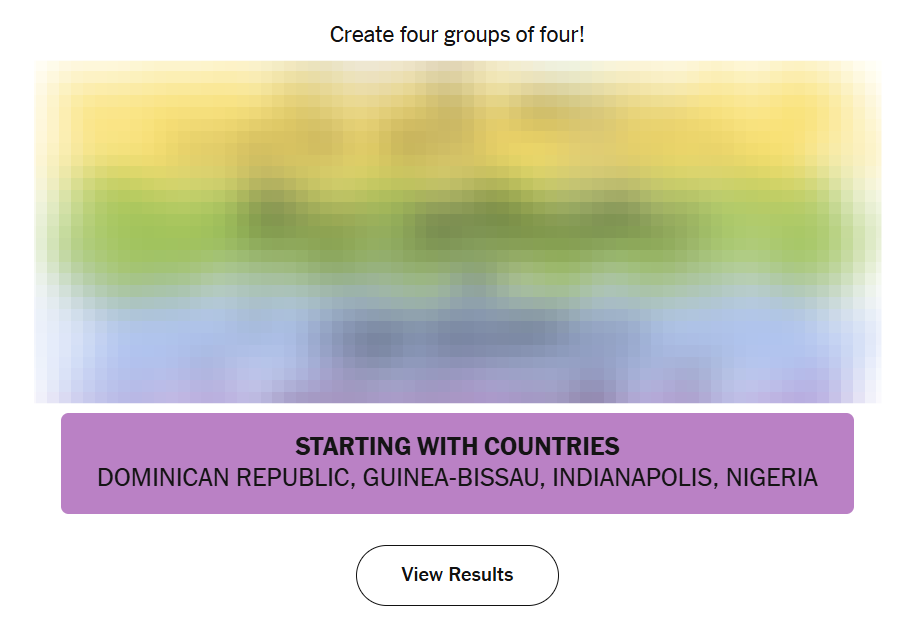
Category 4:
- Each entry begins with the name of a country.
- The complete term refers to a different place.
- Geography appears at the start rather than the end.
- Focus on compound place names.
NYT Connections Answers: 01 July 2026
Here are the answers, grouped by category.
Category 1:
Category 2:
Category 3:
Category 4:
Conclusion & Quick Strategy Tip
The 01 July 2026 Connections puzzle balances straightforward action words with trickier conceptual links, making it satisfying once everything clicks. Quick strategy tip: lock in obvious verb groups early, then examine remaining words for structural patterns or shared cultural references.


Leave a Reply