
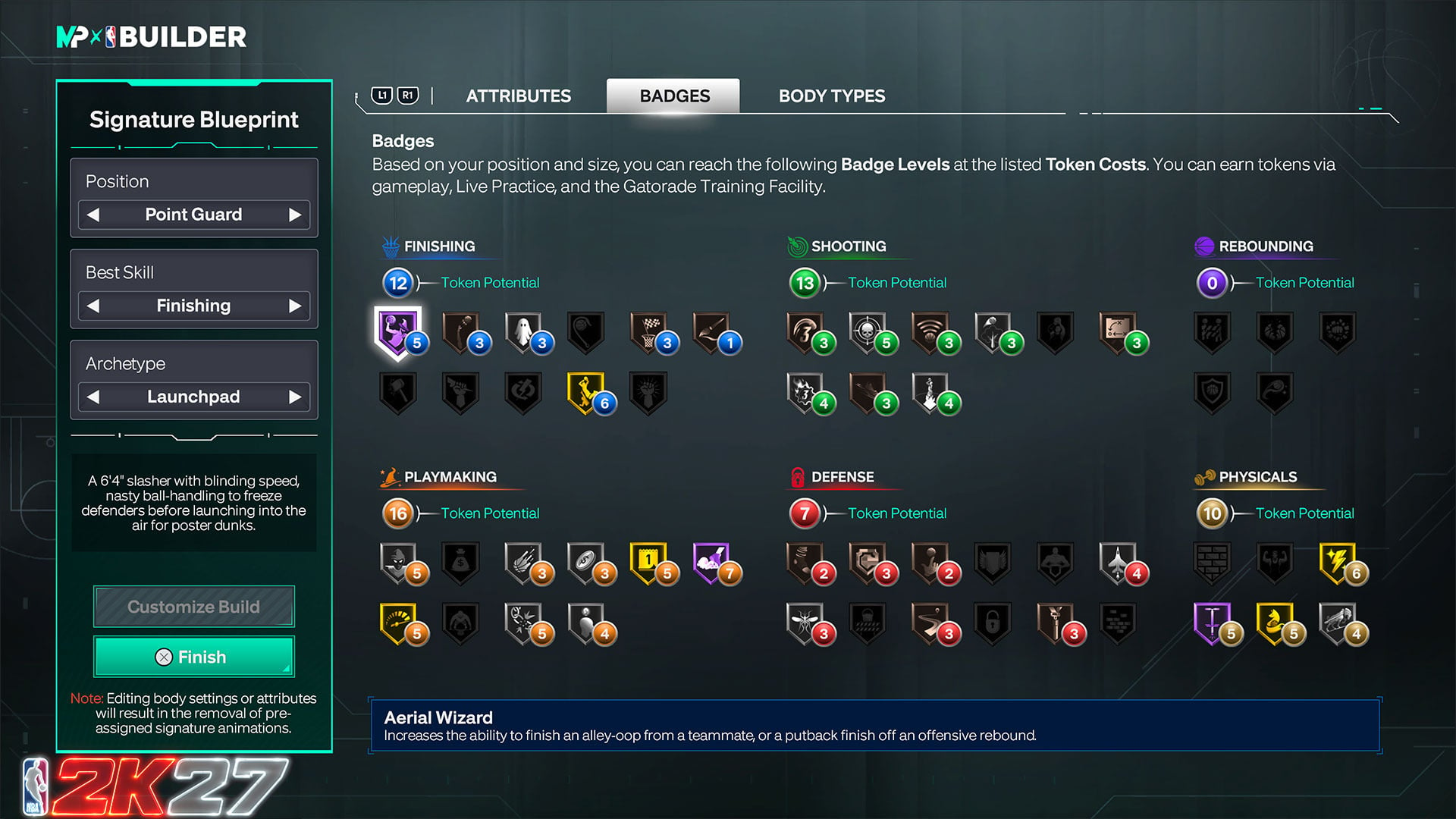
NBA 2K27 Rebirth unlocks once a build reaches 90 OVR, gives a new build an initial Max OVR equal to your highest previously reached rating, and pre-unlocks approximately 25%, 50%, 75%, or all default Badge Token potential across Tiers I–IV, with a 15% Badge Token progression accelerator listed for Tiers I–III.
Rebirth gives your next MyPLAYER a progression head start without turning it into a copy of an existing character. Its benefits cover three separate areas: the new build’s available OVR ceiling, the portion of its default Badge Token potential available immediately, and—on the first three tiers—the rate of later Badge Token progression.
NBA 2K27 Rebirth tier comparison
| Tier | Initial Max OVR | Badge Token potential unlocked | Progression accelerator |
|---|---|---|---|
| Tier I | Highest OVR previously reached | Approximately 25% | 15% |
| Tier II | Highest OVR previously reached | Approximately 50% | 15% |
| Tier III | Highest OVR previously reached | Approximately 75% | 15% |
| Tier IV | Highest OVR previously reached | All | Not listed |
The main upgrade between tiers is the size of the Badge Token head start. Moving to a higher tier makes more of the new build’s default potential available from creation, while the rule governing initial Max OVR remains unchanged across all four tiers.
This makes the tier label important for Badge Token progression, but it does not create a different OVR formula. A Tier I build and a Tier IV build both look at the highest overall rating you have already reached; their starting Badge Token access is where the major difference appears.
How Rebirth unlocks and initial Max OVR works
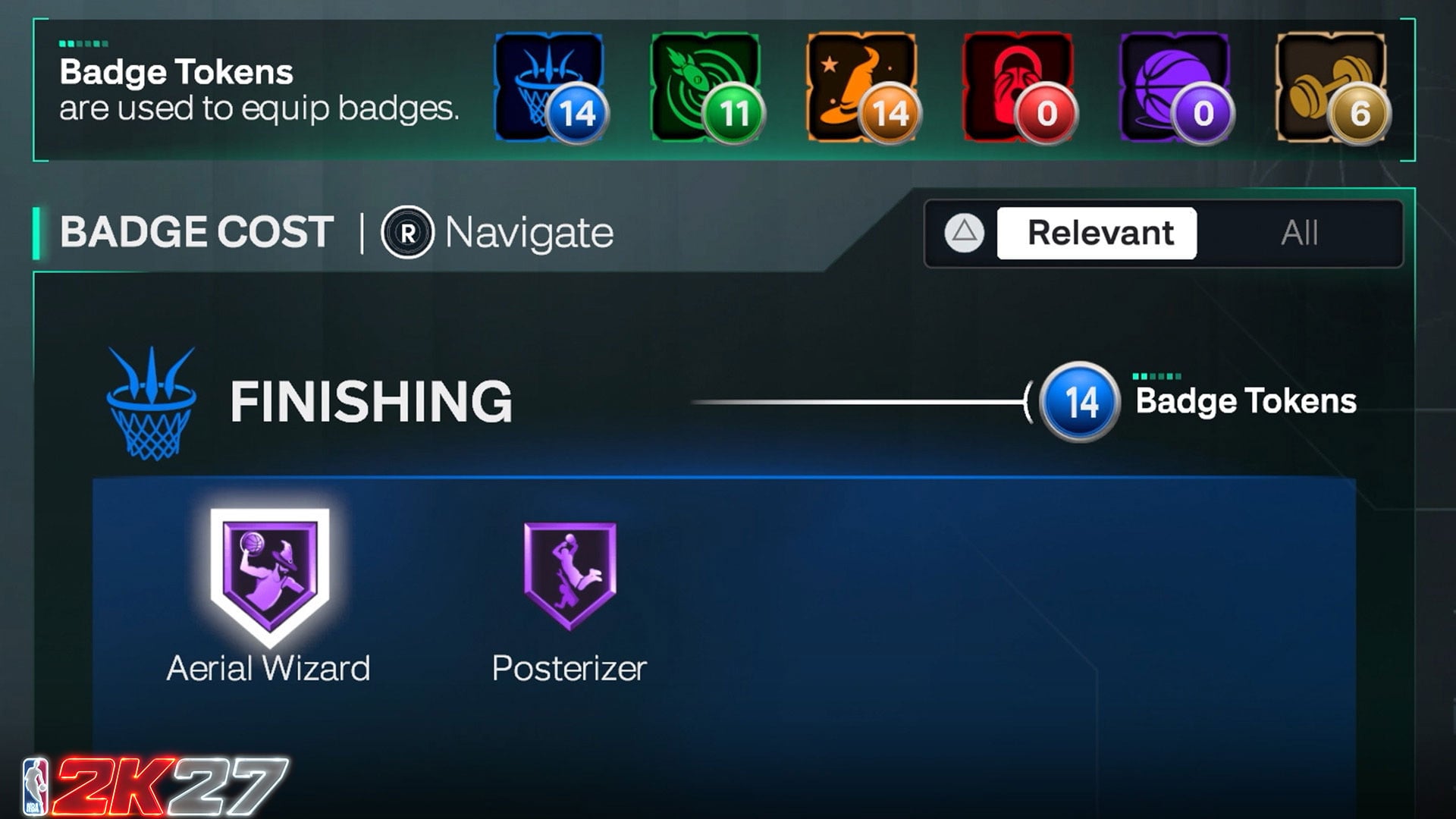
Rebirth becomes available after one of your builds reaches 90 OVR. That rating is the unlock threshold for the feature. It should not be confused with a promise that every subsequent Rebirth build will immediately have purchased or assigned attributes equivalent to a 90 OVR character.
Initial Max OVR describes the new build’s starting progression ceiling: the highest overall rating that is available for that build to work toward at creation. NBA 2K27 sets that ceiling equal to the highest OVR you have previously reached. If your best existing progress extends beyond the basic Rebirth threshold, that higher rating becomes the relevant ceiling.
The word “Max” does most of the work here. It refers to what the new build is initially allowed to reach, not where its currently assigned attributes automatically place it. Raising a ceiling does not fill the space below it, so the new MyPLAYER’s present OVR can remain separate from the maximum OVR made available through Rebirth.
This distinction matters when evaluating a newly created character. Do not judge whether Rebirth worked by expecting the attribute screen to reproduce the visible ratings of your previous build. The benefit is access to an already-expanded progression ceiling, leaving you free to shape the new character around a different role instead of treating the inherited maximum as a transferred attribute package.
What the Badge Token percentages represent
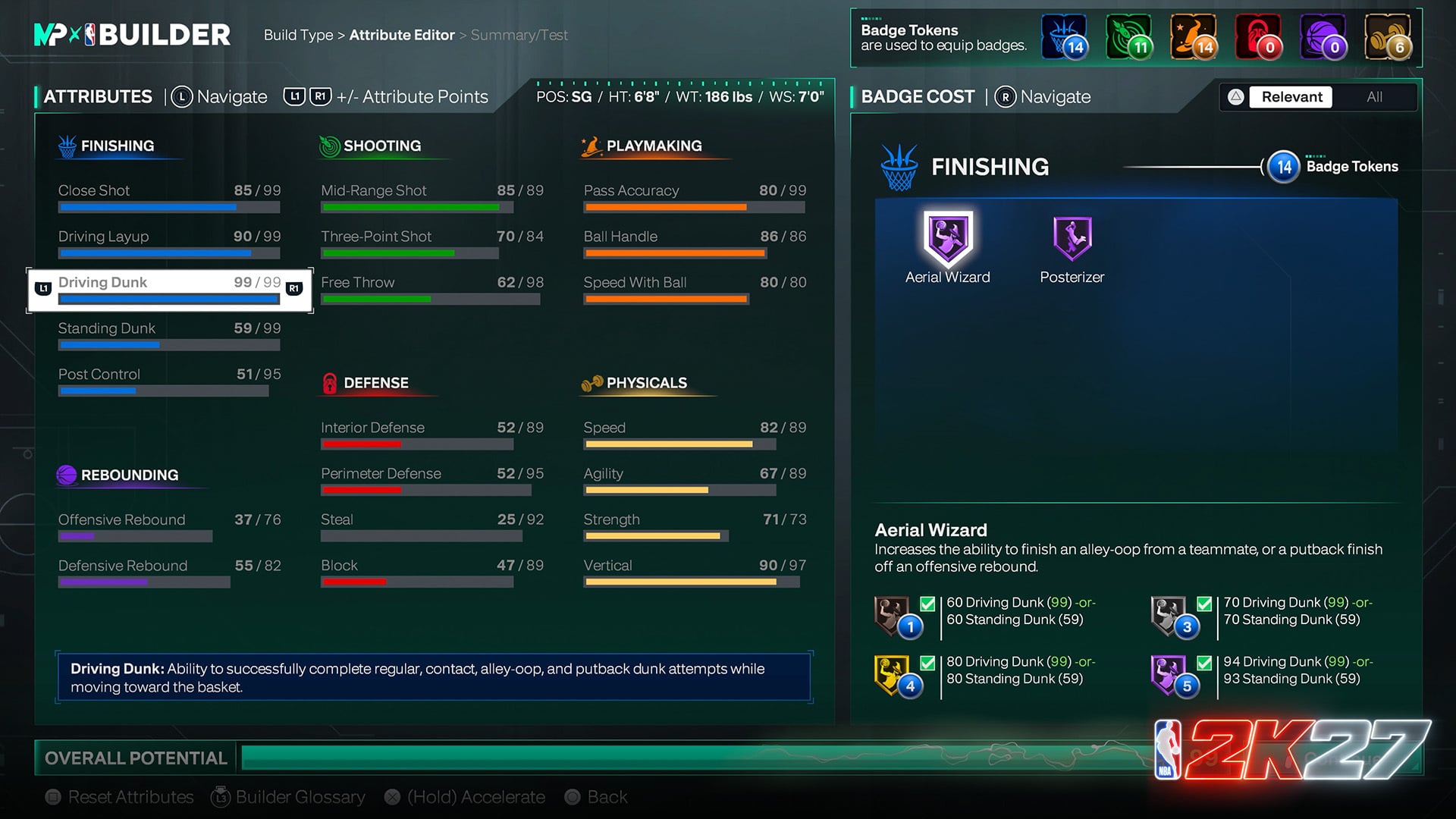
Each Rebirth percentage refers to the portion of the new build’s default Badge Token potential that is unlocked immediately. It measures how much of that build’s normal token progression capacity is available at the beginning, which is why the percentage increases as the Rebirth tier rises.
The percentages are not a boost to the effectiveness of individual Badges. For example, a percentage attached to Rebirth does not make an equipped Badge that much stronger, improve its effect by that amount, or multiply the performance of the actions associated with it. The figure applies to potential unlocked, not Badge power.
It also does not represent additional Badge slots. NBA 2K27 starts MyPLAYER builds with 20 Badge slots, but the Rebirth percentage is a different part of the system. Think of slots as places used for the Badge setup, while Rebirth determines how much of the build’s default Badge Token potential is already open for use and progression.
Finally, Rebirth does not calculate the percentage from another character’s collected tokens. You are not importing a quarter, half, or three-quarters of an older build’s personal token inventory. The reference point is the default potential belonging to the newly created build. Because the game expresses this benefit as a share of potential, the tier percentages are more useful than assuming an unsupported fixed token total.
How the 15% progression accelerator affects Badge Tokens
The 15% Badge Token progression accelerator changes what happens after the build has been created. It applies to subsequent Badge Token progression on Tiers I, II, and III, making it a continuing progression benefit rather than another description of the tokens available at the start.
There are therefore two separate advantages operating on different timelines. The unlocked percentage is the head start: it establishes how much default Badge Token potential is open immediately. The accelerator is the follow-up benefit: it affects the pace of the progression that comes afterward.
These effects should not be added together or interpreted as one larger starting percentage. The first three tiers share the same accelerator rate even though their immediate shares differ substantially. A higher tier among those three begins with more potential unlocked, but the listed acceleration rate itself remains 15%.
What changes between Rebirth tiers and what stays new
Higher Rebirth tiers primarily reduce how much Badge Token progression work remains when the character is created. Tier I provides the smallest immediate share, the middle tiers provide progressively larger shares, and Tier IV opens the full default potential. That improvement does not raise the inherited OVR ceiling beyond your own highest previously reached rating.
Rebirth also does not clone the character that established that rating. The new save does not automatically inherit the previous build’s attribute distribution, equipped Badge setup, specialization, or playstyle. Those elements still belong to the individual build, allowing the Rebirth character to pursue a different purpose even though its initial maximum comes from your earlier progress.
This freedom makes the builder choices especially important. NBA 2K27 offers six Build Specialization tracks: Shooting, Finishing, Playmaking, Defense, Rebounding, and Physicals. The specialization you choose is permanent for that save, so it should match the job you want the new MyPLAYER to perform rather than the identity of the character that supplied the highest OVR.
Plan the new build from the role backward. Treat Rebirth as a progression head start, then choose attributes, Badges, and the permanent Build Specialization for the new playstyle you actually want.
Key A useful way to evaluate any Rebirth tier is to separate its benefits before creating the save: the initial Max OVR determines the available progression ceiling, the unlocked Badge Token percentage determines the immediate head start, and the accelerator governs later token progress where it is listed. Keeping those functions separate prevents a stronger Rebirth tier from being mistaken for a copied or prebuilt MyPLAYER.
Leave a Reply