
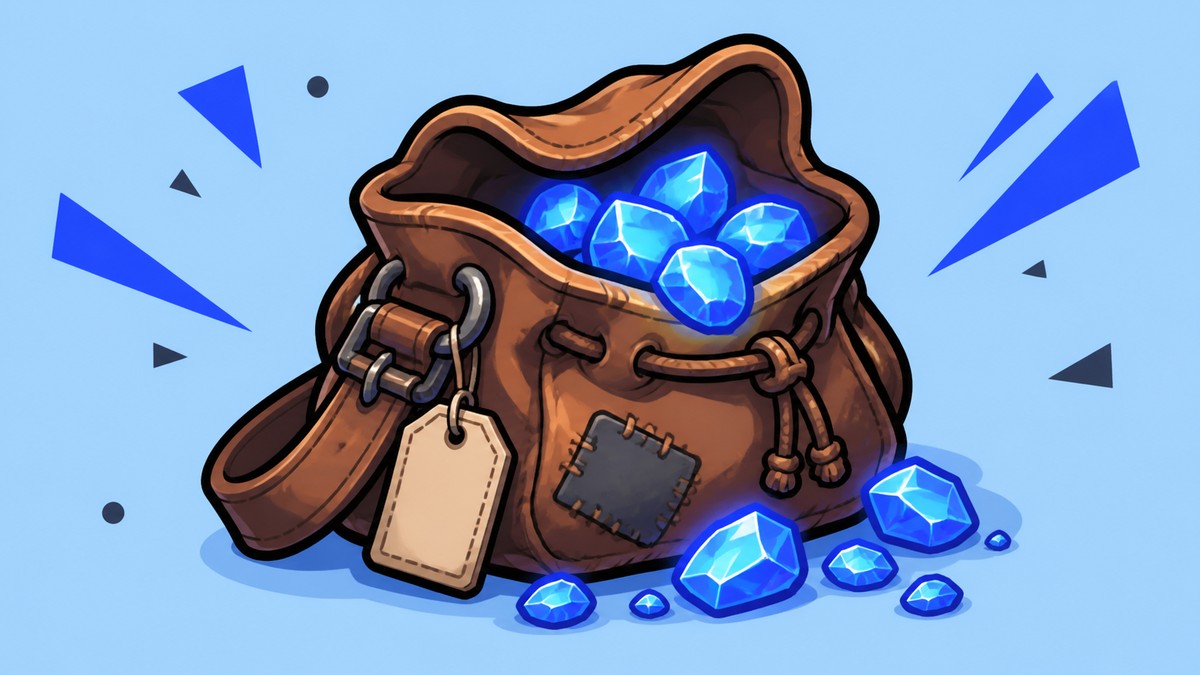
Keep gear that upgrades your class, gems, Soul Catch Nets, ingots, useful camp-upgrade materials, potions, and key common buff mats like malt and hops; sell unwanted gear through the auction house and vendor only low-value surplus once you know it is not needed soon.
Loot in Mistfall Hunter is not just gold waiting to be cashed out. Anything sitting in your camp stash is safe, while anything carried during a raid is still at risk until you extract, so beginners should treat loot as progression first and money second.
The goal is not to memorize every item on day one. Keep materials that feed your current upgrades, avoid panic-selling rare camp resources, and remember that many mistakes can be fixed later by buying an item back from the auction house.
- Loot is progression before gold
- Beginner keep and sell cheat sheet
- Weapons and armor across shared classes
- Progression materials worth keeping in Mistfall Hunter
- Auction house selling for unwanted gear
- Consumables and common buff materials
- Sell targets when the stash fills
- Raid habits that protect valuable loot
- Stash habits that prevent bad sales
- August 6 loot change for Einherjar Mode
- Frequently Asked Questions
Loot is progression before gold
KEY!
Your first stash rule is simple: bank useful power before chasing quick vendor money. A weapon upgrade, a build gem, an ingot, or a camp material can move your account forward in ways a small gold payout cannot.
That does not mean you need to fear every sell click. If an item is tradable and you later realize you needed it, the auction house can often bail you out. The expensive mistake is selling blindly before you know whether the item connects to your class, forge, Soul Catch Tree, or next camp upgrade.
Beginner keep and sell cheat sheet
| Loot | Beginner call |
|---|---|
| Current-class weapon or armor upgrade | Keep and use it |
| Strong gear for a class you plan to play | Keep in the shared warehouse |
| Good off-class gear you will not use | List on the auction house |
| Weak white or green gear | Vendor or discard when space is tight |
| Gems | Keep for builds |
| Soul Catch Nets | Keep for the Soul Catch Tree |
| Construction and camp materials | Keep at least one of each rare type early |
| Purple materials such as ruin stones | Keep a small reserve |
| Ingots | Keep for forge crafting |
| Armor and accessory crafting materials | Keep for later crafting |
| Potions | Bring home and stockpile |
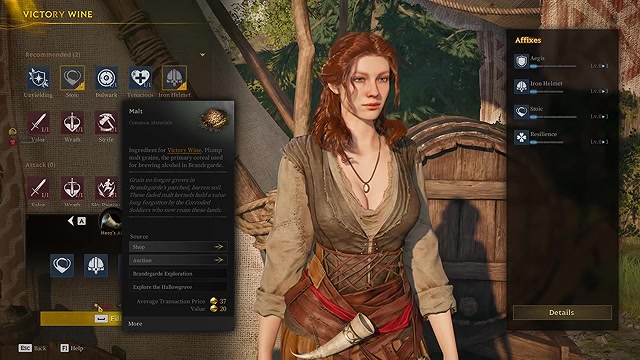
| Malt | Keep for Victory Wine buffs |
| Hops | Keep for Victory Wine buffs |
| Low-tier surplus after upgrades are known | Vendor if the market payout is not better |
Use this table as your fast stash pass, not as a permanent law. Your current build and current camp upgrade path can override it, especially when an item feeds an NPC, warehouse, Goddess Statue, Scavengers run, or forge craft you are actively pushing.
Weapons and armor are the easiest calls when they improve the class you are playing: equip them or stash them as backup. Affixes matter more as your builds tighten, so do not throw away a clear upgrade just because the gold number looks tempting.
Account progression and the warehouse are shared, which makes strong off-class gear more useful than it first looks. If you plan to make a Sorcerer, Mercenary, Shadowstrix, or Black Arrow later, saving good pieces for that class can give the alt a much better start.
If you have no plan to use that class, sell the item to another player instead of dumping it on an NPC. Right-click the gear, list it on the auction house, check the lowest current price, then undercut slightly if you want quick gold.
Progression materials worth keeping in Mistfall Hunter
| Material | Use |
|---|---|
| Gems | Build crafting and affix power |
| Soul Catch Nets | Speeding Soul Catch Tree rewards |
| Legendary construction materials | Camp upgrades and high-value auction sales when duplicated |
| Dragon Statue | Scavengers requirements for rewards such as custom combat bags |
| Purple materials such as ruin stones | Small reserve for future needs |
| Ingots | Forge crafting, including purple weapons at forge level 4 |
| Armor materials | Armor piece crafting |
| Accessory materials | Necklace and ring crafting |
Gems are build-crafting pieces, so keep them even when you are not ready to socket or optimize around them yet. Better gear makes affixes matter more, and gems become a major part of turning a basic loadout into a focused build.
Soul Catch Nets belong in your stash until you feed them into the Soul Catch Tree. Higher-rarity nets are especially worth saving because they speed up reward timing, though the exact value depends on the net and reward cycle rather than a fixed gold conversion.
The big forge rule is to keep all ingots. At forge level 4, you can craft purple weapons, and those crafts can roll into legendary results, making ingots much more valuable than quick vendor gold.
Favorite camp materials the moment you know an upgrade needs them, so you can recognize them in raids and avoid selling them from your stash later.
Auction house selling for unwanted gear
Right-click the item
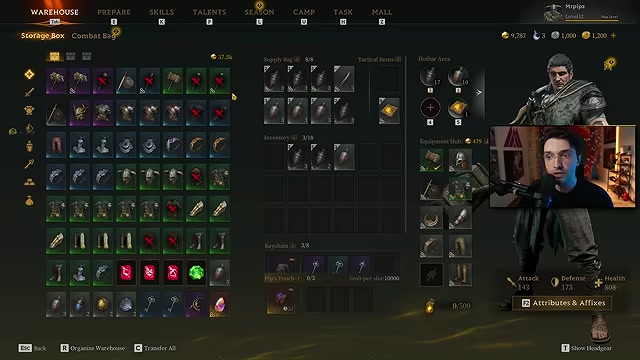
Open the item menu from your stash or inventory.
Choose list on auction house
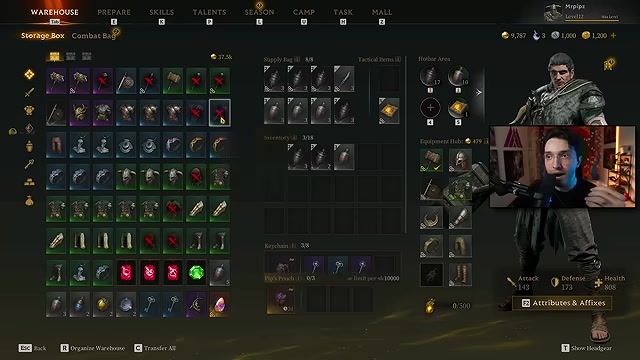
Use this for gear with real class value, not random low-tier clutter.
Check the lowest current price
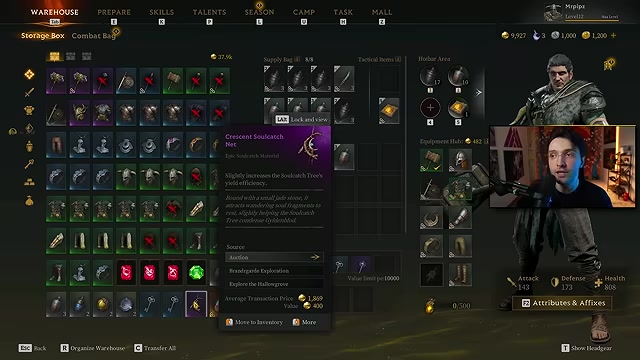
Compare the market listing against the item’s value before committing.
Undercut slightly

Drop the price by a small amount when you want faster gold.
List the item

Sell surplus off-class gear and duplicate legendary construction materials this way.
Consumables and common buff materials
Potions are worth bringing home whenever you have space. You will burn through healing constantly, and extra potions found from players or raid merchants reduce how much gold you spend just to start the next run comfortably.
Do not ignore malt and hops because they look common. Sigrid uses them for Victory Wine buffs before a match, and those buffs help your build feel stronger before the raid even begins.
If you are short on space, these common mats do not outrank rare construction pieces or ingots. But when a slot is free, bringing them back is a steady economy win for beginners trying to build wealth instead of spending gold on every refill.
Sell targets when the stash fills
| Sell method | Best use |
|---|---|
| NPC vendor | Weak white or green gear, low-value clutter, and common surplus with poor market returns |
| Auction house | Usable off-class gear and duplicate legendary construction materials |
| Hold in stash | First-copy rare materials, gems, Soul Catch Nets, ingots, potions, malt, and hops |
| Drop during raid | Trash loot when inventory space is needed for higher-value finds |
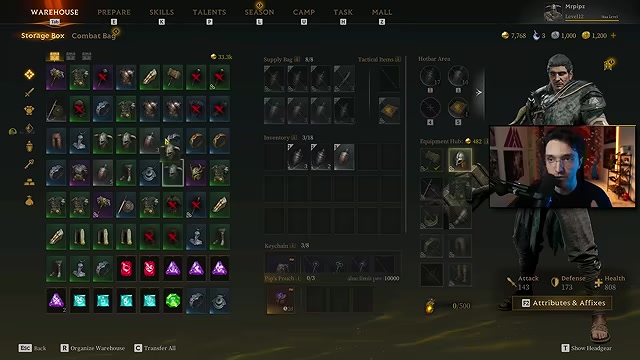
When your warehouse starts choking, clean from the bottom first: weak white and green gear, gear that does not fit your build, and common surplus you now know is not part of your immediate camp path. Do not turn rare materials into vendor money just because the stash looks messy for one run.
For tradable items, compare the expected market payout after fees with the item’s value. Some listings beat vendoring by a lot, but not every item is worth tying up in the market.
Raid habits that protect valuable loot
Loot fast

Prioritize high-value chests, elite enemies, and materials tied to your current goals.
Drop trash
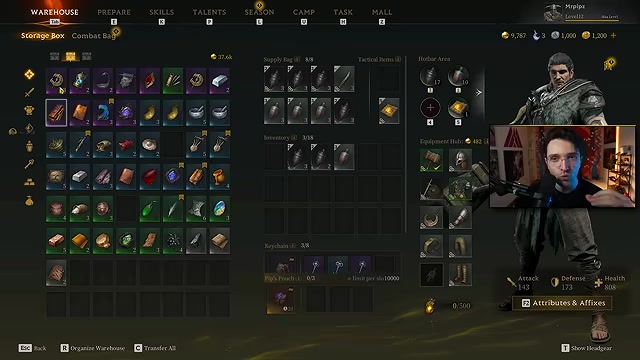
Free space when the bag is tight instead of carrying weak clutter to extraction.
Watch the Gyldenmist

Leave yourself time to move before the mist traps your route.
Secure a Soul of Return
Find a Returner Woodling so it can become a Soul Tree.
Ring the Soul Tree bell
Extract by ringing the bell and staying alert while other players can hear it.
Use Merchant Woodlings

Bank high-value finds mid-run when a Merchant Woodling is available.
Stash habits that prevent bad sales
Press R in the stash to auto-organize weapons, armor, and materials instead of hand-sorting every slot. A clean stash makes it easier to see duplicates, backup kits, and upgrade materials before you sell anything.
Keep a few backup loadouts with basic weapons, armor, and healing so one failed extraction does not force a desperate run. For priority materials, use favorites instead of relying on memory; if an item is marked, treat it as reserved until that upgrade or Scavengers requirement is finished.
August 6 loot change for Einherjar Mode
The August 6, 2026 update opened Einherjar Mist Lord challenges and changed Dried Flower Knots so they now drop when challenging Mist Lords in Einherjar Mode. Older stash advice that treats those drops as unavailable is out of date.
Related Mistfall Hunter guides
Frequently Asked Questions
Does accidentally selling an important item ruin progression?
No. A bad sale can slow an upgrade, but many materials and gear pieces can be found again or bought back through the auction house, so treat it as a gold cost rather than a ruined account.
Should beginners keep duplicate legendary construction materials?
Keep your first copy early, then consider selling extras when you have several of the same material and no immediate upgrade needs them. Duplicate legendary construction materials can be strong auction house items because other players may still be pushing those camp upgrades.
Are malt and hops worth stash space if they are low rarity?
Yes, when you have room. Malt and hops feed Sigrid’s Victory Wine buffs, so they save gold and help you start raids stronger even though they are common materials.
Video help





Leave a Reply