


When a Ritual starts, drop everything, run to the room named in the on-screen alert, and hold E on every candle to put them all out before the ~30-second timer hits zero — if even one candle is still lit when time runs out, the patient dies.
The Death Ritual is one of the scarier-looking emergencies in is — a patient hovering over the bed surrounded by lit candles — but it’s actually one of the simpler ones to solve once you know the trick. The whole event is a race against a short timer, and the candles are the only thing that matters. Everything below is about recognizing it fast and clearing it before the clock beats you.
What the Ritual emergency looks like
| Detail | What to know |
|---|---|
| Objective | Extinguish every candle in the room |
| Input (PC) | Approach a candle and hold E until it goes out |
| Time limit | About 30 seconds |
| Where | The room named in the alert |
| Fail result | Patient dies — counts as 1 Hospital Death |
You’ll always get a warning first: a notification appears on screen telling you a Ritual is taking place in a specific room. The moment you walk in, the scene is hard to miss — multiple candles arranged in a circle and the patient floating above the bed with an unsettling appearance. The single most important thing to understand is that you cannot interact with the patient while the ritual is active. There is no treatment to apply, no item to use on them, nothing. The candles are the entire objective, so don’t waste a second trying to click the patient.
How to stop the Ritual in Animal Hospital Anomaly
React to the notification
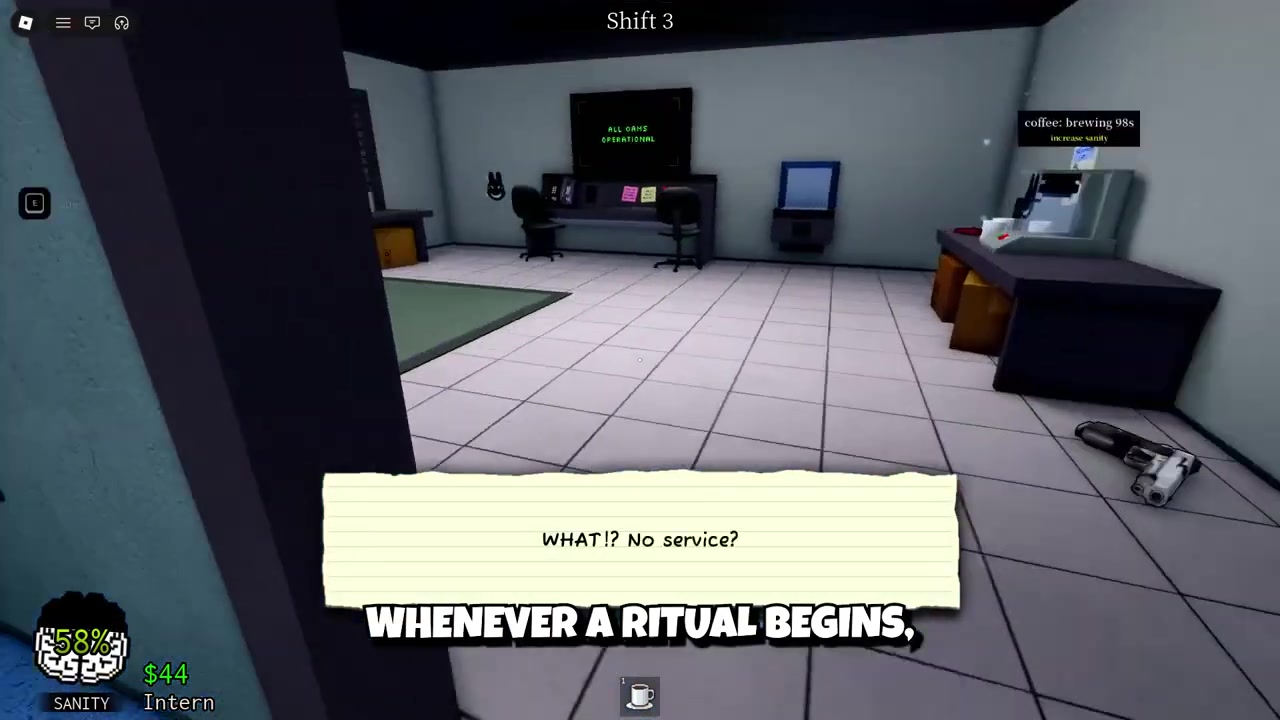
The instant the alert names a room, stop whatever you’re doing and head straight there — the timer is already running.
Read the room on entry
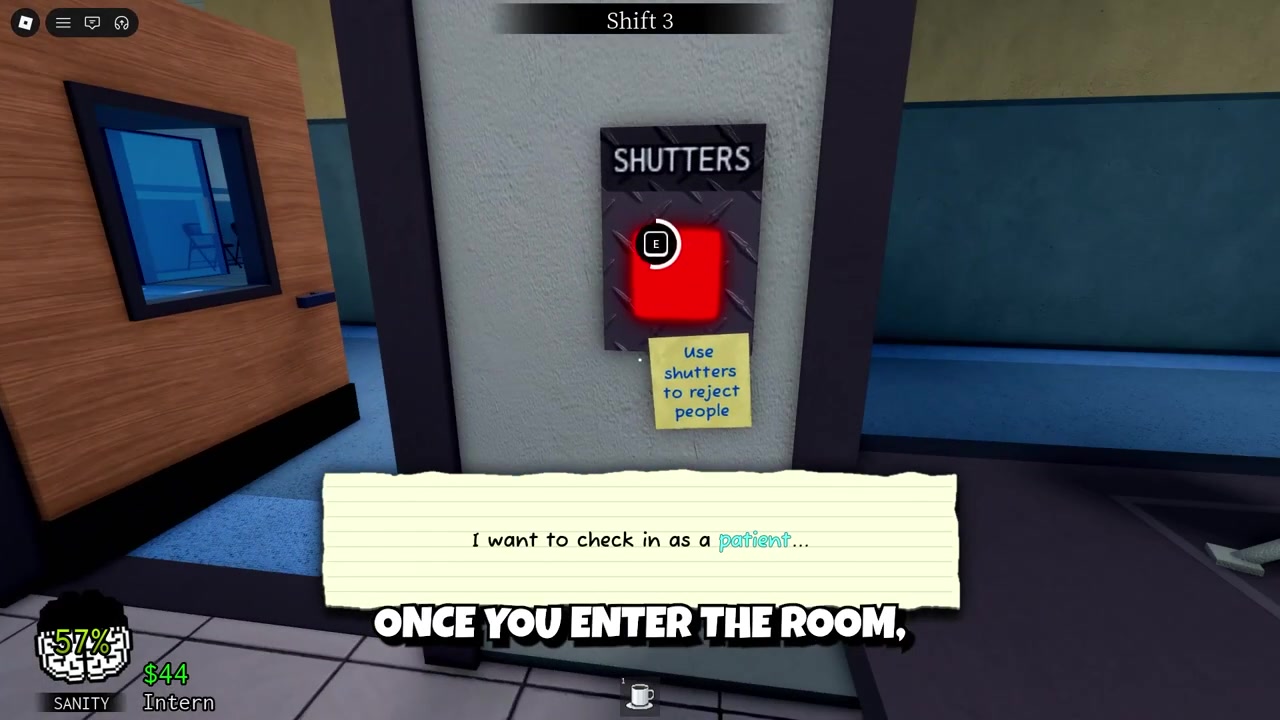
You’ll see candles arranged in a circle and the patient floating above the bed; this is the Death Ritual, not a normal anomaly.
Ignore the patient
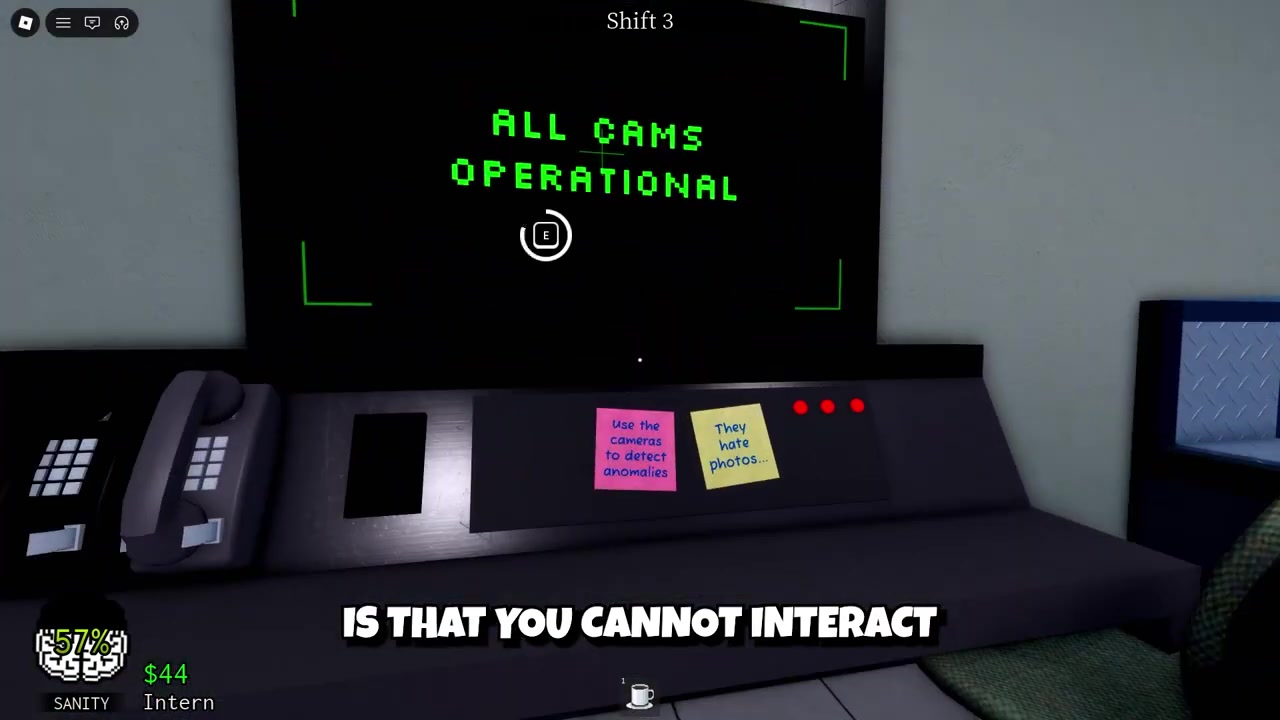
You can’t interact with or treat the patient during the ritual, so don’t try — focus entirely on the candles.
Hold E on each candle
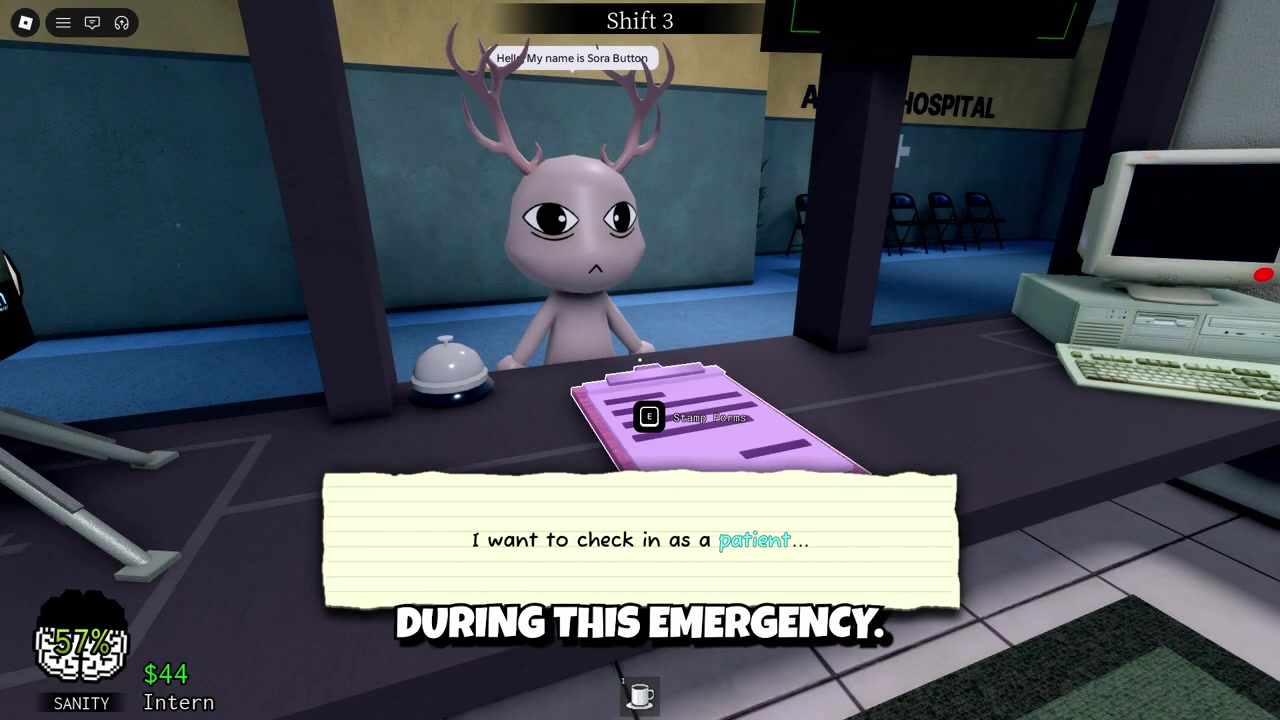
Walk up to a candle and hold E on PC until it fully goes out, then move to the next one.
Scan for every candle
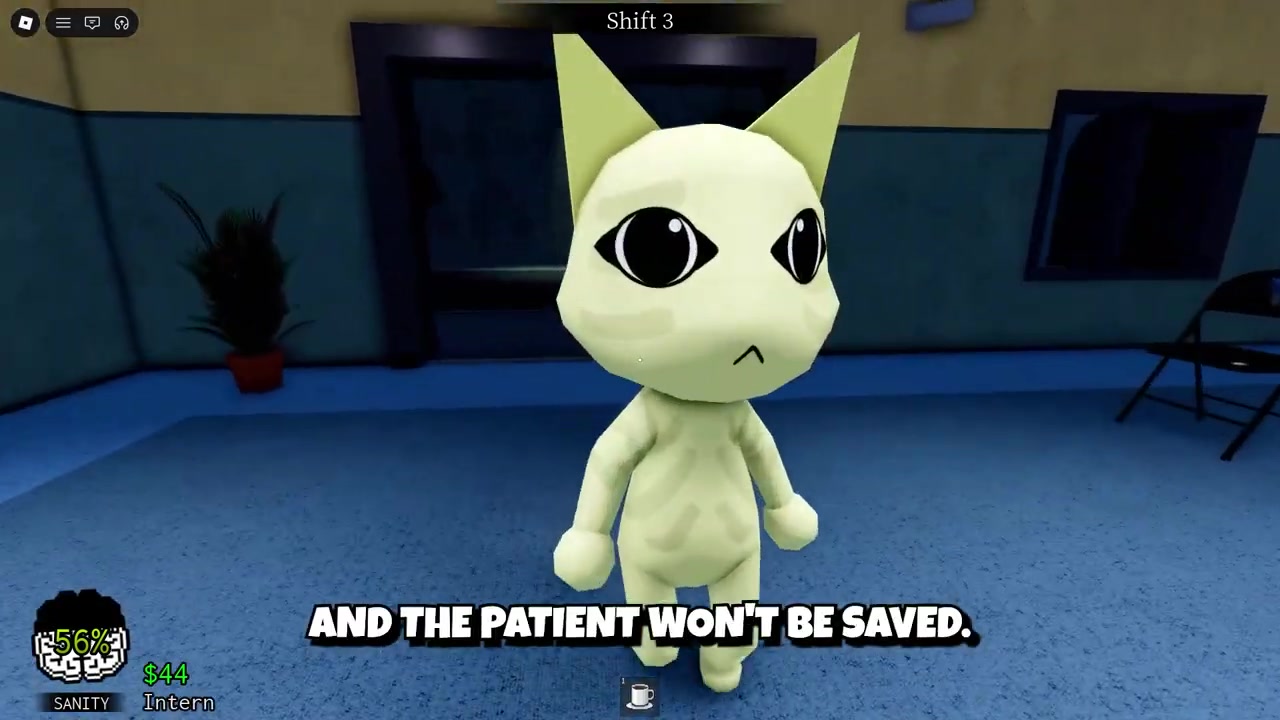
Take a quick look around the whole room so you don’t miss one tucked in a corner — it’s all-or-nothing, one lit candle and the ritual continues.
Snuff the last candle
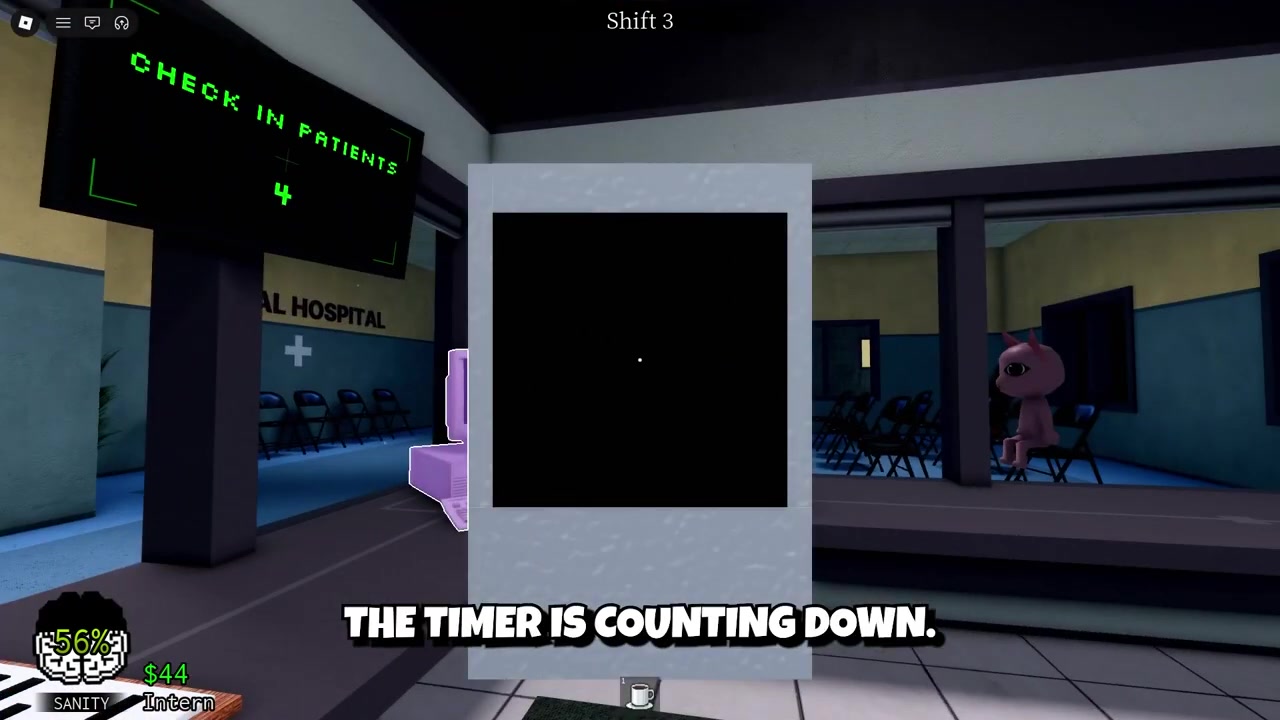
The moment the final candle is out the ritual ends instantly, the patient drops onto the bed and starts recovering.
Scan the entire room before you start extinguishing. Mentally mark every candle on entry instead of running blindly from one to the next — a single missed candle behind furniture or in a corner fails the whole event.
Video help
What happens if the Ritual timer runs out
If the clock hits zero while any candle is still burning, the ritual succeeds — and that means the patient dies. The game officially logs this as a failed patient outcome, and it does real damage in two ways. First, a lost patient drags down your end-of-shift performance review, even if the rest of your run was clean.
Second, and more importantly, deaths stack across your whole playthrough. The game tracks every patient you lose, and if a total of three patients die in a single run, the run ends completely. That’s why experienced players treat every ritual as top priority: it isn’t just one bad mark, it’s a third of the way to game over. When the notification pops, react immediately — don’t finish another task and don’t wait for a treatment to complete, because those 30-odd seconds vanish fast while you’re running across the hospital.
Common mistakes and what triggers a Ritual
The most common slip is the obvious one: trying to treat the patient instead of dealing with the candles. You simply can’t interact with them until the ritual is over. The other two big traps are finishing another task first instead of dropping everything the moment the alert appears, and missing a single candle because you charged in without scanning the room. You don’t need any meds, herbs, or special items for this — only candle interaction. (You may see it described as using IV Drops to put the candles out; treat that as unverified wording — the confirmed method on PC is holding E.)
As for what starts a ritual, any patient — anomaly or not — can trigger one in a medical room, so don’t assume you’re safe just because a patient seemed normal. Some players also report that the Hollow Face anomaly (dark, hollow eyes and twitching) can kick off a ritual when you heal it, and advise staying in the room afterward because the door is said to open slowly once the ritual begins. Treat that as a player-reported tip rather than a confirmed mechanic — but staying nearby after a suspicious heal costs you nothing and could save the precious seconds you’d otherwise spend fighting a slow door.
Frequently Asked Questions
How long do you have to stop the Ritual?
Roughly 30 seconds from when the ritual begins. That figure is widely cited but not fully confirmed, so play it safe and treat it as a hard, fast deadline rather than a comfortable window.
Can you treat or interact with the patient during the Ritual?
No. The patient is locked out while the ritual is active — you cannot treat or interact with them at all. Focus only on the candles; normal treatment becomes possible again the instant the ritual ends and the patient drops back onto the bed.
What happens if you fail the Ritual?
The patient dies and it’s logged as a failed patient outcome (a Hospital Death). It hurts your performance review, and because three lost patients end the entire run, every failure pushes you closer to game over.
Do you need any medicine or items to stop it?
No meds, herbs, or items are required — the fix is purely extinguishing the candles by holding E. You may see the candles described as being put out with IV Drops, but that phrasing is unconfirmed; the reliable input on PC is hold E.
What triggers a Ritual in the first place?
Any patient in a medical room can randomly start one, whether or not they were an anomaly. Some players additionally report the Hollow Face anomaly triggering a ritual when healed, with a slow-opening door afterward — that’s a player-reported claim, not a confirmed rule.






Leave a Reply