
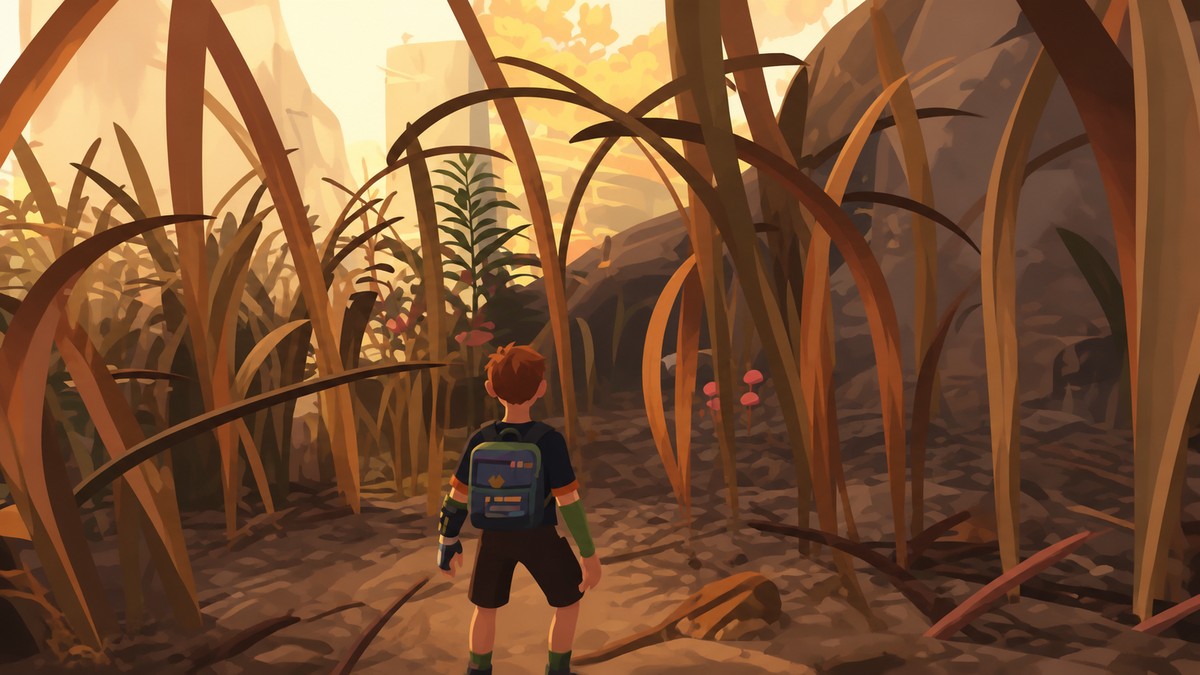
The best Grounded 2 base locations after Into the Abyss are the fast-travel and zipline-friendly hubs around Gnarly Bark, the Lily Pads, the central tree, Picnic Table Roots or Hidden Cavern, and the high Pergola concrete blocks, while Snackbar and Ice Cream Cart remain safer early-game choices.
The Into the Abyss update opens the pond into a much more important part of Brookhollow Park, so the best base spots now need to do more than sit near grass and acorns. A good home in Grounded 2 should support fast travel, ziplines, pond access, raid defense, and the resources you are actually using at your current stage.
All recommended base locations after Into the Abyss
| Location | Best use | Main caution |
|---|---|---|
| Ranger Outpost: Snackbar | Safe starter base near spawn, acorns, and blueberries | No infinite water source now |
| Ice Cream Cart / Sprinkler Bridge | Early-to-late build with stems, blueberries, acorns, and a research station | Orb Weaver, Orb Weaver Junior, and Larva nearby |
| Dead Center Tree | Central long-term zipline hub | Scorpion, Orb Weaver, and Larva patrols |
| Hollow Tree Trunk | Unique hollow-base design close to central travel routes | Wolf Spider patrol through the center |
| Teleporter Rock Wall | Central base with a teleporting research station | Shared Wolf Spider danger with the nearby trunk area |
| Red Ant Hill Edge | Early-game resource base near the Red Ant Hill | Soldier ants, Orb Weaver Junior, spiderling, and daily Larva |
| Right Corner of the Deck | Elevated, low-pressure deck base with zipline height | Bombardier Beetle path nearby |
| Under the Deck | Large flat base beside a fast-travel research station | Wolf Spider and Larva patrols need barricades |
| Picnic Table Roots | Best resource-heavy northern base | Far corner placement |
| Hidden Cavern | Unique protected build under the picnic table | Small spiderling nearby |
| Tree Stump | Safe scenic northern outpost with fast travel nearby | Limited build space |
| Under the Bench | Huge late-game flat build area | Two Scorpions patrol the area |
| Gnarly Bark | New pond-side fast-travel and zipline hub | Wolf Spider route, plus Rust Beetles and Scorpions around the corner |
| Elevated Pond-Side Flat Rock | Large scenic pond-edge platform | Pincer Earwig in a nearby crevice; add barricades |
| Lily Pads | Pond-access base near a research station with fast travel | Mosquitoes and Tiger Mosquitoes around other pond spots |
| Pergola Concrete Blocks | High zipline tower for pond, pumpkin patch, and central routes | Orb Weaver Junior on top; Orb Weavers below |
Key This set covers the full spread: safe spawn-side homes, central travel hubs, northern resource bases, and new Into the Abyss pond routes. If you only build one serious main base, prioritize a spot that gives you either fast travel at the doorstep or enough height to turn ziplines into a real network.
Choosing a strong Into the Abyss base spot
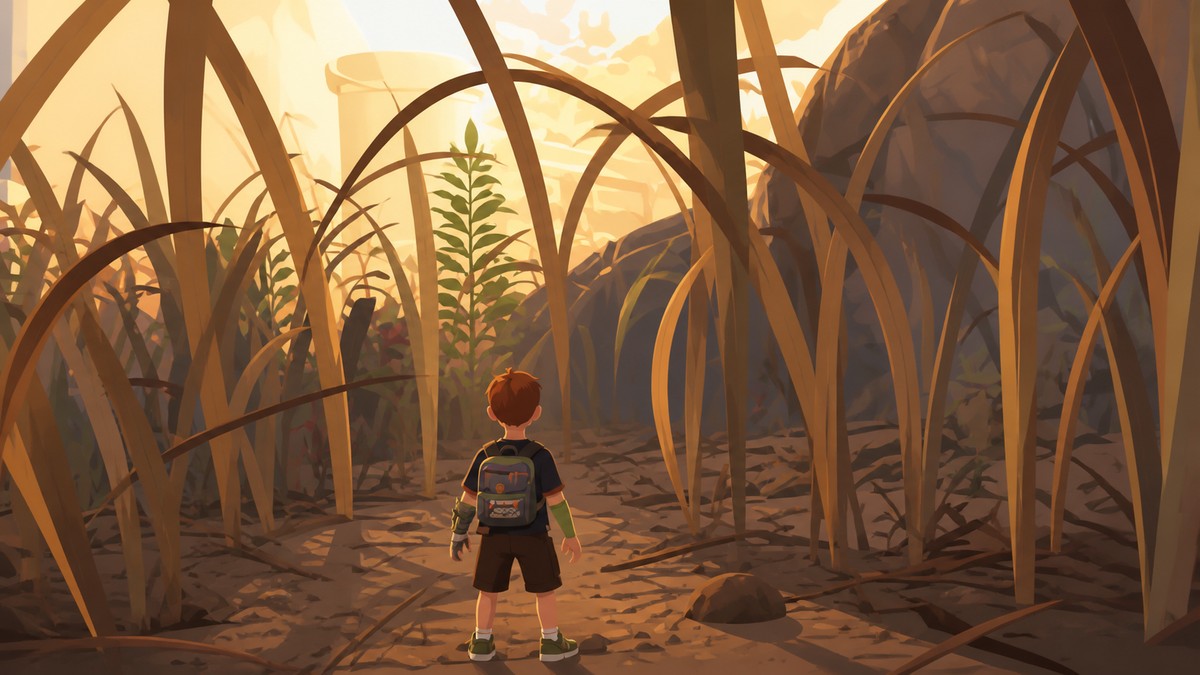
Start with resources. A base near acorns, blueberries, stems, pine needles, pine cones, clay, clovers, mushrooms, or sap saves huge amounts of walking, but the best resource mix changes as your save progresses.
Then judge safety and raid defense. A spot with no regular patrols is ideal, but a risky area can still work if the enemies approach from one side and you can block them with barricades, walls, or elevated building.
Terrain matters just as much as the map pin. Flat rock, hollow trunks, roots, lily pads, concrete blocks, and deck corners all give you cleaner building support, while scenic high points now gain extra value because fast travel stations and ziplines make vertical bases much more useful after Into the Abyss.
Starter bases near spawn
| Location | Nearby resources | Threats |
|---|---|---|
| Ranger Outpost: Snackbar | Acorns, blueberries, starter-zone materials | No regular patrols noted |
| Ice Cream Cart / Sprinkler Bridge | Blueberries, acorns, stems, research station | Orb Weaver, Orb Weaver Junior, Larva |
| Red Ant Hill Edge | Early-game materials, sap collector branch, Red Ant Hill access | Soldier ants, Orb Weaver Junior, spiderling, Larva |
| Right Corner of the Deck | Dandelions and broad nearby resource access | Bombardier Beetle path nearby |
Ranger Outpost: Snackbar is still the cleanest first-home pick if you want a quiet start. It sits just outside the starting zone, close enough to make early trips painless, with acorns in one direction and blueberries in another. The main adjustment is water: the old infinite source is gone, so use a setup where water droplets collect and can be knocked into a canteen with a stuffed bug.
Ice Cream Cart / Sprinkler Bridge is the better early base if you want more building room and stronger resource access. Bridging from the flat ground across the branch to the flat rock gives you a roomy elevated footprint, with blueberries, acorns, abundant stems, and a research station below. Build up off the ground and the Orb Weaver, Orb Weaver Junior, and Larva pathing becomes much less of a daily problem.
Red Ant Hill Edge works because it is close to spawn and early resources while sitting above the Red Ant Hill area where you get the red soldier ant buggy. Build upward here, then block the side where the Larva visit and the branch side where the Orb Weaver Junior and spiderling can wander in. The right corner of the deck is the safer elevated alternative: it has broad flat space, strong zipline height, and only the nearby Bombardier Beetle route to respect.
Central bases for travel and ziplines
Dead Center Tree is the obvious long-term travel base because it sits in the middle of the map beside a massive tree. The location also gives you a broad build area, sap collector support from a nearby branch, and quick access to gum, pine cones, dry grass, mushrooms, and other central materials. Its weakness is patrol management: block the Scorpion route between the little log and mound, and keep the Larva and Orb Weaver paths in mind before you expand.
Hollow Tree Trunk trades some of that open central feel for personality. You get a big flat area plus a hollow trunk that can become a very distinct base interior, while still staying close to acorns, blueberries, and the main tree for zipline planning. The Wolf Spider route through the center is the problem, so wall off the approach lanes before treating it as a relaxed home.
Teleporter Rock Wall is the best central pick if you value fast travel more than maximum building space. It has a cool rock-wall backdrop and a research station that teleports you across the map, putting fast travel at your doorstep while keeping you fairly central. Under the Deck is the larger flat version of that idea, with a fast-travel research station nearby, pine needles in the base area, and enough room to shape the entrance around barricades against the Wolf Spider and Larva paths.
Northern bases for late-game resources
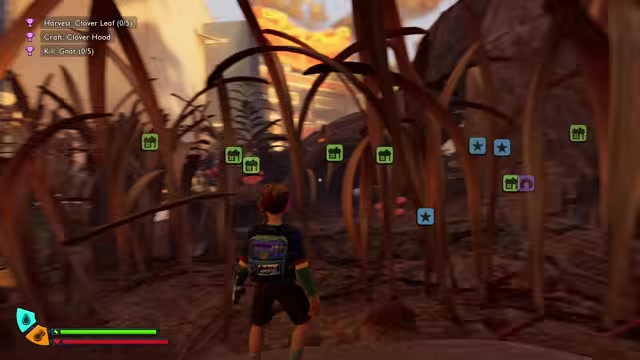
Picnic Table Roots is the strongest resource base in the northern area. Build on the mushrooms and roots, then use the nearby research station while pulling from a loaded resource belt: respawnable acorns in the green bucket, blueberries on the picnic table, pine needles throughout the area, pine cones nearby, Lingonberry, charcoal within reach, and the building supplies below the picnic table.
Hidden Cavern is the more unusual version of the same resource plan. The cavern sits under the picnic table and has a key-blocked entrance that needs the red ant buggy to open, with extra room available above it. Its threat profile is light, mainly a small spiderling near the second location, while the surrounding area still gives you stems, clovers, clay, mushrooms, and the same pine needle access that makes Picnic Table Roots so efficient.
Tree Stump is for players who want safety and a view more than a huge footprint. It puts you in the middle of the northern areas, near the resources from the picnic table side, and close to a research station that fast travels to Ranger Outpost: Veggie Garden. Under the Bench is the big-builder pick instead: an enormous flat northern space with late-game resource access, but two Scorpions make defenses mandatory once you settle on the layout.
Into the Abyss pond and Pergola bases
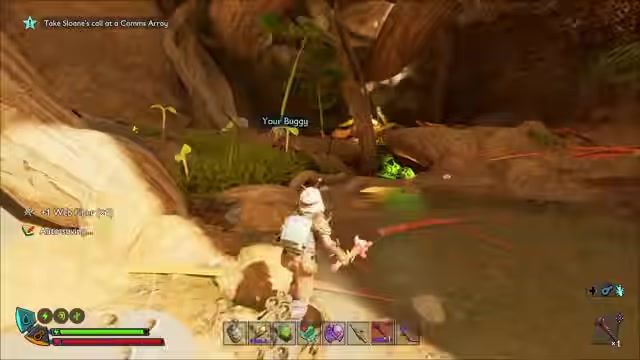
Gnarly Bark is the best new all-around base location from the update. It sits above Ranger Outpost: Gnarly Bark, has excellent scenery, gives quick access to a fast-travel station, and has enough branch height to support zipline towers. The nearby Wolf Spider route can be contained by blocking the area around the stump, while Rust Beetles and Scorpions stay farther around the corner.
The elevated pond-side flat rock is the new big flat pond-edge build. It is high, scenic, close to the pond, and awkward for enemies to reach unless you leave stairs attached. The patrol pattern around the close edge is still young, so barricade the rock-wall side and avoid leaving a climbable path for the Pincer Earwig seen in the small crevice.
Lily Pads are the cleanest pond-access base if you want to be on the water without committing your whole save to an underwater main base. You can build across the pads, use the branch for sap collectors, and plan around the research station inside the pond structure once you have story access to it. The safest pads sit away from the mosquitoes in the middle and the Tiger Mosquitoes that land on the back side.
Pergola Concrete Blocks are a zipline player’s dream. The highest central block in the top-right Pergola area can send lines straight toward the pond, the pumpkin patch, the main tree, and other major routes. The build space is more tower-like than cozy, but the height and mostly safe top surface make it one of the best transport bases after Into the Abyss.
Put your main base beside a fast-travel research station or high enough for ziplines; Into the Abyss rewards travel access more than a slightly bigger floor plan.
Best base picks by player goal
| Goal | Best pick |
|---|---|
| Safest early home | Ranger Outpost: Snackbar |
| Best resource hub | Picnic Table Roots |
| Best scenic base | Gnarly Bark |
| Best fast-travel hub | Lily Pads or Gnarly Bark |
| Best zipline tower | Pergola Concrete Blocks |
| Best pond-access base | Lily Pads |
| Best huge flat build | Under the Bench |
| Best unique build | Hidden Cavern |
Key If you want one practical answer, pick Gnarly Bark for an Into the Abyss main base, Dead Center Tree for map-wide ziplines, or Picnic Table Roots for resource density. Newer players should still start near Ranger Outpost: Snackbar or the Ice Cream Cart, then move once fast travel, pond progression, and late-game resources become the bottleneck.
Frequently Asked Questions
Are underwater bases worth using as a main base in Grounded 2?
Underwater bases are now part of the pond progression, with underwater building, diving gear, and oxygen-support furniture making them far more useful than before. For most saves, though, a shoreline or lily pad main base with a smaller underwater outpost is the smoother setup, because you keep easy land access while still reaching the new pond routes and Toe-biter travel.
Is old base-location advice still useful after Into the Abyss?
Older land-base logic still helps for spawn safety, resource access, flat terrain, and raid defense, so places like Snackbar, the central tree, and the picnic table area remain strong. What changed is priority: bases near fast-travel stations, pond access, and zipline height now beat many older “big fort anywhere” choices.
Are fast-travel research station bases better than central bases?
They are better when you are choosing a main base for the full Into the Abyss map. A purely central base saves walking in the old zones, but a base beside fast travel can jump between distant stations, then use ziplines or local outposts to cover the last stretch.
Video help




Leave a Reply