
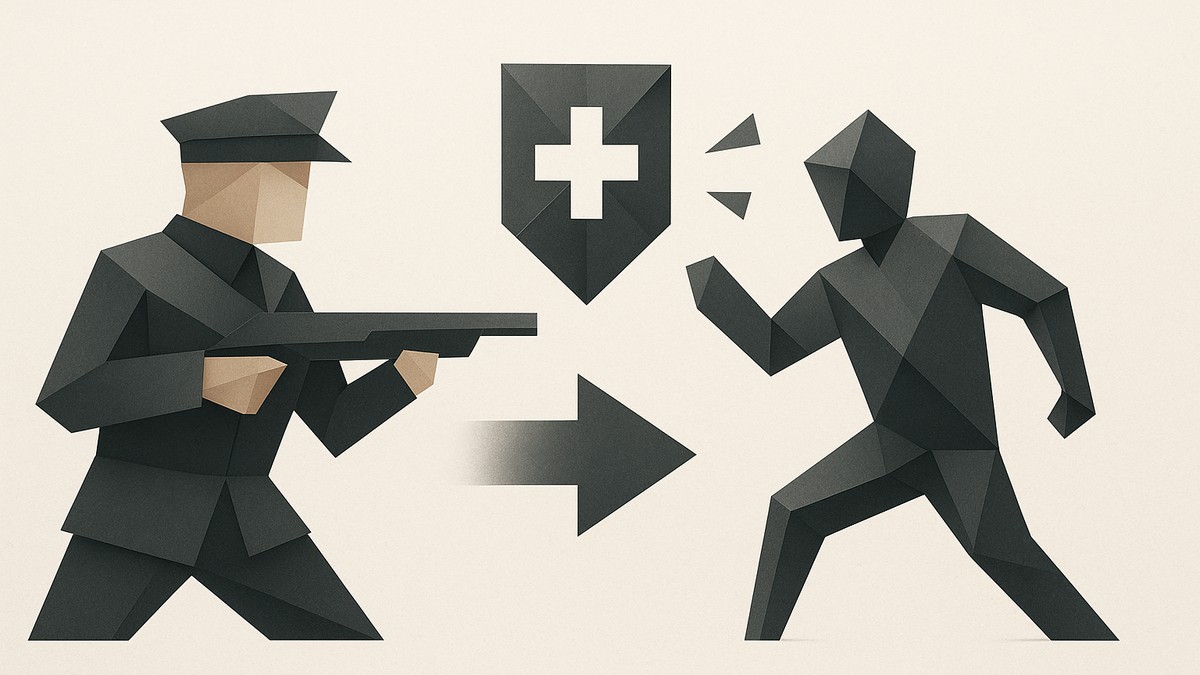
To win more Gakuran PvP fights, enter fighting stance first, stop mindlessly spamming M1, delay your light attacks to punish parry timing, and mix in dashes, blocks, parries, and heavy guard breaks when opponents start defending.
Gakuran fights are decided by timing and reads far more than by button speed, and the single habit that separates winners from losers is delaying your M1s instead of spamming them. This guide gives you the controls you actually need, the exact combat flow to practice, and the defensive habits that keep you off the back foot.
- PvP setup and the controls that matter
- How to win 1v1 fights in Gakuran
- Delayed M1s and rage baiting, the core edge
- Defense, spacing, and finding punish windows
- Fighting styles and build factors for duels
- Common PvP mistakes and how to fix them
- Where to take your PvP practice next
- Frequently Asked Questions
PvP setup and the controls that matter
| Control | Use |
|---|---|
| T | Enter fighting stance before every fight |
| M1 (Left Click) | Light attacks, your basic combo backbone |
| M2 / R | Heavy attacks and guard breaks |
| F | Block, or parry with tight timing |
| Q | Dash to dodge, reposition, or slip behind a guard |
| Shift | Sprint to chase or escape |
| V | Carry a downed player |
| B | Execute a downed player |
| Alt / M | Open your in-game phone |
| Ctrl (Shift Lock) | Tighter camera control for aiming and spacing |
If you’re just starting, you join the developer’s official Roblox group, then log in, name your character, and set your gender before you ever throw a punch. There are no ranked queues here, so fights happen organically around the school and the surrounding areas. The one setup step people skip is the most important: press T to enter your fighting stance before every fight. Without it, your attacks and style skills won’t behave properly.
Everything else is a short list of PC binds. Light attacks on M1 are your combo backbone, heavies on M2 or R break guards, and F and Q carry your defense. Learn these before you worry about styles.
How to win 1v1 fights in Gakuran
This is the core combat flow to drill in sparring: enter stance, feed delayed M1s, hold pressure through clinches, and only reach for a rage bait when the opponent is losing their composure.
- Delay your M1s — Instead of firing a light attack the instant you’re in range, hold each M1 a beat so it lands after the opponent’s parry window has already closed.
- Enter stance, then start your string — Press T to initiate your combat stance before committing, then lay your M1s into the opponent.
- Keep pressure through the clinch — Chain your delayed M1s until you clinch, win the clinch, and continue the string instead of resetting back to neutral.
- Rage bait an overcommitting opponent — When someone is swinging emotionally, provoke an impatient whiff and punish it — this won’t land every time, so don’t force it when they’re playing patient.
- Win the clinch, then layer M1s — Against an aggressive boxer, take the clinch first, then layer delayed M1s to keep control of the exchange.
- Delay instead of spamming into parries — Spammed M1s get parried on sight, but delayed M1s beat players who know how to parry, so save pure spam for opponents who clearly can’t.
Delayed M1s and rage baiting, the core edge
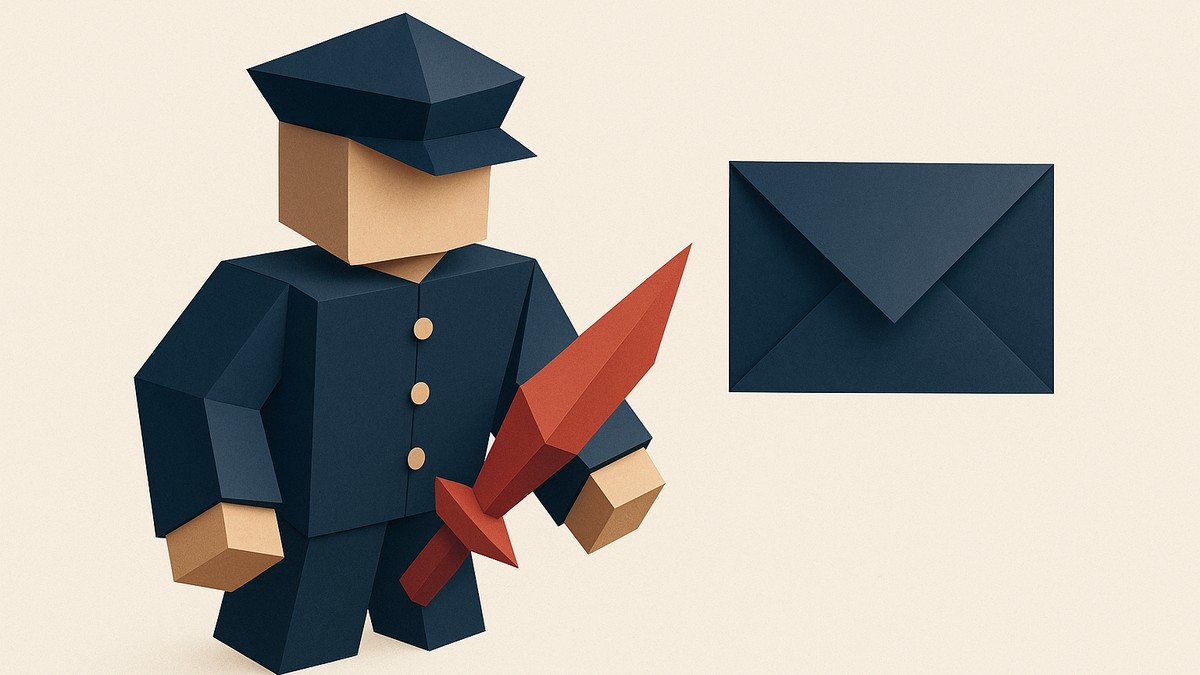
Here’s the whole thing in one line: delayed M1s beat players who know how to parry, and pure M1 spam only works on weaker players who don’t. A parry keys off the rhythm of an incoming light attack. When you spam, that rhythm is metronome-steady and trivial to read, so a competent opponent parries the string and counters you into a stun. When you delay each hit slightly, you land after their parry attempt has already whiffed, and the same read that was beating you now costs them tempo.
Rage baiting is the second technique layered on top. It means provoking an impatient opponent into an emotional swing or an overcommitment, then punishing the recovery. It works best against someone who is already reacting rather than thinking. It is not a guaranteed win button — a bait against a calm, patient player often does nothing, and you can lose the exchange while you wait for a mistake that never comes. Use it as a finisher against tilted opponents, not as your opener.
Against anyone who can parry, delay every M1 by a fraction of a second instead of spamming — the same delay that makes your combo feel slower is exactly what makes their parry whiff.
Defense, spacing, and finding punish windows
Good defense in Gakuran is active, not passive. Hold F to block, but the real value is the parry: time F just before an incoming hit and you completely shut down the opponent’s aggression instead of just eating chip. Panic-holding block forever gets you guard-broken, so treat F as a timing tool, not a wall.
Spacing wins the rest. Don’t hug your opponent — sitting on top of someone makes you easy to catch in a full combo. Hold mid-range instead, where you can still reach with M1 but have room to react. From there, Q dashes are your reset button: dash-back into M1 or dash-side into M1 to bait a whiff and counter rather than trading toe-to-toe. Dashing also slips you out of a combo or behind a guard when you’re getting pressured.
Save your heavies for openings. Throwing M2 or R at random bleeds stamina and tempo for nothing, but landing one on a blocking opponent breaks their guard, and landing one on a whiff punishes hard. When you knock someone down, actually finish it with B — leaving a downed player alive lets them get revived or escape, and that’s how close fights slip away.
Fighting styles and build factors for duels
| Style or stat | PvP role |
|---|---|
| Basic | Starter all-rounder to learn the fundamentals on |
| Boxing | Fast light-attack pressure |
| Muay Thai | Aggressive striking |
| Karate | Striking-focused style |
| Wrestling | Grappling; reported as very strong for grabs |
| Hikari | Reported elite pick, especially paired with max height |
| Height | Affects physics and competitive viability |
| God Pierce | Chip damage that passes through normal blocking |
| Resilience | Chance to break out of a grapple |
Your fighting style and your rolled build both feed into how you fight, but treat the meta talk cautiously — plenty of it is community consensus rather than settled fact. The styles below are the confirmed options, and the stats matter, though the exact percentages behind them aren’t something you should quote as gospel.
Height, God Pierce, and Resilience are the build factors players point to most, but the specific numbers behind them aren’t verified, so lean on the general roles above rather than exact stat claims. The idea that Wrestling is exceptionally strong and that Hikari with maximum height is an elite combination circulates widely — take it as a reported direction to test for yourself, not a guarantee, since it isn’t something the fight footage settles either way.
Common PvP mistakes and how to fix them
| Mistake | Fix |
|---|---|
| Forgetting to press T | Enter fighting stance before every single fight |
| Spamming M1 into parries | Delay your M1s to beat parry timing |
| Standing too close | Hold mid-range spacing and punish from distance |
| Panic blocking | Time F for parries instead of holding block |
| Wasting heavy attacks | Save M2/R for guard breaks and clear openings |
| Never dashing | Use Q to escape combos and reposition |
| Leaving downed opponents alive | Execute with B before they get revived |
KEY!If you already know the controls, this is the fastest way to level up: most losses trace back to one of these habits, not to a lack of mechanical skill. Fixing the stance and the M1-spam problem alone will win you a surprising number of fights.
Where to take your PvP practice next
Once the delayed-M1 and rage-bait flow feels natural, the next things worth digging into are which fighting styles suit your build, how to optimize your height and stats for duels, and current codes and rerolls for shaping your character faster. For live reps, the school grounds and the busier urban spots tend to have people willing to spar, which is the only real way to make delayed timing muscle memory.
Frequently Asked Questions
Do you need to press T before fighting in Gakuran?
Yes. Press T to enter your fighting stance before every fight — without it, your attacks and style skills won’t behave properly, and it’s the single most common thing new players forget.
Should you spam M1 in Gakuran PvP?
Only against weaker players who can’t parry. Spammed M1s have a steady rhythm that skilled opponents read and parry on sight, so against anyone competent you should delay your light attacks instead.
How do you beat players who parry a lot?
Delay your M1s. A parry keys off the timing of your incoming hit, so holding each light attack a fraction longer makes their parry whiff and lets your strike land into the recovery.
What does M2 or R do in PvP?
M2 and R are your heavy attacks. They deal more damage than light hits and are your tool for breaking a blocking opponent’s guard or punishing a whiff — save them for openings rather than throwing them randomly.
Which fighting style is best for PvP?
The available styles are Basic, Boxing, Muay Thai, Karate, Wrestling, and Hikari. Wrestling is widely reported as strong for grappling and Hikari paired with max height gets talked up as a top combination, but treat those as directions to test rather than settled fact.
More questions⤵
Does height matter in Gakuran PvP?
Players report that height affects physics and competitive viability, and it’s rolled alongside your character’s other traits. The exact impact isn’t pinned down with hard numbers, so factor it in without over-indexing on any single stat claim.
Video help


Leave a Reply