

To flip boats fast in Flip A Boat, buy the parts you need before you start repairs, strip every damaged engine part first, install the replacements in the mechanic menu, do only quick cosmetics, then sell immediately and reinvest.
The fastest way to make money in Flip A Boat is to keep the flip cycle moving: buy cheap, repair cleanly, repaint quickly, sell, and put the profit into the next hull. The repair work is straightforward; the real time loss comes from missing parts, messy hauling, over-customizing, and tying up cash in boats that are not ready to sell.
What fast flipping actually means

Flipping boats is the main money loop in Flip A Boat, and fast flipping means running that loop without wasted steps: Buy → Haul → Repair → Customize → Sell → Reinvest. Speed comes from finishing profitable boats consistently, not from squeezing one hull for every possible coin. Every completed sale funds a better project, so keep the tempo steady and avoid turning one restoration into a long, expensive build.
Setting up before you touch the boat
| Before you start | Do this |
|---|---|
| Leave a parts budget | Buy a damaged boat cheap enough to keep clear cash for repairs. |
| Haul cleanly | Align truck and trailer, follow the attach prompts, drive straight to the workshop. |
| Shop once | Visit the parts store first and buy the full engine package in one trip. |
| Match the package | Pick the engine or motor kit that covers most of your replacement parts. |
| Organize inventory | Sort parts before rebuilding so slots fill fast. |
A fast flip starts before you open the mechanic menu. Buy a wreck that leaves a healthy cash buffer for parts, because overspending on the hull is the quickest way to stall halfway through the job. Once the boat is yours, haul it cleanly: line up your truck and trailer, follow the on-screen attach prompts, and take a direct route to the workshop instead of fighting the trigger from a bad angle.
The biggest time-saver is shopping once. Visit the parts store before you begin repairs, buy the full engine package up front, and organize your inventory so every replacement goes in without digging around.
How to flip boats fast in Flip A Boat
Run these steps in order and each boat moves from wreck to sold with minimal downtime.
Buy engine parts at the store first
Go to the parts store before repairs and buy every engine component in one visit so the job never stops midway.
Pick the right engine package
Choose the engine or motor package that covers most of your replacement parts in one purchase and cuts repeat store runs.
Haul the boat back to your plot
Align the truck and trailer, follow the attach prompts, and drive a clean route back to the plot where the boat is waiting.
Open the mechanic menu
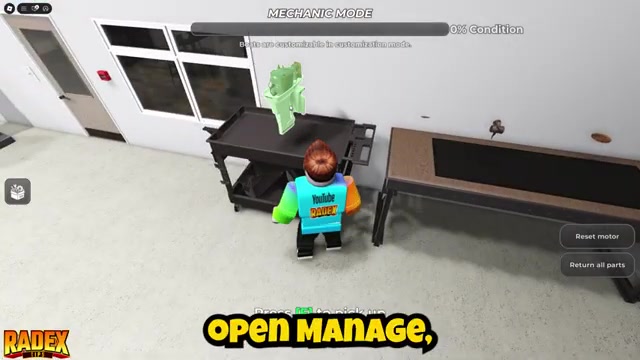
Use the computer, open Manage, select Edit Boat, then enter the mechanic menu to begin the engine work.
Strip every damaged part
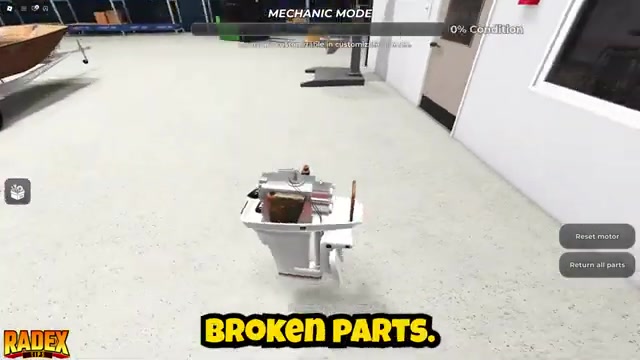
Remove the propeller, water pump, spark plugs, carburetor, fuel filter, oil tank, engine covers, and every other rusty part before rebuilding.
Install the new components
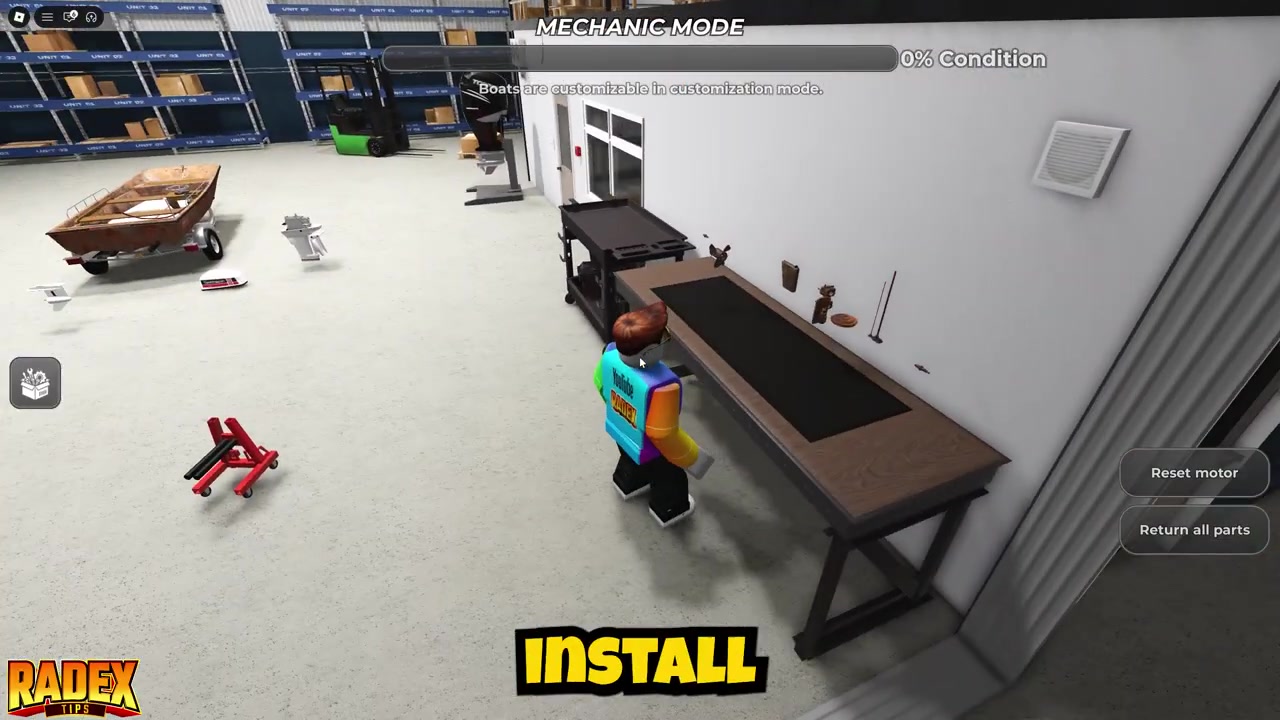
Slot each fresh part into the correct engine slot until the condition bar climbs, then handle any hidden jobs the menu still flags.
Switch to customization and repaint
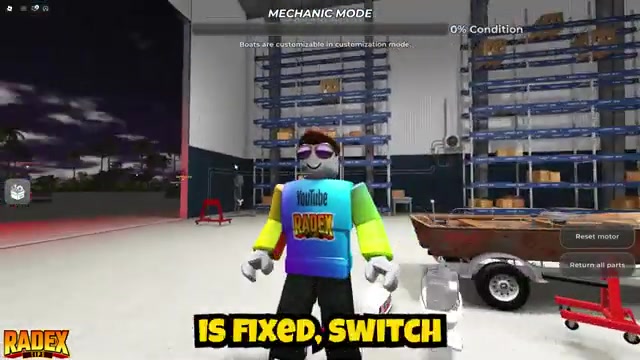
Open the customization menu and use the brush tool to add fresh paint, new materials, and cleaned-up panels.
Sell the finished boat right away
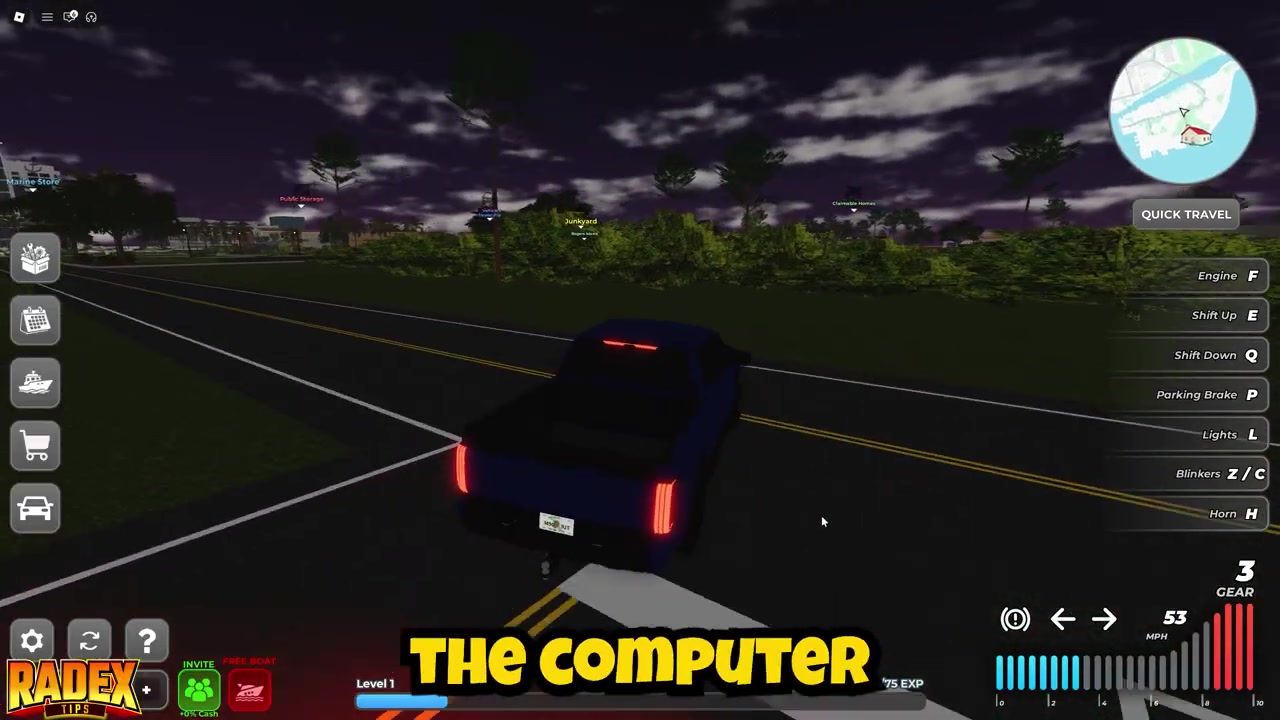
Return to the computer and sell immediately, then roll the recovered cash and profit into the next project.
Buy every engine part before you start repairing. One store trip up front removes the single biggest source of downtime in a flip.
Video help
Quick cosmetics that lift resale
Once the engine condition is full, switch straight to customization and treat it as a resale boost, not a second project. The brush tool handles fresh paint, new materials, refreshed exterior panels, and a clean-up of the visible surfaces. Even basic cosmetic work raises the sale price when the mechanical repair is already done.
The mistake is turning paint and accessories into the main job. Set a spending cap based on the sale price you expect, then stop. If the mechanics are fixed and the boat looks presentable, extra detailing rarely earns back the time and money you put into it.
Selling at the right moment and scaling up
Run several quick flips on smaller boats to build capital, then move into higher-value vessels like 40-foot builds once your budget can handle them. The profit compounds through cash flow, so the priority is always keeping the loop turning.
Slowdowns, bugs, and how to beat them
| Problem | Fix |
|---|---|
| Overspending on the hull | Buy cheaper wrecks and keep a parts reserve. |
| Multiple store trips | Buy all engine parts before you begin. |
| Installing before stripping | Remove every damaged part first, then rebuild. |
| Missed hidden jobs | Watch the condition bar for parts still flagged. |
| Over-customizing | Do quick cosmetics only and cap optional spend. |
| Poor trailer alignment | Line up the truck and trailer carefully before hauling. |
| Purchased parts not showing | Check inventory, revisit the store, or re-enter the mechanic menu to refresh. |
Slow flips usually come from the same mistakes. Buying too expensive a hull leaves no parts budget and strands you mid-repair. Making several store trips during one job burns time you could spend on the next sale. Installing new parts before stripping the damaged ones makes the rebuild slower and messier. Watch the condition bar for hidden mechanic tasks, finish the mechanical work before spending on cosmetics, and know the parts bug: purchased parts sometimes do not appear right away during repairs or customization.
Codes and rebirth: what to look at next
Two adjacent systems matter once your flips are rolling. The redeem-code menu is under Settings → Redeem Code. Code availability changes often: some servers have no working codes, while entries like release circulate and can work only on fresh servers, so treat specific codes as temporary. The game also has a Rebirth system that resets your progress for permanent bonuses once you hit the required level; check the in-game Rebirth screen for the current threshold and rewards. Neither system is required for a fast flip, but both become useful once you are compounding profits.
Related guides
Frequently Asked Questions
What is the fastest way to flip boats in Flip A Boat?
Minimize the time between sales, not the time spent perfecting one boat. Fast players front-load their shopping, keep a parts reserve, and finish one boat before starting another. A steady stream of clean flips out-earns one over-restored hull every time.
Should you buy parts before or during repairs?
Before. A single store trip up front, using a motor package that covers most replacement parts, keeps you from walking away from a half-torn engine to shop again. That mid-job shopping trip is the most common source of wasted downtime.
Should you repair the mechanics or customize first?
Mechanics first, every time. Fill the condition bar before using the brush tool, because cosmetics add resale value once the boat runs. Repainting a boat before tearing back into the engine just wastes the paint job.
What should you do if purchased parts do not show up?
It is a known bug, not a lost purchase. Check your inventory first, revisit the parts store if the buy did not register, or leave and re-enter the mechanic menu to force the game to refresh the available parts.
When should you move to bigger boats?
Move up once quick flips have built a cushion big enough to buy a larger wreck and still keep a full parts reserve. Jumping to a 40-foot hull too early strands you mid-repair, so scale up only when one flip will not drain your budget.


Leave a Reply