

The 10 Evomon monsters to prioritize are Lavarock, Terragon, Wisphex, Gem Press, Arcapex, Frostseer, Thor Lord, Sunder Crane, Mirefish, and Volcrest, with Lavarock, Terragon, Arcapex, and Volcrest standing out as the safest long-term investments.
Evomon rewards monsters that can do more than hit hard once. The best picks here either carry progression by themselves, control enemy turns, clear multi-enemy fights, or stay useful when you start building for tougher PvP and late-game encounters.
- Best Evomon monsters ranked
- How this Evomon ranking works
- Lavarock is the early tank that stays useful
- Terragon wins by staying at full HP
- Wisphex stacks poison and psychic pressure
- Gem Press shuts down attacks with confusion
- Arcapex hits hardest on its first switch-in
- Frostseer places status before most enemies move
- Thor Lord is bulky ground utility
- Sunder Crane clears dungeons with AoE pressure
- Mirefish is a strong water staller with one concern
- Volcrest is fast lifesteal with build demands
- Meta alternatives and name conflicts
- Common Evomon team-building mistakes
- Frequently Asked Questions
Best Evomon monsters ranked

| Monster | Best use |
|---|---|
| Lavarock | Tank with long-term damage and weather utility |
| Terragon | Self-healing staller that ramps in long fights |
| Wisphex | Status spreader with poison and psychic pressure |
| Gem Press | Confusion control with anti-buff value |
| Arcapex | First-turn electric burst attacker |
| Frostseer | Priority status user with accuracy control |
| Thor Lord | Bulky ground utility and stall support |
| Sunder Crane | AoE damage for dungeons and multi-enemy fights |
| Mirefish | Healing staller with defensive water utility |
| Volcrest | Fastest lifesteal attacker with bleed pressure |
This order favors monsters that help across the most content, not just one matchup. Lavarock, Terragon, Arcapex, and Volcrest are the biggest long-term investments, while picks like Gem Press, Frostseer, and Sunder Crane cover specific jobs that raw DPS teams often miss.
How this Evomon ranking works

This ranking is built around progression value: damage, bulk, speed, status control, dungeon usefulness, and PvP utility. A monster ranks higher when it solves several problems at once instead of only winning one type matchup.
Name spellings and placements vary across current Evomon lists, especially for monsters like Terragon, Wisphex, Arcapex, Frostseer, Mirefish, and Volcrest. The list below keeps the main top 10 intact, then covers meta alternatives and naming conflicts near the end so you can match the names you see in-game.
Lavarock is the early tank that stays useful
Lavarock is the easiest monster on this list to recommend early because it gives you bulk, damage, and utility in one slot. Its natural defense and special defense are high, its HP pool is strong, and Ember Birth makes that durability feel even better in long fights.
It is not just a wall. Lavarock can pressure enemies through counterplay, status options, and Sandstorm, which gives it weather value when you want to drag out a fight and let chip damage matter. That mix is why it works from early progression into later content instead of falling off once you unlock flashier attackers.
If you are planning ahead, treat Lavite and Lava Crag as the likely route toward Lavarock. Many players delay that chain and end up missing one of the most reliable long-term monsters until much later than they should.
Prioritize Lavarock early if you want one monster that can tank hits, apply pressure, use Sandstorm, and keep helping through late progression.
Terragon wins by staying at full HP

Terragon is the best self-healing stall pick here because its durability loop is simple and nasty: stay healthy, reduce incoming damage, then build into bigger hits. With Seed Bomb and growth-style sustain, it can keep restoring HP while fights stretch out.
The important part is Prime Form. While Terragon is at full HP, it takes 60% less damage, so every turn spent healing back up makes the next enemy hit much less threatening. That lets Terragon stall without feeling passive.
It also buffs special attack, giving it a path from walling into real damage. In long fights, that can turn into heavy hits or even one-tap pressure once the buffs are stacked high enough. Acquisition details vary by route and naming, but the monster itself is worth building around whenever you can get it.
Wisphex stacks poison and psychic pressure
Wisphex is one of the best control monsters because it attacks through status instead of relying on a single damage window. Its high speed lets it start applying pressure early, and poison stacking gives it a natural way to punish slower teams.
KEY!The trait is what pushes it over the top: when it applies poison, it also adds two stacks of Cymark. That means the enemy is dealing with poison damage, psychic mark damage, and a growing ultimate threat at the same time.
Its ultimate scales by poison stacks, gaining more power as the target gets worse and worse. When Wisphex is rolling, the opponent can take damage from the ultimate, the poison stack, and the Cymark stack in the same sequence, which makes it much harder to stabilize against than a normal status user.
Gem Press shuts down attacks with confusion

Gem Press is the underrated pick of the list. It is often placed low by players chasing obvious damage, but confusion gives it a rare form of control: for three turns, hostile skill attempts are replaced by a weak 40-power normal move.
That turns dangerous enemy turns into soft hits and gives Gem Press room to buff, stall, or force awkward switches. If you build it with high speed, it can land confusion before the opponent moves, which makes it feel much harder to pin down than its reputation suggests.
The Unseen trait adds another reason to use it into buff-heavy enemies. When Gem Press attacks a target with stat boosts, it steals two random stat stages, turning the opponent’s setup into fuel for your own side.
Arcapex hits hardest on its first switch-in
Arcapex is the electric burst monster you use when a fight needs to swing immediately. It brings high damage, high speed, and strong electric pressure, with Thunder Cliffs or Thunder Islands boss progression commonly tied to its route depending on the name or form you see.
Its defining trait gives it double damage on the first switch-in. Starting with Arcapex counts, but the more explosive play is to open with a debuffer, weaken the target, then bring Arcapex in when its ultimate is ready to cash in that boosted first turn.
Lightning moves also ramp the ultimate, so Arcapex can snowball if the opponent fails to stop it quickly. It is one of the cleanest picks for players who want a fast attacker that can decide a fight before the enemy team has fully set up.
Frostseer places status before most enemies move

Frostseer earns its spot because of plus-one priority on status placement. Unless the enemy is also faster while using a plus-one priority move, Frostseer gets to act first when it is setting up status.
That makes Smoke Cover especially annoying. Reducing enemy accuracy by up to 50% lets Frostseer stall through missed attacks, then use the extra turns to heal, seed, or chip the target down.
Even outside that status plan, Frostseer is flexible. It brings ice coverage, grass coverage, Leech Seed, and Recover, so it can serve as more than a gimmick speed-status pick. You may also see the name written as Frostseer or split into other forms, but the role to look for is the fast ice/status kit.
Thor Lord is bulky ground utility
Thor Lord is not the most specialized monster here, and that is the point. It is well-rounded across its stats, with enough bulk to take hits and enough utility to keep the enemy from playing cleanly.
The practical kit matters more than its legendary trait. It can use ground coverage, reduce accuracy, lower stats, and lean on Seed Bomb to help stall fights while the opponent loses tempo.
Earth Pulse gives it a damage setup angle by doubling the next earth move, and that pairs neatly with its ultimate setup because the ultimate has plus-one priority. Thor Lord will not always look flashy, but it gives a team a stable ground slot that can disrupt and finish when the setup lines up.
Sunder Crane clears dungeons with AoE pressure
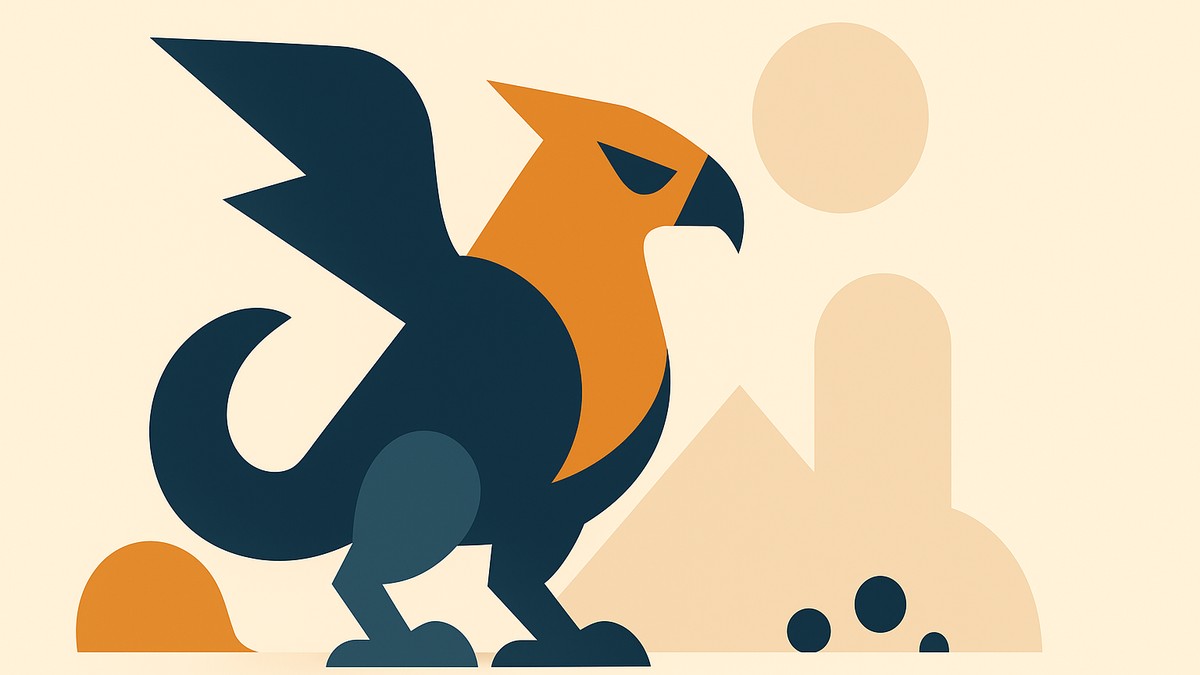
Sunder Crane is the best pick here for multi-enemy fights. It has high damage, high speed, and a constant 18% damage boost, so it starts fights with reliable pressure instead of needing a long setup turn.
It can also apply bleed, which gives it extra value against bulkier enemies that survive the first hit. The real reason to build it, though, is its multi-hit and multi-target coverage.
The ultimate, Multi Twister, and Cyclone Spiral make Sunder Crane especially strong for EXP dungeons, challenges, and any fight where multiple enemies are on the field. If your team already has tanks and status covered, this is the monster that speeds up farming and dungeon clears.
Mirefish is a strong water staller with one concern
Mirefish is a solid defensive water pick, but it is more ultimate-reliant than the monsters above it. Its biggest strength is the ability to heal for 60% of max HP while removing stat debuffs, which can completely reset a bad exchange.
That makes it a strong stall monster when you invest into defense and special defense. It can slowly hold the line, remove pressure from debuffs, and use Sandstorm as another stall tool while the enemy gets worn down.
The main concern is the grass weakness. Mirefish can be excellent if you need a durable water slot or cannot get Terragon, but it needs careful matchups because a strong grass answer can punish it much harder than most picks on this list.
Volcrest is fast lifesteal with build demands
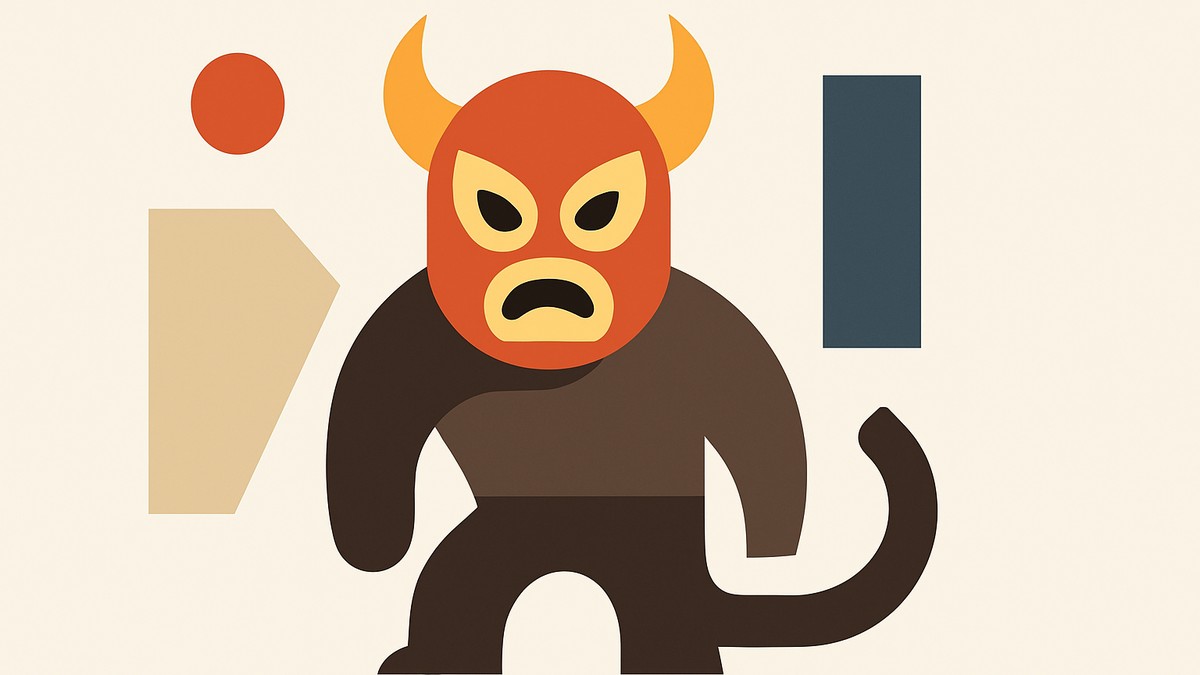
Volcrest is the fastest monster on this list and one of the most dangerous when built correctly. It brings speed, bleed utility, paralysis options, and an 18% lifesteal trait that can turn offensive pressure into sustain.
Raven Ridge is the main context to keep in mind for its route, with Bluebird often tied to the chain. Once built, Volcrest can pressure first, heal through damage, and punish teams that cannot answer speed.
The catch is that Volcrest is more build-dependent than its reputation suggests. Its best value comes when the bleed, paralysis, speed, and lifesteal pieces are all working together; without that, it can feel less dominant than Lavarock, Terragon, or Arcapex.
Meta alternatives and name conflicts
| Monster | Reason to consider |
|---|---|
| Astraknight | Strong Fighting front-liner with late-game value |
| Pummash | Fast Fighting pressure and a strong physical option |
| Chitaladin | Bug/Poison utility with offense and status value |
| Datunymph | Grass/Psychic support with debuffs and useful damage |
| Alternate spellings | Arcapex/Arcapex, Frostseer/Frostseer, Mirefish/Myiafish, Volcrest/Volcrest, and Terragon/Tarragon may appear across lists |
Several strong monsters sit just outside this exact top 10, and some current lists swap them in over Gem Press, Thor Lord, Sunder Crane, or sometimes Mirefish. That does not make the main ranking wrong; it means Evomon has multiple viable cores depending on whether you value PvP pressure, dungeon speed, tanking, or free-to-play routes.
If your in-game name does not match a guide perfectly, check the type, role, island context, and evolution chain before assuming it is a different monster. The most important thing is building the role your team needs: a tank, a fast burst attacker, a status controller, or a dungeon clearer.
Common Evomon team-building mistakes
The biggest mistake is ignoring starter and evolution forms. Monsters like Lavite, Bluebird, Tarro, Arcub, Frostlet, and Datubud matter because they can be the path into the monsters players actually want later.
Another common problem is building only raw DPS. A team with no tank, no status control, and no stall tools can win easy fights quickly, then get stuck when enemies start surviving the first burst.
Do not underuse weather and status moves either. Sandstorm, poison stacks, confusion, accuracy drops, bleed, paralysis, Leech Seed, and self-healing are often what separate a smooth progression team from a team that only works when it outspeeds everything.
Finally, do not skip Lavarock early just because other monsters look rarer, and do not assume every guide uses the same official spelling. Evomon naming is still messy across player lists, so focus on the monster’s kit and chain.
Frequently Asked Questions
Which Evomon monster should beginners prioritize first?
Lavarock is the best beginner priority. It gives you high bulk, strong HP, damage pressure, counterplay, status options, and Sandstorm, which makes it useful far beyond the early islands.
Is Lavarock still worth using late game?
Yes. Lavarock stays valuable because it is not just an early tank. Its defense, special defense, HP, Ember Birth synergy, weather utility, and damage pressure keep it relevant in late progression and PvP-style team building.
Is Volcrest actually overhyped?
Volcrest can feel overhyped if it is not built around speed, bleed, paralysis, and 18% lifesteal. With the right build, it is still one of the strongest offensive investments; without that setup, it may feel less reliable than Lavarock, Terragon, or Arcapex.
What is the best stalling monster in Evomon?
Terragon is the best overall stalling monster because it can keep itself near full HP, take 60% less damage at full HP through Prime Form, and ramp special attack during long fights. Mirefish is also strong if you want a water staller with a 60% max HP heal and debuff removal.
Why do some guides use names like Arcapex, Arcapex, Frostseer, or Frostseer?
Evomon names are inconsistent across current player lists and captions, so the same monster or evolution line may appear under slightly different spellings. Match the monster by its type, role, location context, and evolution chain when names like Arcapex/Arcapex, Frostseer/Frostseer, Mirefish/Myiafish, or Volcrest/Volcrest do not line up exactly.
Video help





Leave a Reply