

- What to know
- Quick overview of the Great Jaw Leviathan
- Where to find the Great Jaw Leviathan
- What makes the Great Jaw Leviathan dangerous
- Materials you can obtain from the Great Jaw
- How to safely approach the Great Jaw Leviathan
- Can you kill the Great Jaw Leviathan?
- Why the Great Jaw is one of Subnautica 2’s best Leviathans
What to know
- The Great Jaw Leviathan is a giant clam-style Leviathan that snaps shut when disturbed.
- It is currently one of the best renewable lithium sources in Subnautica 2.
- Most encounters happen in open ocean regions near Tadpole exploration routes.
- You should focus on stealth, mobility, and quick harvesting instead of combat.
Subnautica 2 continues the series tradition of terrifying underwater encounters, and the Great Jaw Leviathan may be one of the most unsettling creatures introduced so far. Unlike aggressive hunters such as the Collector Leviathan, the Great Jaw behaves more like a gigantic environmental trap. It stays motionless until you get too close, then instantly shuts its massive shell around anything inside.
The danger is real, but so are the rewards. Players are hunting these Leviathans because they contain rare Lithium Pearls, one of the most valuable mid-game crafting resources currently available in Early Access.
Quick overview of the Great Jaw Leviathan
| Feature | Details |
|---|---|
| Creature Type | Leviathan-Class Mollusc |
| Temperament | Passive but highly dangerous |
| Main Resource | Lithium Pearls |
| Primary Threat | Crushing shell closure and neurotoxin |
| Best Equipment | Seaglide, upgraded oxygen, fast mobility gear |
| Common Locations | Open ocean zones and Tadpole-related routes |
| Recommended Depth | 150m–350m |
| Combat Viability | Not recommended |
| Best Strategy | Fast extraction and escape |
Where to find the Great Jaw Leviathan
The Great Jaw Leviathan has been discovered in several open-water biomes across the current Early Access build. Most players first encounter it while exploring deeper ocean routes connected to the Tadpole fragment progression path.
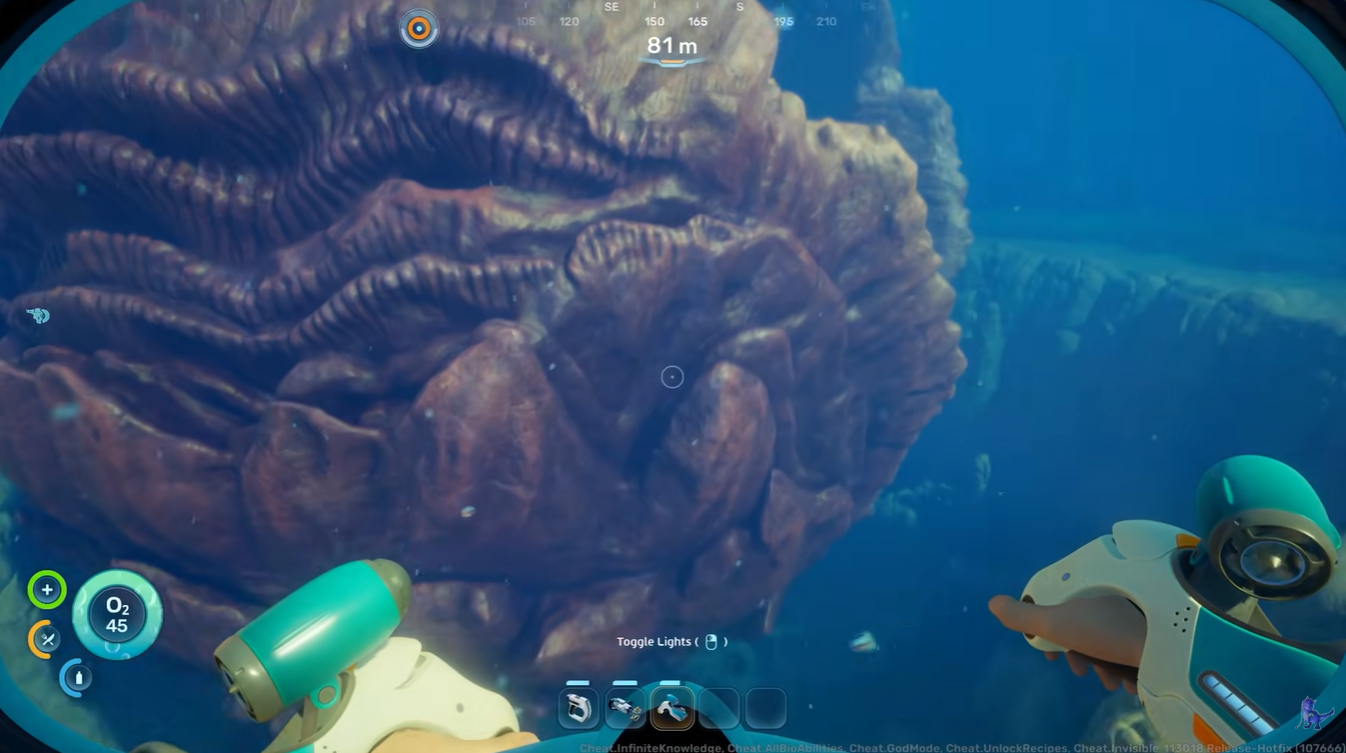
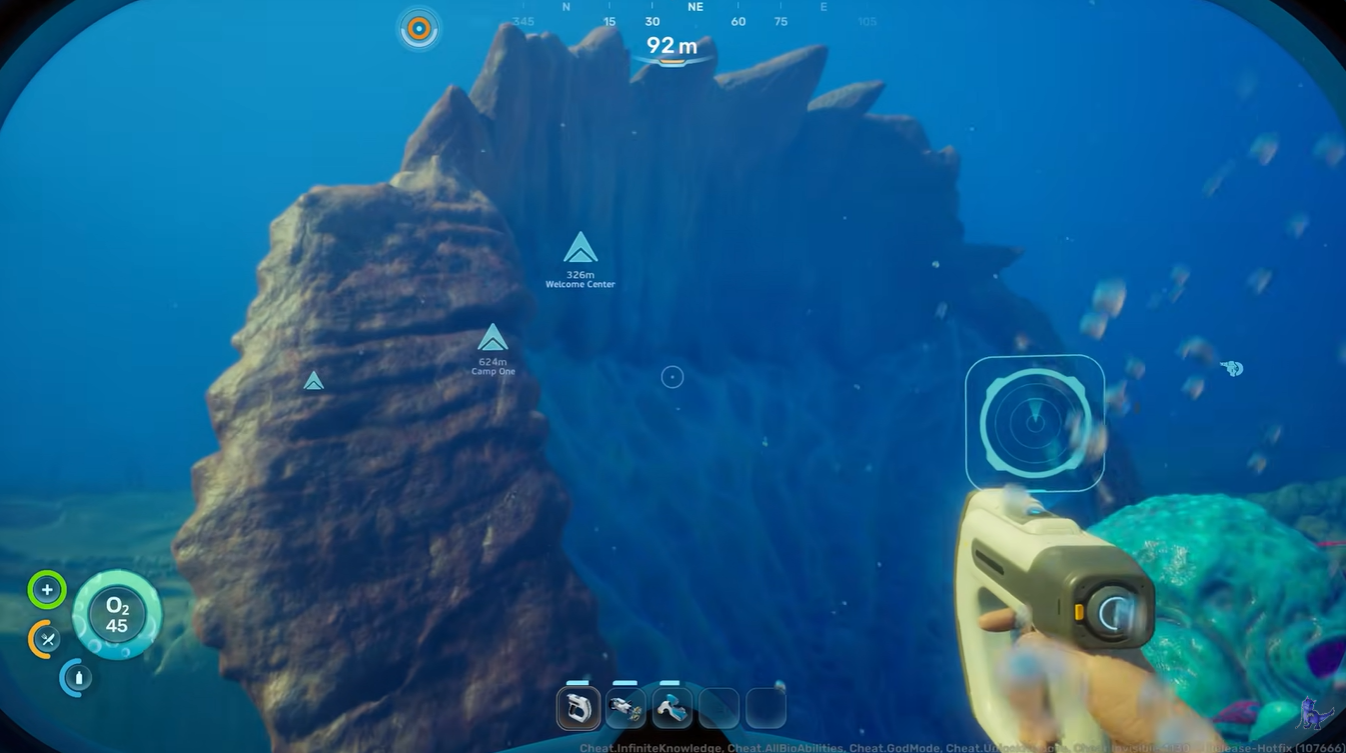
Unlike roaming Leviathans, the Great Jaw usually stays partially embedded in the environment. From a distance, it can resemble a large coral formation or a rocky shell structure. The danger appears once you swim close to the inner mouth area or disturb its tendon-like interior.
Known spawning regions
| Area | Approximate Depth | Notes |
|---|---|---|
| Open Ocean Plains | 150m–220m | Easier to locate early |
| Tadpole Route Cavities | 200m–300m | Common discovery point |
| Deep Green Water Zones | 300m–350m | Higher danger level |
| Sparse Open Water Biomes | Variable | Harder visibility |
Several community reports place the creature near progression routes involving the Tadpole submarine fragments.
What makes the Great Jaw Leviathan dangerous
The Great Jaw is essentially a living underwater trap. According to in-game PDA scan descriptions, the creature reacts to movement around its inner shell tendons. Once triggered, the shell rapidly closes and releases a dangerous neurotoxin.
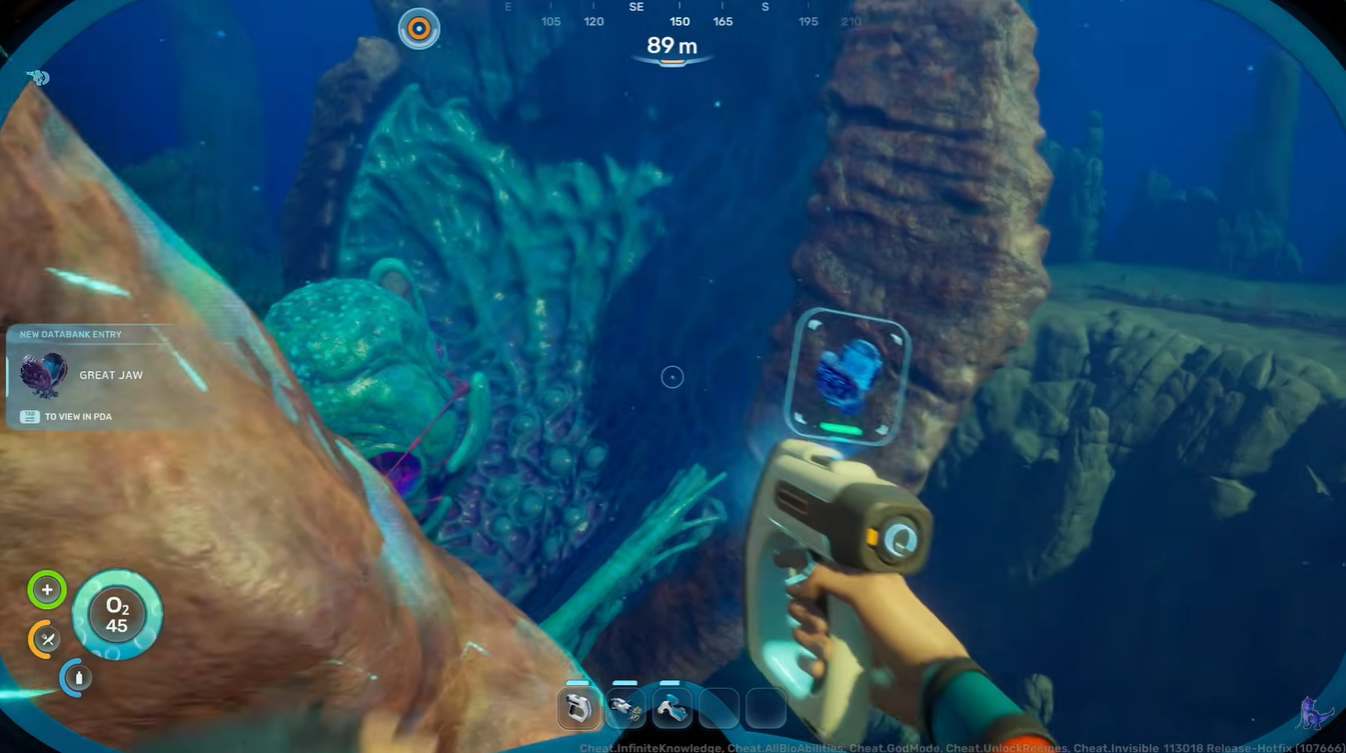
The most dangerous part is that the creature often looks harmless before activation. Many players swim directly into the shell searching for resources without realizing the trap mechanics.
Main attack mechanics
| Attack | Effect |
|---|---|
| Shell Closure | Massive instant damage |
| Neurotoxin Release | Ongoing health damage |
| Entrapment | Restricted movement and escape |
| Environmental Panic | Oxygen loss during escape |
The PDA also suggests the toxin may cause neurological damage and memory disruption within the game lore.
Materials you can obtain from the Great Jaw
The main reason players intentionally approach the Great Jaw is for its Lithium Pearls. These mineral nodules naturally build up inside the creature over time.
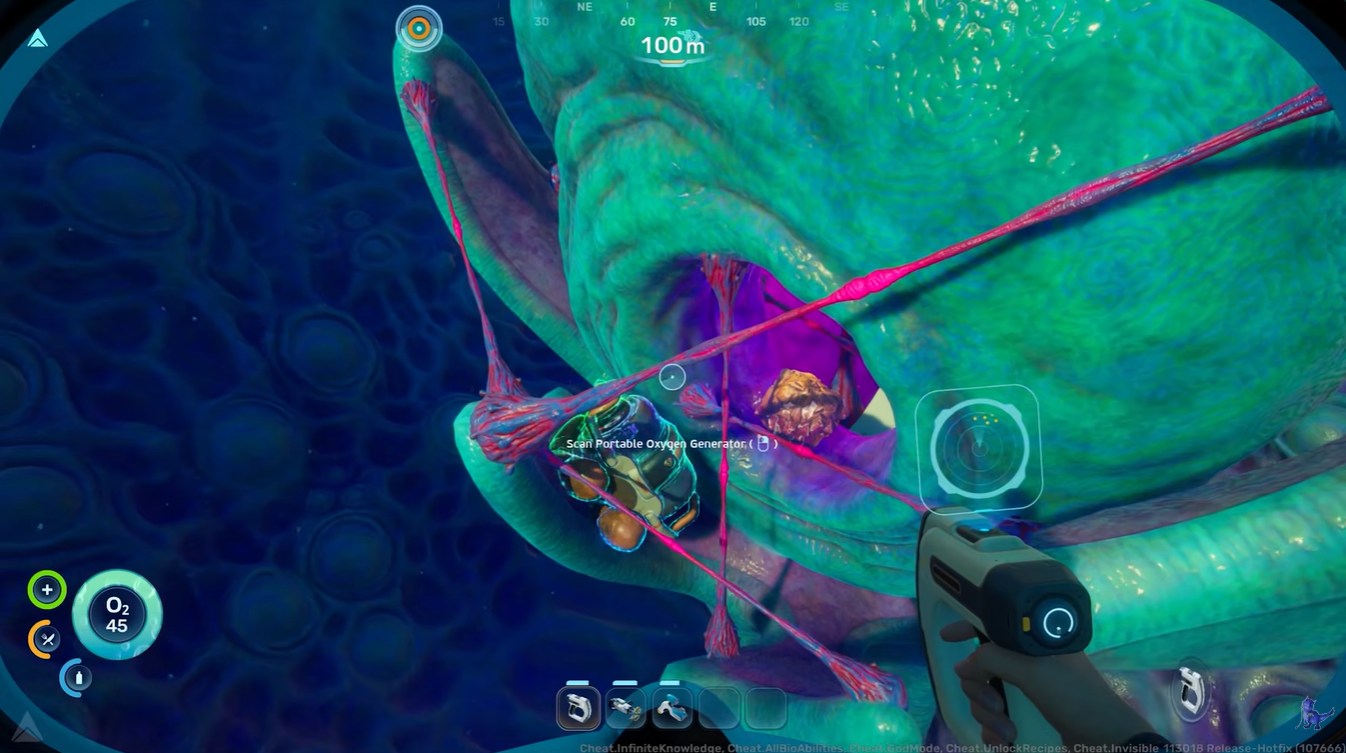
Great Jaw resource drops
| Material | Use |
|---|---|
| Lithium Pearls | Advanced crafting and upgrades |
| Organic Samples | Biological research |
| Mineral Deposits | Base and equipment upgrades |
Lithium is especially important for deeper progression systems, advanced vehicles, and base construction, making the Great Jaw one of the most valuable resource creatures currently in the game.
How to safely approach the Great Jaw Leviathan
Preparation matters more than raw gear strength. The creature punishes slow movement and hesitation.
Recommended equipment before entering
| Equipment | Why It Helps |
|---|---|
| Seaglide | Faster escape speed |
| High Capacity O2 Tank | Longer survival time |
| Enhanced First Aid Kits | Counter toxin damage |
| Mobility Fins | Quick repositioning |
| Scanner | Creature database unlock |
Can you kill the Great Jaw Leviathan?
At the moment, Subnautica 2 strongly discourages direct Leviathan combat. Unknown Worlds has continued emphasizing survival and avoidance rather than traditional weapons systems.
The Great Jaw also behaves differently from aggressive predators because it functions more like a defensive environmental organism than an active hunter.
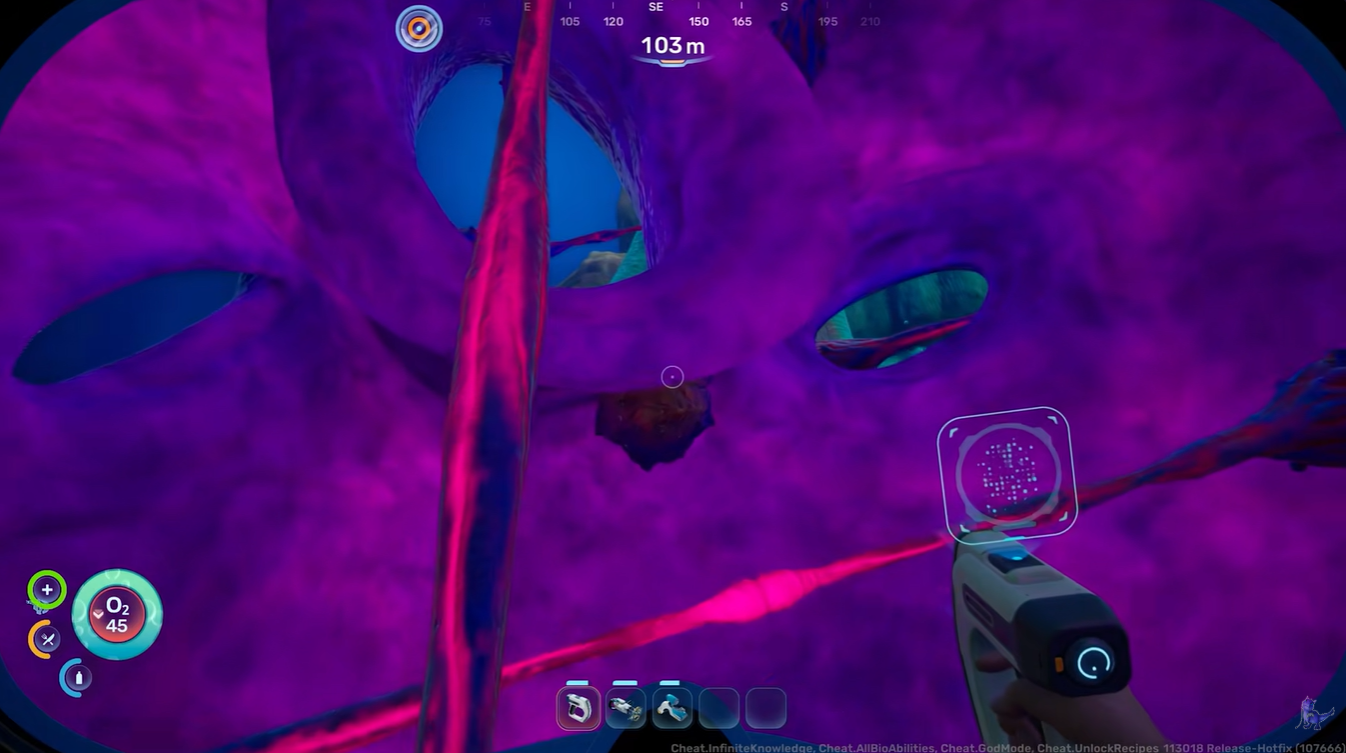
Most experienced players currently recommend:
| Recommended | Avoid |
|---|---|
| Resource extraction | Prolonged combat |
| Hit-and-run looting | Staying inside too long |
| Scanning safely | Tanking shell attacks |
| Mobility upgrades | Slow submarines nearby |
Why the Great Jaw is one of Subnautica 2’s best Leviathans
The Great Jaw perfectly captures what makes Subnautica terrifying. It creates fear through uncertainty rather than direct aggression. You are never fully sure whether the shell will remain open long enough to escape.
Its design also adds tension to resource gathering. Lithium becomes far more valuable when every collection attempt risks instant death.
Current Early Access players are already calling it one of the most memorable Leviathan encounters in the game because it combines environmental storytelling, survival tension, and valuable progression materials into a single encounter.



Leave a Reply