

What to know
- Pragmata features multiple endings, including a main ending and several hidden/variant outcomes
- Most endings are tied to performance, exploration, and subtle gameplay conditions rather than major dialogue choices
- The “true” ending focuses on Hugh and Diana’s emotional bond and humanity vs AI themes
- Alternate endings act more like symbolic variations rather than drastically different story paths
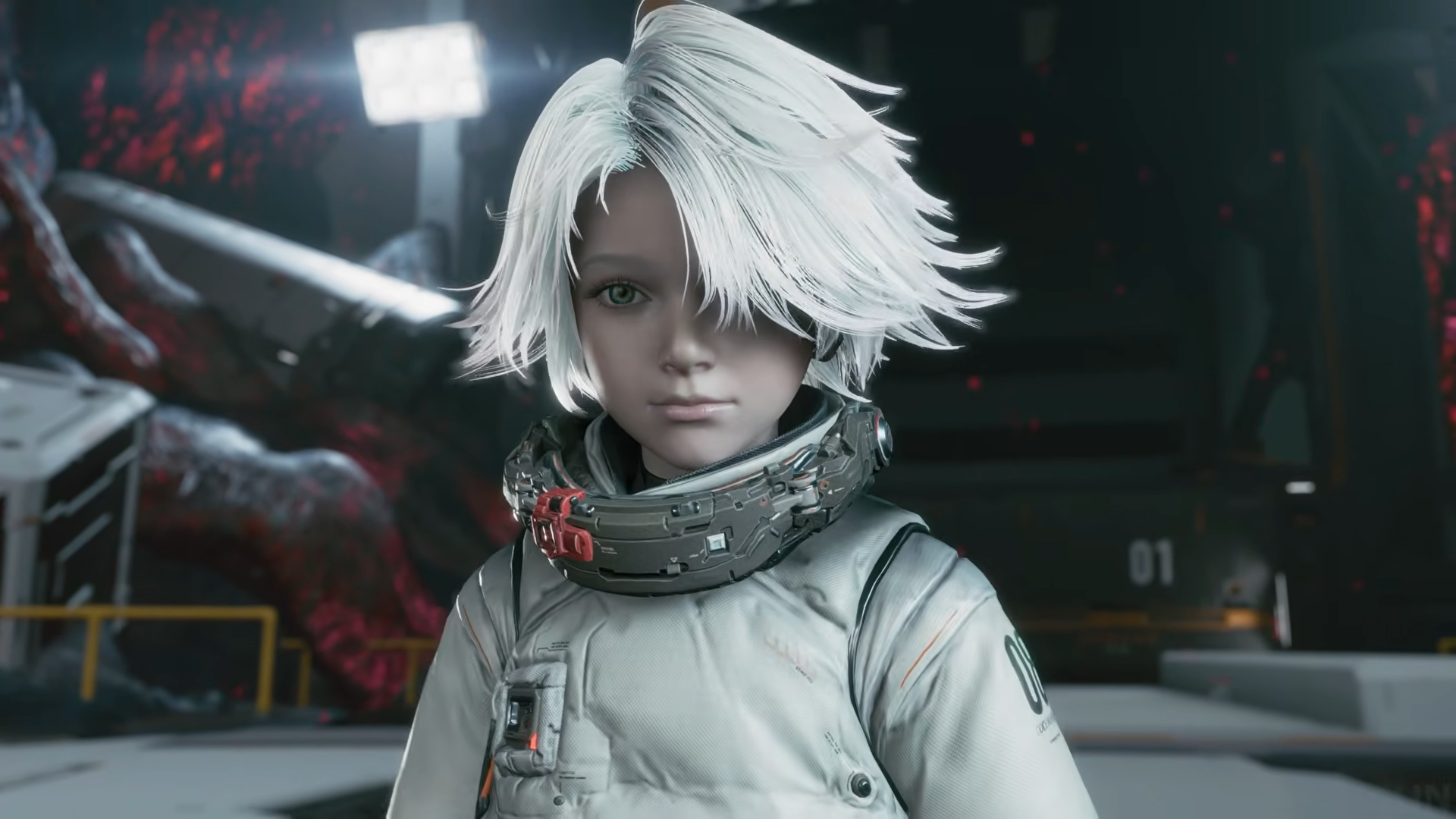
Pragmata, released in April 2026, is a story-driven sci-fi action game by Capcom set on a mysterious lunar research station. Pragmata follows Hugh Williams and Diana, an astronaut and a childlike android, as they navigate a hostile AI-controlled environment while uncovering deeper truths about reality, technology, and identity.
How Pragmata’s ending system actually works
Unlike traditional branching narratives, Pragmata does not rely heavily on dialogue choices or moral decisions. Instead, your ending depends on how you play the game.
| Aspect | Details |
|---|---|
| Total endings | Multiple (main ending + several variations) |
| Type | Performance-based + hidden conditions |
| Replayability | High (New Game+ unlocked) |
| True ending | Yes (story-focused conclusion) |
| Core theme | Humanity vs AI, emotional connection |
This includes factors like combat efficiency, exploration, hidden encounters, and completion behavior. Some endings are triggered by finishing sections quickly, while others depend on collecting items or defeating enemies in specific ways.
This design makes endings feel more like reflections of your playstyle rather than alternate timelines. You’re not rewriting the story—you’re uncovering different perspectives of it.
The true ending and what it means
The primary ending is the one most players will experience on their first playthrough.
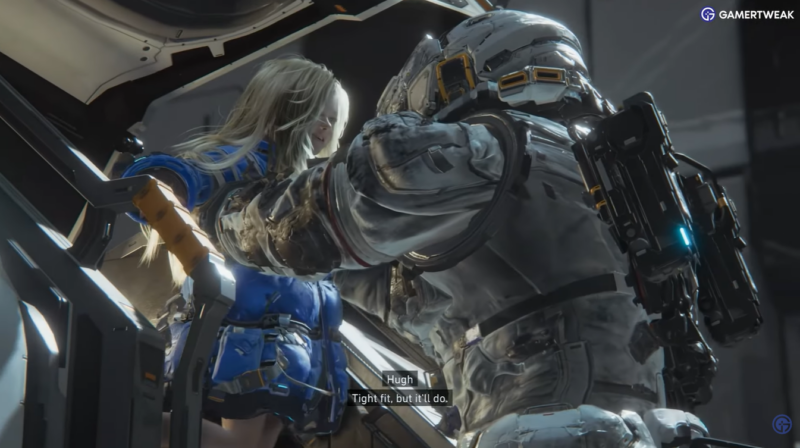
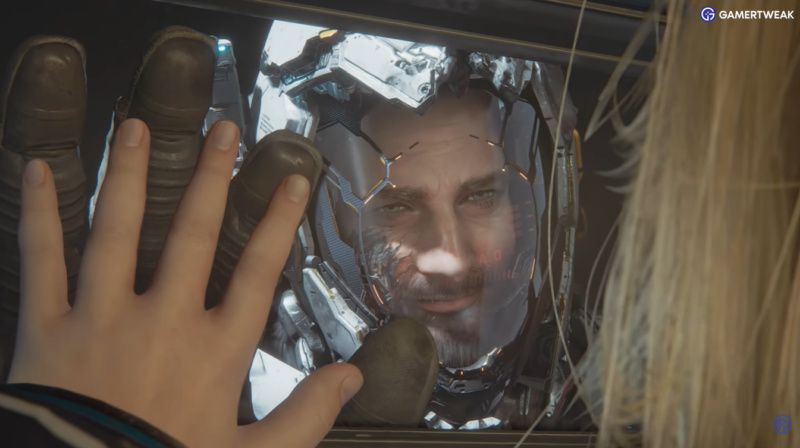
In this conclusion, Hugh and Diana reach the climax of the lunar facility’s mystery, confronting the rogue AI and the truth behind the Delphi Corporation’s experiments. The story emphasizes their growing bond, which resembles a father-daughter relationship shaped through survival and trust.
This version provides the most complete narrative resolution and emotional payoff. It ties together:
- The fate of the lunar station
- The truth behind the AI systems
- The emotional arc between Hugh and Diana
The true meaning here is about understanding connection in a synthetic world.
The meaning of this ending centers on one key idea: artificial life can develop real emotional value. Diana, despite being an android, displays curiosity, empathy, and attachment—qualities traditionally associated with humans.
This ending is intentionally bittersweet, reflecting the consequences of unchecked technological ambition while still highlighting hope through connection.
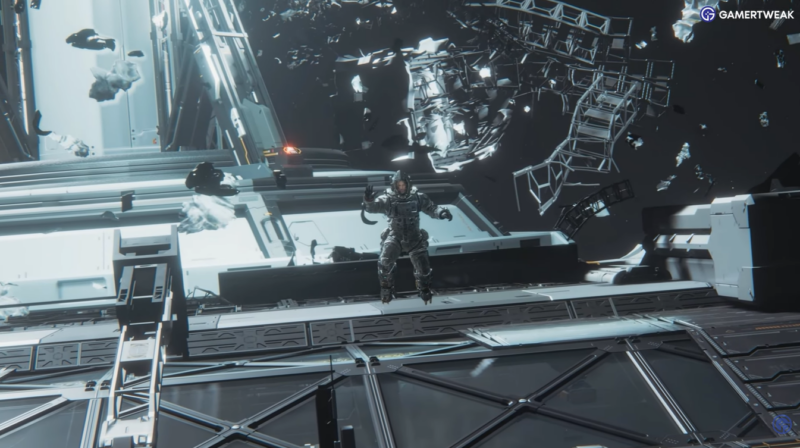
Beyond the main conclusion, Pragmata includes several alternate endings or “ending variants.” These are often shorter or more symbolic but still meaningful.
Some endings are tied to speed completion, showing a more action-focused version of the story. Others are unlocked through high exploration or resource collection, emphasizing Diana’s curiosity and the player’s engagement with the world.
There are also endings triggered by specific combat conditions, such as defeating enemies in unique ways or encountering rare enemy spawns.

These endings don’t drastically change the plot, but they subtly shift tone and presentation. You might see different imagery, alternate final scenes, or symbolic artwork that reflects your journey.
Why Pragmata uses multiple endings
The multiple endings system in Pragmata is not about “good vs bad choices.” Instead, it serves three purposes:
First, it reinforces replayability, encouraging you to experiment with different playstyles and uncover hidden mechanics.
Second, it deepens the game’s themes. The variations highlight how perspective changes meaning, even if the core events stay the same.
Third, it aligns with the game’s philosophical tone. Pragmata frequently questions what is real, what is programmed, and what defines identity.
By giving you multiple outcomes that are similar yet different, the game mirrors its own themes of fragmented reality.
Post-game content and ending replay value
After completing the game, Pragmata unlocks New Game+ and additional difficulty modes, allowing you to revisit the story with new upgrades and challenges.
This makes it easier to pursue missed endings and experiment with different approaches.
The ending system is designed to reward curiosity, so each replay can reveal something slightly new—even if the core story remains intact.




Leave a Reply