

If you’re hooked on the daily NYT Strands puzzle, you’re not alone. It’s a fresh word game from the New York Times that combines elements of a word search with clever, theme-based twists.
30 July 2026 NYT Strands Theme: “Trade names”
Today’s puzzle explored surnames that originated from historic professions. Many of the words are still familiar as family names today, even though the occupations themselves are far less common. The theme was straightforward once one or two words were discovered, while the spangram neatly explained the connection between every answer.
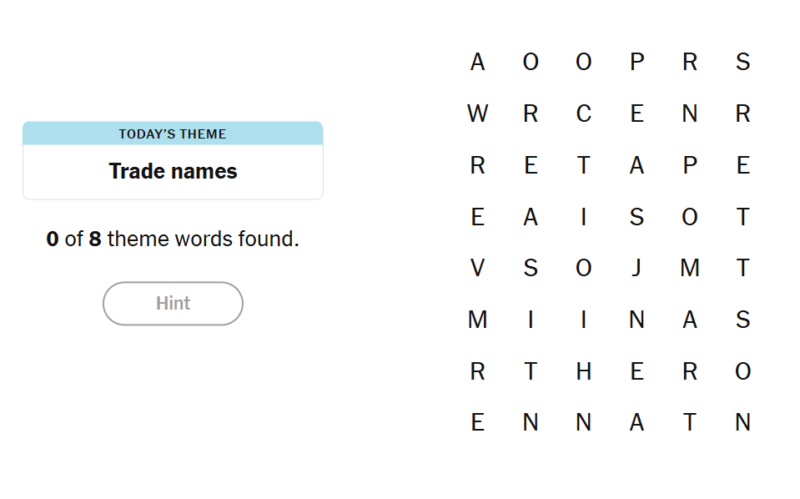
30 July 2026 NYT Strands Hints
- Think about old-fashioned professions and skilled crafts.
- Many of the answers are also well-known last names.
- Look for occupations involving wood, clay, leather, fabric, and metal.
- Several words refer to people who created goods by hand.
- The spangram describes skilled craftspeople who practiced traditional trades.
- Once you identify one occupation, the remaining answers become much easier to spot.
30 July 2026 NYT Strands Answers
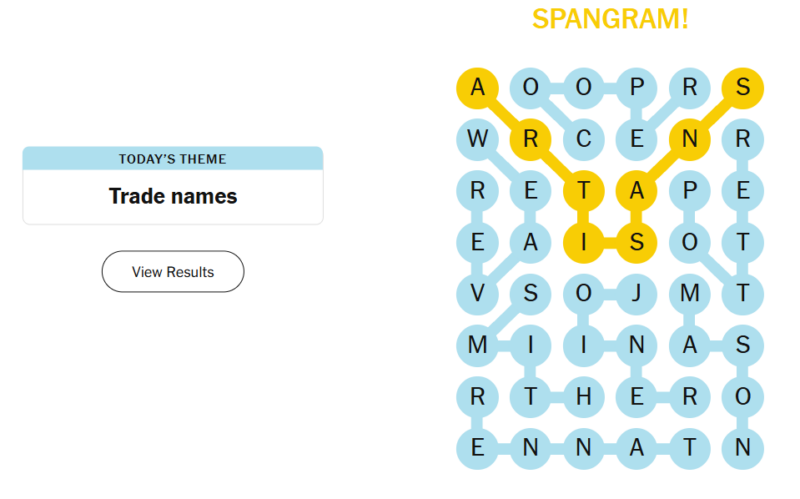
- Cooper (barrel maker)
- Mason (stone worker)
- Smith (metalworker)
- Tanner (leather maker)
- Joiner (woodworker)
- Potter (maker of pottery)
- Weaver (cloth maker)
Spangram
Artisans
The spangram Artisans perfectly connects every solution by describing skilled craftspeople who specialized in traditional trades, explaining why each occupation belongs together under today’s “Trade names” theme.
How Strands works
Strands is a daily word search puzzle with a twist:
- You’re given a theme.
- The grid is packed with hidden words tied to that theme.
- Words can run in any direction, including diagonals.
- Once you find all the theme words, you’re done!
Each puzzle usually has around 6–8 theme words.
How to get and use hints
Hints are built right into Strands, and they’re super useful if you’re stuck:
- To earn a hint, find any non-theme word of at least four letters in the grid.
- Each valid extra word gives you one hint.
- When you use a hint, one of the theme words will be revealed automatically, helping you move forward.
Pro tip: Don’t just burn hints — use them strategically when the grid feels impossible. Sometimes a single revealed word unlocks the entire board.
Tips to become a NYT Strands pro
- Start with obvious words. Look for clear connections to the theme first.
- Scan diagonals early. Strands loves to hide words at an angle.
- Build around found words. Once one word is cleared, the leftover letters often point to the next.
- Use hints wisely. Earn them steadily by spotting extra words, then save them for when you’re truly stuck.
- Think about synonyms. The theme clue isn’t always literal — broaden your thinking.
Final thoughts
The July 30 Strands puzzle was of moderate difficulty, with a clever historical twist that rewarded players familiar with traditional occupations and surnames. The answers fit together naturally, and Artisans served as an excellent spangram to unite the entire puzzle. How many trade names did you uncover before needing a hint?






Leave a Reply