


The New York Times Connections puzzle challenges players to sort 16 seemingly unrelated words into four connected groups. Each group shares a hidden link. Today’s grid blends physical actions, clever rearrangements, and nostalgic references, making it both playful and slightly deceptive. Below you’ll find gentle hints to guide your thinking, followed by the complete solutions once you’re ready to check your work.
NYT Connections Puzzle Overview: 05 September 2026
The 5 September 2026 Connections puzzle features a playful mix of meanings, sounds, familiar phrases, and word transformations. Some groups are fairly approachable, while others require looking beyond the most obvious interpretation. If you are stuck, the hints below can help you make progress without immediately giving everything away.
NYT Connections Hints: 05 September 2026
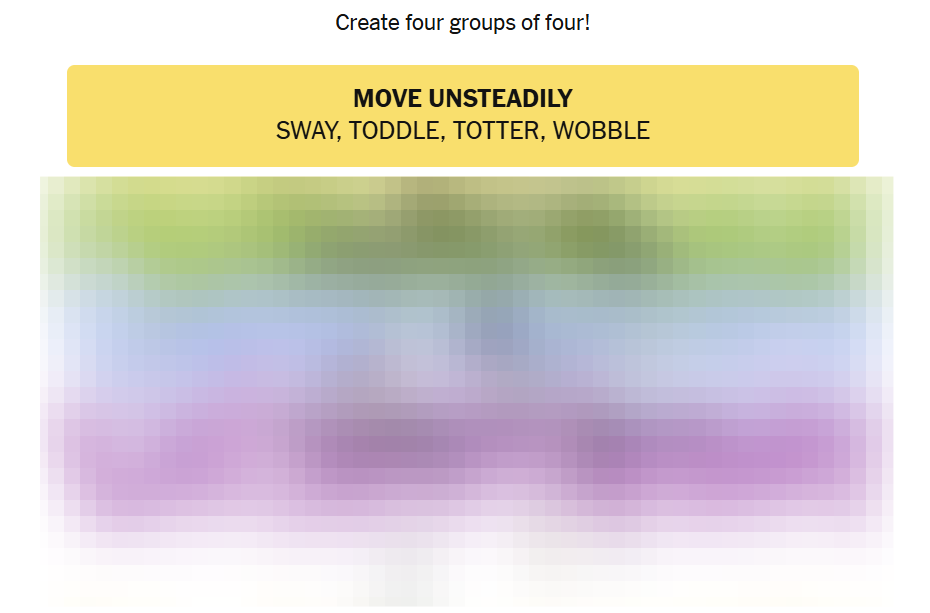
Category 1:
- Think about words describing an unstable physical motion.
- These words suggest a lack of steadiness or balance.
- The movement can be gentle or pronounced.
- Imagine something rocking or shifting from side to side.
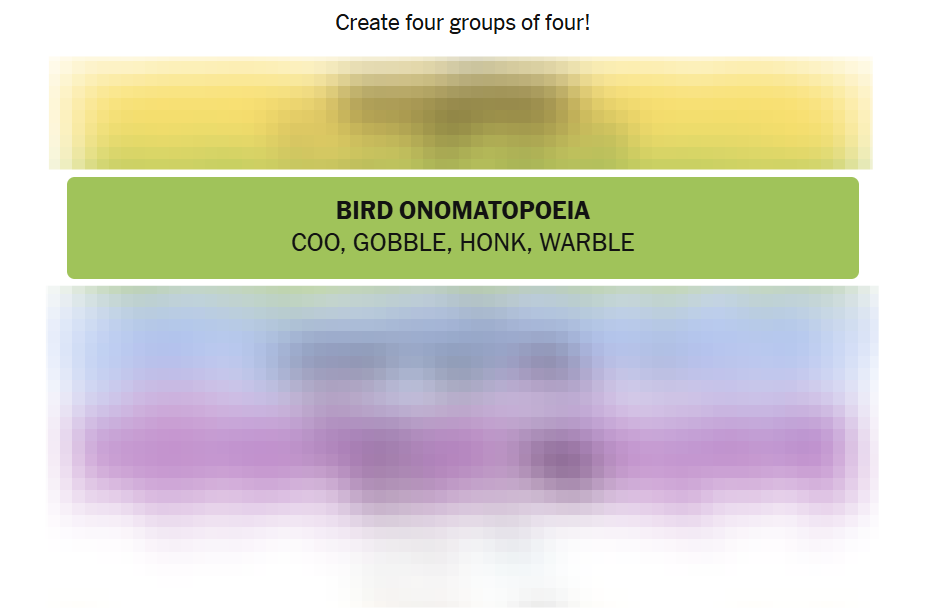
Category 2:
- This group is connected to sounds made by birds.
- Some of these terms imitate the sounds themselves.
- Think of noises you might associate with different birds.
- The words can function as playful representations of bird calls.
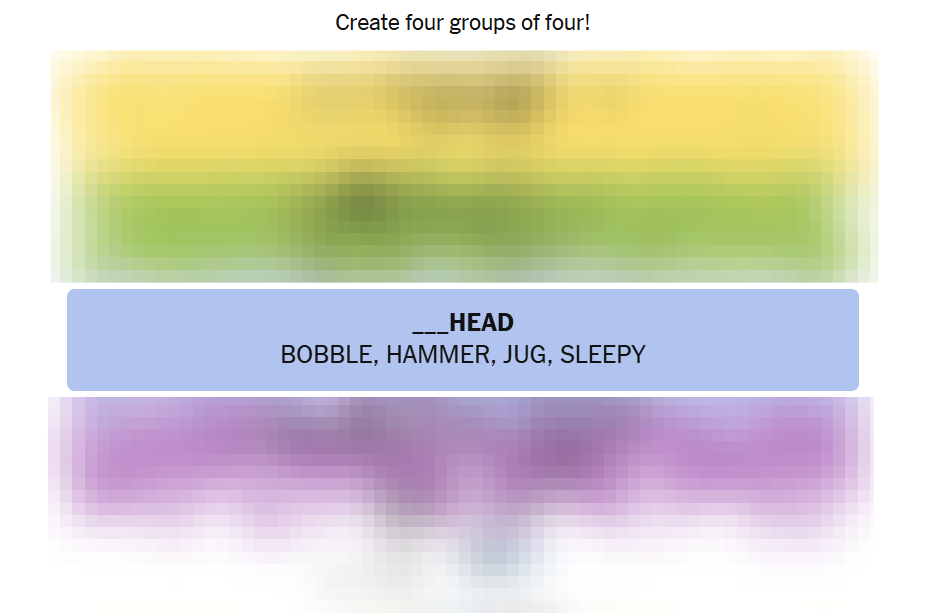
Category 3:
- Look for words that can follow the same word.
- The shared word relates to the upper part of the body.
- Each resulting phrase has a different meaning.
- Consider expressions involving something positioned or happening around a head.
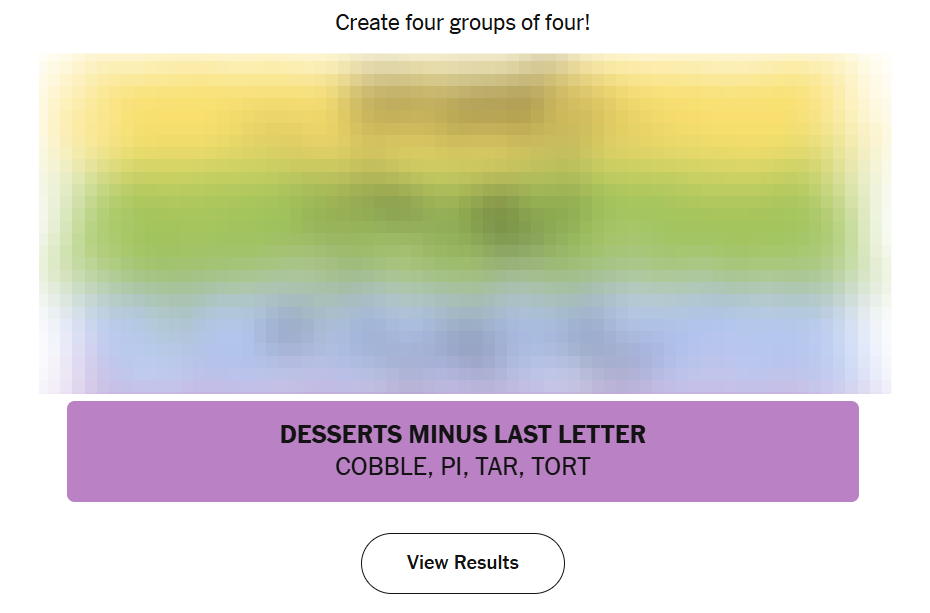
Category 4:
- These words are related to sweet treats.
- There is a small spelling trick involved.
- Each original dessert loses its final letter.
- Think of familiar desserts and remove one character from their names.
NYT Connections Answers: 05 September 2026
Here are the answers, grouped by category.
Category 1:
Category 2:
Category 3:
Category 4:
Conclusion & Quick Strategy Tip
The 05 September 2026 Connections puzzle balances straightforward action words with trickier conceptual links, making it satisfying once everything clicks. Quick strategy tip: lock in obvious verb groups early, then examine remaining words for structural patterns or shared cultural references.






Leave a Reply