

The New York Times Connections puzzle challenges players to sort 16 seemingly unrelated words into four connected groups. Each group shares a hidden link. Today’s grid blends physical actions, clever rearrangements, and nostalgic references, making it both playful and slightly deceptive. Below you’ll find gentle hints to guide your thinking, followed by the complete solutions once you’re ready to check your work.
NYT Connections Puzzle Overview: 31 July 2026
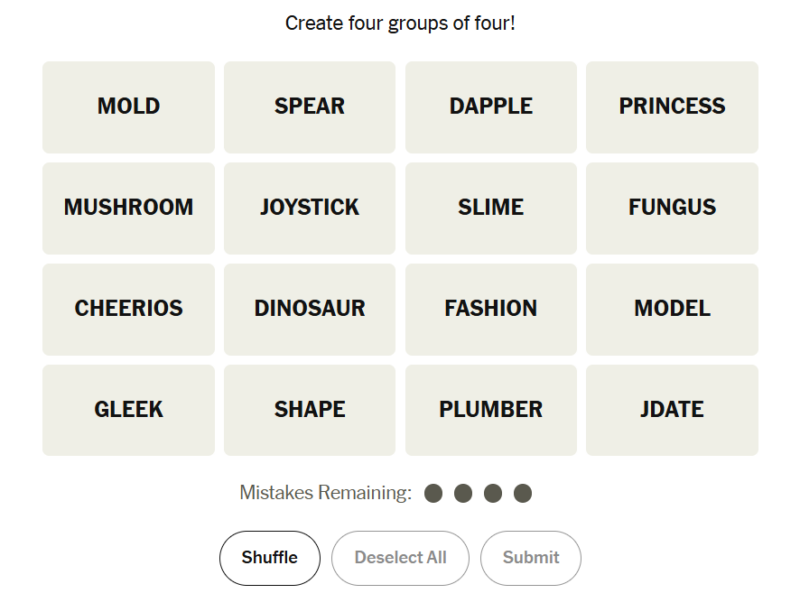
The 31 July 2026 Connections puzzle offered a balanced challenge with categories ranging from common vocabulary to gaming references and playful word construction. Some links were immediately recognizable, while others depended on spotting unusual letter patterns rather than the meanings of the words themselves.
NYT Connections Hints: 31 July 2026
Category 1:
- Think about creating or forming something.
- Every word relates to giving something structure.
- Two words are often used in art and design.
- Consider synonyms for “form.”
Category 2:
- These all relate to one iconic Nintendo franchise.
- They describe familiar characters or recurring figures.
- Fans of platform games should recognize the theme.
- Think of the Mushroom Kingdom.
Category 3:
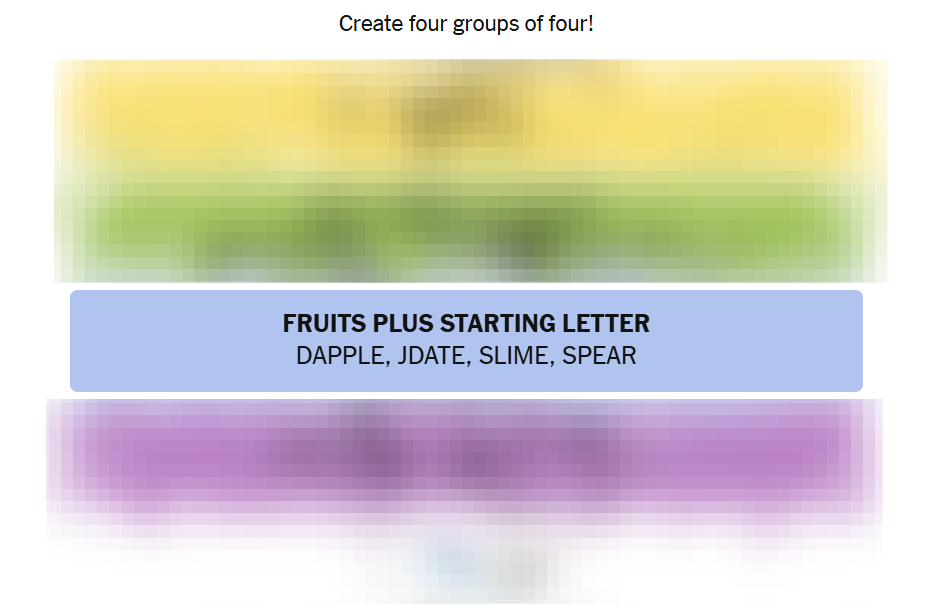
- Every answer becomes a fruit by adding one letter at the beginning.
- Focus on the spelling rather than the meaning.
- The starting letter changes each word into a fruit.
- It’s a clever wordplay category.
Category 4:
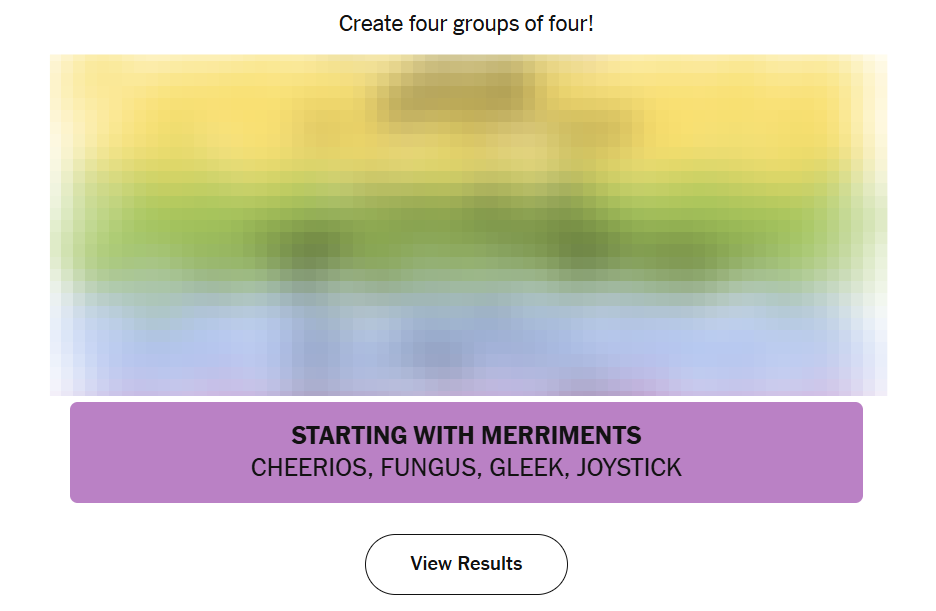
- Each word begins with something associated with happiness or fun.
- Look only at the opening letters or sounds.
- The prefixes are the important clue.
- Don’t overthink the full words.
NYT Connections Answers: 31 July 2026
Here are the answers, grouped by category.
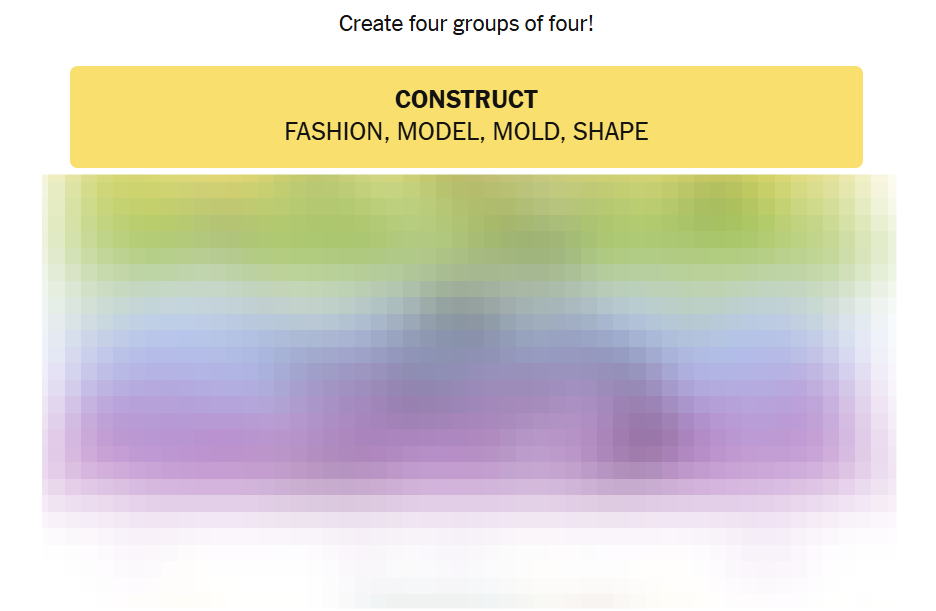
Category 1:
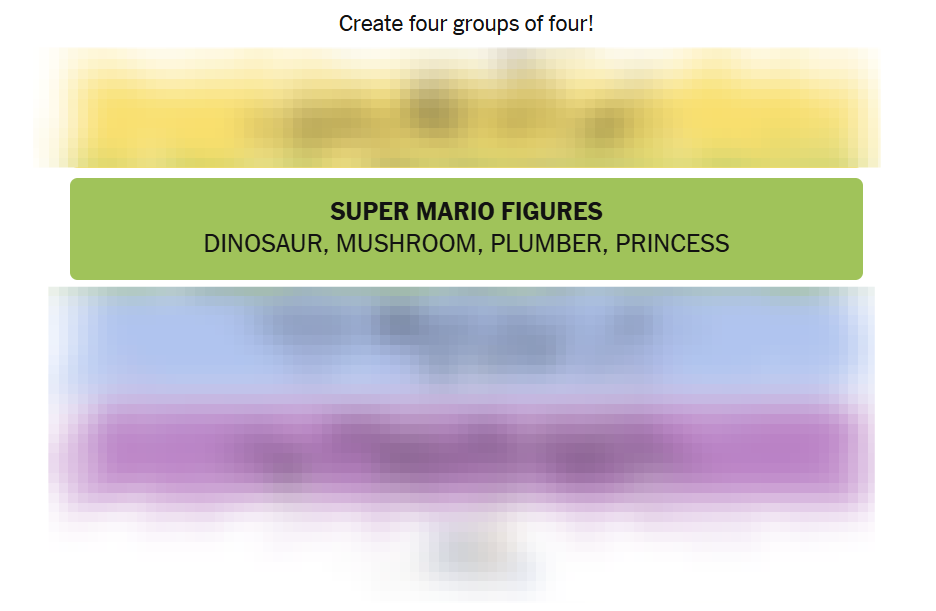
Category 2:
Category 3:
Category 4:
Conclusion & Quick Strategy Tip
The 31 July 2026 Connections puzzle balances straightforward action words with trickier conceptual links, making it satisfying once everything clicks. Quick strategy tip: lock in obvious verb groups early, then examine remaining words for structural patterns or shared cultural references.





Leave a Reply