


The New York Times Connections puzzle challenges players to sort 16 seemingly unrelated words into four connected groups. Each group shares a hidden link. Today’s grid blends physical actions, clever rearrangements, and nostalgic references, making it both playful and slightly deceptive. Below you’ll find gentle hints to guide your thinking, followed by the complete solutions once you’re ready to check your work.
NYT Connections Puzzle Overview: 31 August 2026
Today’s grid offers four very different types of connections, with some groups becoming apparent quickly while others require a little more lateral thinking. The puzzle mixes everyday products, familiar package warnings, historical titles, and a deceptively simple word-combination category.
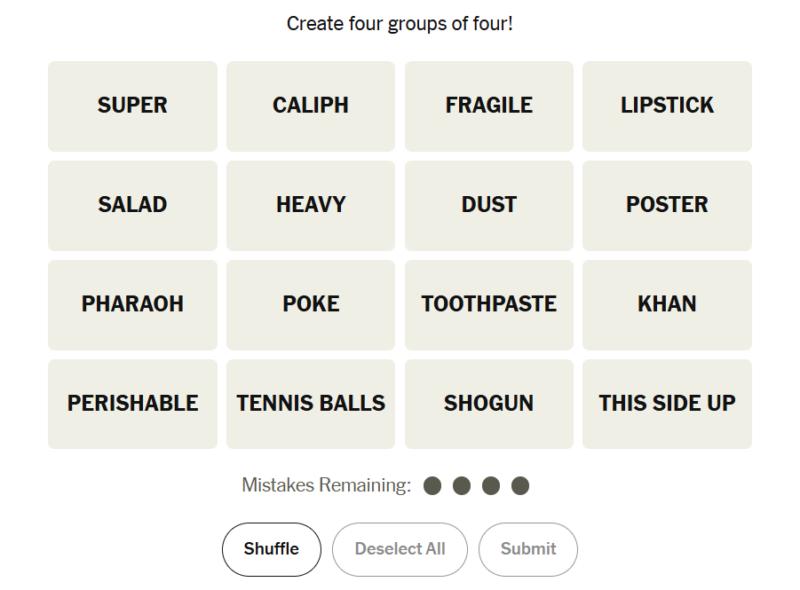
NYT Connections Hints: 31 August 2026
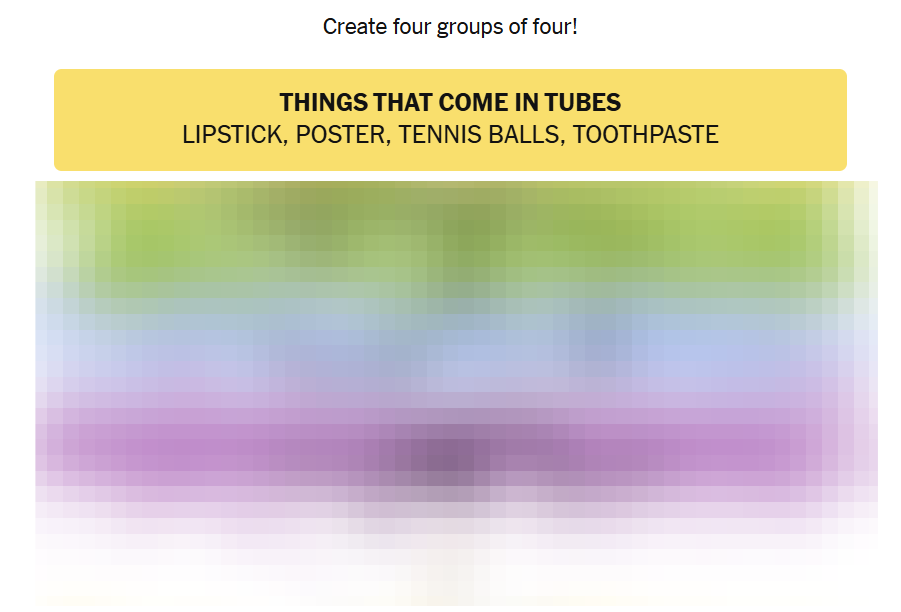
Category 1:
- Think of products or objects commonly packaged in a long, narrow container.
- Some examples are found in bathrooms or beauty bags.
- One item is associated with a popular sport.
- Another is something you might buy for displaying information or advertisements.
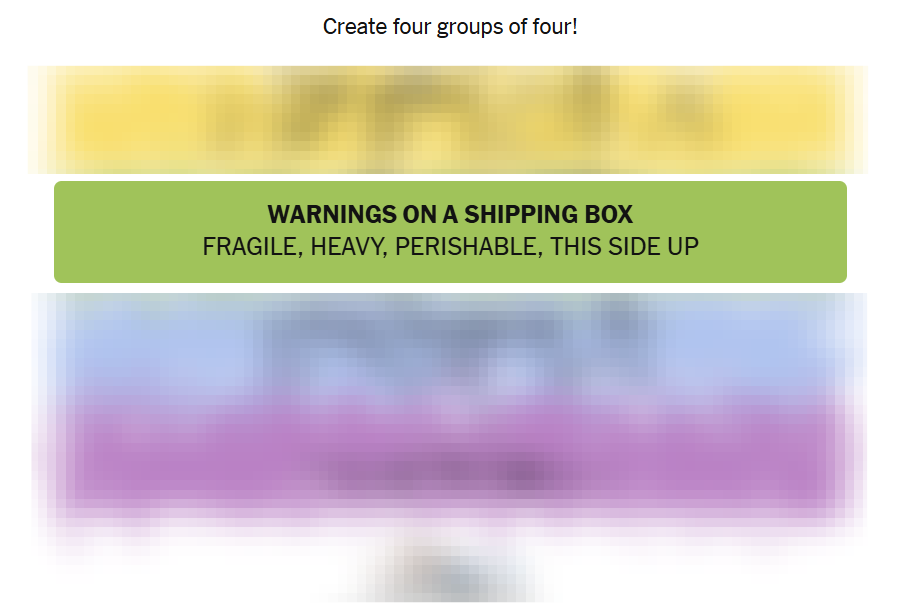
Category 2:
- These phrases can appear on packages during shipping.
- They communicate how a parcel should be treated or positioned.
- Some indicate the physical condition of the contents.
- Others warn handlers about weight or the need for special care.
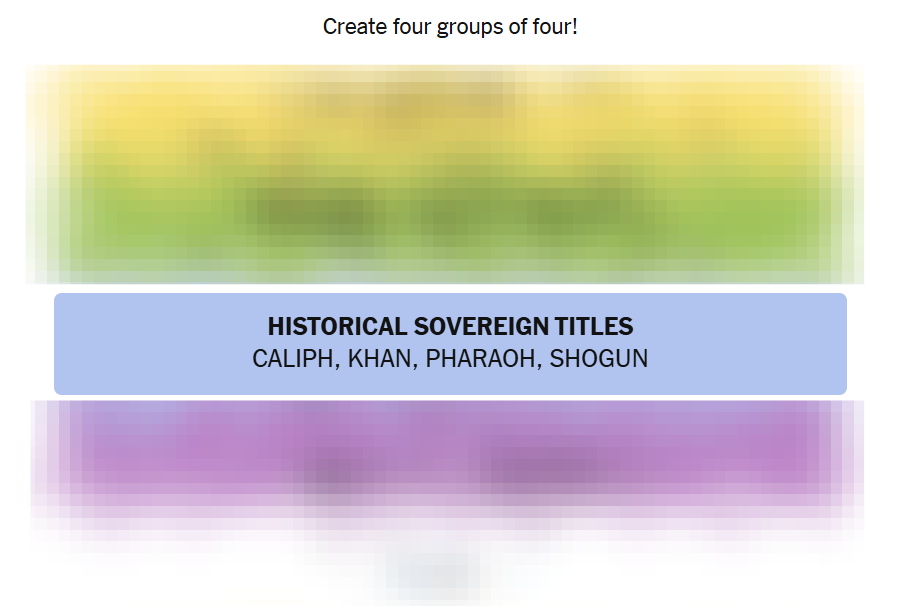
Category 3:
- These are titles historically associated with rulers or leaders.
- They come from different cultures and periods.
- One is strongly associated with ancient Egypt.
- Another became especially prominent in feudal Japan.
Category 4:
- Each word can follow the same four-letter word.
- The resulting phrases refer to different kinds of food, activities, or things.
- One combination is associated with exercise or fitness.
- Another can describe a style of serving food.
NYT Connections Answers: 31 August 2026
Here are the answers, grouped by category.
Category 1:
Category 2:
Category 3:
Category 4:
Conclusion & Quick Strategy Tip
The 31 August 2026 Connections puzzle balances straightforward action words with trickier conceptual links, making it satisfying once everything clicks. Quick strategy tip: lock in obvious verb groups early, then examine remaining words for structural patterns or shared cultural references.






Leave a Reply