


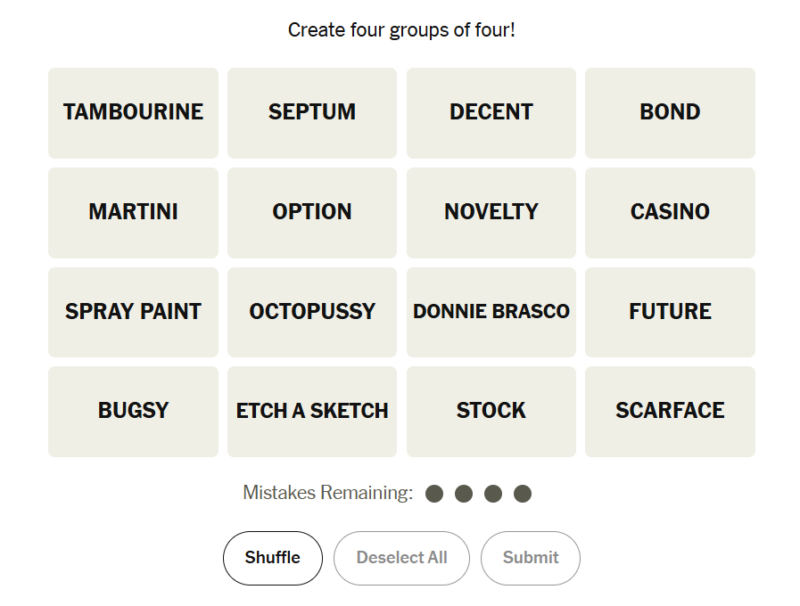
The New York Times Connections puzzle challenges players to sort 16 seemingly unrelated words into four connected groups. Each group shares a hidden link. Today’s grid blends physical actions, clever rearrangements, and nostalgic references, making it both playful and slightly deceptive. Below you’ll find gentle hints to guide your thinking, followed by the complete solutions once you’re ready to check your work.
NYT Connections Puzzle Overview: 30 September 2026
Today’s puzzle features several distinct types of connections. Some groups rely on straightforward categories, while others require noticing how words are used or spelled. The month-abbreviation group can be especially tricky, while the movie and securities categories offer recognizable paths into the grid.
NYT Connections Hints: 30 September 2026
Category 1:
- These terms are associated with financial markets.
- They can represent different types of financial instruments.
- Some are commonly discussed when investing or trading.
- Think beyond ordinary everyday meanings of these words.
Category 2:
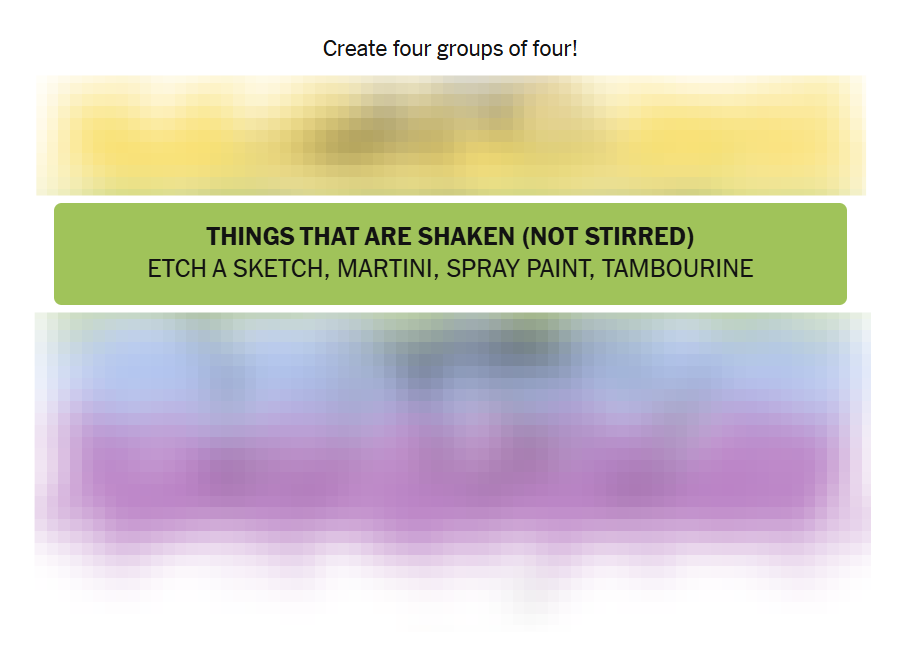
- These things are commonly shaken rather than stirred.
- One is associated with drawing and erasing.
- Another is a classic cocktail.
- The remaining items involve movement or spraying.
Category 3:
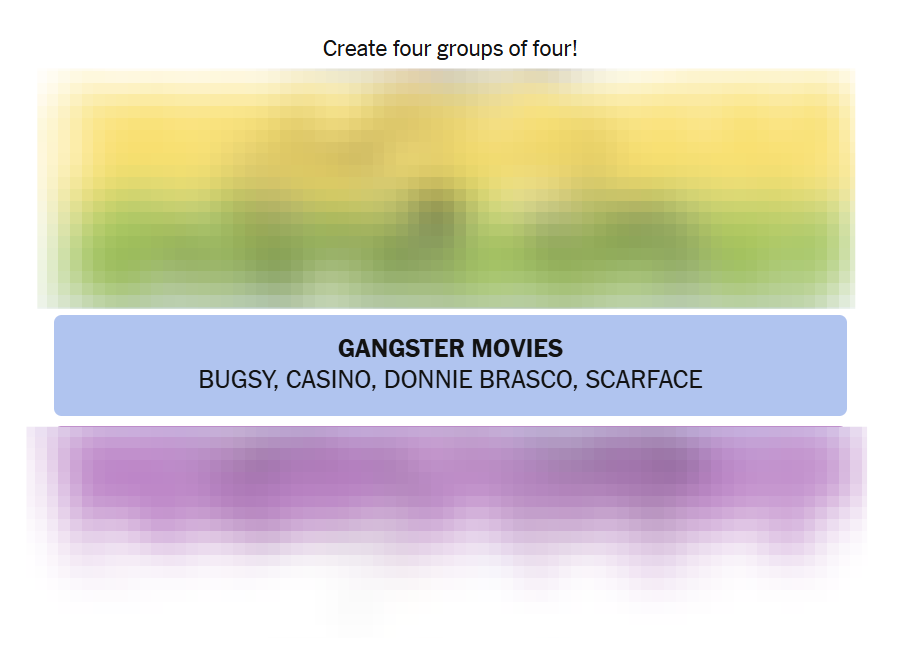
- These are titles connected to organized crime.
- The group includes several well-known crime films.
- Think mobsters, criminals, and the underworld.
- Some of these movies are named after their central characters or subjects.
Category 4:
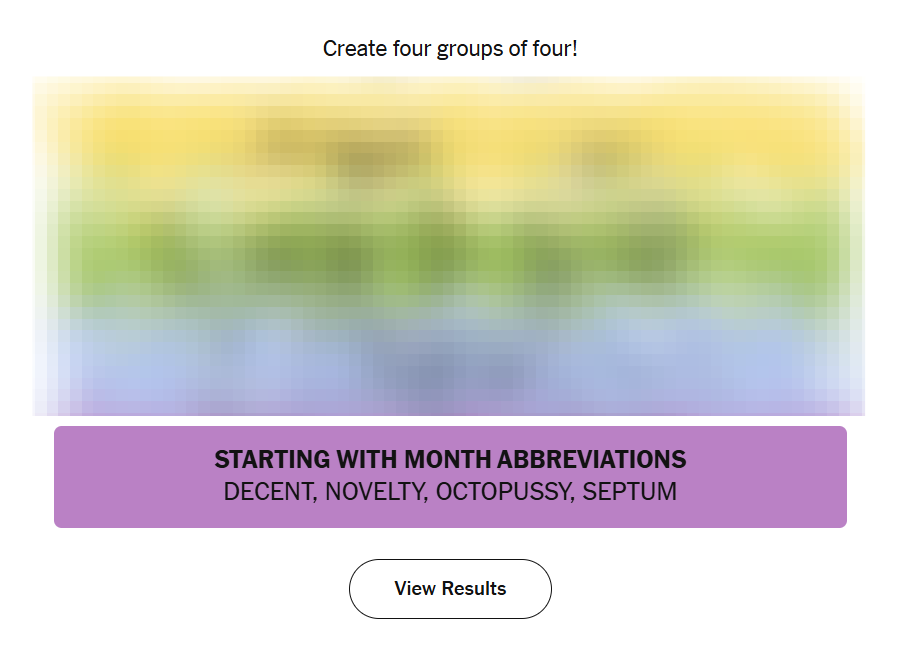
- Each word begins with a shortened month name.
- Look at the first few letters carefully.
- The abbreviations represent months near the end of the year.
- The full words themselves have completely different meanings.
NYT Connections Answers: 30 September 2026
Here are the answers, grouped by category.
Category 1:

Category 2:
Category 3:
Category 4:
Conclusion & Quick Strategy Tip
The 30 September 2026 Connections puzzle balances straightforward action words with trickier conceptual links, making it satisfying once everything clicks. Quick strategy tip: lock in obvious verb groups early, then examine remaining words for structural patterns or shared cultural references.






Leave a Reply