


The New York Times Connections puzzle challenges players to sort 16 seemingly unrelated words into four connected groups. Each group shares a hidden link. Today’s grid blends physical actions, clever rearrangements, and nostalgic references, making it both playful and slightly deceptive. Below you’ll find gentle hints to guide your thinking, followed by the complete solutions once you’re ready to check your work.
NYT Connections Puzzle Overview: 30 August 2026
Today’s Connections puzzle leans heavily into verb-based thinking and lateral associations. Some groupings feel intuitive, while others rely on spotting patterns beyond surface meanings. The anagram set is especially tempting early on, while the final category rewards solvers who recall classic childhood games.
NYT Connections Hints: 30 August 2026
Category 1:
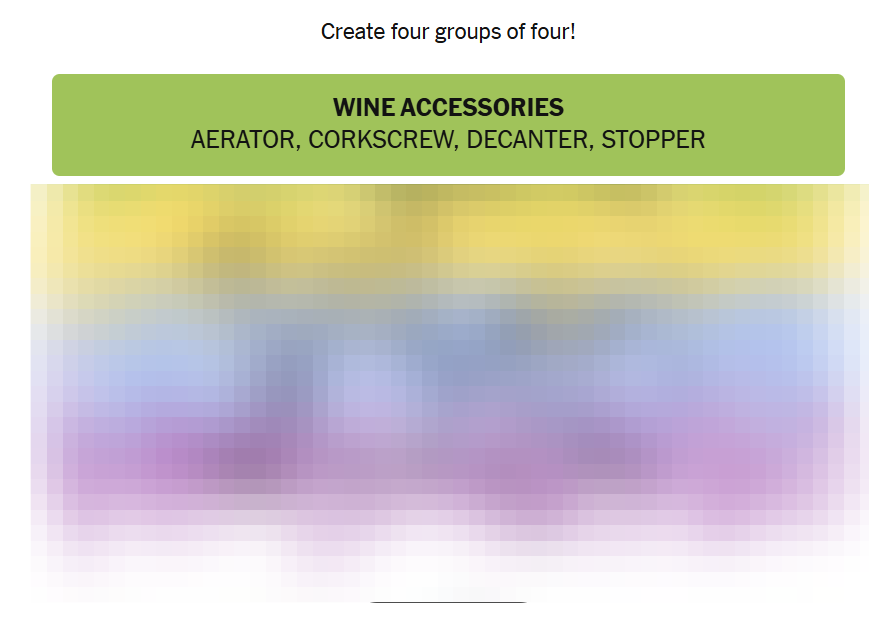
- Think about objects commonly used when opening or serving wine.
- One of these helps introduce air to a wine.
- Another is used to remove a bottle’s closure.
- These items can also help with pouring or preserving wine.
Category 2:
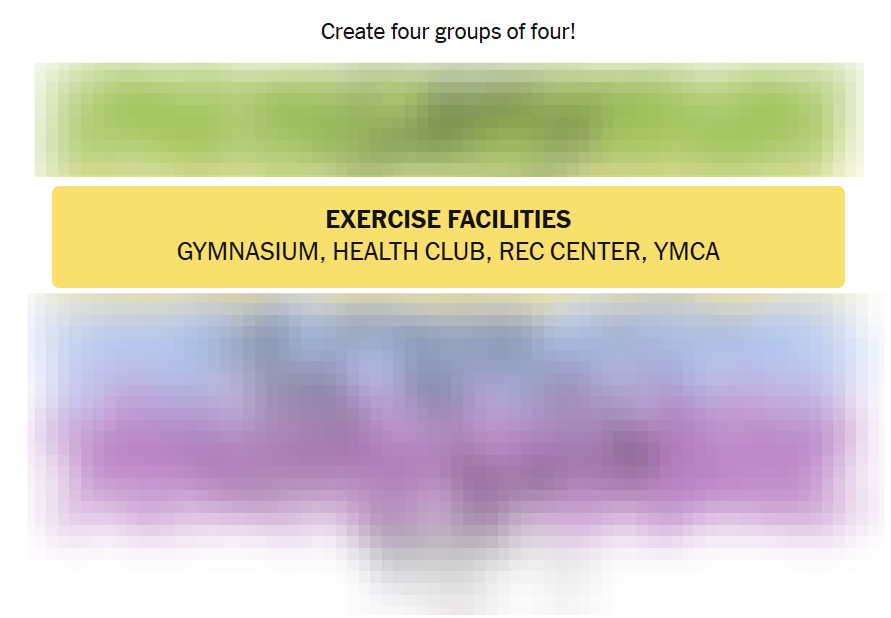
- These are different types of places where people exercise.
- Some may offer equipment for strength and cardio training.
- Others can provide organized fitness programs and classes.
- Think broadly about facilities rather than specific exercises.
Category 3:
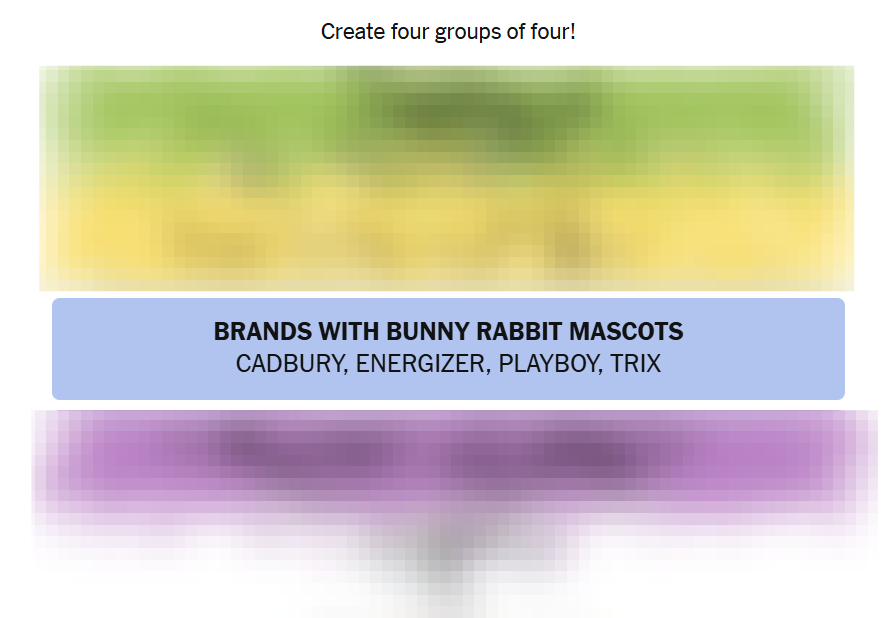
- Each word belongs to a recognizable consumer brand.
- The shared clue is a rabbit or bunny mascot.
- Think beyond food and consider brands from different industries.
- One of the brands is particularly famous for its energetic bunny.
Category 4:
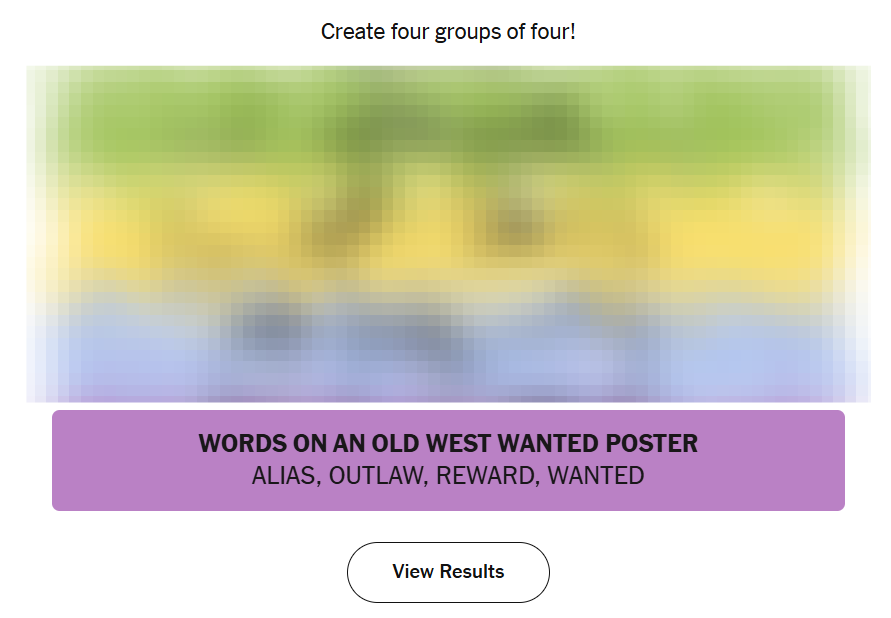
- Picture a classic Western-style wanted notice.
- These words describe someone being sought by authorities.
- One refers to a person’s assumed or alternative name.
- Another is commonly associated with the amount offered for capture.
NYT Connections Answers: 30 August 2026
Here are the answers, grouped by category.
Category 1:
Category 2:
Category 3:
Category 4:
Conclusion & Quick Strategy Tip
The 30 August 2026 Connections puzzle balances straightforward action words with trickier conceptual links, making it satisfying once everything clicks. Quick strategy tip: lock in obvious verb groups early, then examine remaining words for structural patterns or shared cultural references.






Leave a Reply