

The New York Times Connections puzzle challenges players to sort 16 seemingly unrelated words into four connected groups. Each group shares a hidden link. Today’s grid blends physical actions, clever rearrangements, and nostalgic references, making it both playful and slightly deceptive. Below you’ll find gentle hints to guide your thinking, followed by the complete solutions once you’re ready to check your work.
NYT Connections Puzzle Overview: 30 April 2026
This puzzle had a nice mix of linguistic tricks and conceptual groupings. One category plays with sound-alike words, while another leans into definitions and synonyms. There’s also a category involving phrasing patterns, which could trip up players who focus too literally. Overall, it’s a balanced but slightly tricky grid.
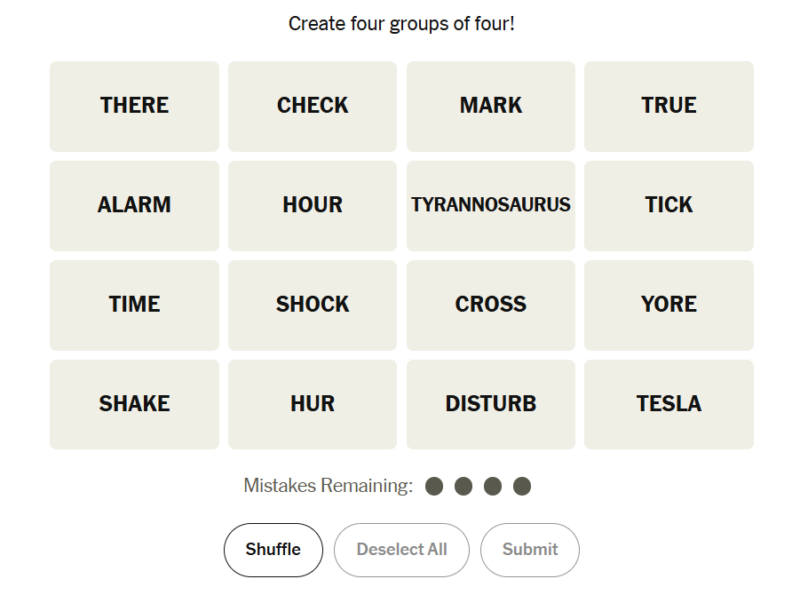
NYT Connections Hints: 30 April 2026
Category 1:
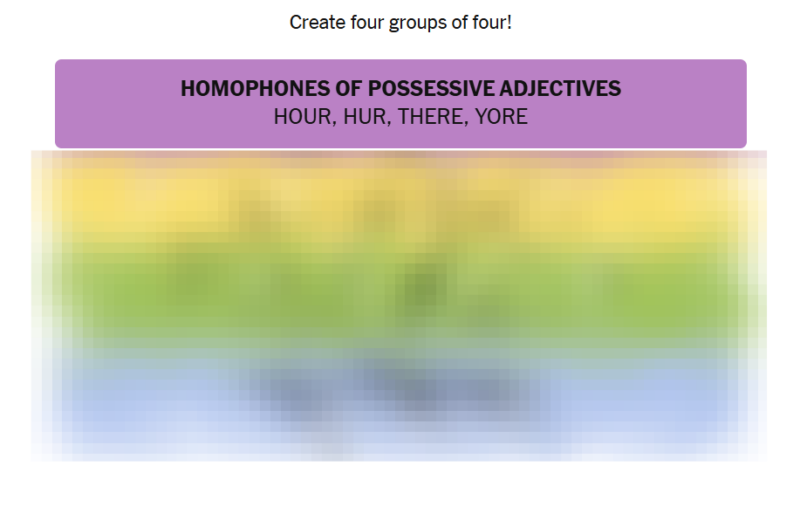
- Think about words that sound like something else
- These relate to ownership in grammar
- Not spelled the same as their counterparts
- Homophones are key here
Category 2:
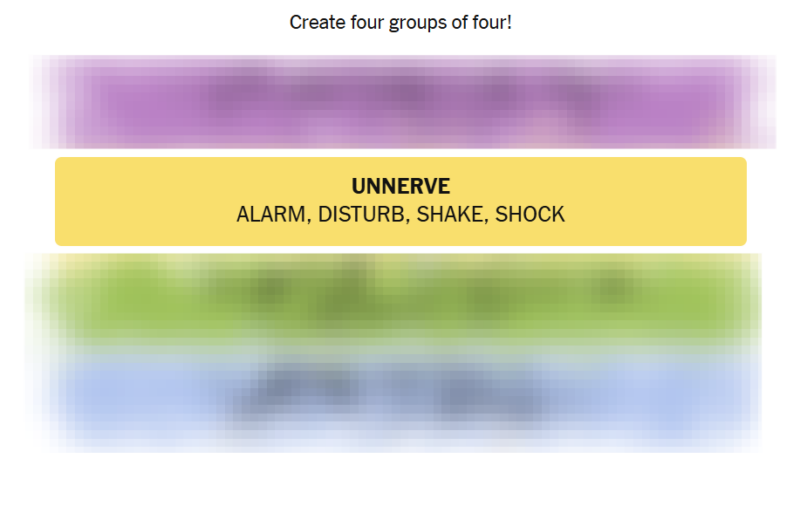
- These words describe causing emotional discomfort
- Often used in tense or alarming situations
- Synonyms related to upsetting someone
- Think sudden or jarring reactions
Category 3:
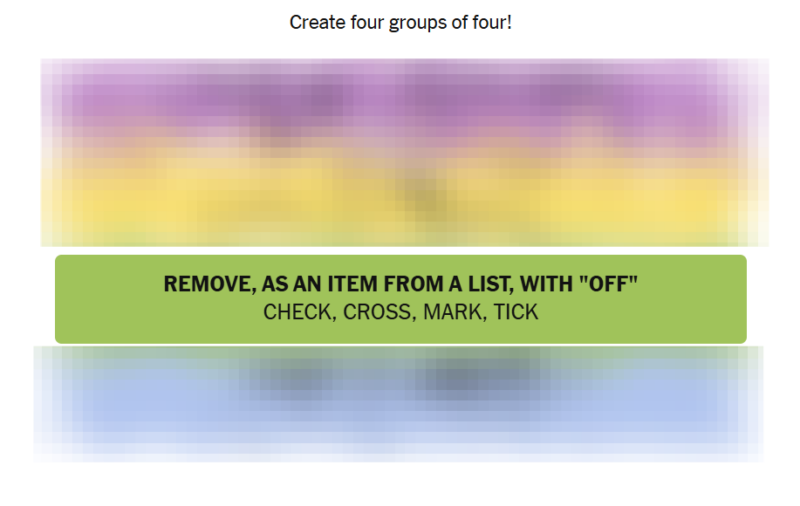
- Imagine completing tasks on a checklist
- Often paired with a specific short word afterward
- Actions that indicate completion or removal
- Common in everyday task tracking
Category 4:
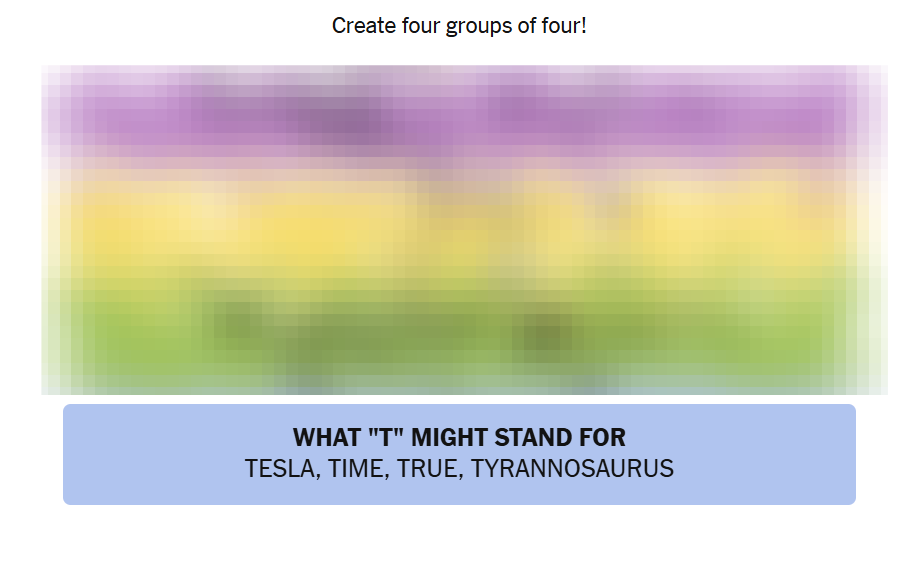
- Focus on what a single letter could represent
- Often seen in abbreviations or scientific contexts
- Each word connects to the same starting letter
- Think broad meanings across different fields
NYT Connections Answers: 30 April 2026
Here are the answers, grouped by category.
Category 1:
Category 2:
Category 3:
Category 4:
Conclusion & Quick Strategy Tip
The 30 April 2026 Connections puzzle balances straightforward action words with trickier conceptual links, making it satisfying once everything clicks. Quick strategy tip: lock in obvious verb groups early, then examine remaining words for structural patterns or shared cultural references.




Leave a Reply