


The New York Times Connections puzzle challenges players to sort 16 seemingly unrelated words into four connected groups. Each group shares a hidden link. Today’s grid blends physical actions, clever rearrangements, and nostalgic references, making it both playful and slightly deceptive. Below you’ll find gentle hints to guide your thinking, followed by the complete solutions once you’re ready to check your work.
NYT Connections Puzzle Overview: 27 July 2026
Today’s Connections puzzle leans heavily into verb-based thinking and lateral associations. Some groupings feel intuitive, while others rely on spotting patterns beyond surface meanings. The anagram set is especially tempting early on, while the final category rewards solvers who recall classic childhood games.
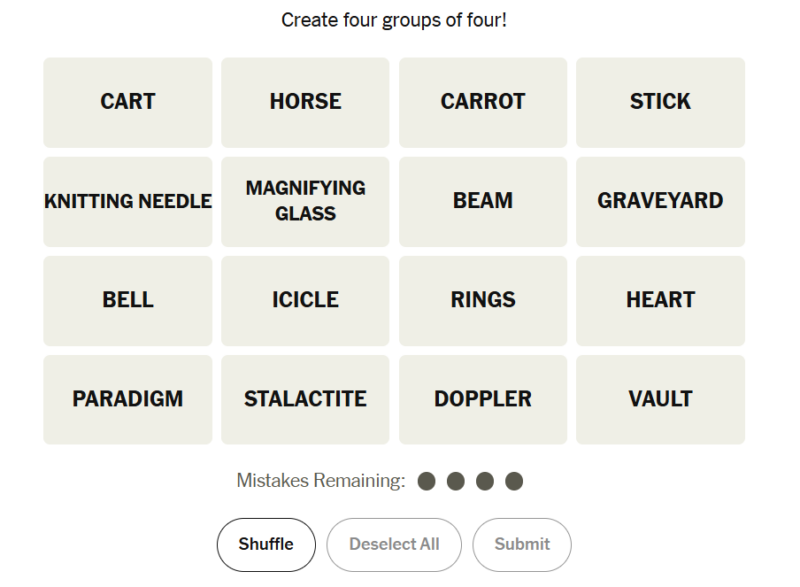
NYT Connections Hints: 27 July 2026
Category 1:
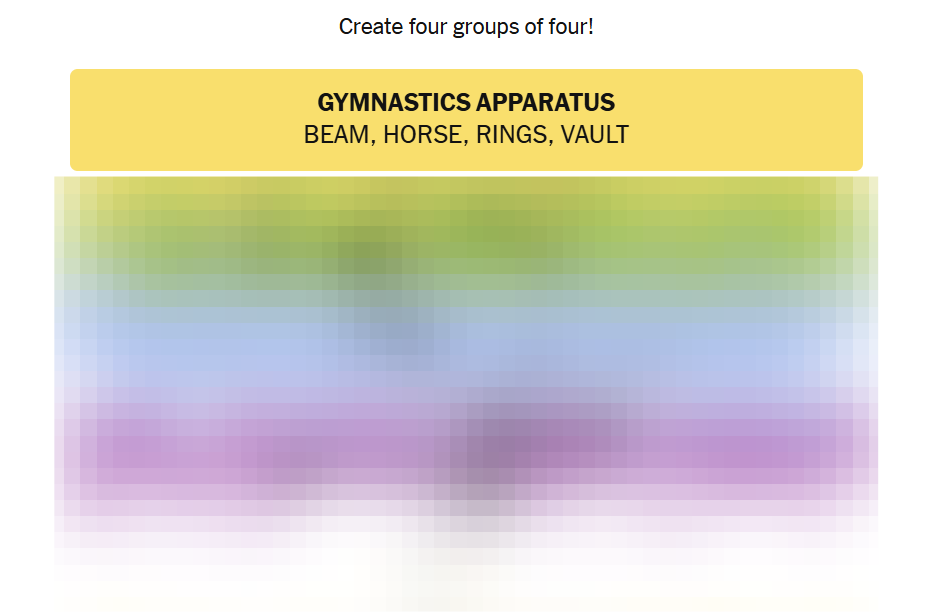
- Think about equipment used during an Olympic sport.
- These are all pieces athletes perform routines on.
- Each is found in a gymnastics competition.
- Sports fans should recognize this group quickly.
Category 2:
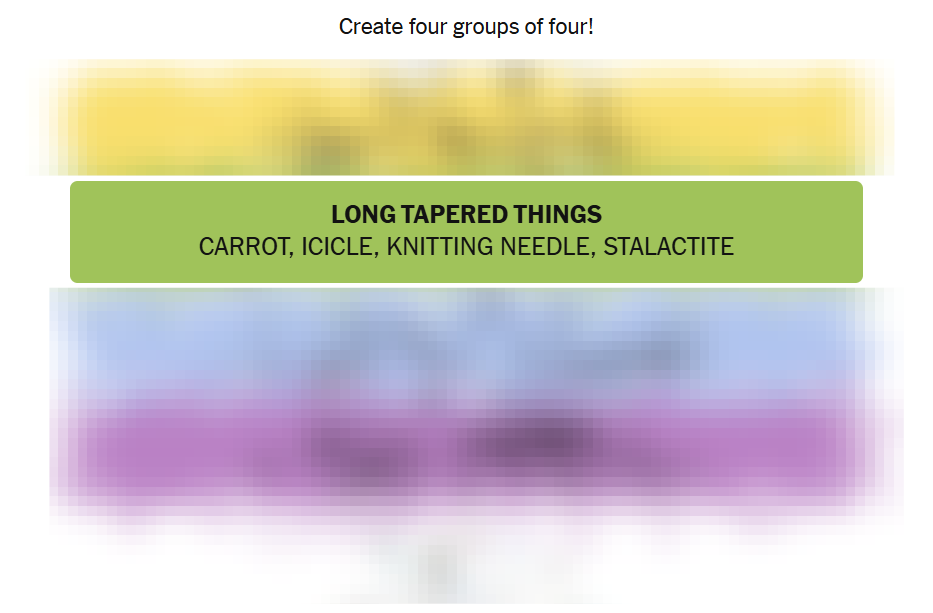
- Every item has a long, narrowing shape.
- Nature and everyday objects both appear here.
- Picture their pointed ends.
- Shape is the key connection.
Category 3:
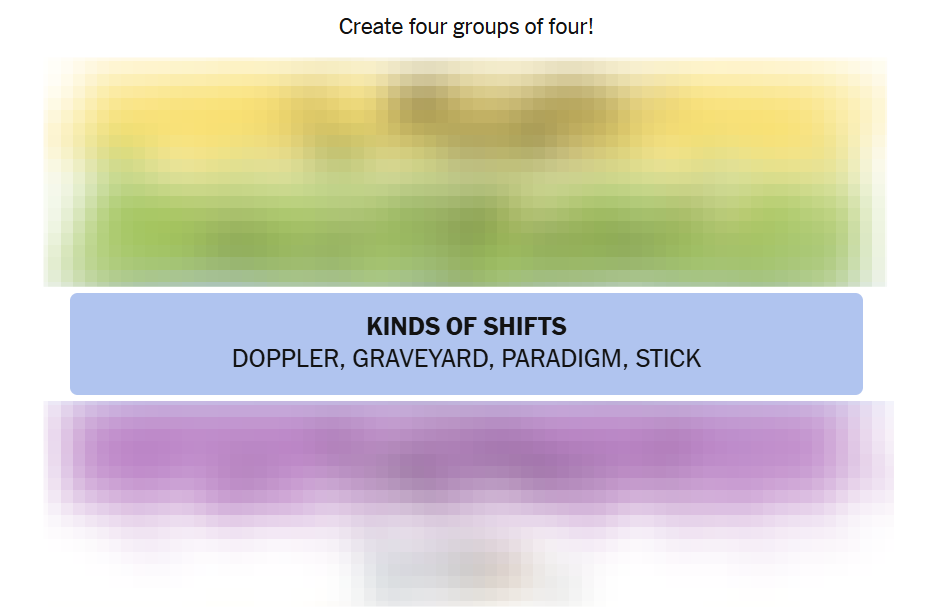
- Each phrase commonly follows the same word.
- These are different types used in science or everyday language.
- One relates to automobiles, another to philosophy.
- Focus on compound terms rather than literal meanings.
Category 4:
- Imagine browsing an online store.
- These symbols appear in the website interface.
- They help shoppers navigate or save items.
- Think of common app and e-commerce icons.
NYT Connections Answers: 27 July 2026
Here are the answers, grouped by category.
Category 1:
Category 2:
Category 3:
Category 4:
Conclusion & Quick Strategy Tip
The 27 July 2026 Connections puzzle balances straightforward action words with trickier conceptual links, making it satisfying once everything clicks. Quick strategy tip: lock in obvious verb groups early, then examine remaining words for structural patterns or shared cultural references.






Leave a Reply