


The New York Times Connections puzzle challenges players to sort 16 seemingly unrelated words into four connected groups. Each group shares a hidden link. Today’s grid blends physical actions, clever rearrangements, and nostalgic references, making it both playful and slightly deceptive. Below you’ll find gentle hints to guide your thinking, followed by the complete solutions once you’re ready to check your work.
NYT Connections Puzzle Overview: 26 September 2026
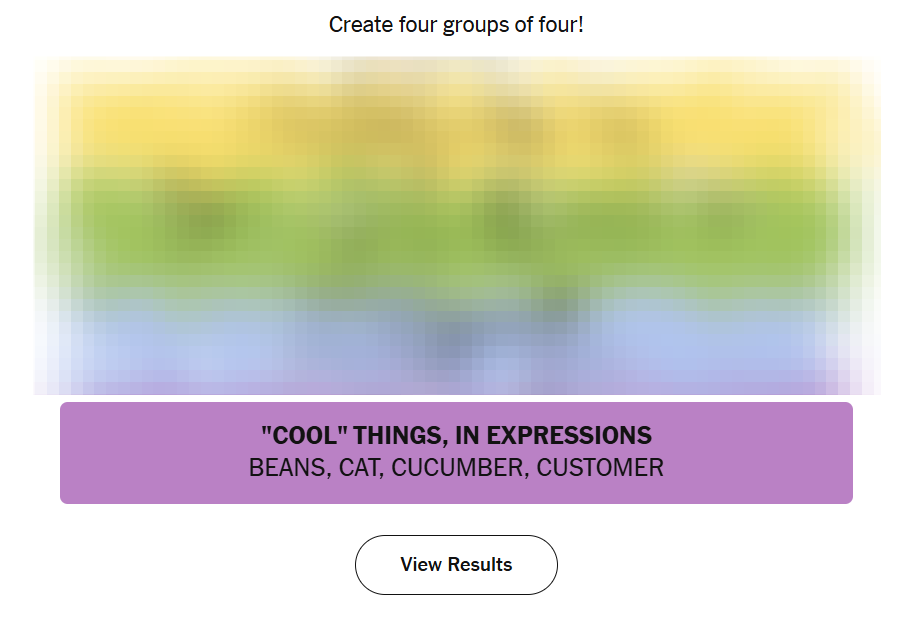
Today’s grid combines several different types of connections, from practical household vocabulary to terms associated with natural materials. The final group is especially wordplay-heavy, using words that can follow “cool” in common expressions. Careful attention to phrasing helps separate the overlapping possibilities.
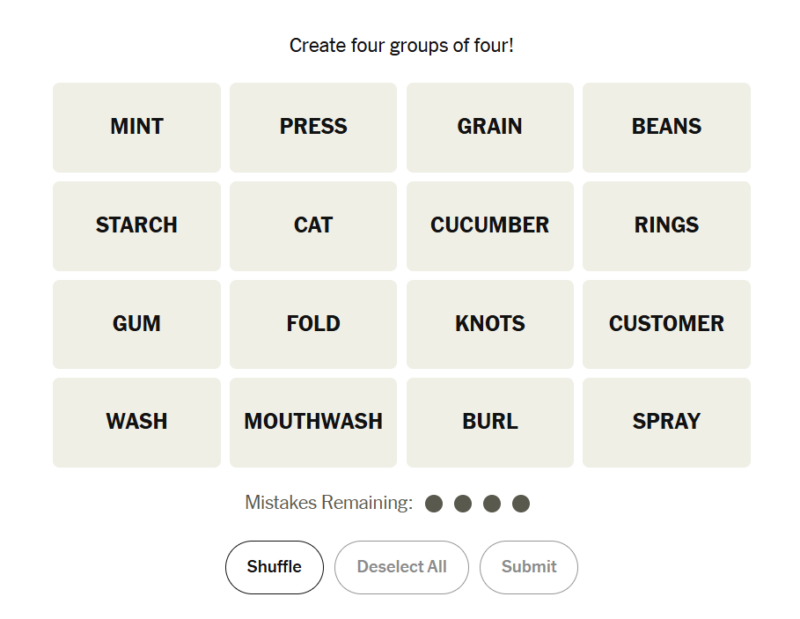
NYT Connections Hints: 26 September 2026
Category 1:
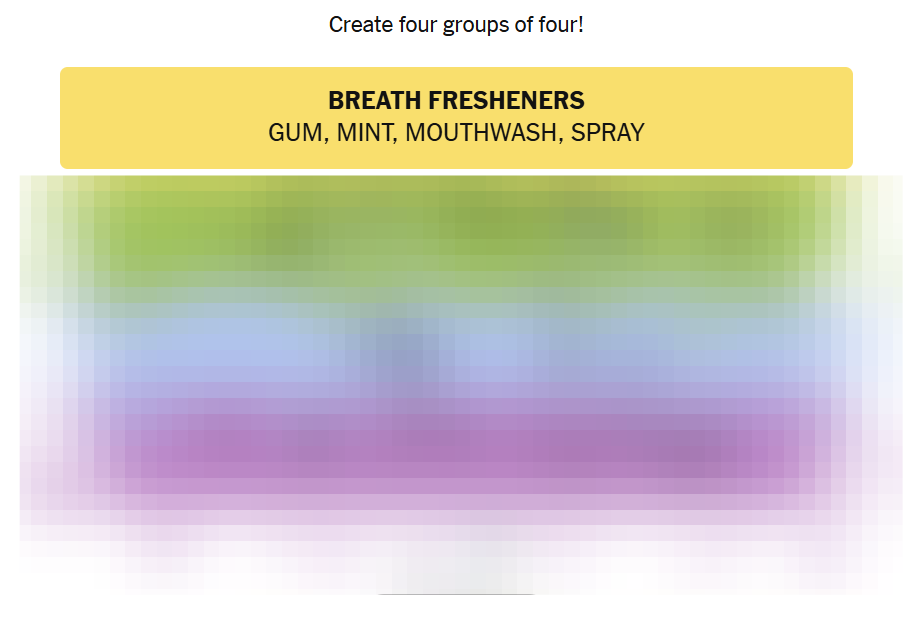
- Think of products commonly used to improve the freshness of your breath.
- These items come in several different forms.
- Some are used directly in the mouth.
- Others can be sprayed or chewed.
Category 2:
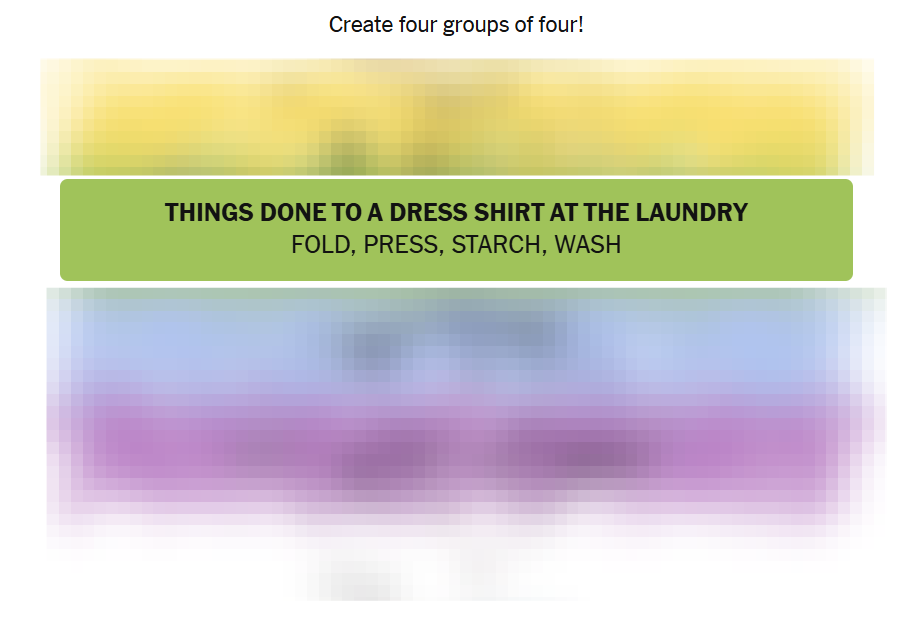
- Think about professional garment care.
- These actions can be performed on a button-up shirt.
- Some improve the shirt’s appearance.
- Others involve cleaning or preparing the fabric.
Category 3:
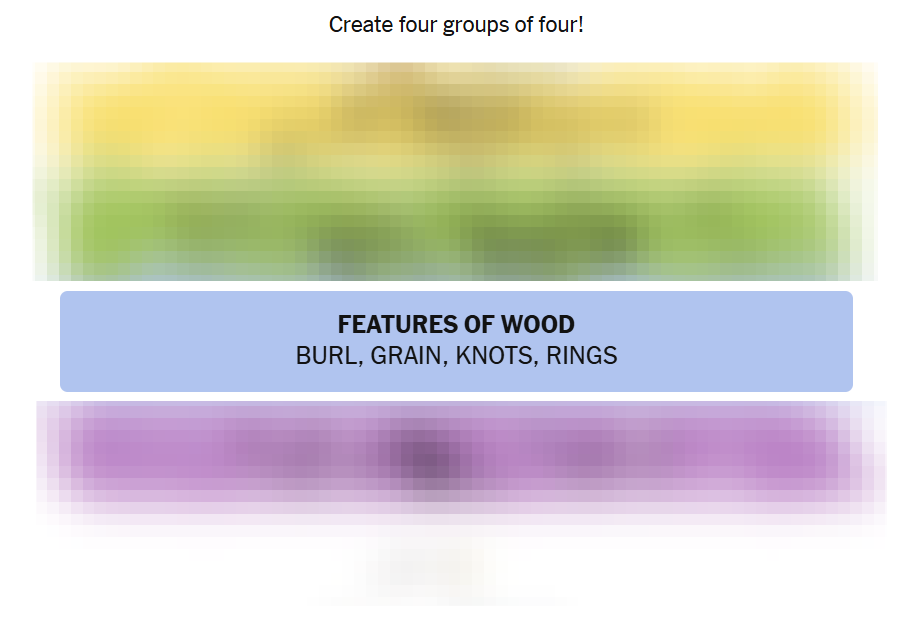
- Look at characteristics commonly found in timber.
- These features can reveal something about a tree’s growth.
- Some are visible patterns within cut wood.
- The category includes several terms used by woodworkers.
Category 4:
- Think of expressions involving the word “cool.”
- Each word can pair naturally with it.
- The resulting phrases can describe people, objects, or situations.
- One phrase refers to someone considered stylish or fashionable.
NYT Connections Answers: 26 September 2026
Here are the answers, grouped by category.
Category 1:
Category 2:
Category 3:
Category 4:
Conclusion & Quick Strategy Tip
The 26 September 2026 Connections puzzle balances straightforward action words with trickier conceptual links, making it satisfying once everything clicks. Quick strategy tip: lock in obvious verb groups early, then examine remaining words for structural patterns or shared cultural references.






Leave a Reply