

The New York Times Connections puzzle challenges players to sort 16 seemingly unrelated words into four connected groups. Each group shares a hidden link. Today’s grid blends physical actions, clever rearrangements, and nostalgic references, making it both playful and slightly deceptive. Below you’ll find gentle hints to guide your thinking, followed by the complete solutions once you’re ready to check your work.
NYT Connections Puzzle Overview: 26 July 2026
Today’s Connections puzzle balanced straightforward categories with one particularly tricky purple group built around multiple meanings of a single word. While a couple of sets were easy to recognize, the remaining words encouraged players to think beyond their most obvious definitions before everything clicked into place.
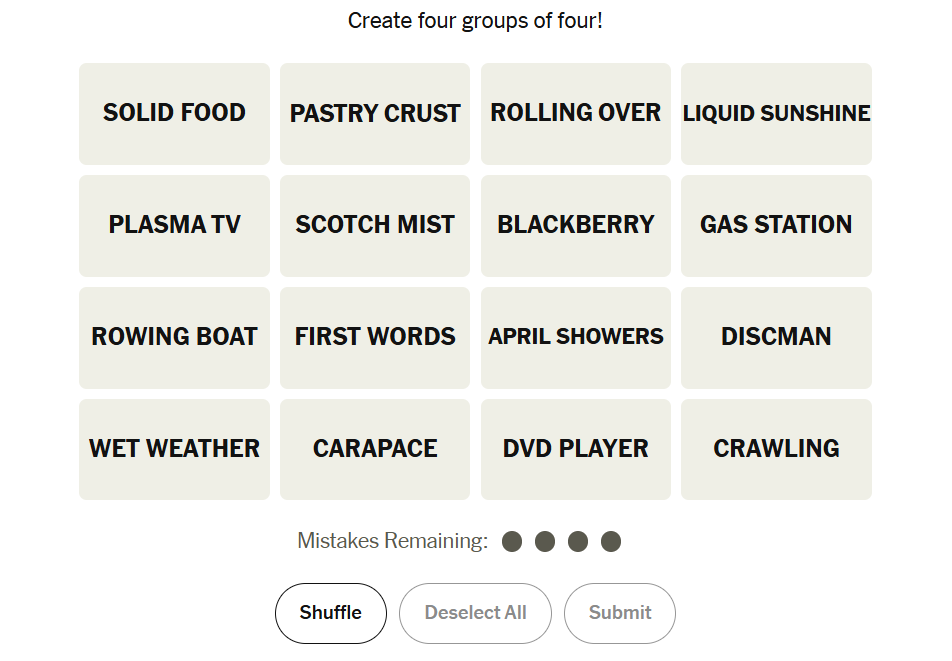
NYT Connections Hints: 26 July 2026
Category 1:
- Think about devices that were once everywhere but are rarely used today.
- Every item belongs to an earlier generation of consumer electronics.
- Nostalgia plays a big role in this group.
- None of these would be considered cutting-edge today.
Category 2:
- These are memorable moments during a child’s early development.
- Parents often celebrate each of these achievements.
- Every item marks progress during infancy.
- Think about common developmental milestones.
Category 3:
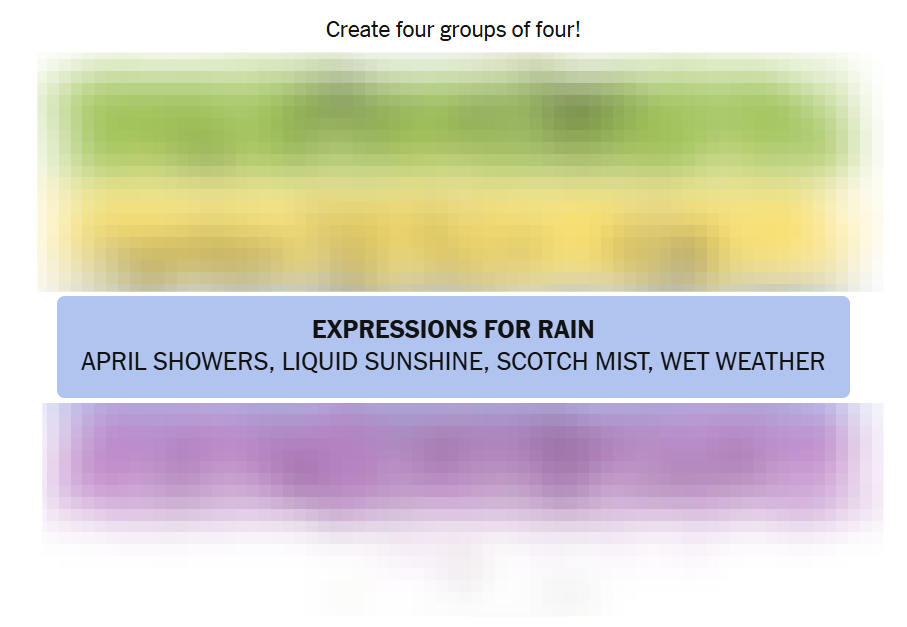
- Each term is another way to describe rainy conditions.
- Some are poetic while others are more conversational.
- Weather forecasts may use similar expressions.
- All four point to precipitation.
Category 4:
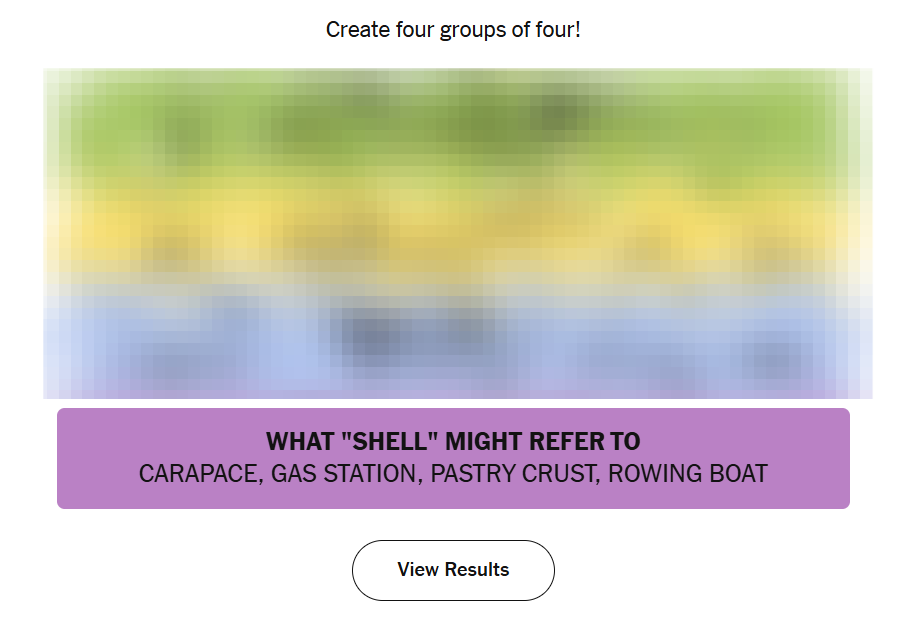
- Focus on the different meanings of one short word.
- The connection depends on definitions rather than spelling tricks.
- Each answer can be described by the same term.
- Think broadly about what a “shell” can be.
NYT Connections Answers: 26 July 2026
Here are the answers, grouped by category.
Category 1:
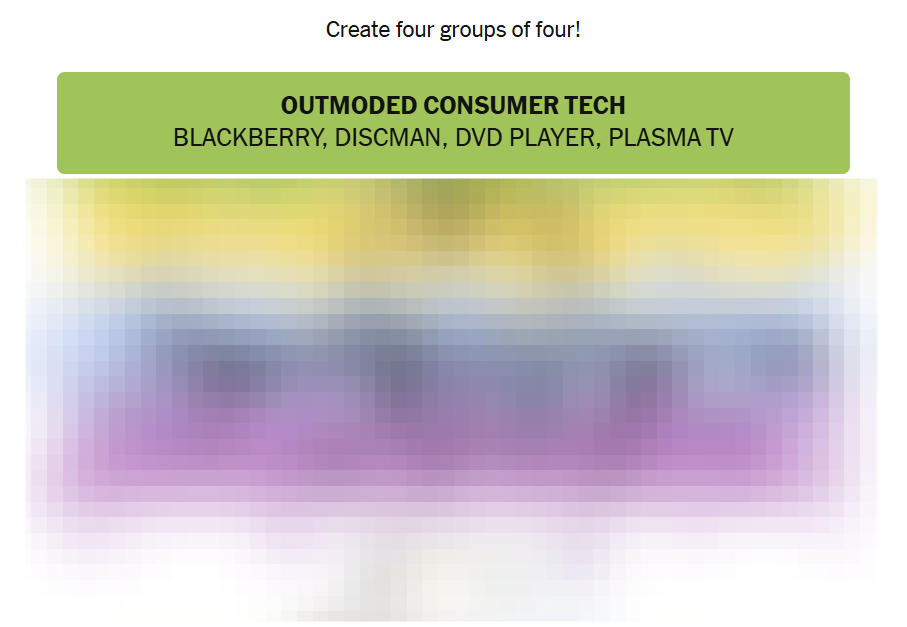
Category 2:
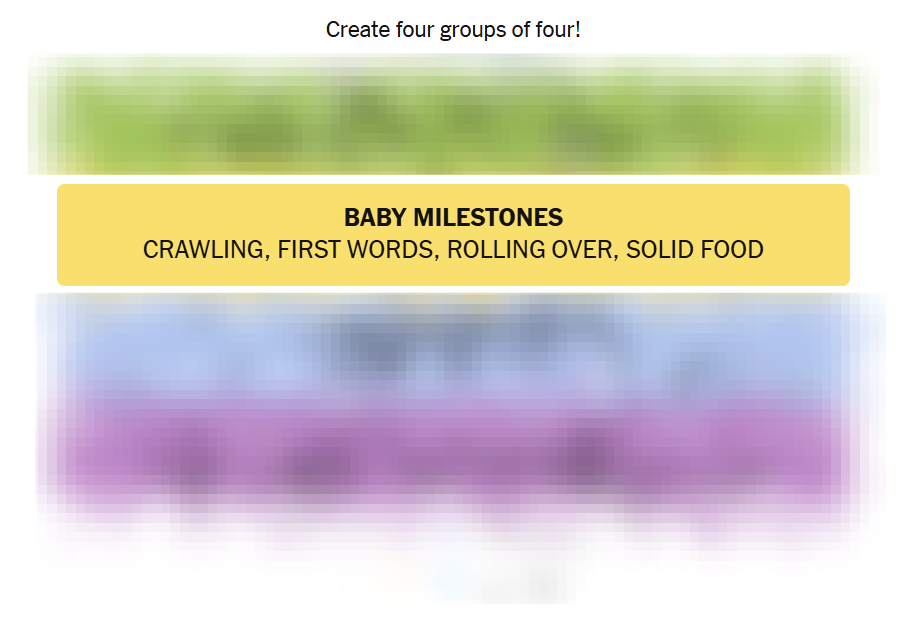
Category 3:
Category 4:
Conclusion & Quick Strategy Tip
The 26 July 2026 Connections puzzle balances straightforward action words with trickier conceptual links, making it satisfying once everything clicks. Quick strategy tip: lock in obvious verb groups early, then examine remaining words for structural patterns or shared cultural references.






Leave a Reply