


The New York Times Connections puzzle challenges players to sort 16 seemingly unrelated words into four connected groups. Each group shares a hidden link. Today’s grid blends physical actions, clever rearrangements, and nostalgic references, making it both playful and slightly deceptive. Below you’ll find gentle hints to guide your thinking, followed by the complete solutions once you’re ready to check your work.
NYT Connections Puzzle Overview: 22 September 2026
Today’s Connections puzzle features several groups that may appear straightforward at first, but some words can fit more than one possible idea. The final group uses a visual and linguistic twist involving accent marks, making careful attention to spelling especially useful.
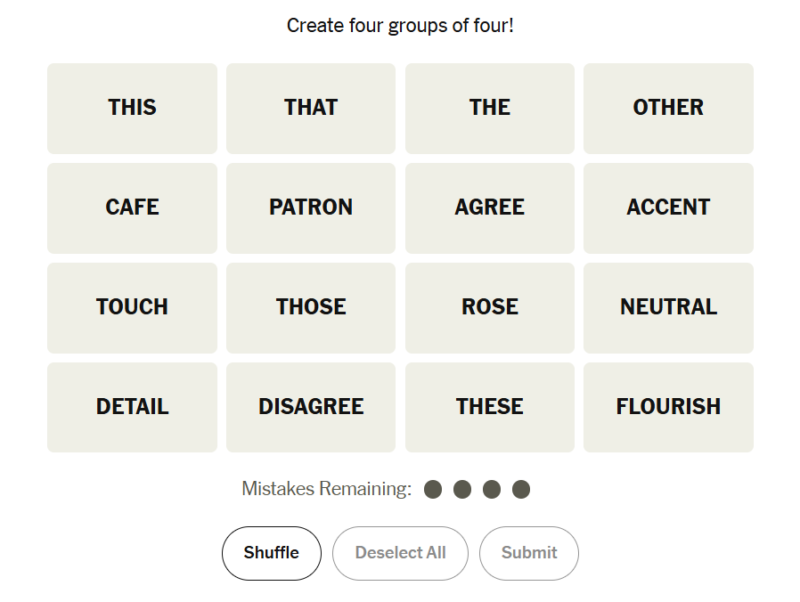
NYT Connections Hints: 22 September 2026
Category 1:
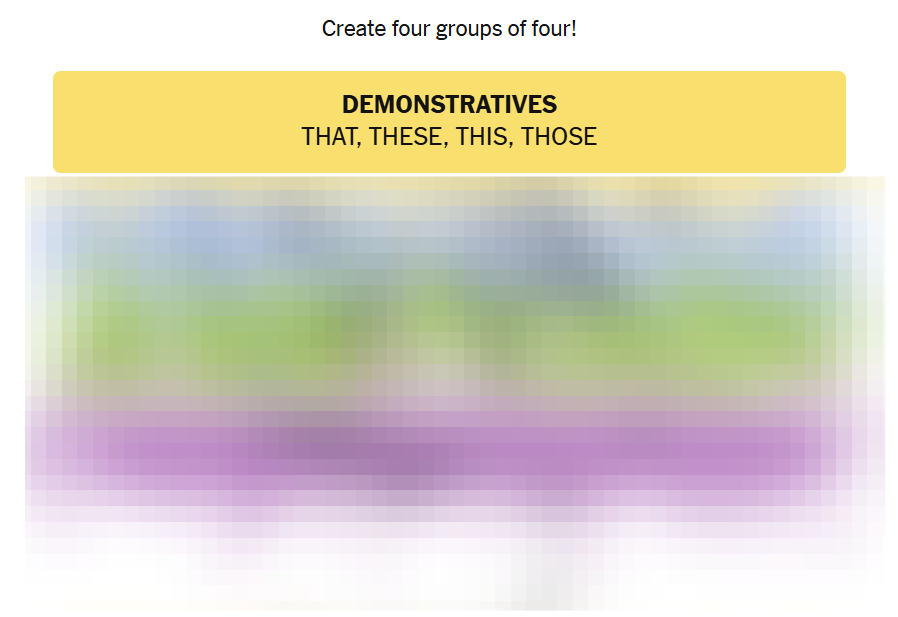
- These words can point to particular things.
- They are commonly used in grammar.
- They help identify something being referred to.
- Think of words such as those used to distinguish objects by proximity or number.
Category 2:
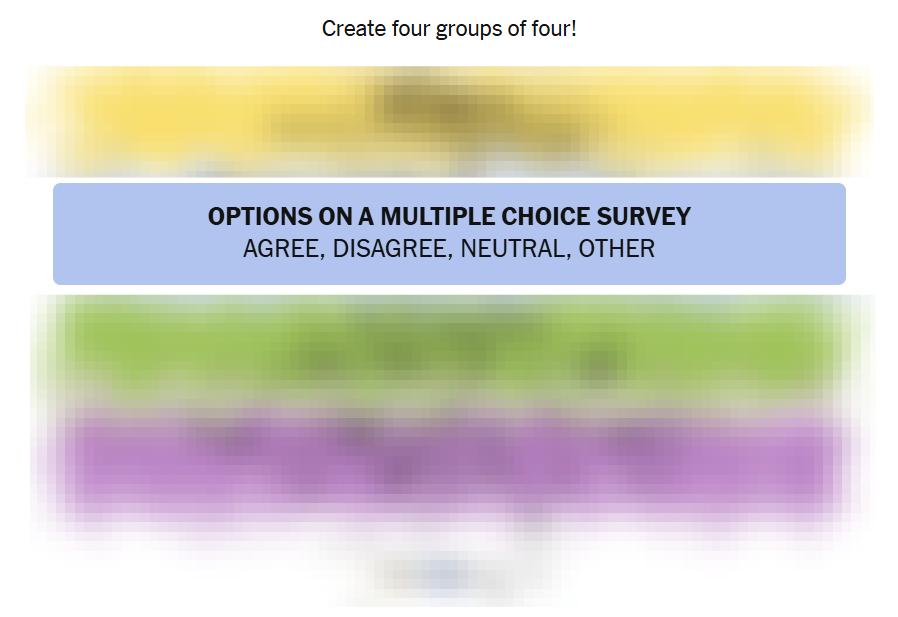
- These are possible responses in a questionnaire.
- They can describe how someone feels about a statement.
- One choice represents neither side of an issue.
- Another option allows a respondent to give an answer outside the main choices.
Category 3:
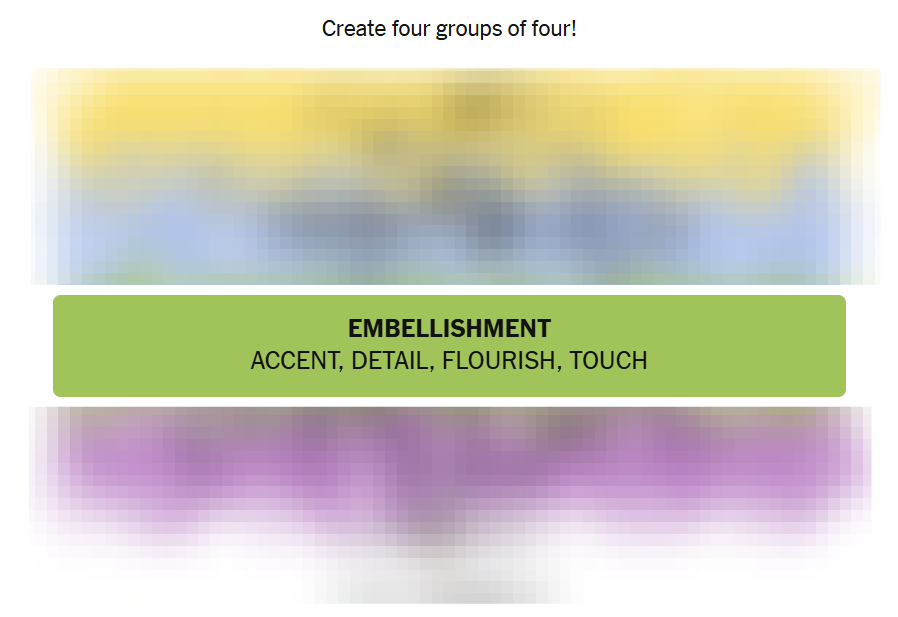
- These words can describe something added for visual appeal.
- They are associated with decoration or extra detail.
- They can make writing, clothing, artwork, or design more elaborate.
- Think of something that enhances rather than forms the basic structure.
Category 4:
- Each word becomes the name of a drink when spelling marks are restored.
- The missing marks are acute accents.
- The group includes drinks associated with coffee, cocktails, wine, and tea.
- Look closely at the letters rather than only the meanings of the words.
NYT Connections Answers: 22 September 2026
Here are the answers, grouped by category.
Category 1:
Category 2:
Category 3:
Category 4:
Conclusion & Quick Strategy Tip
The 22 September 2026 Connections puzzle balances straightforward action words with trickier conceptual links, making it satisfying once everything clicks. Quick strategy tip: lock in obvious verb groups early, then examine remaining words for structural patterns or shared cultural references.






Leave a Reply