


The New York Times Connections puzzle challenges players to sort 16 seemingly unrelated words into four connected groups. Each group shares a hidden link. Today’s grid blends physical actions, clever rearrangements, and nostalgic references, making it both playful and slightly deceptive. Below you’ll find gentle hints to guide your thinking, followed by the complete solutions once you’re ready to check your work.
NYT Connections Puzzle Overview: 21 September 2026
Today’s Connections puzzle had four clearly different themes once the patterns became visible. Some groups were fairly direct, while others relied on recognizing words as parts of familiar terms or names. The composer-related group in particular required looking beyond the words themselves and thinking about famous surnames.
NYT Connections Hints: 21 September 2026
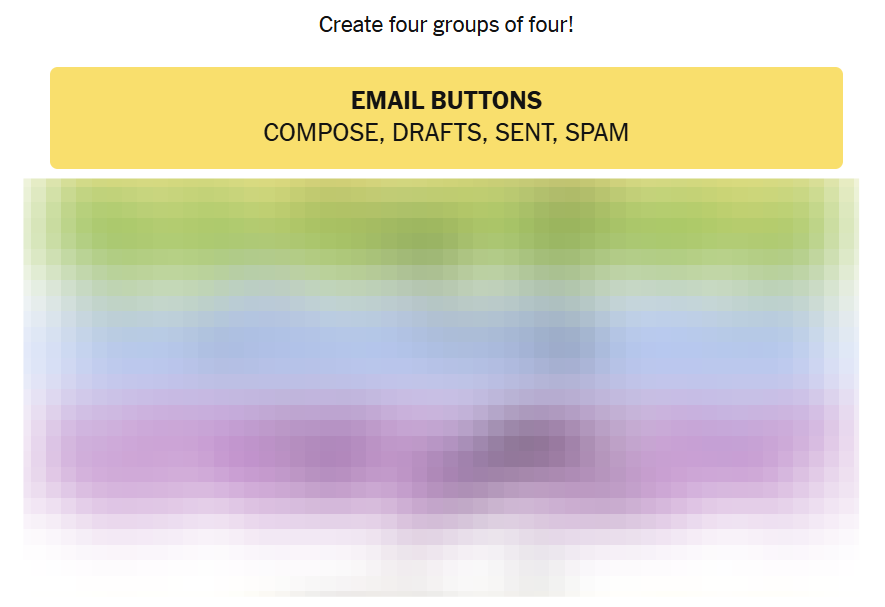
Category 1:
- Think about common features found in an email interface.
- These terms can describe different locations or states for messages.
- One category involves electronic communication.
- Look for words associated with managing incoming and outgoing messages.
Category 2:
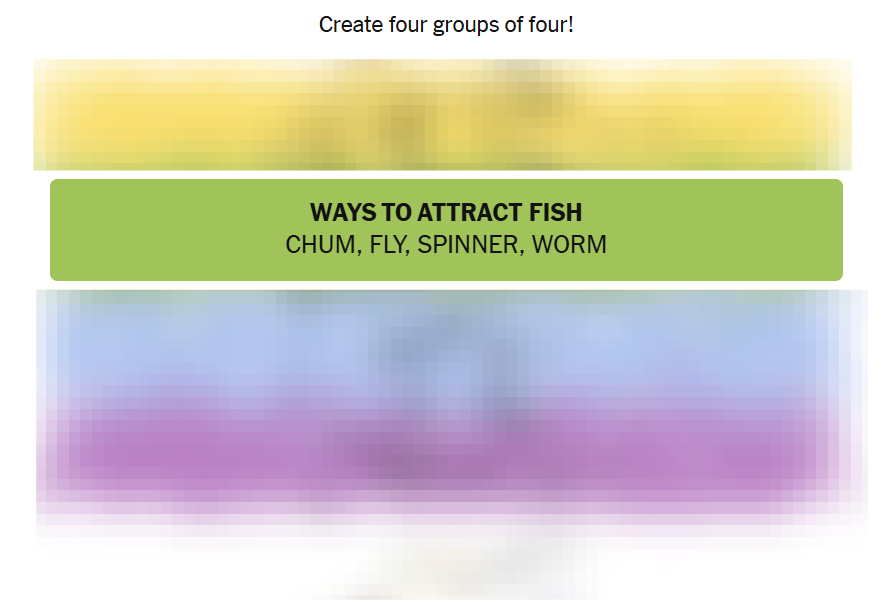
- Think about equipment or bait used while fishing.
- These can help attract fish in different ways.
- One clue is something added to water to draw fish together.
- Another refers to live bait commonly used by anglers.
Category 3:
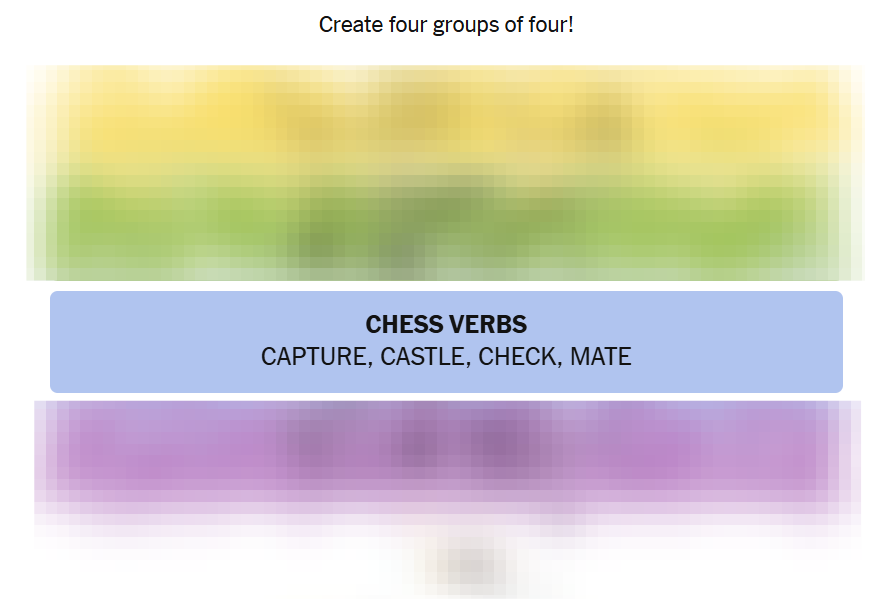
- Think about the language used when discussing chess.
- These words can describe moves, positions, or outcomes.
- One term refers to taking an opponent’s piece.
- The group also includes language associated with winning the game.
Category 4:
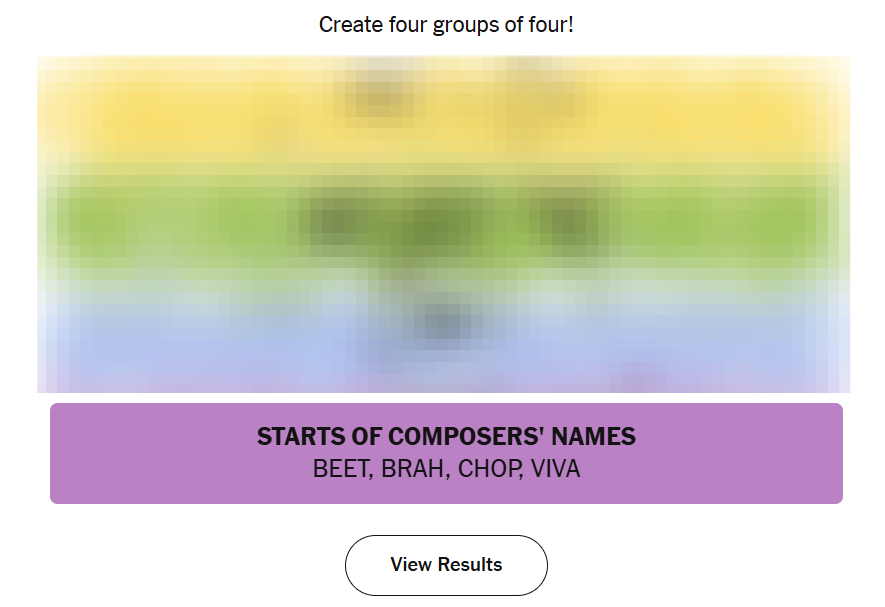
- Think about famous classical composers.
- Each word forms the beginning of a well-known surname.
- Complete the names mentally to identify the connection.
- The four clues point toward composers from the classical music world.
NYT Connections Answers: 21 September 2026
Here are the answers, grouped by category.
Category 1:
Category 2:
Category 3:
Category 4:
Conclusion & Quick Strategy Tip
The 21 September 2026 Connections puzzle balances straightforward action words with trickier conceptual links, making it satisfying once everything clicks. Quick strategy tip: lock in obvious verb groups early, then examine remaining words for structural patterns or shared cultural references.






Leave a Reply