


The New York Times Connections puzzle challenges players to sort 16 seemingly unrelated words into four connected groups. Each group shares a hidden link. Today’s grid blends physical actions, clever rearrangements, and nostalgic references, making it both playful and slightly deceptive. Below you’ll find gentle hints to guide your thinking, followed by the complete solutions once you’re ready to check your work.
NYT Connections Puzzle Overview: 20 August 2026
The 20 August puzzle features a varied mix of food, numbers, typography, and word construction. Some groups have straightforward associations, while the trickier categories rely on looking at how words are formed rather than what they mean. The final group is especially dependent on spotting hidden references.
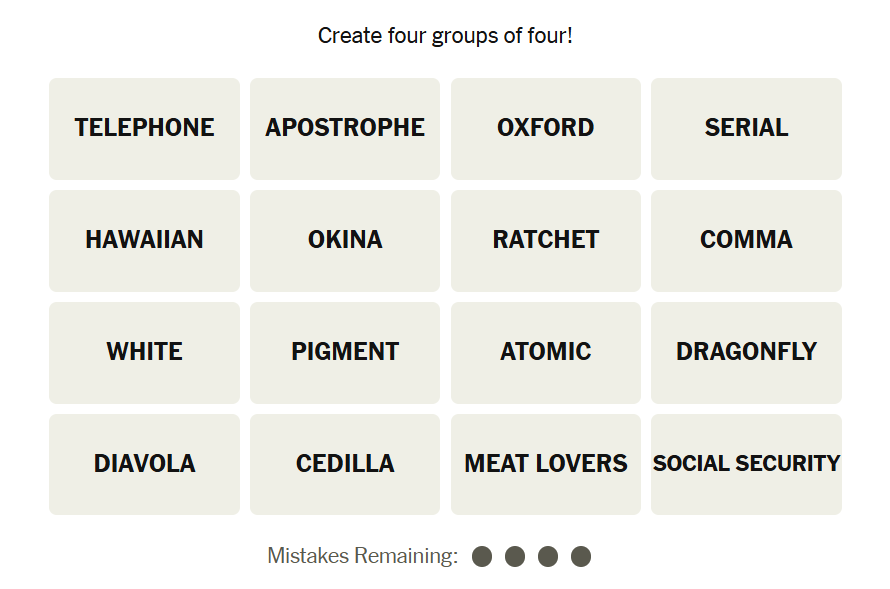
NYT Connections Hints: 20 August 2026
Category 1:
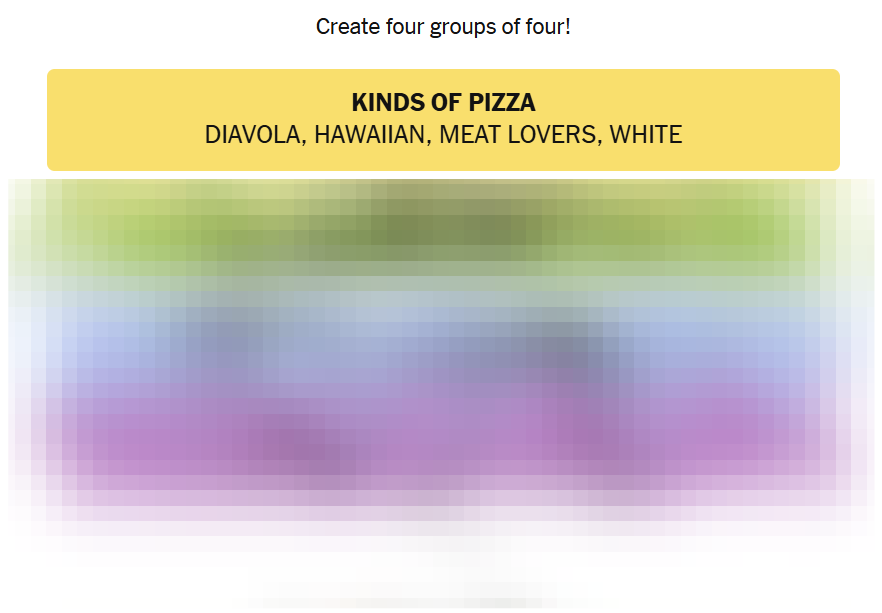
- Think about different styles or varieties of a popular Italian dish.
- One option is strongly associated with pineapple.
- Another is a meat-heavy choice.
- The final one is known for a pale, cheese-based style.
Category 2:
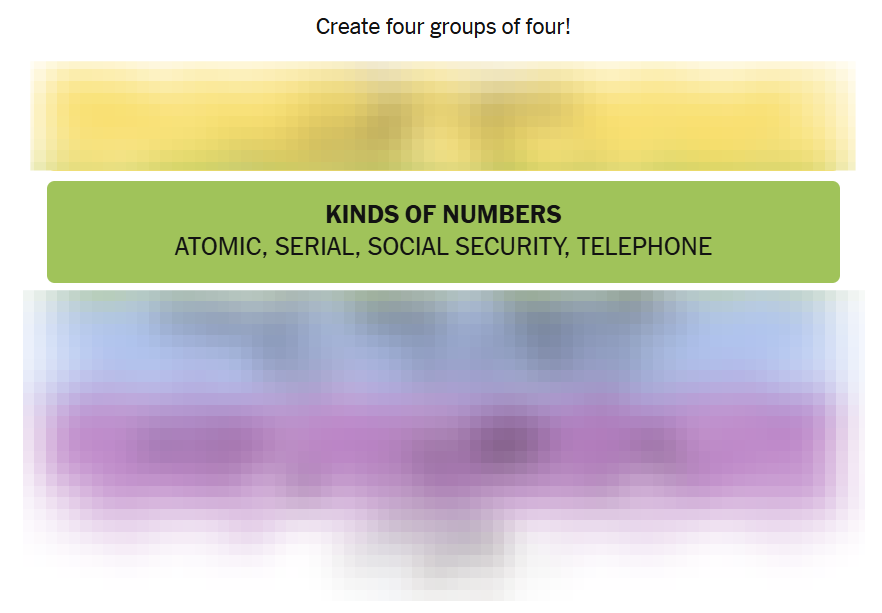
- These are all different kinds of numbers with specific uses or meanings.
- One is associated with atomic structure.
- One identifies individual items in a sequence.
- Two are commonly used for identification or communication.
Category 3:
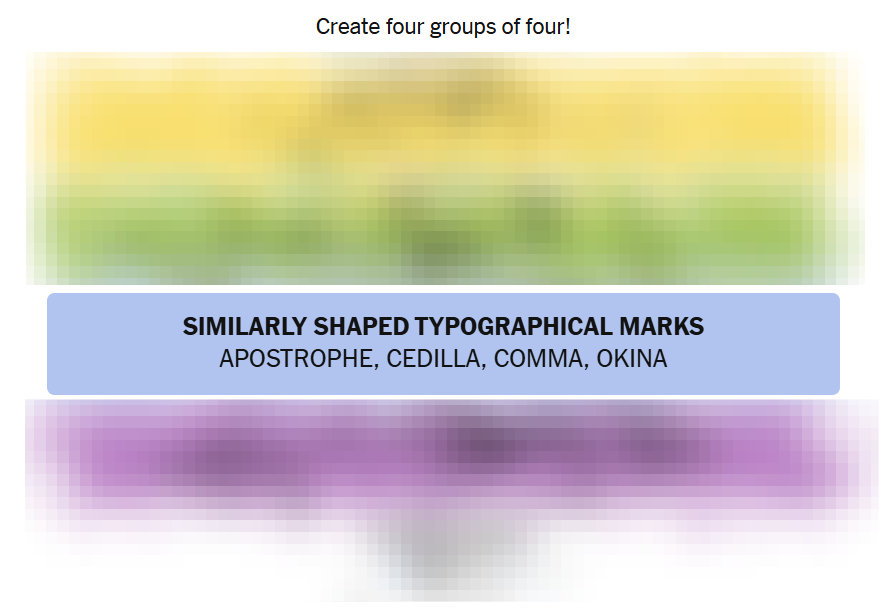
- Look closely at the shapes of punctuation and other written marks.
- These symbols can appear in different languages or writing systems.
- Some are used in ordinary punctuation.
- The connection is based primarily on their visual form.
Category 4:
- Look at the beginning of each word rather than its complete meaning.
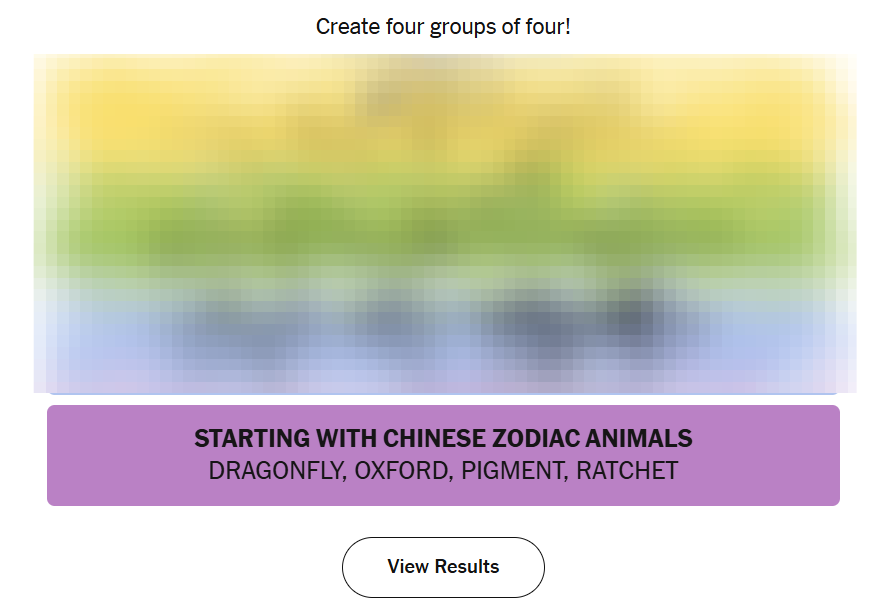
- Each word starts with the name of an animal from the Chinese zodiac.
- The animal names are hidden directly at the beginning.
- Four different zodiac animals are represented.
NYT Connections Answers: 20 August 2026
Here are the answers, grouped by category.
Category 1:
Category 2:
Category 3:
Category 4:
Conclusion & Quick Strategy Tip
The 20 August 2026 Connections puzzle balances straightforward action words with trickier conceptual links, making it satisfying once everything clicks. Quick strategy tip: lock in obvious verb groups early, then examine remaining words for structural patterns or shared cultural references.






Leave a Reply