

The New York Times Connections puzzle challenges players to sort 16 seemingly unrelated words into four connected groups. Each group shares a hidden link. Today’s grid blends physical actions, clever rearrangements, and nostalgic references, making it both playful and slightly deceptive. Below you’ll find gentle hints to guide your thinking, followed by the complete solutions once you’re ready to check your work.
NYT Connections Puzzle Overview: 15 September 2026
Today’s puzzle features four groups with very different themes. Some connections are fairly direct, while others require thinking about words in a broader sense. The undercover-agent category and the group involving things that come at the end may be especially satisfying once the patterns click into place.
NYT Connections Hints: 15 September 2026
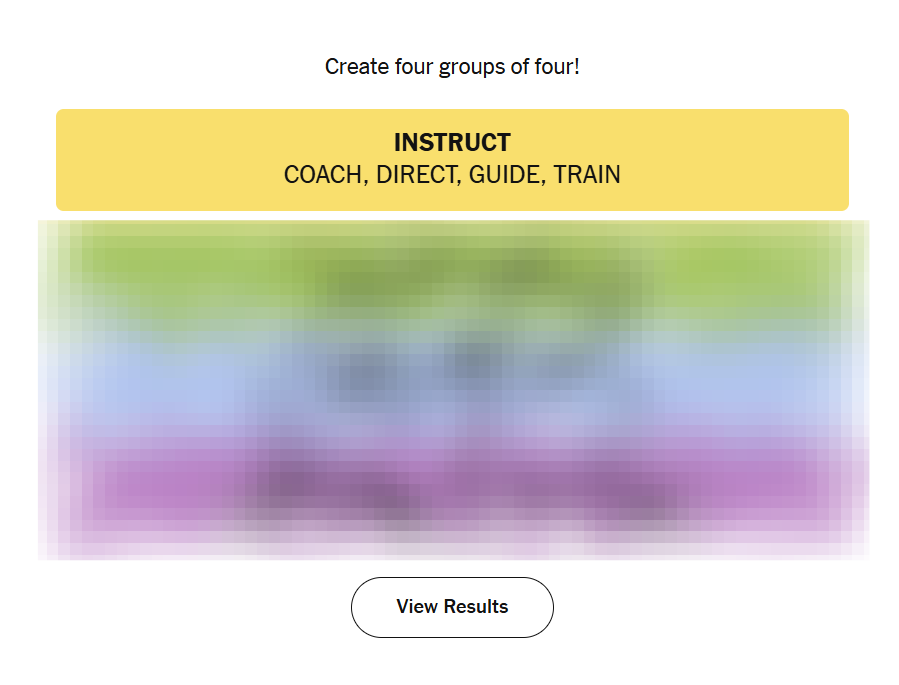
Category 1:
- Think about helping someone improve their abilities.
- These words can describe someone providing instruction.
- They can all be used as verbs.
- Consider different ways of teaching or leading someone.
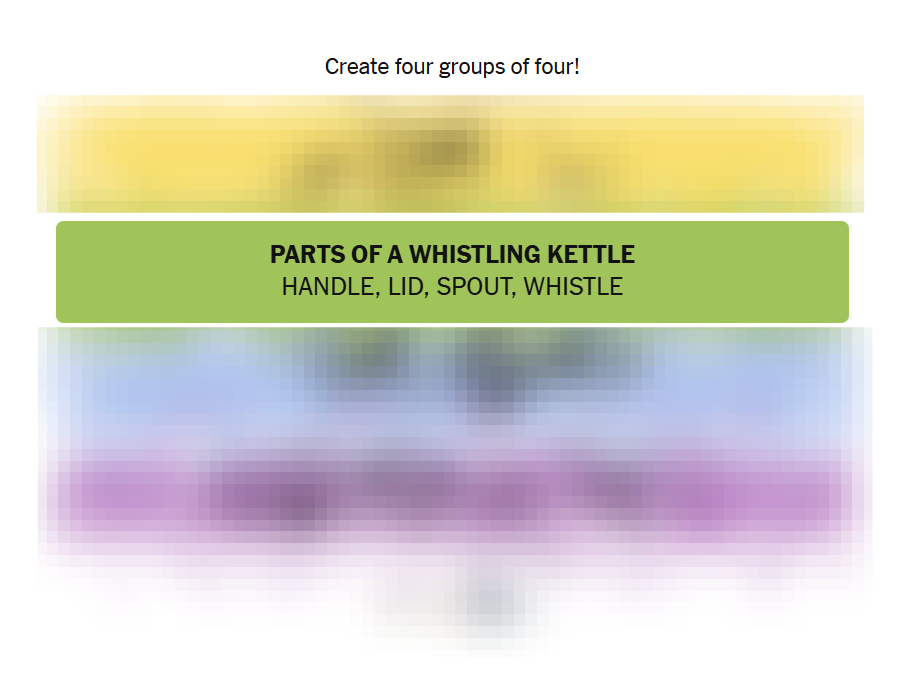
Category 2:
- Think of a familiar kitchen appliance.
- These are physical components of the same object.
- One part covers the top.
- Another part allows liquid to be poured out.
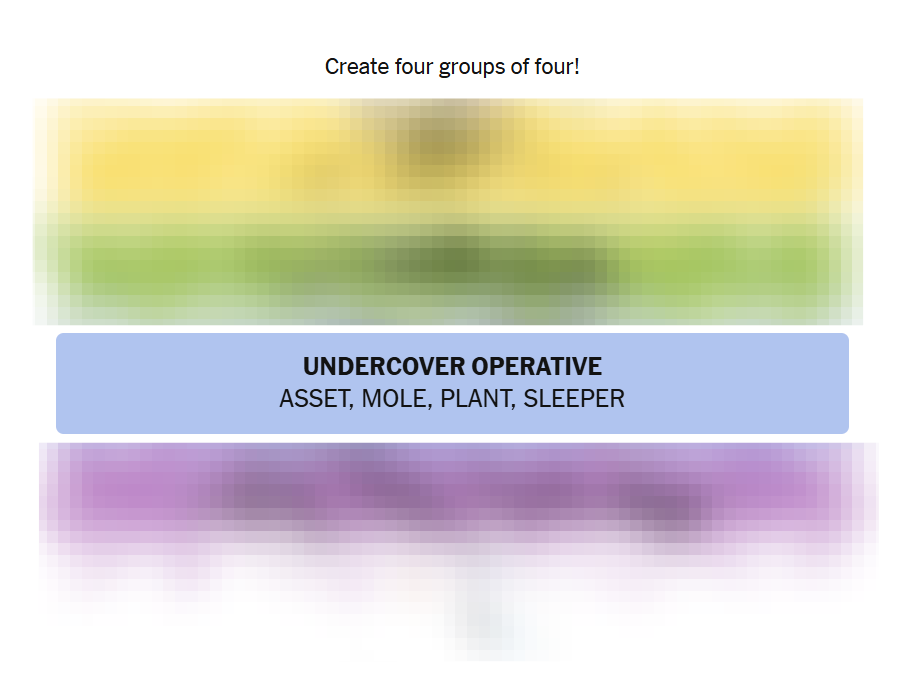
Category 3:
- Think about espionage and secret missions.
- These terms can describe someone working covertly.
- The people in this group may operate under hidden identities.
- Think of different names for a secret agent or informant.
Category 4:
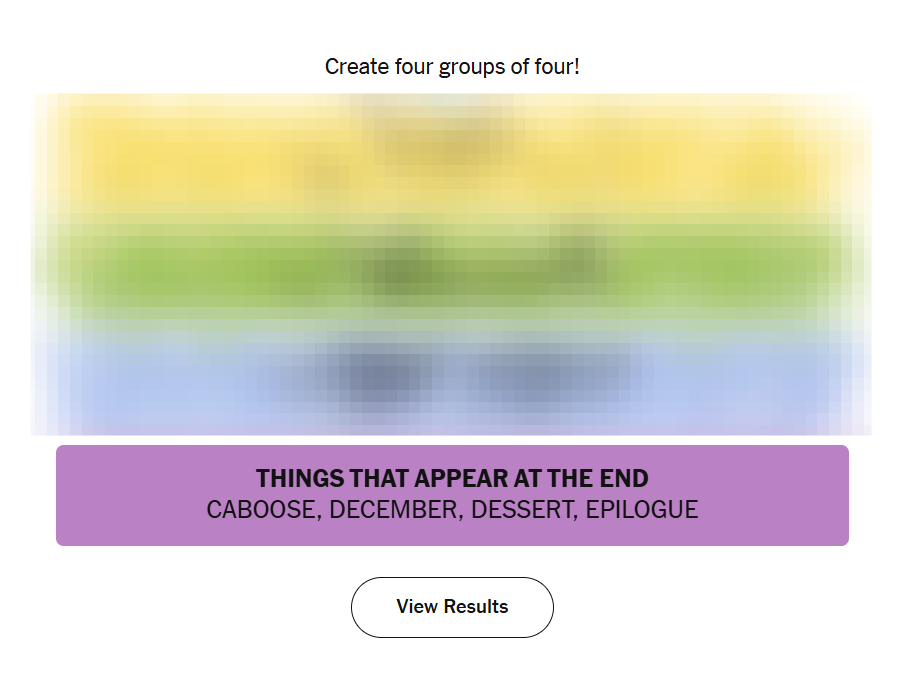
- Think about something that comes after the main event.
- These words can describe something positioned at the conclusion.
- Consider the final part of a journey, period, or work.
- Each has a connection to being last or following what came before.
NYT Connections Answers: 15 September 2026
Here are the answers, grouped by category.
Category 1:
Category 2:
Category 3:
Category 4:
Conclusion & Quick Strategy Tip
The 15 September 2026 Connections puzzle balances straightforward action words with trickier conceptual links, making it satisfying once everything clicks. Quick strategy tip: lock in obvious verb groups early, then examine remaining words for structural patterns or shared cultural references.






Leave a Reply