


The New York Times Connections puzzle challenges players to sort 16 seemingly unrelated words into four connected groups. Each group shares a hidden link. Today’s grid blends physical actions, clever rearrangements, and nostalgic references, making it both playful and slightly deceptive. Below you’ll find gentle hints to guide your thinking, followed by the complete solutions once you’re ready to check your work.
NYT Connections Puzzle Overview: 11 October 2026
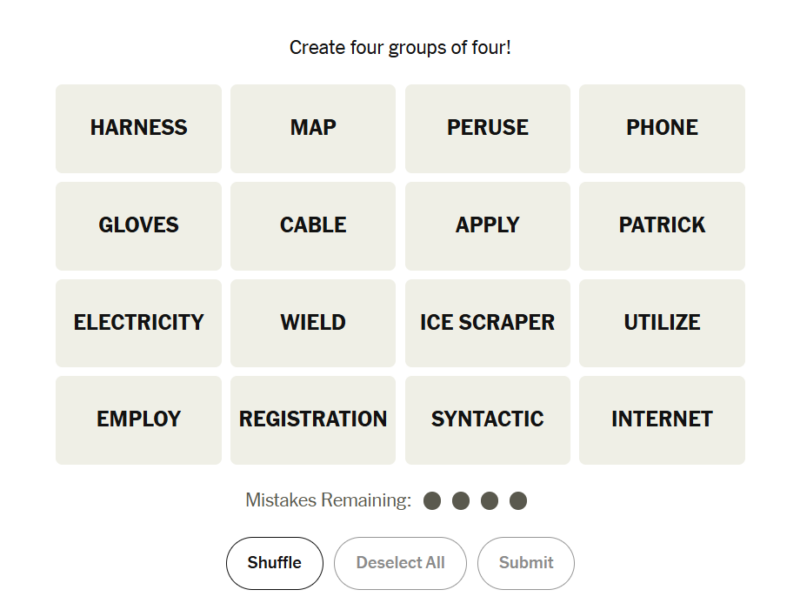
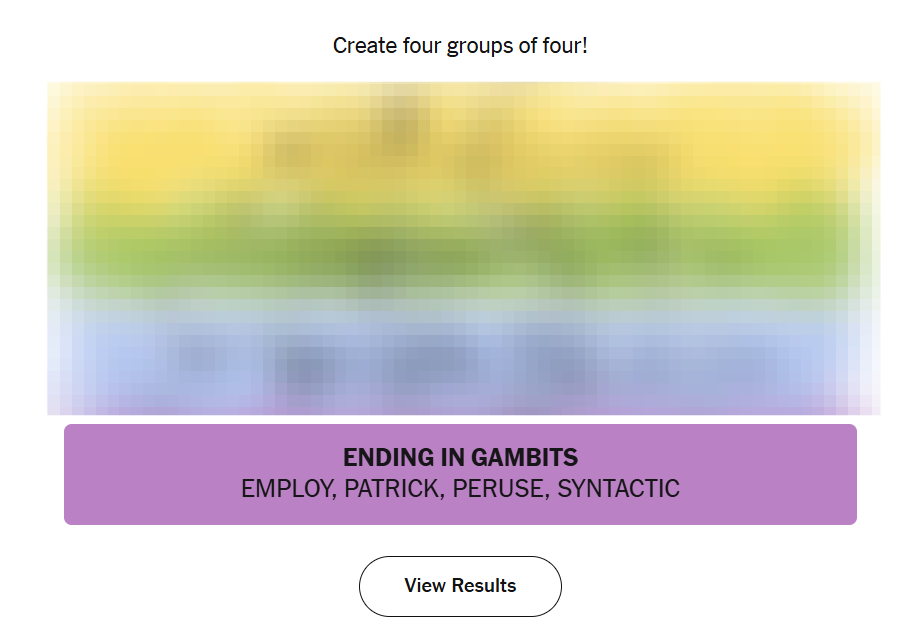
Today’s NYT Connections puzzle features 16 words divided into four groups of four, each linked by a shared theme. The categories include everyday expenses, putting something to use, items commonly found in a car’s glove compartment, and words ending in gambits. The grid mixes familiar associations with a wordplay-based category that may require a closer look.
NYT Connections Hints: 11 October 2026
Category 1:
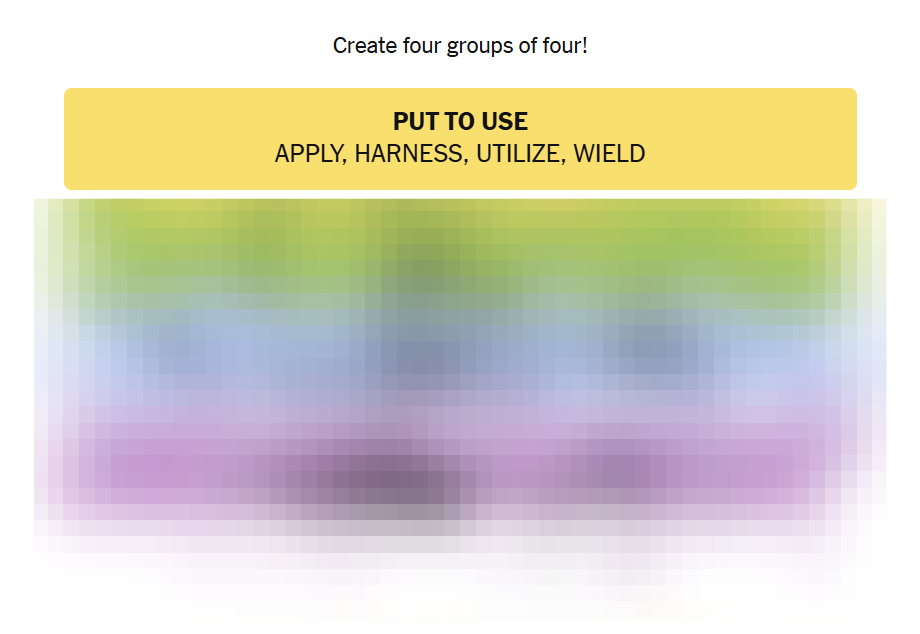
- Think about making something serve a purpose.
- These words describe putting something into action.
- One word can mean to take advantage of a resource.
- Consider different ways to say “use.”
Category 2:
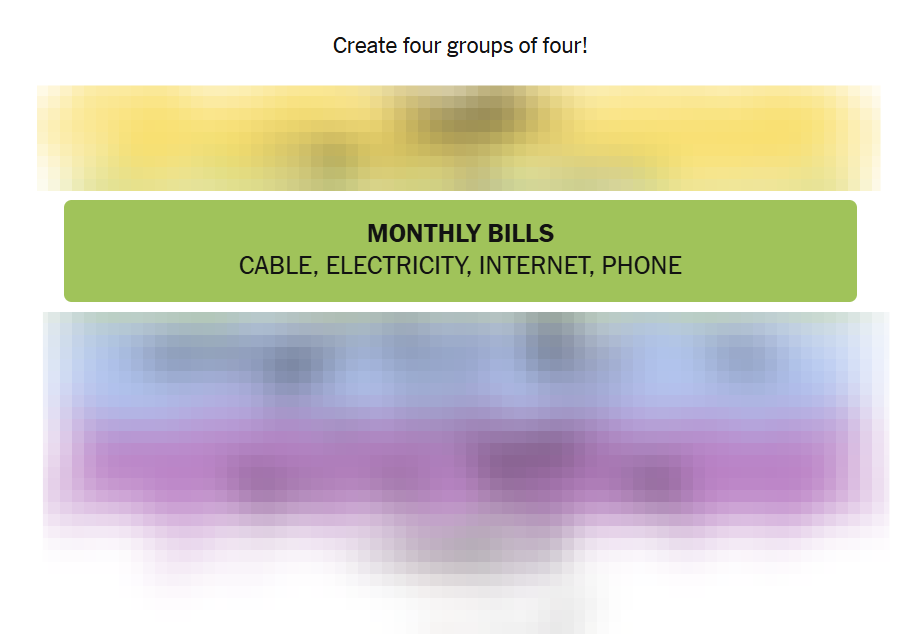
- These are recurring household expenses.
- Most people encounter several of them each month.
- They may arrive as statements or require regular payments.
- Think about essential services and communication.
Category 3:
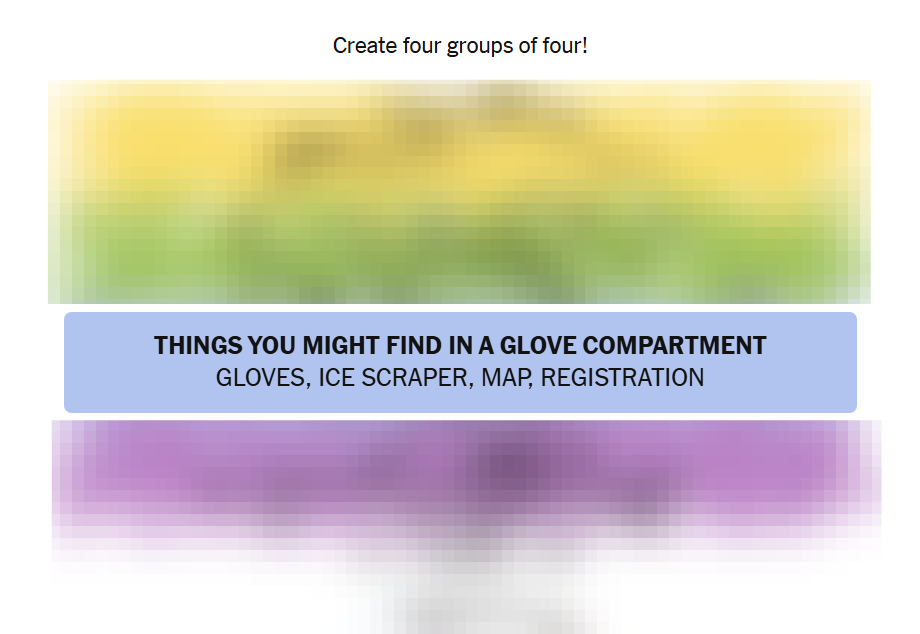
- These items are associated with a vehicle’s passenger compartment.
- They can be useful during an unexpected roadside situation.
- Some help with directions, identification, or winter weather.
- Look for things that may be stored in a small car compartment.
Category 4:
- Focus on the final letters of each word.
- Each word ends with the same four-letter sequence.
- The words themselves have different meanings and uses.
- Check the spelling endings rather than the definitions.
NYT Connections Answers: 11 October 2026
Here are the answers, grouped by category.
Category 1:
Category 2:
Category 3:
Category 4:
Conclusion & Quick Strategy Tip
The 11 October 2026 Connections puzzle balances straightforward action words with trickier conceptual links, making it satisfying once everything clicks. Quick strategy tip: lock in obvious verb groups early, then examine remaining words for structural patterns or shared cultural references.






Leave a Reply